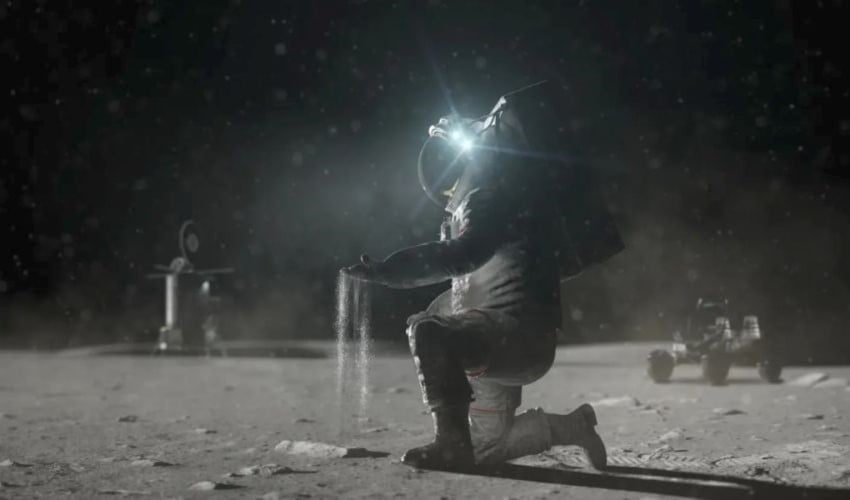
There appears to be an abundance of water near the Moon's south pole, but drinking it could pose a safety issue for astronauts. And it seems that help from the public is being sought to solve this problem. The Canadian and UK space agencies say we need filter systems to drink lunar water, and ideas for this are being collected under a program called AquaLunar.
In a briefing prepared for participants, the Canadian Space Agency (CSA) states, "It is highly likely that there is water on the Moon, but this water contains contaminants." This statement is based on data obtained after NASA's LCROSS spacecraft intentionally crashed into the Moon's icy south pole region on October 9, 2009.
THE CONTENTS OF LUNAR WATER MAY NOT BE BENEFICIAL!
As reported by Donanımhaber, in a discovery published in the journal Science in 2010 by researchers at NASA's Ames Research Center, the plume from LCROSS (an abbreviation for "Lunar Crater Observation and Sensing Satellite") contained not only the hydrogen expected from water, but also carbon monoxide, calcium, mercury, and magnesium.
While magnesium and calcium are often found in "hard water," mercury is an extremely toxic substance. Therefore, toxic substances like this cannot be consumed by astronauts belonging to the NASA-led Artemis program, which is expected to land at the south pole in the late 2020s.
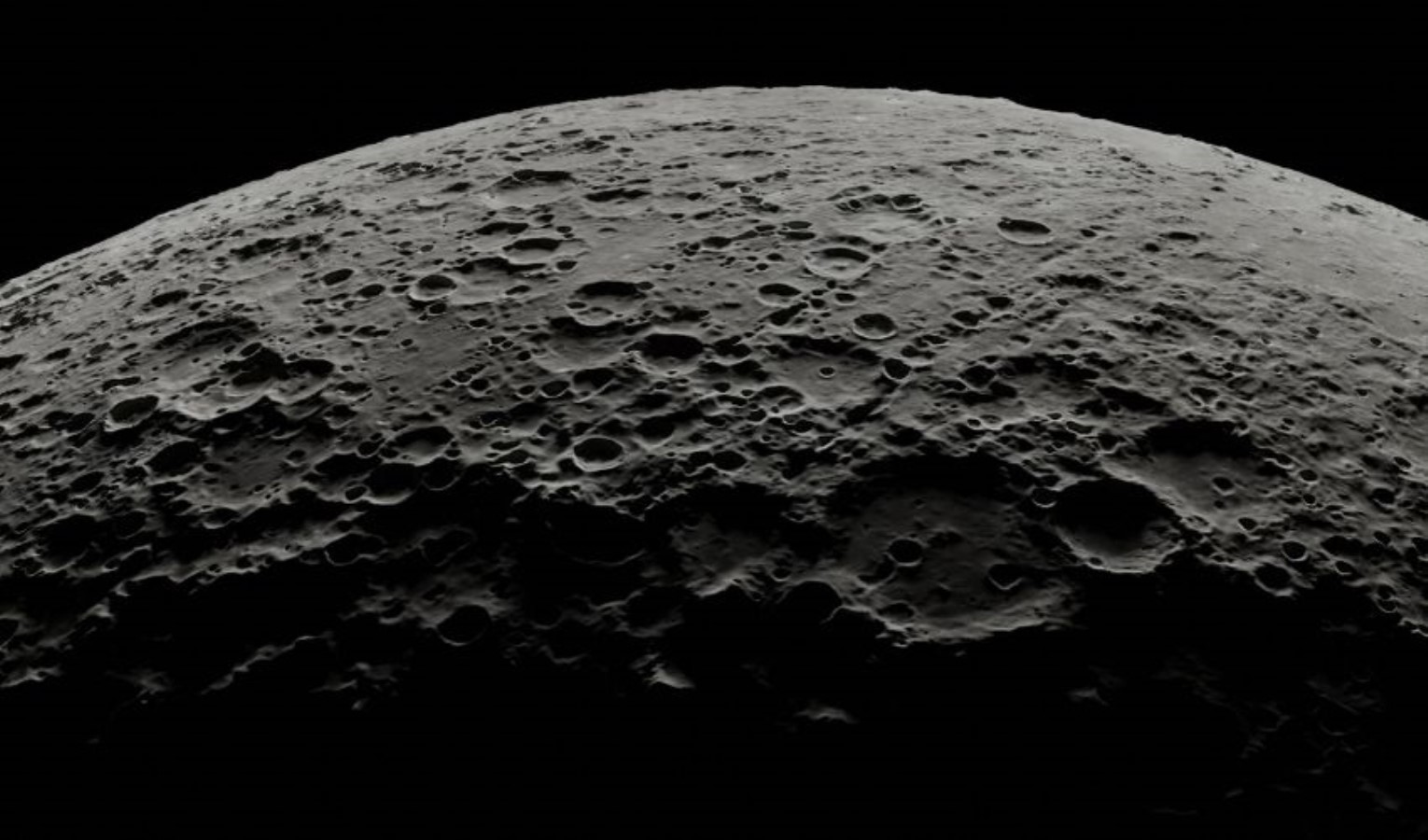
On the other hand, it is stated that current purification methods do not meet the requirements on the Moon. The CSA points out that when designing the most suitable filter systems, attention must be paid to the Moon's highly abrasive regolith soil. Furthermore, these devices must function in lunar gravity and must not be too heavy.
The guide provided by the UK Space Agency to AquaLunar participants also notes that there is a range of contaminants that participants must account for, including hydrogen sulfide, ammonia, carbon monoxide, ethylene, sulfur dioxide, methanol, and methane, as well as "solid regolith residues."
The scientific community is developing various projects to safely utilize water on the Moon in situ for humans. At the same time, crowdsourced projects are being collected through programs like AquaLunar. Participants are required to submit a concept design for this program by April 8. If selected for further stages, teams will present proofs of concept and prototypes, and the grand prize in each country will be announced in 2026.
News Source: 12punto