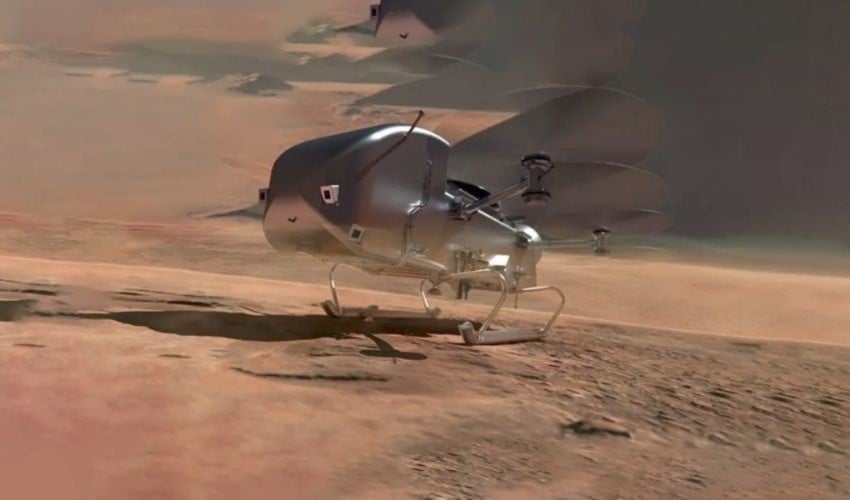
A new milestone has been reached in NASA's mission to explore Saturn's moon, Titan. If everything goes as planned, the car-sized nuclear drone will be ready in 2028.
According to the development reported by Donanımhaber, the Johns Hopkins Applied Physics Laboratory (APL) has received NASA's approval to move to the final phase of the Dragonfly drone's design and development.
WHY IS IT GOING TO TITAN?
Some icy moons in our solar system, including Jupiter's Europa and Saturn's Enceladus, are believed to harbor subsurface oceans beneath their thick icy shells.
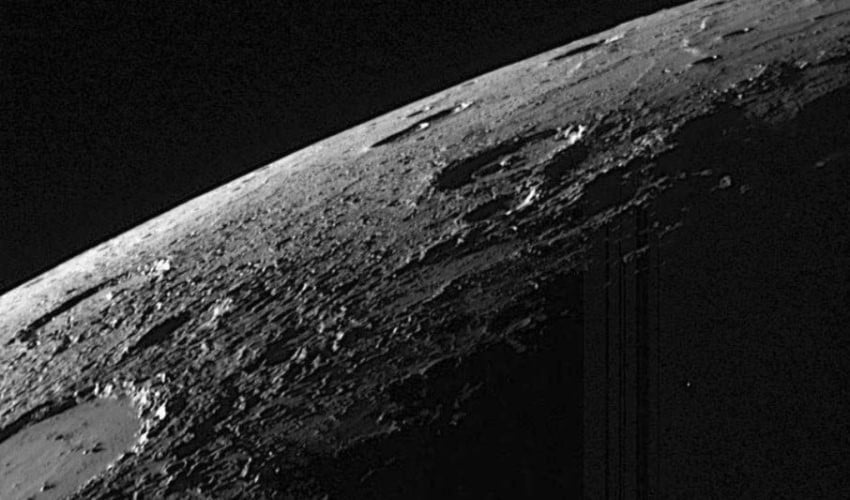
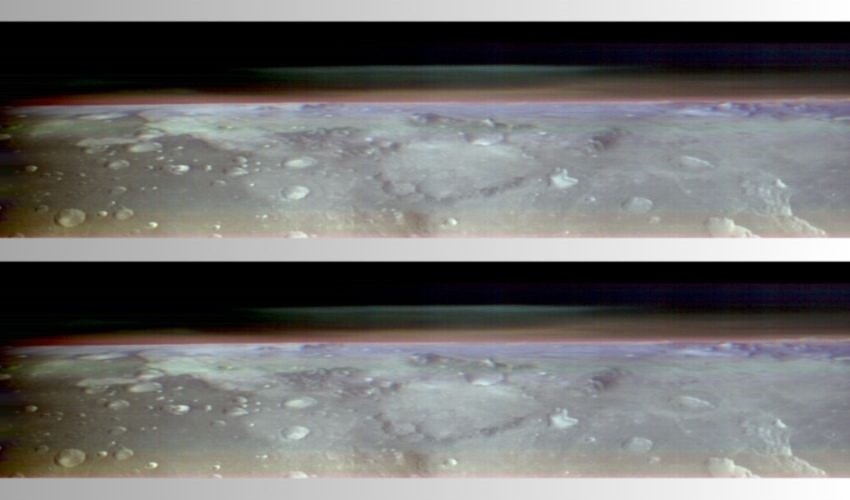
Titan stands out as the second-largest moon in our solar system and the only one with a thick atmosphere. It also holds the distinction of being the only celestial body other than Earth to have liquid rivers and lakes. Titan's atmosphere, much like Earth's, is composed of nitrogen with small amounts of methane. Furthermore, it experiences rain similar to that on Earth. It is also thought that organic molecules may exist on the surface of this moon. Therefore, it is a place worth exploring.
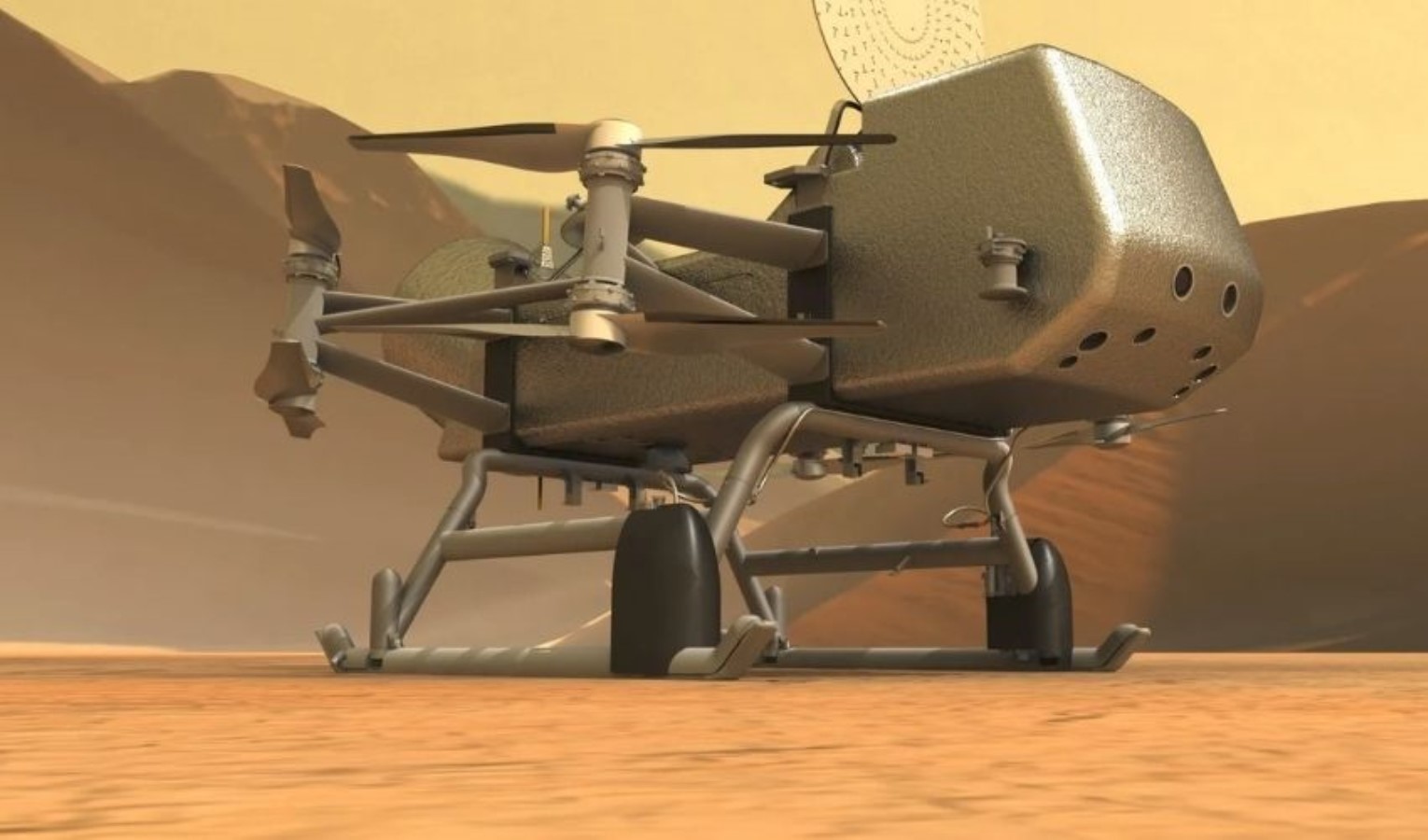
When Dragonfly reaches Titan, it will be equipped with numerous instruments. It will search for life on Titan by looking for organic compounds using cameras, sensors, and sampling probes. It will also examine the state of the prebiotic chemical structure.
UNDERGOING RIGOROUS TESTING
This space mission involves engineering challenges. To ensure everything works perfectly, the drone is being subjected to many tests. For example, the drone's guidance, navigation, and control systems are being tested in the sandy soil of the California deserts, which is similar to Titan's surface. Flight system tests are also being conducted in wind tunnels. At the same time, Dragonfly is being subjected to temperature and pressure tests in a specially built chamber that mimics Titan's atmospheric conditions.
Initially, the Titan mission was planned for 2027, but it was pushed back to 2028 due to budget constraints. If everything goes well, Dragonfly could open new horizons for us with the information it gathers from Titan.
News Source: 12punto