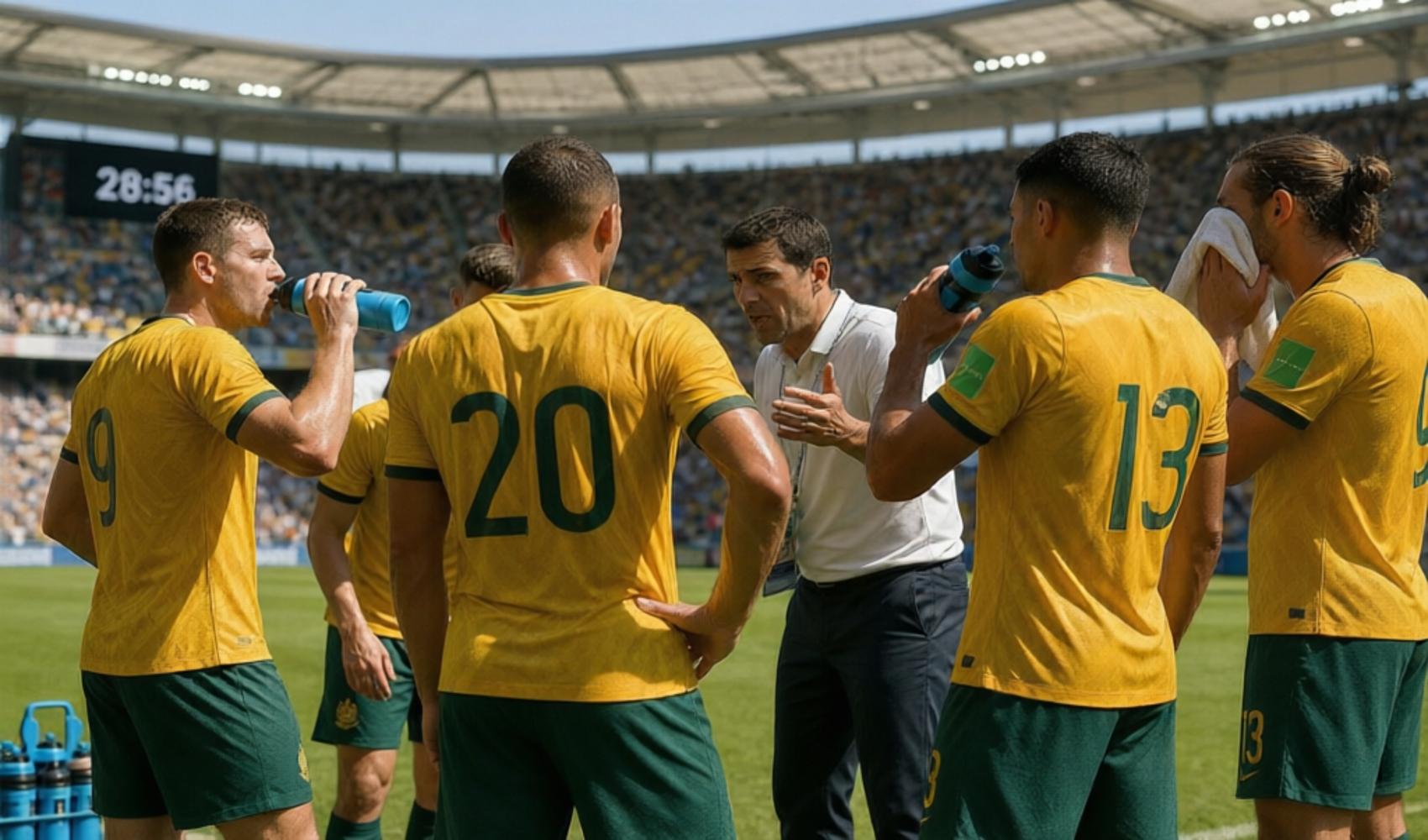
Water breaks, which were made mandatory in all matches at the 2026 World Cup due to heat and humidity, are now in the spotlight for their impact on the game's scoring dynamics. An analysis by the BBC World Service of 100 matches played from the group stages through the quarterfinals revealed that there was a higher-than-expected increase in the number of goals scored immediately following the breaks.
FIFA had decided to implement three-minute water breaks in the middle of both halves in all 104 matches of the tournament held in Canada, Mexico, and the US. The goal was to ensure players could cool down in sweltering weather conditions. However, data evaluated by Professor Brennan Klein from Northeastern University in the US shows that there is a remarkable "five-minute spike" in the game following these breaks.
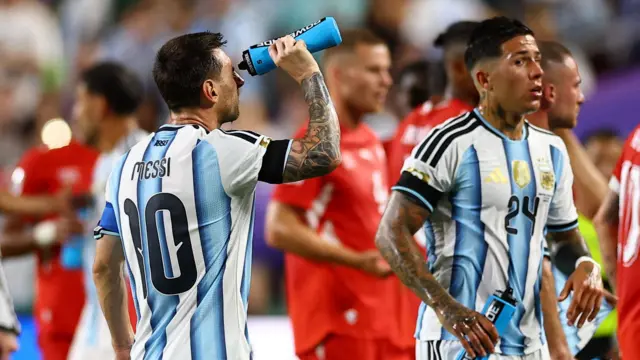
According to the analysis, the first five-minute segments after water breaks—the 25th-30th and 70th-75th minutes of matches—are among the time intervals where fewer goals are expected under normal conditions. Klein states that if there were no water breaks, approximately 27 goals could have been expected in these two segments across 100 matches. In the tournament, however, this number rose to 38.
During this period, 27 out of 48 teams found the net within the five minutes following a water break. According to the data, Argentina was one of the teams that benefited most from this process; the Albiceleste scored three goals after the breaks while conceding none. England, on the other hand, recorded only one goal immediately following a water break.
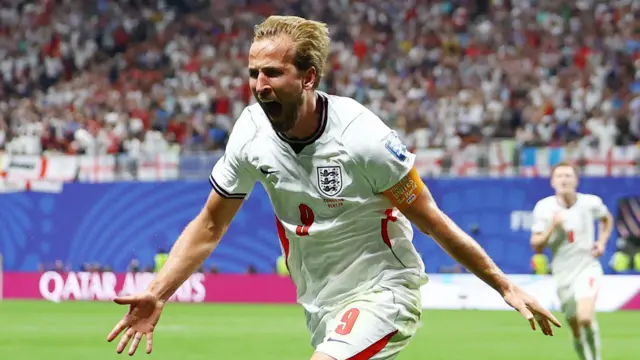
NOT THE NUMBER OF SHOTS, BUT THE QUALITY OF SHOTS INCREASED
One of the striking points in Klein's analysis is that the increase in goals cannot be explained by more shots being taken. According to the data, there was no significant rise in the number of shots after the breaks; however, the probability of the shots taken finding the target increased. Klein assessed, "Shots sent toward the goal are of higher quality than normal in these first five minutes. For example, they are taken from closer points to the goal."
Water breaks also led to debates throughout the tournament. While some fans booed the announcement of the breaks in stadiums, FIFA was criticized for disrupting the flow of the game and creating commercial breaks for broadcasters. It is stated that US television broadcasters are expected to earn an additional 250 million dollars in revenue from advertisements during these pauses.
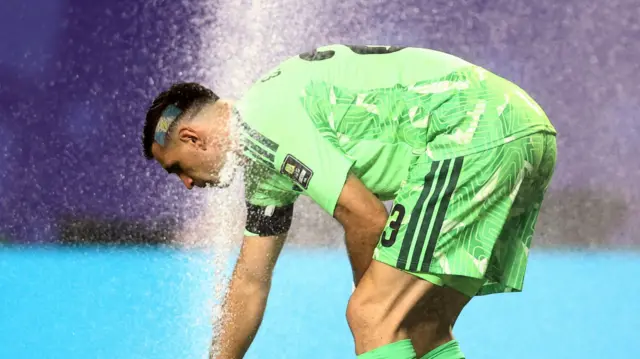
However, Klein says the data does not show that the flow of the game collapsed from a defensive standpoint. It was reported that there was no increase in "pressing actions per minute" data, and there was no strong sign that defenders were caught unprepared after the break. According to Klein, the picture suggests that attacking players become sharper after the break rather than defenses falling asleep.
Although it is observed that head coaches give intense instructions to players during water breaks, the analysis does not highlight a specific coach in this regard. Emphasizing that the data does not describe a "break master" on its own, Klein said, "The honest answer is that good teams can score in any minute."
Ahead of the match where Argentina and England will face off in the semifinals, it is seen that water breaks have turned into a factor that should be monitored not only for player health but also for the rhythm of the game and the probability of goals.
News Source: 12punto