While safe service is provided to millions of subscribers with a natural gas network exceeding 47 thousand kilometers across Turkey, it is emphasized that savings can be achieved through simple but effective methods. Experts state that it is possible to contribute to the family budget and the national economy with correct usage habits. Here are nine recommended methods for using natural gas efficiently to both protect the environment and save money:
1. FIVE AND A HALF TIMES MORE ECONOMICAL THAN CYLINDER GAS
Natural gas stands out as a more economical option compared to cylinder gas by approximately six and a half times for cooking and hot water use, four times compared to imported coal for heating, and two and a half times compared to electricity. Being more economical than other energy sources provides a significant advantage for both individual users and the national economy.
2. SAVE WITH A ONE-DEGREE DIFFERENCE
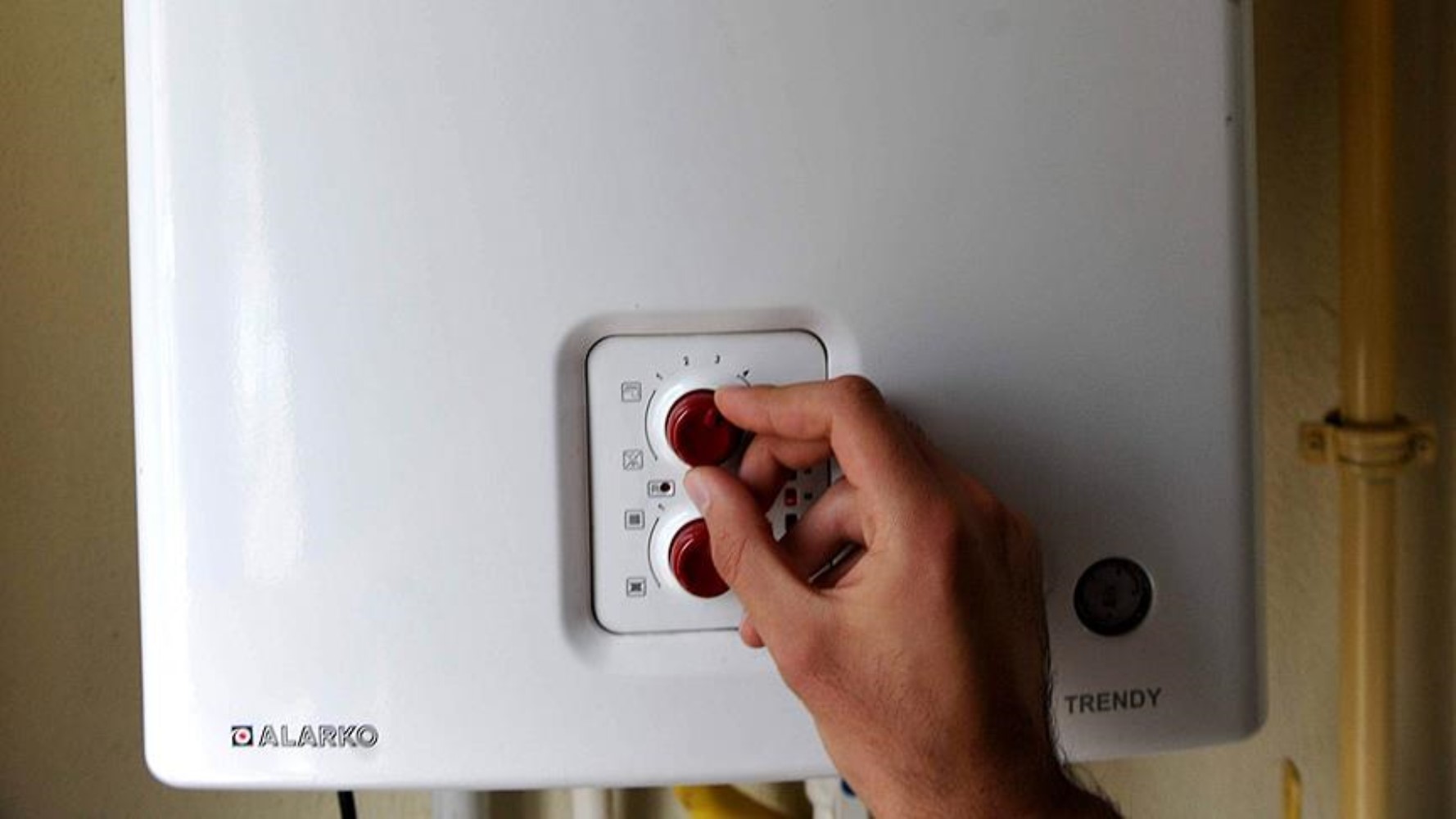
Lowering the boiler temperature setting by just 1 degree provides savings of up to 7 percent on natural gas bills. It is possible to make a big difference with a small change. This simple change, made without compromising comfort in homes, contributes to reducing energy consumption and protecting the environment. Additionally, checking the temperature regularly is one of the easiest ways to increase savings.
3. DO NOT COVER RADIATORS
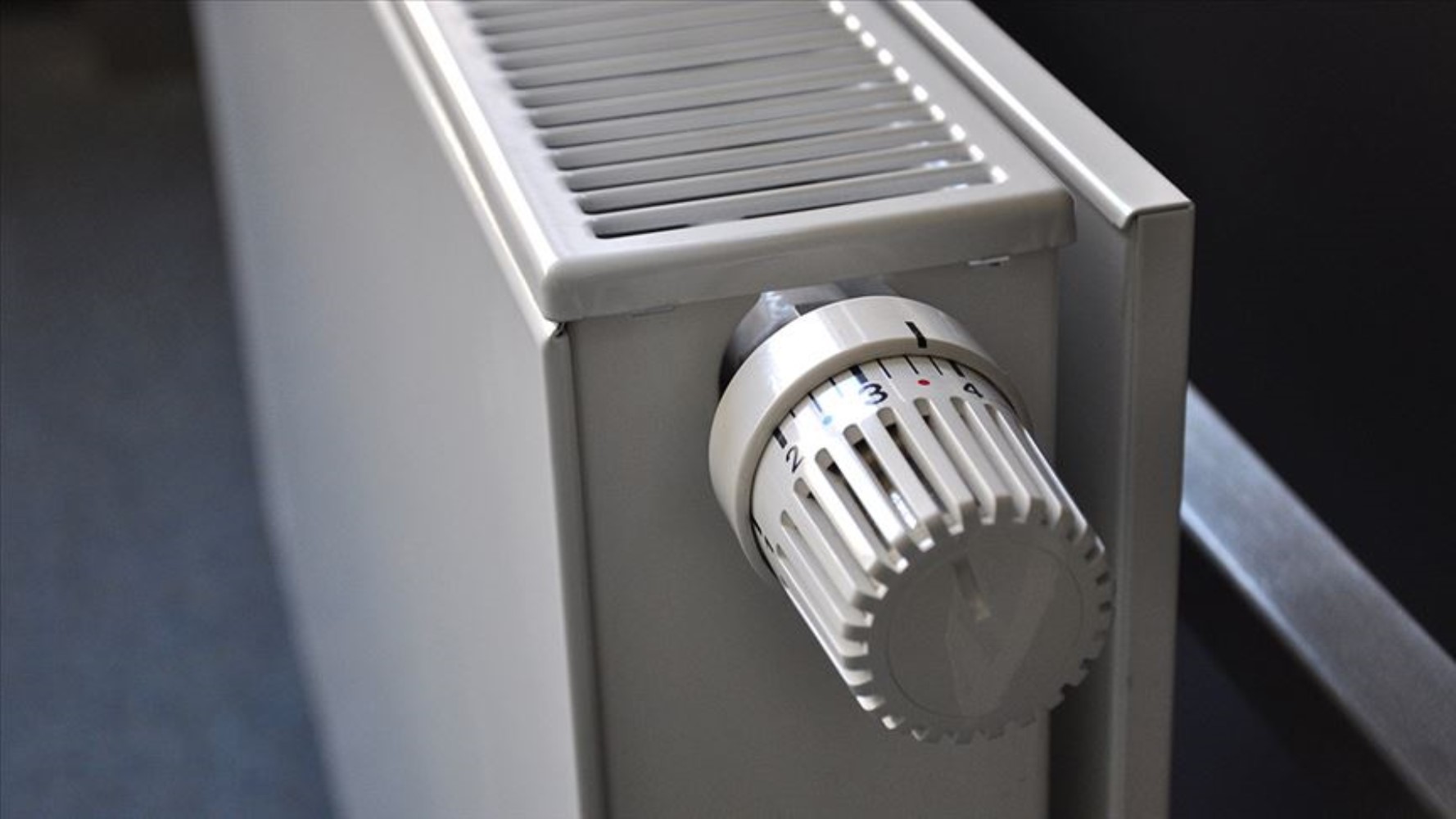
To prevent heat loss and keep the boiler from overworking, radiators should not be covered, and their fronts should not be blocked. Placing covers or similar materials on them prevents heat from spreading into the room and causes the boiler to work harder. Furthermore, placing heat-reflecting panels on the walls where radiators are located allows heat to reflect back into the room and increases energy efficiency. Ensuring that furniture does not block the radiators also helps heat to be distributed evenly.
4. LOWER THE BOILER TEMPERATURE WHEN LEAVING THE HOUSE
Turning off the boiler or thermostat completely when leaving the house during the day can lead to higher energy consumption to reheat the cooled environment when you return. Therefore, keeping the boiler at a low setting to prevent the house from cooling down completely stands out as an effective way to optimize energy consumption.
5. INCREASE SAVINGS WITH A THERMOSTATIC VALVE
The use of a thermostatic valve provides energy savings by automatically turning off when the radiator reaches the set temperature. This simple application can help achieve savings of up to 15 percent in energy consumption. Thermostatic valves allow you to set separate temperatures according to the needs of each room. Thus, you can prevent energy waste by avoiding heating unused rooms. Especially in large homes with different usage areas, the use of thermostatic valves ensures that energy consumption is managed more efficiently.
6. INCREASE EFFICIENCY WITH A ROOM THERMOSTAT
A room thermostat ensures the boiler works only as much as necessary by maintaining the desired temperature level in the house, thereby preventing excessive energy consumption and providing savings of up to 15 percent on the natural gas bill. Additionally, with smart room thermostats, you can automatically change temperature settings when you are not at home, thus increasing energy efficiency. These devices analyze users' energy consumption habits, suggest the most suitable heating programs, and help maximize savings.
7. INSULATION IS ONE OF THE KEYS TO SAVINGS
To prevent heat loss in the home, attention should be paid to roof, wall, and window insulation. Roof and window insulation can reduce energy consumption by up to 30 percent, while exterior wall insulation can reduce it by up to 40 percent. Insulation helps keep heat inside the house, helping the boiler work less and therefore consume less energy. Double-glazed windows significantly reduce heat loss, while using insulation strips to prevent air leaks around doors and windows is also an effective method for saving energy.
8. HAVE YOUR BOILER SERVICED
It is very important to have regular maintenance performed on boilers before the heating season. Periodic maintenance extends the life of the boiler, ensures it works more efficiently, and lowers natural gas consumption. Boilers that are not maintained consume more energy to achieve the same heat, which can lead to increased bills. Furthermore, when potential malfunctions in the boiler are detected and repaired during maintenance, large expenses that might occur in the future are prevented. In addition to boiler maintenance, cleaning the radiators is also an important factor that increases efficiency.
9. CHOOSE YOUR BOILER ACCORDING TO YOUR HOME'S NEEDS
Condensing boilers provide 15 percent more efficiency compared to standard models. When choosing a boiler, avoiding devices with capacities larger or smaller than needed also increases efficiency. A boiler that is too large works by consuming more energy than necessary, while a small boiler has to work at maximum capacity constantly to provide sufficient heat, which leads to energy waste. Condensing boilers increase energy efficiency by reusing the steam generated during combustion and reduce natural gas consumption. Investing in condensing boilers both lowers bills and contributes to protecting the environment.
News Source: 12punto