 1 / 8
1 / 8
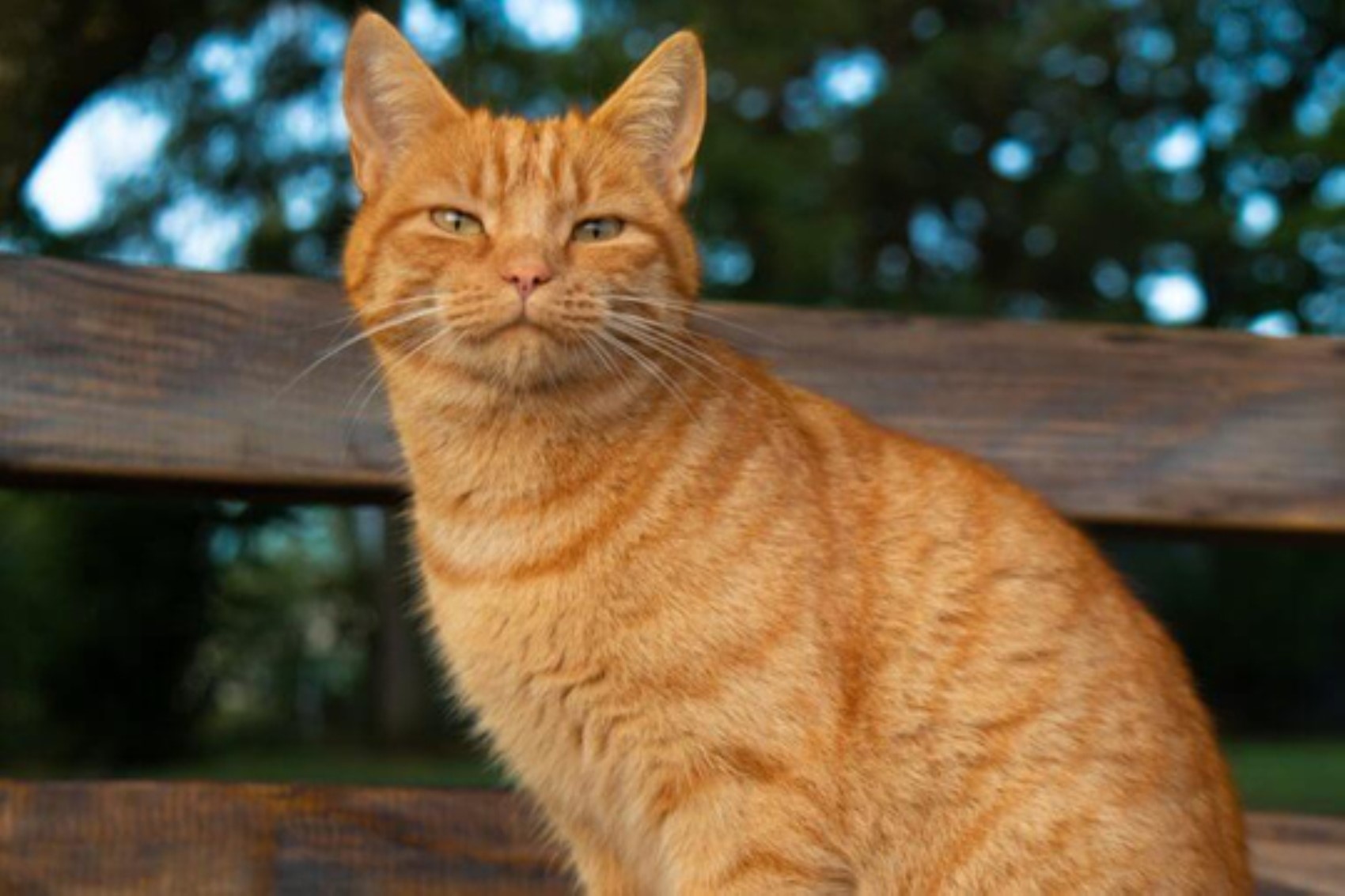
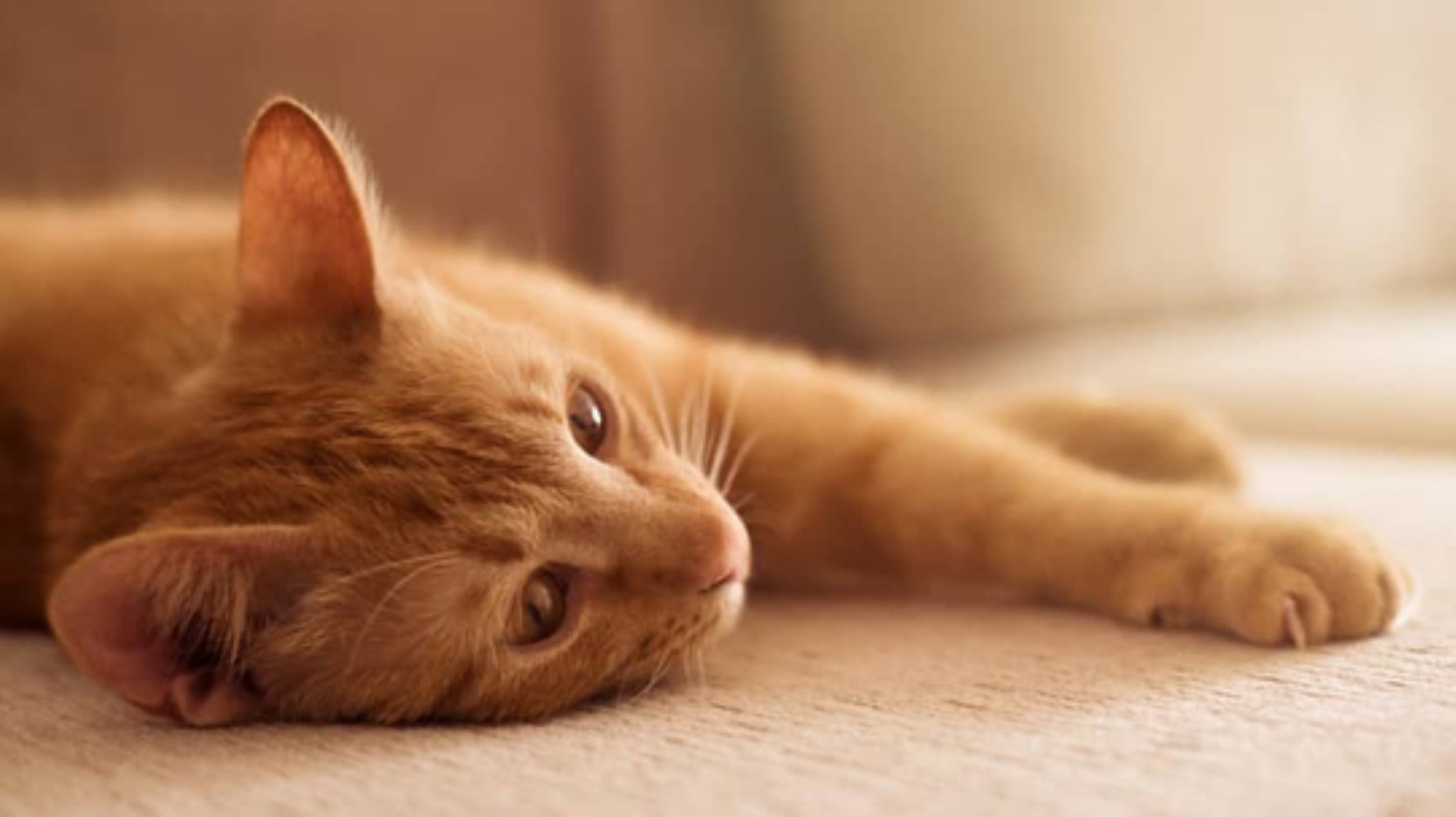
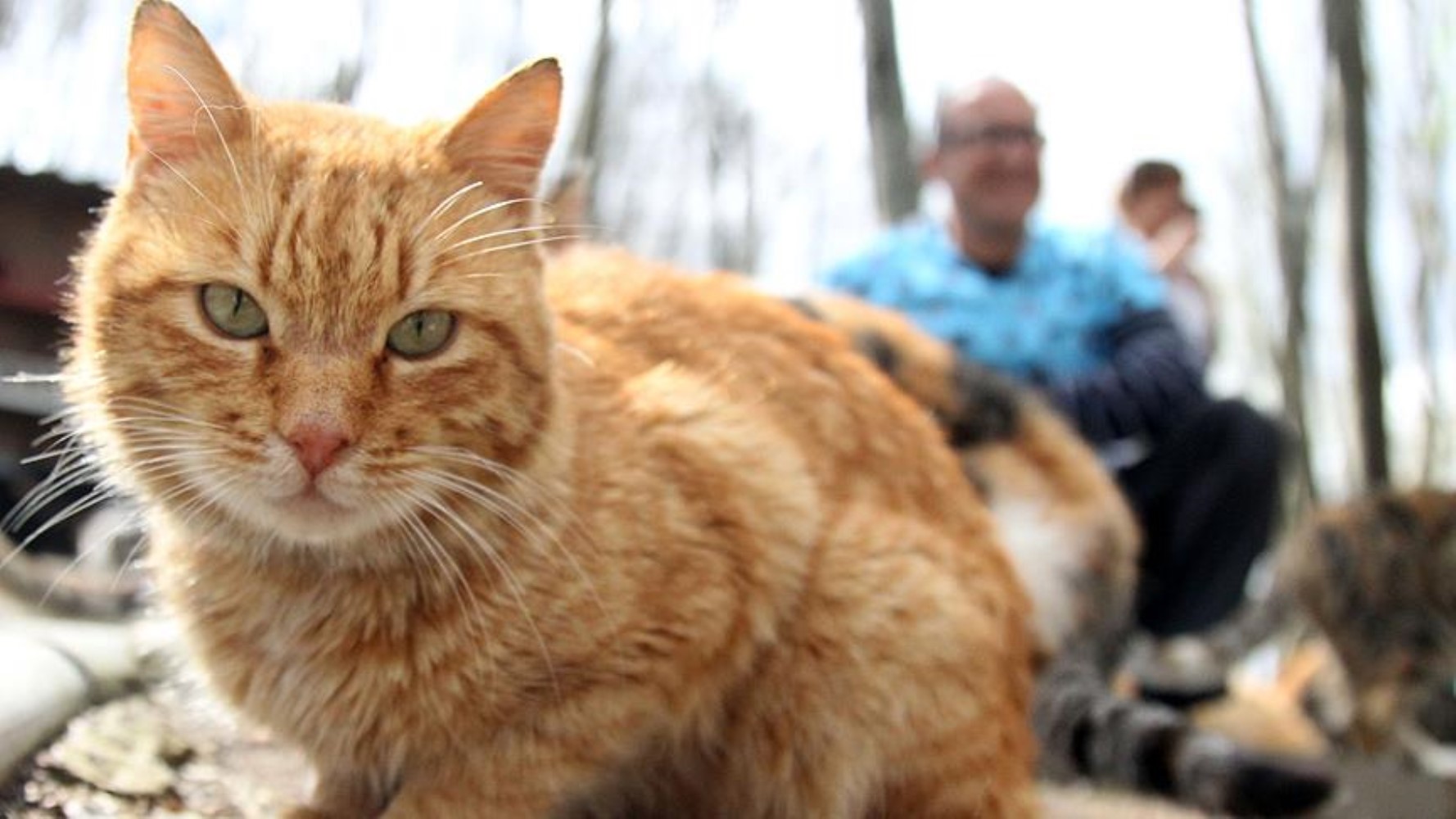
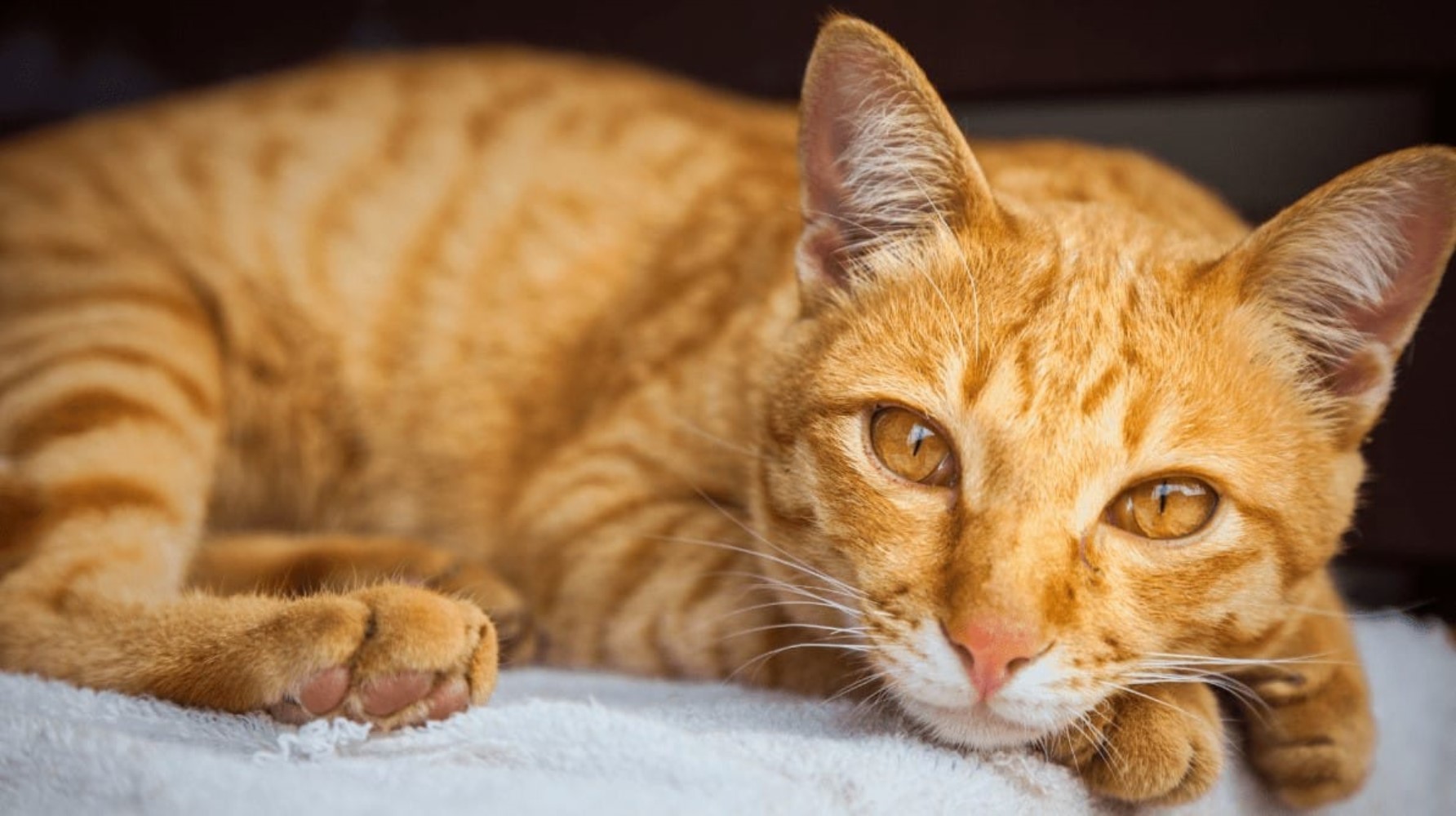
The secret of orange fur in domestic cats has finally been solved by geneticists. Two independent studies have revealed that the fire-colored fur of cats is caused by a missing piece of DNA in a non-protein-coding region of their genome.
 2 / 8
2 / 8
According to the report on NTV, a research team led by Stanford University geneticist Greg Barsh discovered that the Arhgap36 gene, found in the skin cells of cats, produces 13 times more RNA in orange-furred cats compared to other cats. However, instead of a mutation in the protein-coding part of this gene, a deletion (a missing DNA sequence) that affects the expression of the gene was found.
 3 / 8
3 / 8
X CHROMOSOME AND ORANGE FUR CONNECTION
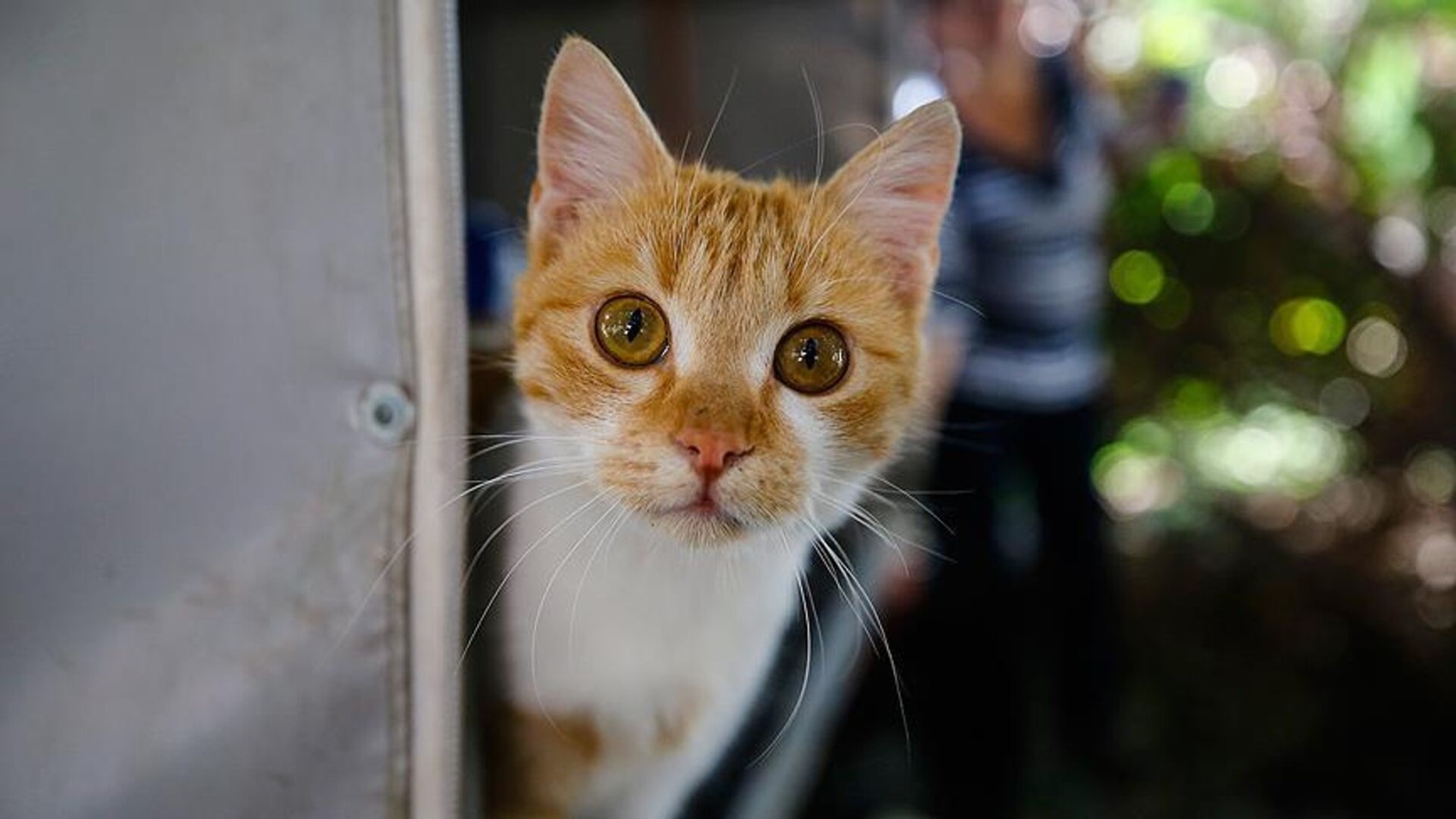
The studies also explained the difference in orange color between the sexes. Because the mutated gene is located on the X chromosome, male cats have only one copy, while females have two. This situation causes "tortoiseshell" or "calico" patterns to form on the fur of female cats due to the gene being randomly activated or deactivated.
 4 / 8
4 / 8
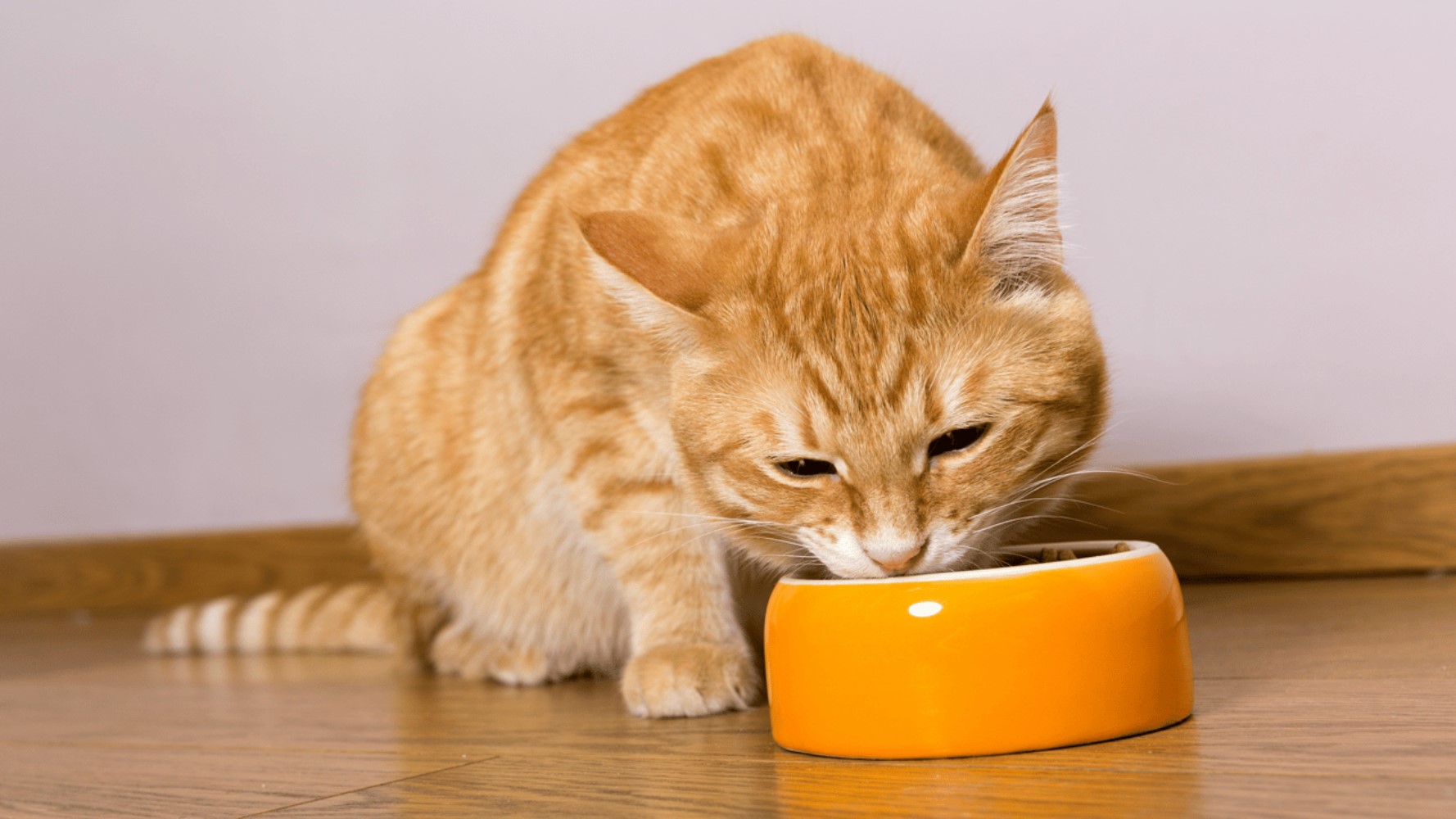
In rare cases, when both X chromosomes carry the mutation, female cats have completely orange fur. In male cats, since there is only one X chromosome, the color is uniformly orange.
 5 / 8
5 / 8
NO CONNECTION TO HEALTH
Researchers emphasized that the orange color pigment has no negative effect on the general health or intelligence of cats. However, it is known that if the Arhgap36 gene functions abnormally in other animals, it can lead to developmental problems. In cats, this gene is only overexpressed in melanocyte cells that produce pigment.
 6 / 8
6 / 8
HOW DO THE PATTERNS FORM?
The Stanford team explained that the difference between tortoiseshell cats and calico cats is caused by a white spotting mutation. This mutation allows pigment cells to spread over a wider area of the body.
 7 / 8
7 / 8
A second team led by Hidehiro Toh from Kyushu University in Japan reached similar results.
 8 / 8
8 / 8
They stated that the Arhgap36 gene shifts the color of pigments from dark brown to orange and creates the orange fur.
News Source : 12punto