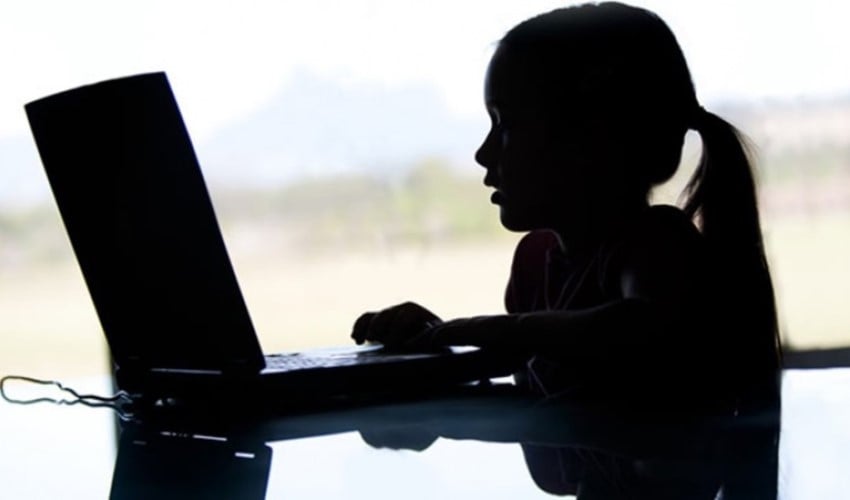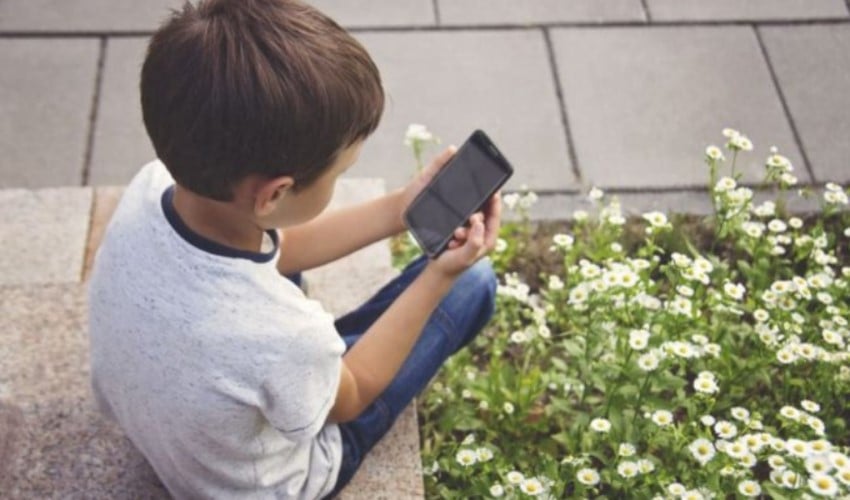
Scientific research has concluded that creating a digital identity for children paves the way for future attacks such as deepfakes, data breaches, and identity theft.
A child's digital identity is formed with the very first social media post about them. Although many people perceive this as an innocent way to connect with other family members or parents, sharing content about children can lead to certain dangers.
Some risks, such as bullying or abuse by strangers, are more widely known. However, with the advancement of technology, malicious criminals are obtaining personal information by conducting deepfake, data breach, and identity theft attacks using artificial intelligence and data collection applications.
'OPEN TO ABUSE'
Experts warn, "If parents' social media profiles are public, this rich archive of information becomes accessible to everyone and is open to potential abuse."
7 WAYS TO PROTECT CHILDREN'S DIGITAL IDENTITY
1. Choose secure sharing methods: Instead of sharing your child's photos and videos on social media networks, use secure private (encrypted) instant messaging applications.
2. Limit who can see your posts: Avoid sharing your child's photos with all your social media followers. Create close groups with your family and close friends and ask them not to share images of your children online.
3. Turn off location services: Be careful not to take photos in places that could reveal your location, such as in front of their homes or schools, and turn off location services on your phone/applications.
4. Ask for your child's permission if they are old enough: Before posting any photo or video of your child online, have a conversation with them and ensure you have their consent. Also, talk to the other parent and ask for their opinion.
5. Be selective when sharing: If you choose to share images of your child, be selective. Avoid posting specific photos or videos that could compromise your child's privacy now or in the future, such as images in swimwear or during bath time. Hide your child's face with techniques such as taking photos from behind or adding emojis for protection.
6. Increase your online account security: Adjust the privacy settings of your social media accounts to limit the visibility of your posts. Restrict access to your content to only people you know and prevent strangers from viewing your children's photos or videos.
7. Monitor your child's activities in the digital world: Children who engage in more digital activity than their parents can lead to the leakage of data that could pose a threat to themselves and family members. Potential data breaches can expose sensitive information about your family to cybercriminals and identity thieves.
However, monitoring your child's digital activities should be done with their privacy and trust in mind. Bitdefender Parental Control, which helps your child be safer on the internet, provides parental controls for your children's online activities with its superior digital protection service, with almost no impact on system performance.
News Source: 12punto