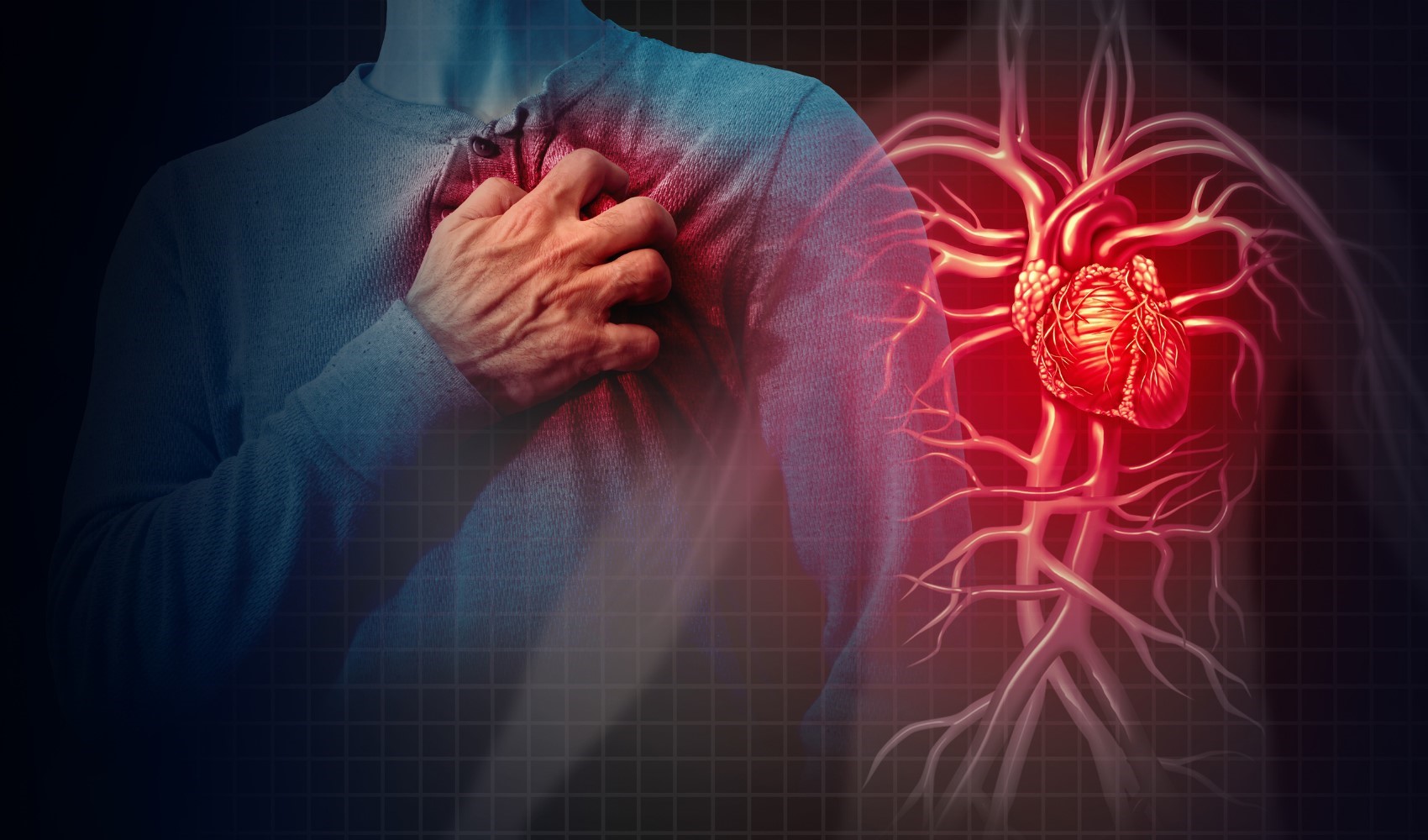
Cardiovascular diseases are the most common type of heart disease. Plaques with high lipid content that form in the heart's arteries narrow your vessels. The heart cannot get the oxygen it needs.
This condition causes chest pain, which we call angina, especially when you exercise. If the plaque ruptures and completely blocks the artery, you have a heart attack.
THE BURDEN IS INCREASING
This condition is the most common cause of mortality in our country, just as it is all over the world. It is known that there are 663 new cardiovascular patients for every 100,000 people in our country, and this burden is gradually increasing.
When we look at it from both an epidemiological and public health perspective, as well as an economic one, it creates a serious burden on our society. However, many clinical conditions that pose a risk for cardiovascular diseases can be managed solely by changing your lifestyle.
WHAT TO DO TO MINIMIZE THE RISK OF A HEART ATTACK
Learn to manage your high blood pressure: Conditions such as high blood pressure and diabetes can affect your heart without any symptoms. Your weight and cholesterol levels may gradually increase over time. These also affect your heart.
If you have high blood pressure and cannot manage it well, your chances of having a heart attack and stroke increase. Your ideal blood pressure should be below 120/80 mmHg. If your blood pressure is high, you should change your diet and exercise. If you cannot control it with these, your doctor may start you on medication.
Monitor your blood sugar carefully: Manage your diabetes; it is important to monitor your blood sugar carefully and follow your doctor's instructions.
Check your cholesterol: High LDL “bad” cholesterol and low levels of HDL “good” cholesterol can increase the formation of narrowings called plaques, which limit blood flow in your vessels and can lead to a stroke. Reducing saturated and trans fats (“animal fats”) in your diet can help lower your LDL, and exercise can increase your HDL.
A few small changes, such as choosing liquid vegetable oils instead of animal fats, low-fat dairy products, healthy white meat or legumes instead of red meat, and fruits and vegetables, can make a difference. If target values cannot be reached with these, your doctor may start medication based on your 10-year cardiovascular disease risk.
Walk briskly for about 30 minutes: Exercise helps you reach a healthy weight and keep your blood pressure, diabetes, and cholesterol levels under control. Brisk walks for about 30 minutes, 5 days a week, will reduce your chances of having a heart attack and stroke. Even as little as 30 minutes of activity a day can make a big difference.
Stay at an ideal weight by controlling your weight: Staying at a healthy weight is important; it is not unusual to gain weight as you age. However, this will cause your heart to work harder. Paying attention to the calories you consume, eating right, and exercising regularly will help you get rid of excess weight.
Stay away from bad habits: Smoking can raise your bad cholesterol, lower your good cholesterol, thicken your arteries and blood, and slow down your blood flow. These increase your risk of heart attack and stroke. If you smoke, take action to quit and get help from your doctor when necessary.
Do not consume harmful beverages: Consuming excessive amounts of alcohol can lead to consequences that will harm your heart. It can raise your blood pressure, increase certain blood fats, and cause you to gain weight. Limiting it to one drink a day for women and two drinks a day for men, or not starting at all if you don't drink, seems to be the best approach.
Make healthy eating a habit: Eat healthy, because your heart will be better for it. When calculating your daily calorie intake, consume more vegetables, fruits, whole grains, fish, nuts, and low-fat dairy products. Reduce saturated fat (animal fats), salt, and added sugar.
A healthy lifestyle reduces the likelihood of cardiovascular disease and heart attack. With a few important decisions, you can overcome conditions that could cause problems for your heart. In particular, have regular doctor check-ups to catch early signs of problems, follow your doctor's treatment plan, and take your medications regularly.
News Source: 12punto