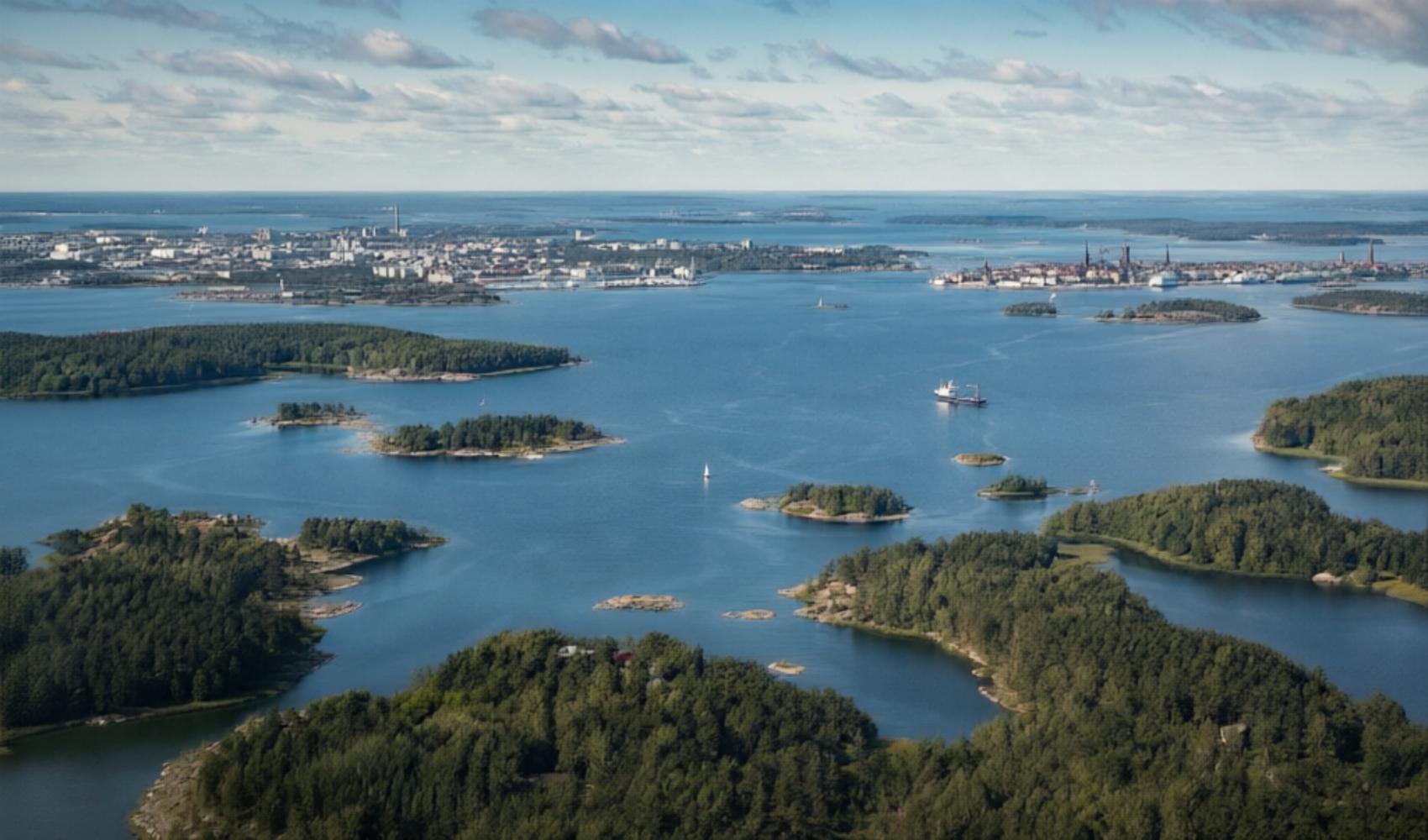
At first glance on a map of Europe, the Baltic Sea appears to be a closed bay; however, due to its geological structure, water chemistry, and the relationship it has established with the surrounding countries, it is a vast basin that constitutes a distinct marine system in its own right. It connects to the North Sea via the Danish straits; these narrow and shallow passages are among the fundamental elements that determine both the water renewal and the salinity level of the sea.
Today, when we speak of the Baltic Sea, we are not just referring to a geographical area, but also to a shared living space intertwined with northern Europe's trade routes, energy lines, fishing, port cities, island cultures, and environmental issues. Affecting the coasts of Sweden, Finland, Russia, Estonia, Latvia, Lithuania, Poland, Germany, and Denmark, this sea is one of the most important common areas in the region, both naturally and politically.
WHY IS ITS WATER LOW IN SALINITY?
The most distinctive feature of the Baltic Sea is that its water is "brackish," meaning it has a character between fresh water and salt water. While the salinity of ocean water is generally much higher, the salinity rate in the Baltic drops significantly from region to region. The main reason for this is that fresh water enters the sea from numerous rivers, and the flow of salt water from the North Sea is limited by narrow straits.
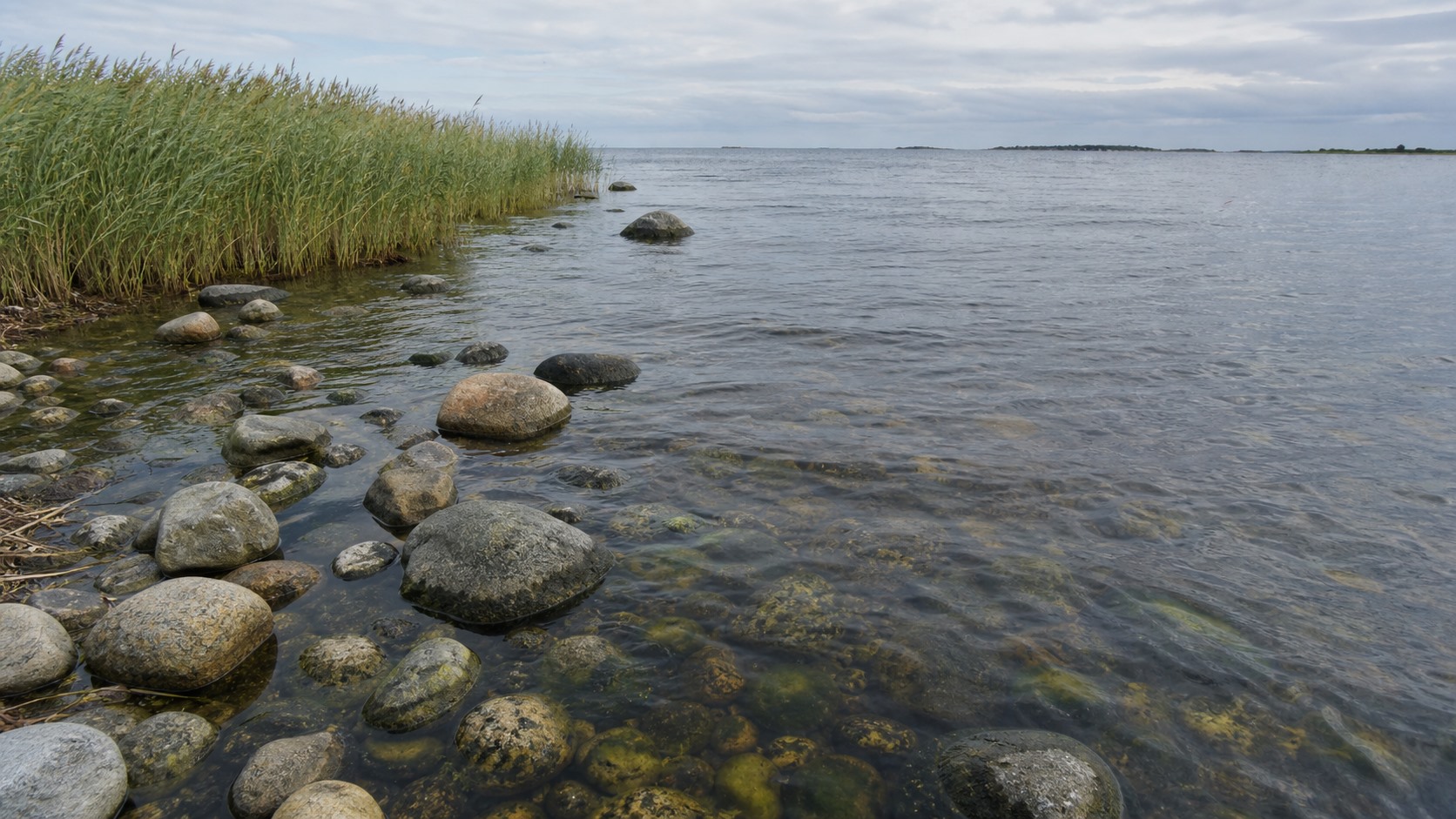
This situation turns the Baltic from a "salty sea" in the classical sense into a sensitive transitional ecosystem. In some regions, salinity may remain low for marine life and high for freshwater species. For this reason, the species that can survive in the Baltic are selected from among those that can adapt to wide fluctuations in salinity. The fragility of the ecosystem also stems from this: water exchange is slow, the basin is nearly closed, and it is sensitive to pollution pressures.
The Baltic Sea is also under the influence of the cold climate zone. Icing can be seen in the northern and eastern parts during the winter months. This is an important seasonal feature that affects maritime transport, coastal life, and ecological cycles.
DEPTH, COUNTRIES, AND STRATEGIC SIGNIFICANCE
The Baltic Sea is generally a shallow sea. Its average depth is considered to be approximately 55 meters; its deepest point reaches about 459 meters in the Landsort Deep off the coast of Sweden. This shallow structure is one of the main factors limiting the sea's water circulation. Compared to deep and open oceans, water renewal in the Baltic occurs more slowly.
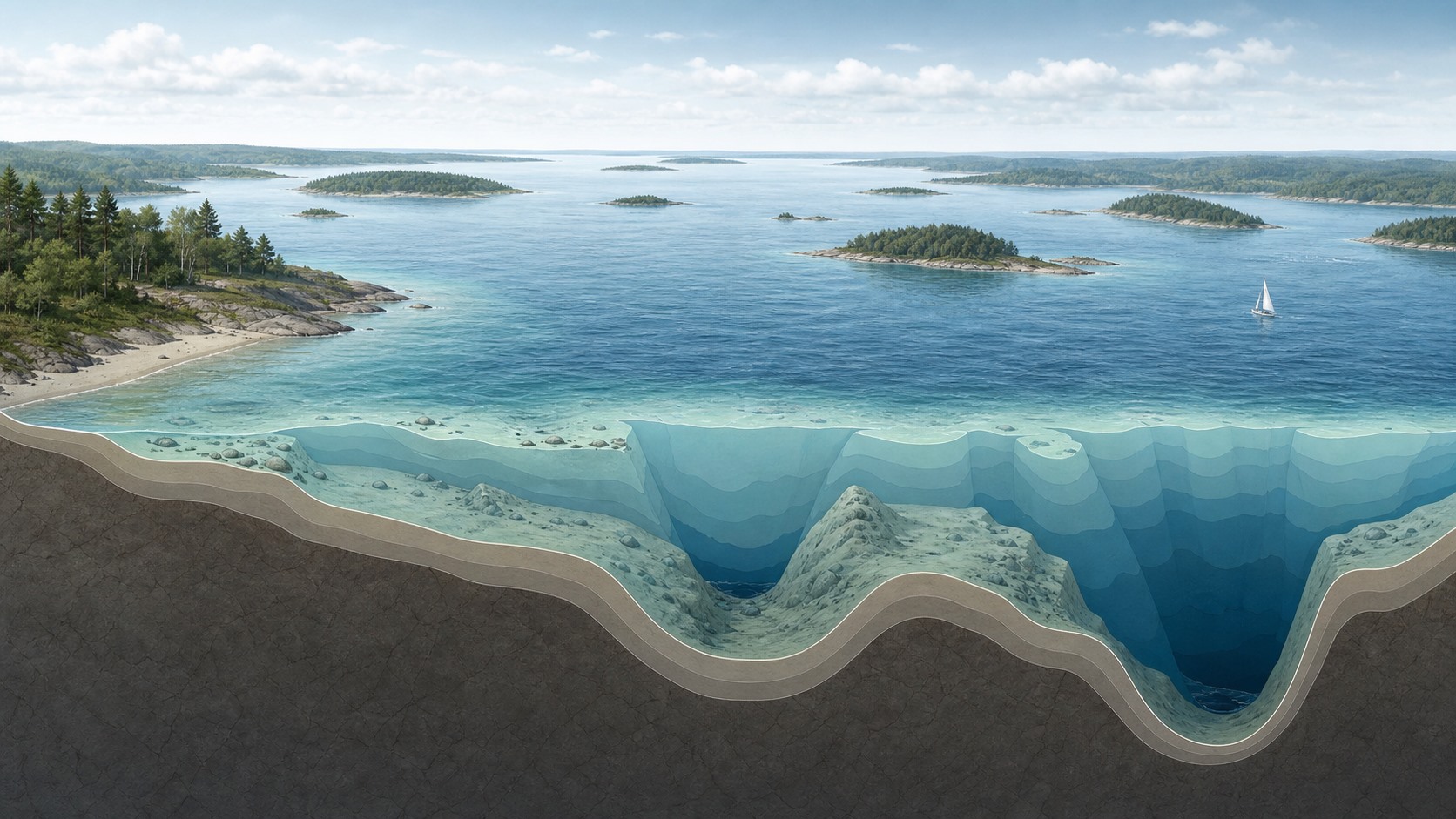
Shallowness is not just a physical feature; it is also decisive in terms of environmental management. Nutrients from agriculture, industrial pollution, or waste from coastal settlements can remain effective in the sea for longer periods. Therefore, for the countries surrounding the Baltic, marine protection policies are not just an environmental choice; they are a matter of fishing, tourism, public health, and economic sustainability.
For the countries located around the Baltic Sea, the sea has been a transport corridor and a trade area throughout history. Ports, ferry lines, fishing activities, and energy infrastructure remain fundamental parts of the regional economy today. The sea is also at the center of security policies in northeastern Europe; the Baltic line holds a special place in the military, economic, and diplomatic calculations of the coastal countries.
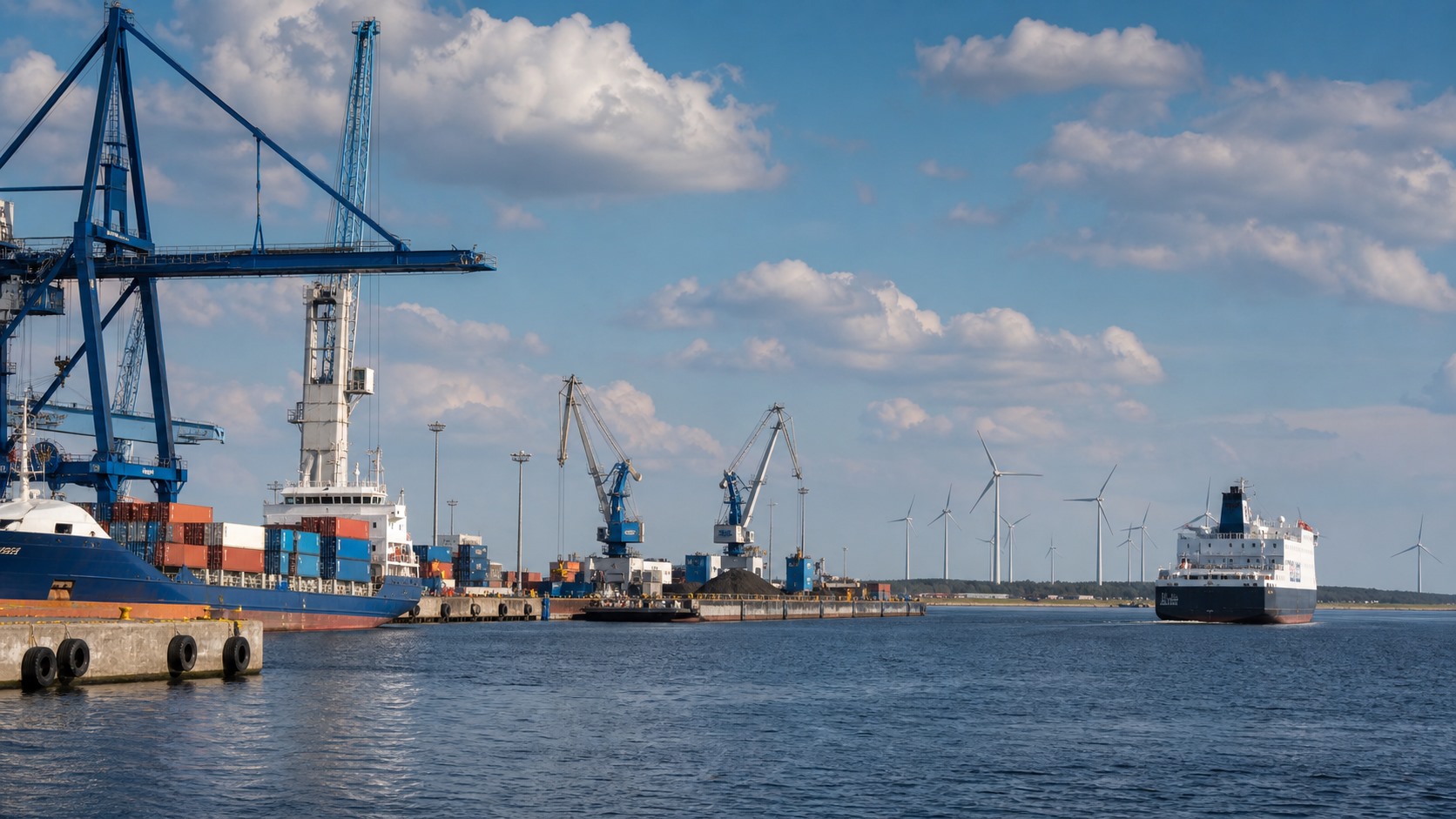
The cultural significance of the region is at least as strong as its economic significance. Although cities such as Stockholm, Helsinki, Tallinn, Riga, Gdansk, Kaliningrad, Kiel, and Copenhagen have different historical experiences, they share the common maritime memory of the Baltic world. From the Middle Ages to the modern era, trade networks, maritime traditions, migrations, and the development of coastal cities have been shaped through this shared geography.
One of the powerful images that comes to mind when the Baltic Sea is mentioned is amber. Baltic amber has been valued throughout history as an ornament, a trade commodity, and a cultural symbol. Pieces of amber washed up on the shores are often associated with the mysterious world of the sea in local folk narratives.
The legend of Jūratė and Kastytis, known in Lithuanian narratives, is one of the most striking examples of this cultural memory. According to the legend, the sea goddess Jūratė lives in a palace made of amber in the Baltic waters and falls in love with the fisherman Kastytis. The thunder god Perkūnas becomes enraged by this love; the amber palace is shattered. It is believed that the amber pieces washing up on the shores are the fragments of this destroyed palace.
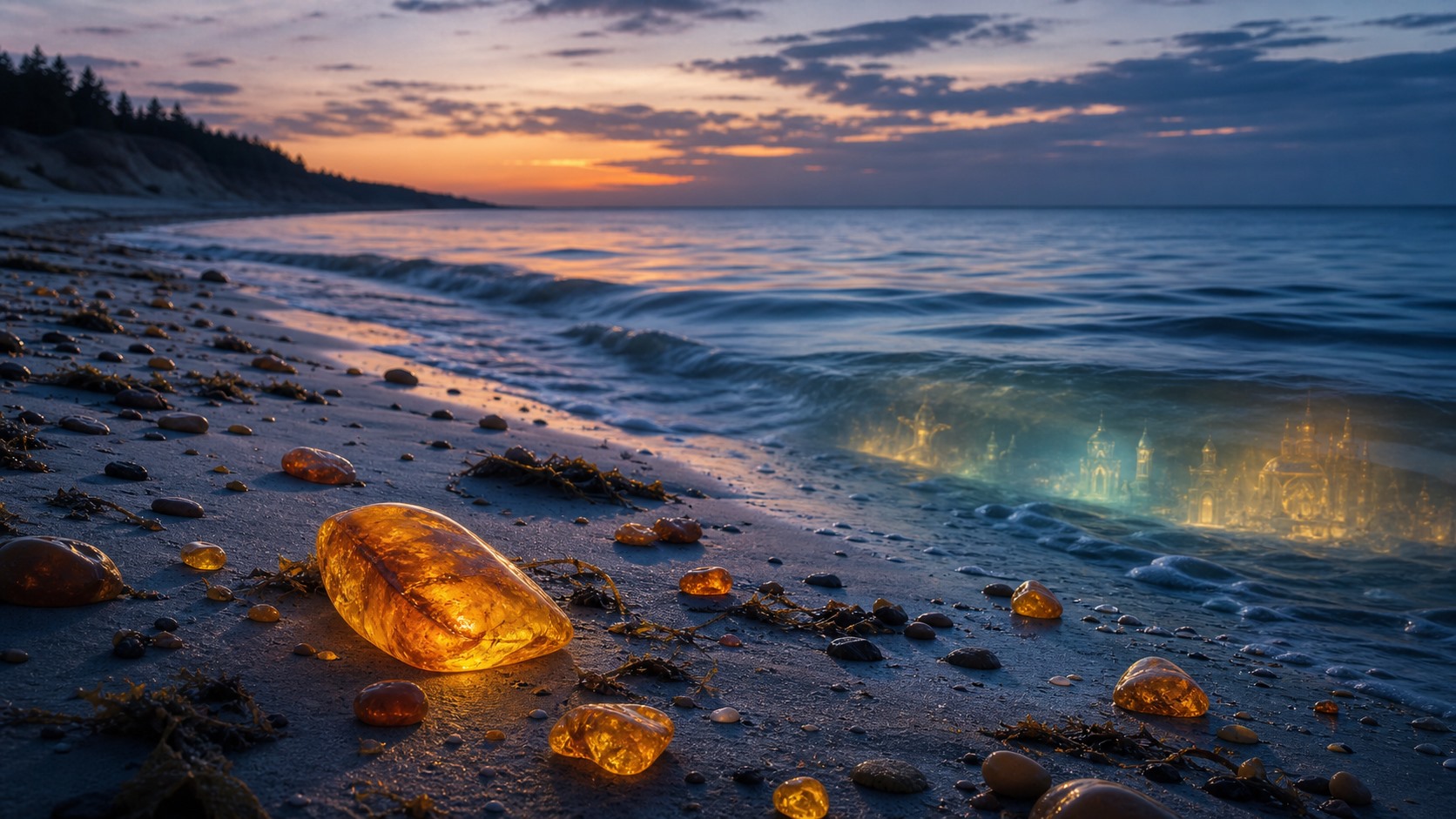
This narrative is, of course, not a scientific explanation; it is a mythological language that shows that the sea is not just about water, coast, and trade for people. The true identity of the Baltic Sea is hidden precisely in this multi-layered structure: a low-salinity and shallow ecosystem, a multi-country common area, a strategic transit zone, and a powerful cultural memory woven with amber.
News Source: 12punto