12punto FOREIGN NEWS
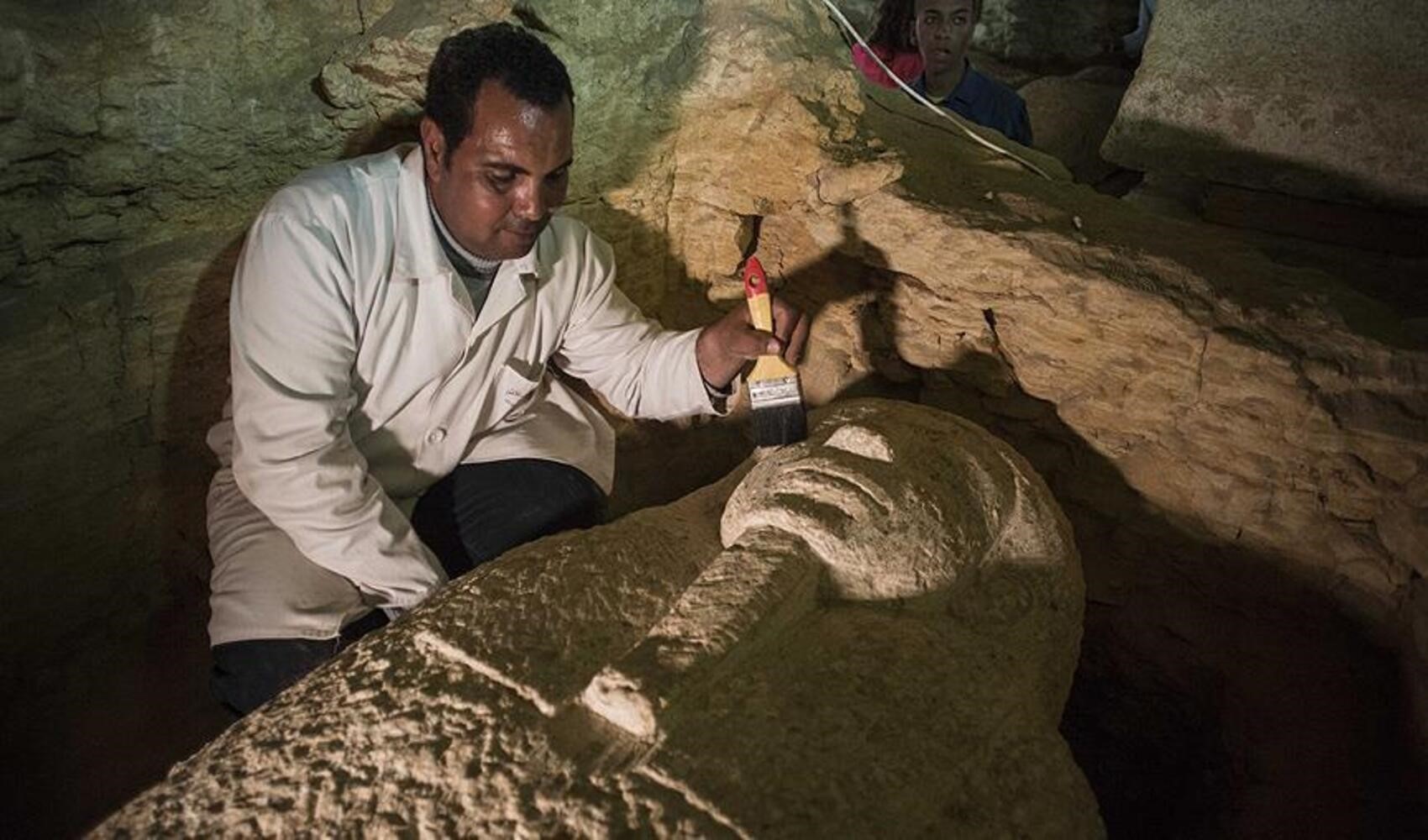
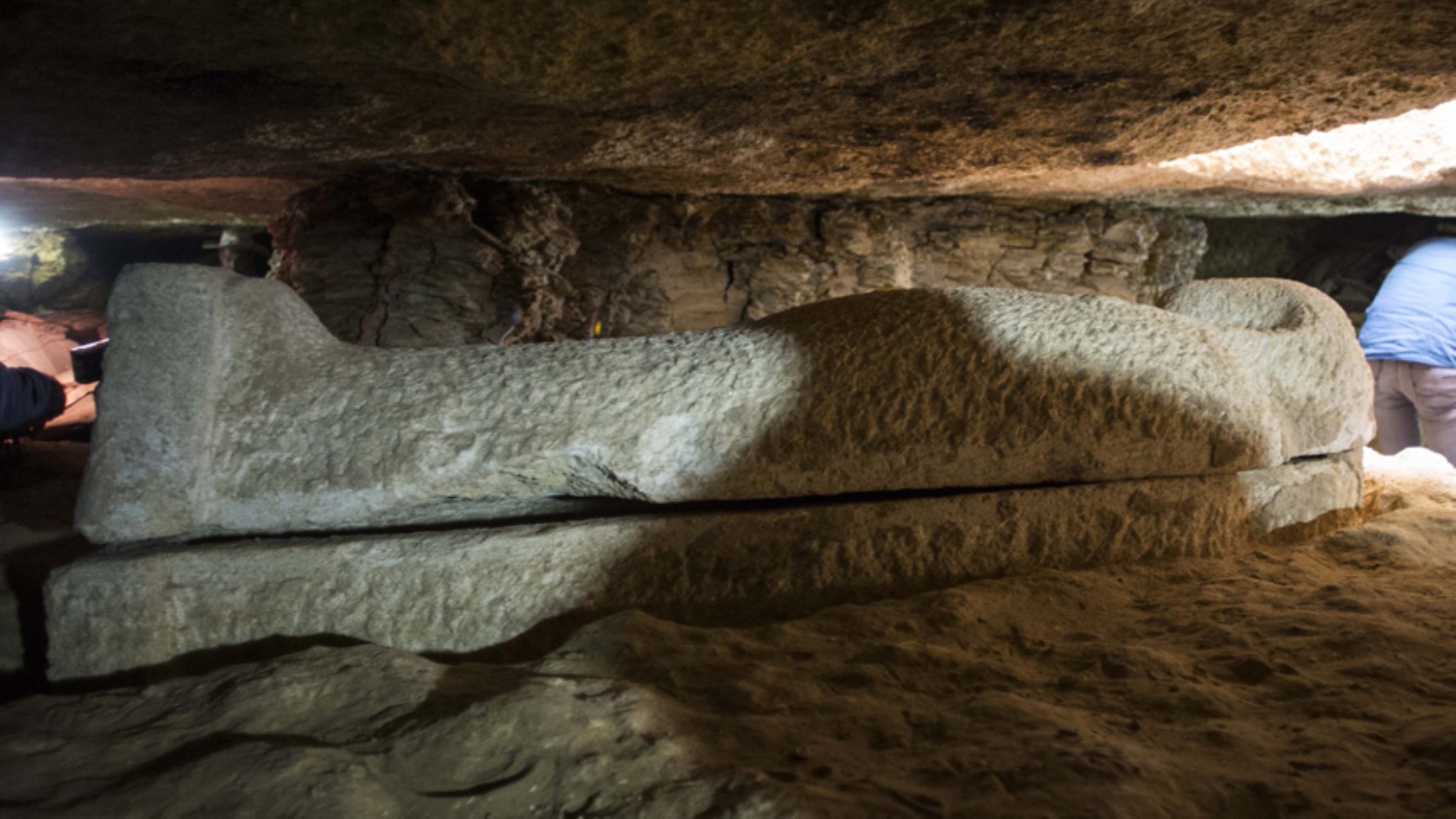
The Abydos Dynasty was thought to have ruled Upper Egypt and Abydos, one of the region's oldest cities, between 1700 and 1600 BC. Archaeologists share the view that the tomb, found on the sacred Anubis Mountain near Abydos, belongs to one of the kings of this dynasty. While inscriptions that may belong to a pharaoh were found in the tomb, it was stated that no mummified body was encountered.
Secretary-General of the Egyptian Supreme Council of Antiquities Dr. Mohamed Ismail Khaled emphasized that this discovery provides new information about the kings of the dynasty and helps in understanding the complex political history of the Second Intermediate Period in Egypt. Khaled added that the royal tomb in Abydos offers new scientific evidence regarding the development of royal tombs in the Anubis Mountain necropolis.
According to a report by the Daily Mail, the tomb was discovered by an Egyptian-American archaeological team from the University of Pennsylvania in Philadelphia. It was announced that the tomb, located at the foot of the sacred Anubis Mountain, was found 7 meters below ground level. The discovery team provided information that the burial chamber was made of limestone and covered with self-supporting arches called 'vaults'. Archaeologists said the vaults were built from mud bricks.
Inscriptions belonging to the Ancient Egyptian goddesses Isis and Nephthys were discovered on both sides of the tomb entrance. Nephthys, as a protective goddess symbolizing the experience of death, was often mentioned in funeral ceremonies along with her sister Isis. It was reported that oval markings called cartouches were also found on the walls of the tomb. Experts estimated that these markings once bore the king's name in hieroglyphs.
THE OLDEST REMAINS BELONGING TO THE ABYDOS DYNASTY
Examinations revealed that the tomb is older than the tomb of King Senebkay, which was found in Abydos in 2014. Experts stated that this tomb might belong to a king who reigned before Senebkay. Abydos was known in Ancient Egypt as a center for pilgrimages to worship Osiris, as well as for royal tombs.
Allegedly, the newly found pharaoh's tomb has been recorded as the oldest artifact thought to belong to the Abydos Dynasty. According to experts, debates regarding the existence of the Abydos Dynasty have restarted with the latest discovery. While archaeologists are divided on whether the tomb truly belongs to the dynasty, it was noted that initial findings did not reveal any evidence suggesting the tomb does not belong to Abydos.
Very little information exists about the Abydos Dynasty. Some experts have questioned the existence of this dynasty. Archaeologists, pointing out that the newly discovered tomb provides evidence for the dynasty's existence, also underscored that it contains important data regarding the least researched period of Ancient Egypt.
'CERAMIC WORKSHOP' SHEDDING LIGHT ON HISTORY
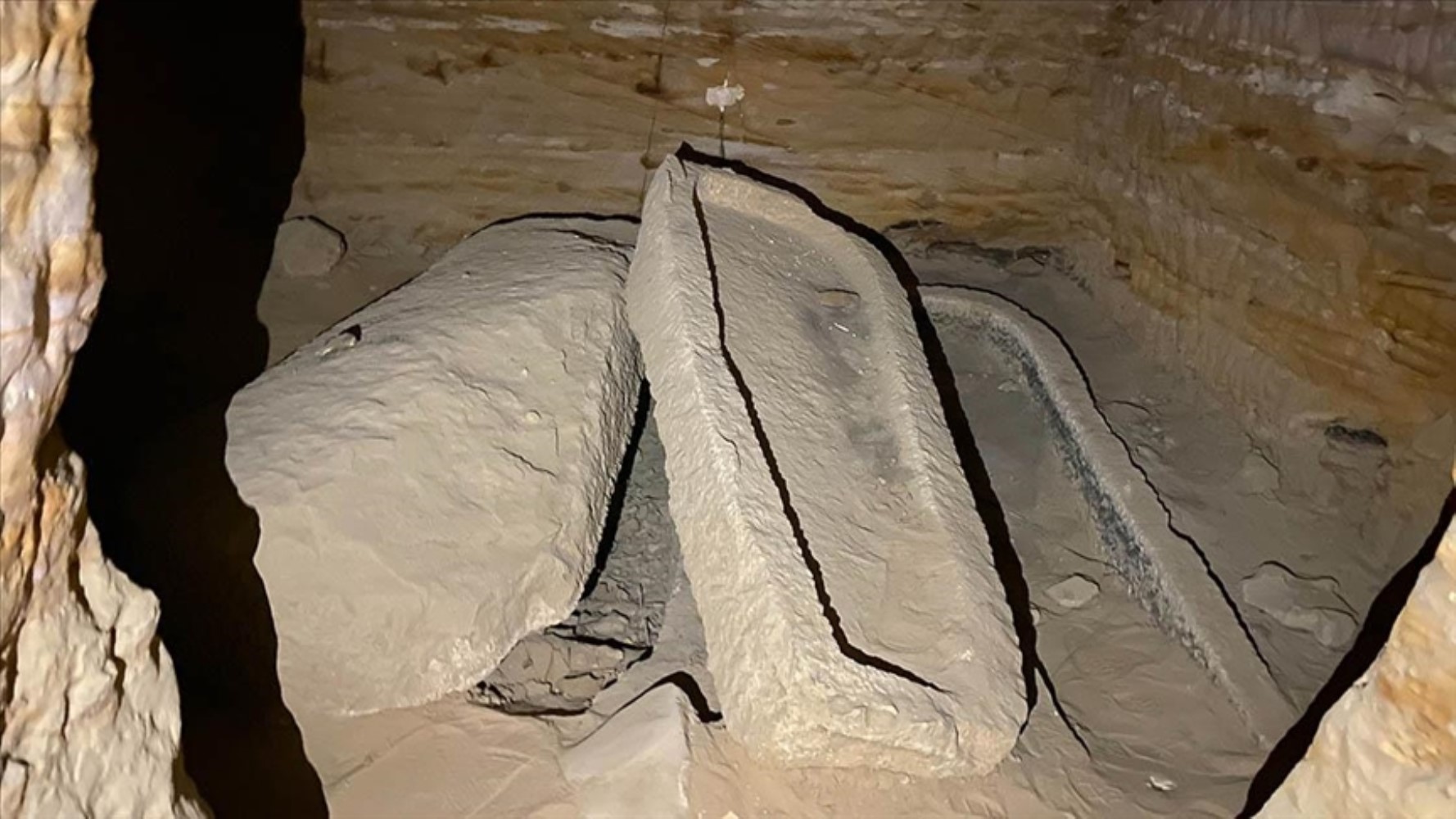
In addition to the excavations in Abydos, archaeologists also discovered a Roman-era ceramic workshop in the village of Banawit. This workshop was recorded as one of the largest production centers supplying ceramics and glass to the Ninth Nome of Upper Egypt.
It was announced that numerous kilns, storage areas, and 32 ostraca (pottery shards) with inscriptions were found in the workshop. It was reported that these artifacts, written in Demotic and the Greek alphabet, provide information about the commercial transactions and tax payment methods of the period.
The Egyptian Ministry of Tourism and Antiquities stated, 'The ceramic workshop reveals Egypt's thriving industry during the Roman period.' The ministry expressed that the two discoveries together demonstrate the diversity of Egypt's tourism and ancient civilization.
News Source: 12punto