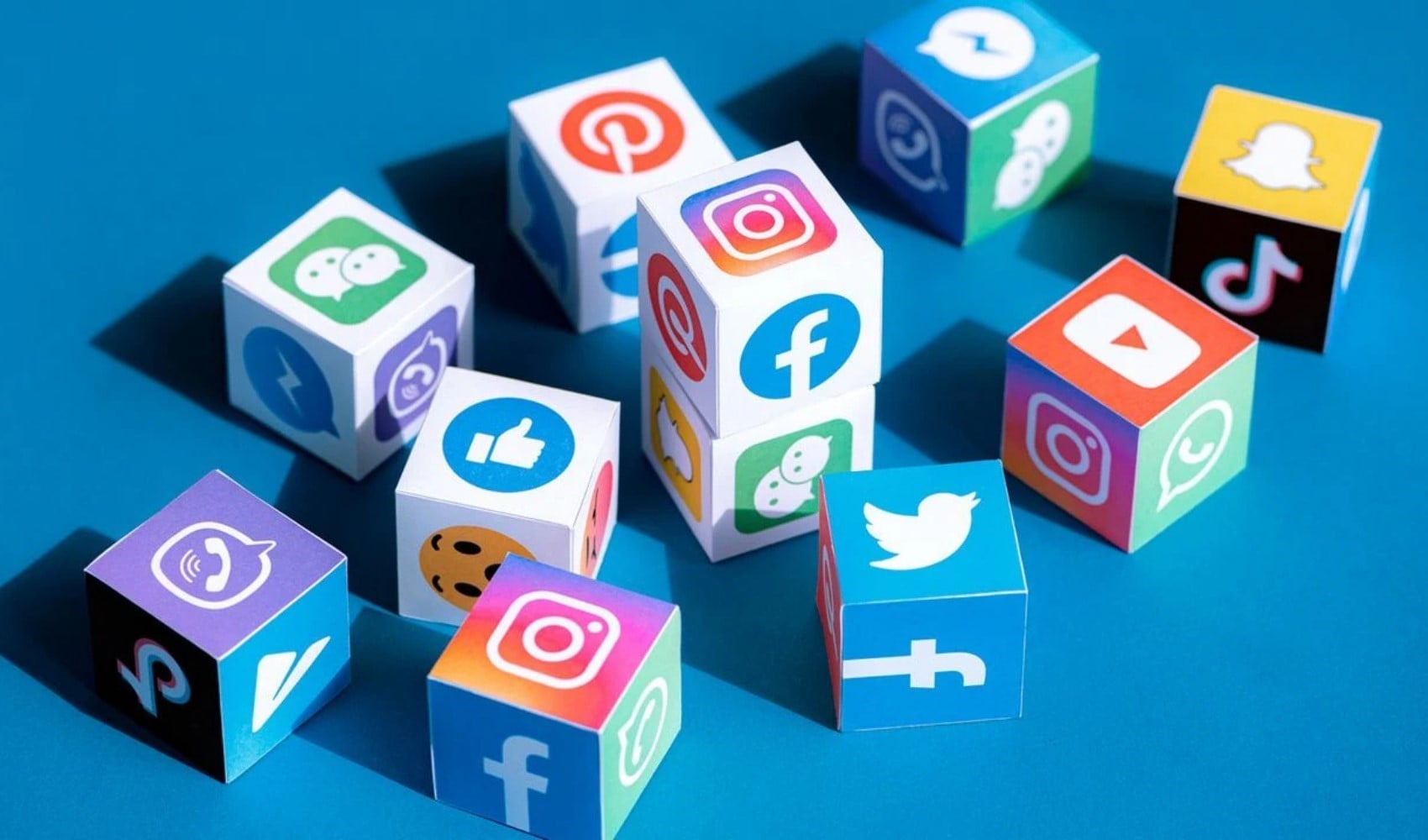
A regulation banning social media use for those under 16 in Australia has come into effect as of today. In a world-first legal regulation, 10 popular social media platforms, including Facebook, Instagram, X, YouTube, Snapchat, and TikTok, will remove accounts belonging to those under 16 and prevent them from opening new ones starting today.
The legal regulation stipulates fines of up to 49.5 million Australian dollars (33 million dollars) for platforms that violate these measures. The government announced that the ban list, which initially includes 10 social media platforms, will be expanded if new social media platforms emerge and young people turn to alternatives. All listed social media platforms, with the exception of X, formerly known as Twitter, have confirmed that they will comply with the new ban.
A social media platform called Bluesky, which has a limited user base in Australia and is not affected by the regulation because it is categorized as "low risk" by Australia's online safety regulator eSafety, also announced that it would implement the ban for users under 16.
"Spend quality time face-to-face with your friends and family"
Australian Prime Minister Anthony Albanese released a video message to children and young people before the ban came into effect, stating, "Make the most of the upcoming holiday period. Instead of playing with your phone, start a new sport, learn to play a new musical instrument, or pick up a book that has been waiting on the shelf for a long time and read it."
Emphasizing that the government took this step to support young people, Albanese said, "More importantly, spend quality time face-to-face with your friends and family."
THE BAN WAS ANNOUNCED LAST YEAR
Plans to ban social media for those under 16 were announced by Prime Minister Albanese in September last year. The debate over the ban was triggered particularly by deadly challenges carried out among child users on social media. Surveys conducted in the country revealed that two-thirds of voters supported raising the minimum age limit for social media use to 16.
After the ban plan was supported by both the government and the opposition, the regulation was accepted in both houses of Parliament at the end of November.
Social media companies opposed the regulation before the law was passed, with Meta arguing that the bill would not achieve its goal of making children safer, while X questioned the "legitimacy" of the bill.
The ban has attracted global attention, and statements regarding the introduction of similar bans have come from some countries, including Malaysia, Denmark, and Norway. The European Union has also passed a resolution to adopt similar restrictions. The debate continues over whether the implementation can protect children from the harms of social media or whether it will push them into different and unregulated parts of the internet. Some circles argue that instead of a ban, technology companies should remove harmful content. While some young people accept the ban, others claim that it is a violation of their rights.
A lawsuit filed in the High Court against the regulation, which is a world first, is also currently ongoing.
News Source: İHA