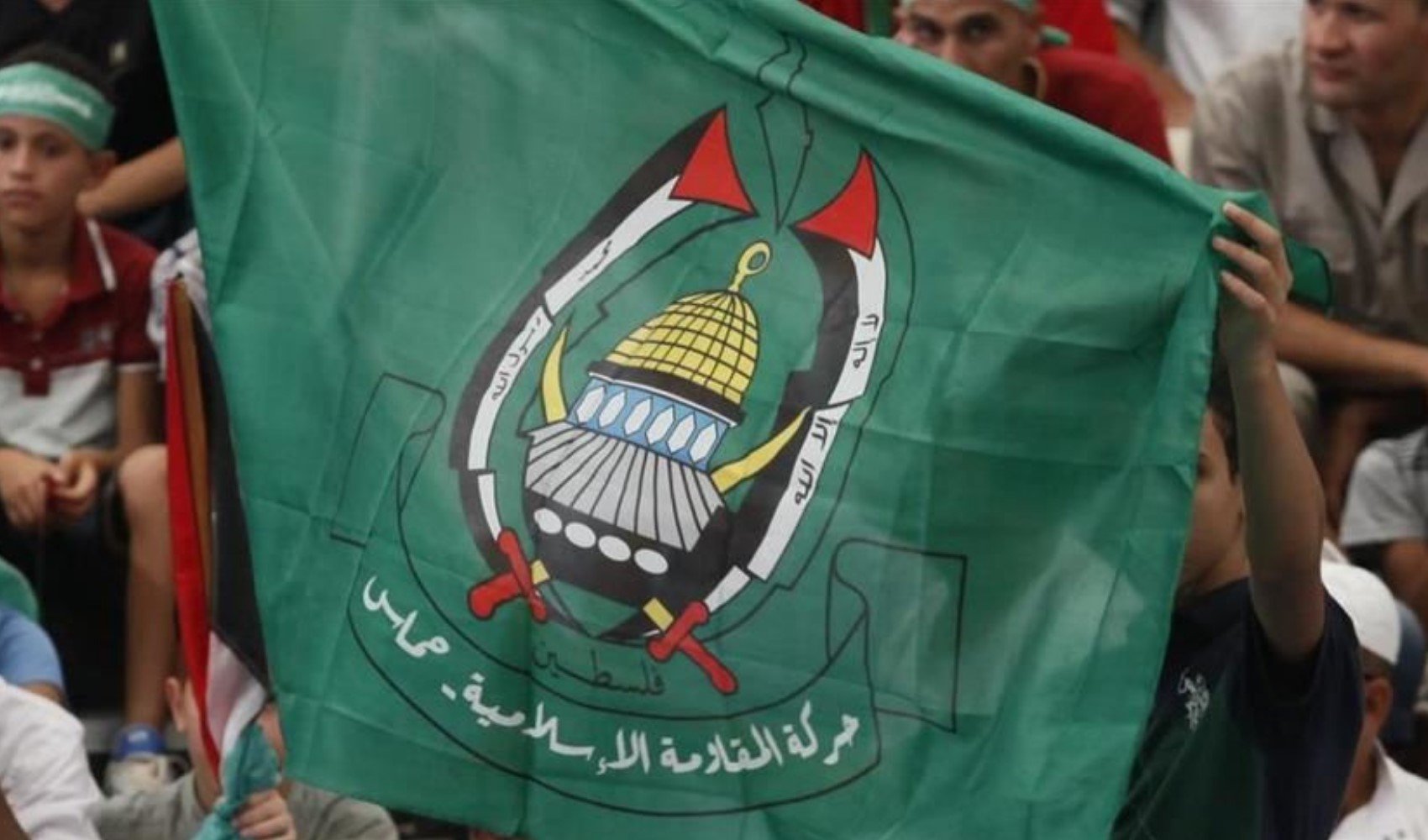
It has been alleged that Hamas leaders rejected Trump's Gaza plan in the initial phase.
HERE IS TRUMP'S GAZA PLAN
Here are the 20 points included in the Gaza plan;
Gaza will be a region free of terrorism, de-radicalized, and posing no threat to its neighbors.
Gaza will be rebuilt for the benefit of the people of Gaza, who have suffered enough.
If both sides accept this proposal, the war will end immediately. Israeli forces will withdraw to an agreed-upon border to prepare for a prisoner exchange. During this period, all military operations — including air and artillery bombardments — will be suspended, and front lines will remain frozen until the conditions for a gradual and full withdrawal are met.
Within 72 hours of Israel publicly accepting this agreement, all hostages, both living and dead, will be returned.
Once all hostages are released, Israel will release 250 prisoners serving life sentences and 1,700 Gazans detained after October 7, 2023, including women and children. For the remains of every Israeli hostage who is not alive, Israel will hand over the remains of 15 deceased Gazans.
After all hostages are returned, amnesty will be granted to Hamas members who pledge to live together peacefully and agree to lay down their weapons. Safe passage will be provided to Hamas members who wish to leave Gaza.
With the acceptance of this agreement, full-scale humanitarian aid will be sent to the Gaza Strip immediately. At a minimum, daily aid will be consistent with the humanitarian aid specified in the January 19, 2025 agreement. This includes the rehabilitation of infrastructure (water, electricity, sewage), the reconstruction of hospitals and bakeries, and allowing the entry of equipment necessary for clearing rubble.
The entry and distribution of humanitarian aid to Gaza will continue through the United Nations and its affiliated organizations, along with the Red Cross and other international institutions, without interference from the parties. The opening of the Rafah border crossing in both directions will also be subject to the same mechanism applied in the January 19, 2025 agreement.
Gaza will be governed by a temporary technocratic and politically neutral Palestinian committee. This committee will be responsible for managing daily public services and municipal affairs for the people of Gaza. The committee will consist of qualified Palestinians and international experts and will be under the supervision of a new international transition board. This board will be called the "Peace Council" and will be chaired by President Donald J. Trump. The council will also include figures such as former British Prime Minister Tony Blair, as well as other heads of state to be announced. This board will manage funds for the reconstruction of Gaza, including various proposals such as the peace plan Trump announced in 2020 and the Saudi-French proposal, and will align them with the Palestinian Authority's funding programs. This board will work to create an independent and effective administration in accordance with international standards. This administration aims to establish a reliable government that serves the people of Gaza and makes it possible for Palestinians and Israelis to live in peace.
To rebuild and revitalize Gaza, Trump's economic development plan will be created by a delegation of experts who have helped build some of the advanced modern miracle cities in the Middle East. Numerous well-considered investment proposals and exciting development ideas have been prepared by well-intentioned international groups, and these ideas will be evaluated to synthesize security and governance frameworks and ensure that these investments are facilitated in a way that creates jobs, opportunities, and hope for the future.
A special economic zone will be established, and preferred customs tariffs and access rates will be negotiated with participating countries.
No one will be forced to leave Gaza, and those who wish to leave will be allowed to do so freely and return. We will encourage people to stay and offer them the opportunity to build a better Gaza.
Hamas and other groups agree not to play any role in the governance of Gaza, directly or indirectly. All military, terrorist, and attack infrastructure, including tunnels and weapons production facilities, will be destroyed and will not be rebuilt. There will be a process of demilitarization of Gaza under the supervision of independent auditors. This will include making weapons permanently unusable and an approved liquidation process supported by an internationally funded buy-back and reintegration program; this program will be verified by independent auditors. The new Gaza will be committed to building a fully prosperous economy and coexisting peacefully with its neighbors.
Regional partners will guarantee that Hamas and other groups fulfill their obligations and that the New Gaza does not pose a threat to its neighbors or its own people.
The United States, together with Arab and international partners, will work to develop a temporary International Stabilization Force (ISF); this force will be deployed to Gaza immediately. The ISF will train and provide support to approved Palestinian police forces in Gaza and will consult with Jordan and Egypt, who have extensive experience in this area. This force will be a transition process toward a long-term internal security solution. The ISF will work to ensure security in border areas together with Israel and Egypt and will act alongside the newly trained Palestinian police forces. Preventing entry at the borders to restart and secure the flow of goods is critical. A disarmament mechanism will be implemented and verified by the ISF.
Israel will not occupy or annex Gaza. The Israel Defense Forces (IDF) will withdraw according to standards, milestones, and timelines linked to disarmament; this plan will be agreed upon between the IDF, the ISF, the guarantors, and the United States. The goal is for Gaza to no longer pose a threat to Israel, Egypt, or their citizens. In practice, the IDF will gradually hand over the Gaza territory it occupies to the ISF; they will establish temporary authority in these areas according to an agreement they will make with the ISF and will eventually withdraw from Gaza completely. However, a perimeter security presence will be maintained until Gaza is properly secured to ensure its safety against any terrorist threat that may re-emerge.
If Hamas delays or rejects this proposal, the above will proceed in the areas cleared of weapons handed over from the IDF to the ISF, including scaled-up aid operations.
An interfaith dialogue process will be established based on the values of tolerance and peaceful coexistence; it will seek to change the minds and narratives of Palestinians and Israelis and emphasize the benefits that can be gained from peace.
As the reconstruction and governance of Gaza progress and the Palestinian Authority reform program is faithfully implemented, conditions may eventually be ready for a credible path toward Palestinian self-determination and statehood; this is recognized as the desire of the Palestinian people.
The United States will initiate a dialogue between Israel and the Palestinians regarding a political horizon for a peaceful and prosperous coexistence.
News Source: 12punto