The Schengen tension that began between Rome and Madrid following the mass migration movement in Ceuta, Spain's territory in North Africa, has entered a new phase. After Italy temporarily suspended the Schengen free movement regime for those arriving from Spain, Spain has also begun implementing border controls for passengers arriving from Italy.
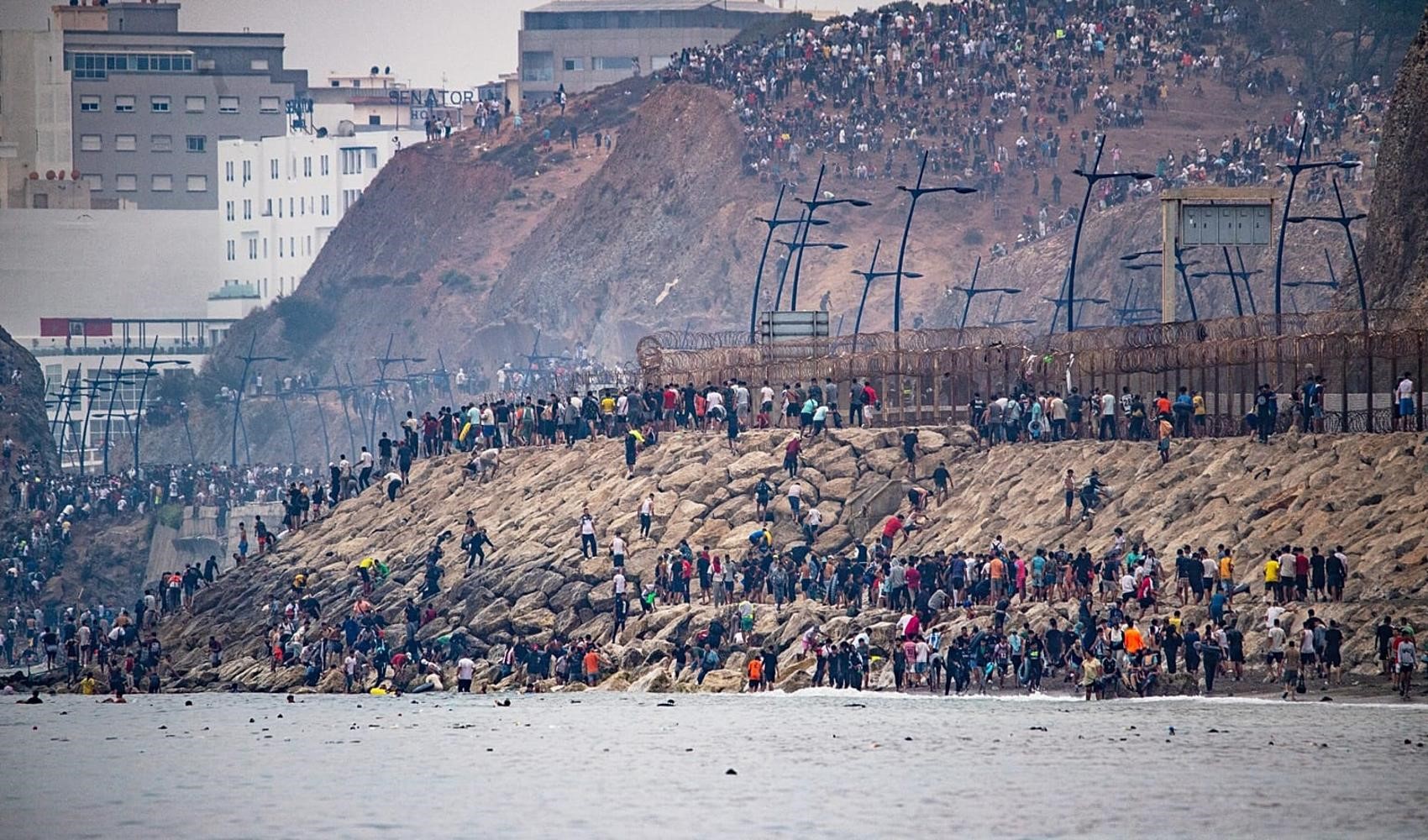
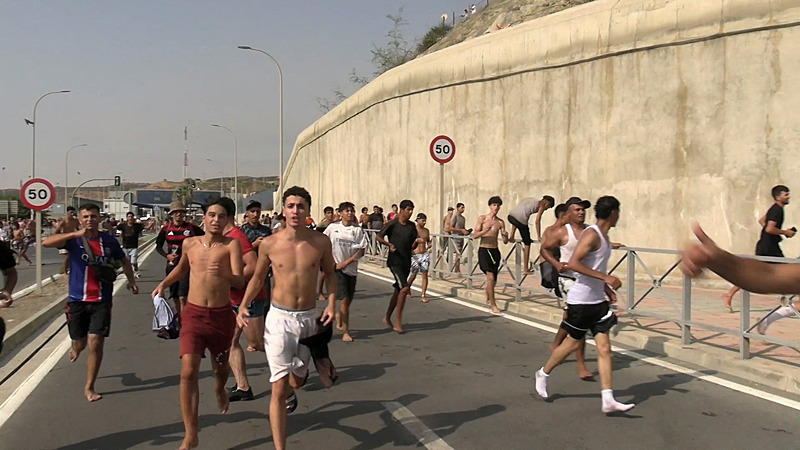
Italy had implemented controls on those arriving from Spain by sea and air as of August 1, following the crossing of tens of thousands of people from Morocco to Ceuta at the end of last month. While the Rome administration cited "national security" concerns as the reason for its decision, Madrid views this step as a political move that calls the Schengen system into question.
COUNTER-STEP FROM MADRID
The Spanish government had announced that it would take countermeasures if Italy did not stop the controls. A harsh response came from Rome to Madrid's warning. Italian Prime Minister Giorgia Meloni stated, "Italy does not accept ultimatums," and noted that they would not review the decision to suspend the implementation of the Schengen Agreement for third-country nationals arriving from Spain until at least August 15.
The Italian Prime Minister's Office claimed that a new wave of migration to Ceuta is expected on August 15. The statement expressed that the controls would continue until it is certain that this situation does not create a "security and terrorism risk" for Italy.
Following this response, Spain began border controls on flights arriving from Italy. According to the Spanish press, the practice is planned to last from midnight on August 8 until September 7. Thus, the system based on free movement in the Schengen area has been placed at the center of political tension between two European Union countries.
CEUTA'S STATUS AND THE DEBATE
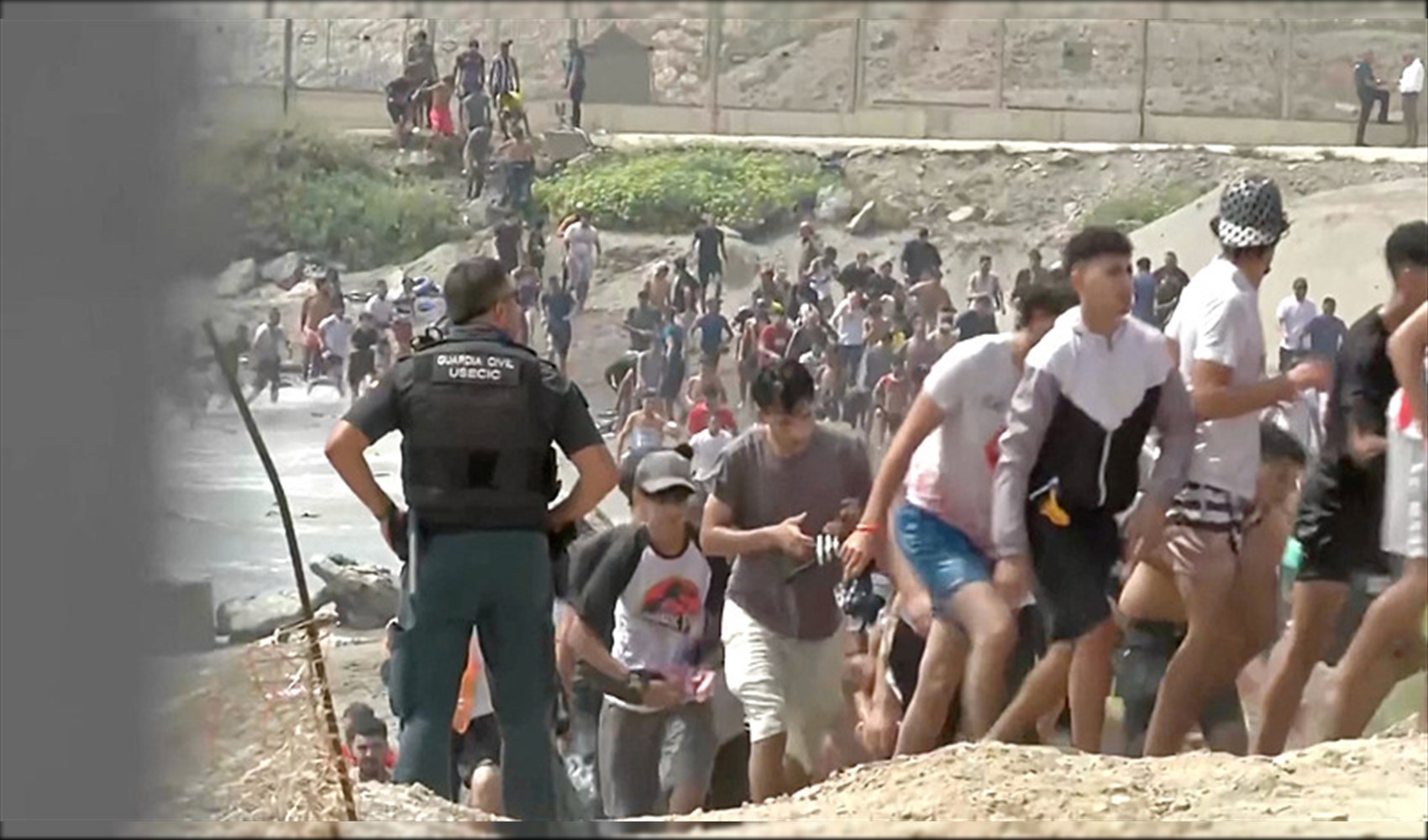
Although Spain is the only EU country with a land border with Africa, it emphasizes that its external borders are secure. The Madrid administration points out that Ceuta is already subject to different rules within the Schengen system and states that irregular migrants reaching the city cannot pass into continental Europe in an uncontrolled manner.
According to information provided by Ceuta's leader Juan Jesús Vivas, the number of people who entered Ceuta from Morocco at the end of July reached 78 thousand. Vivas said that the majority of these people returned to Morocco, and 3 to 5 thousand people remained in the city. Spanish officials state that there are approximately 1,400 children among those remaining. It is estimated that the number of people who lost their lives during the process is over 100.
In Italy, the Meloni government's decision is also associated with domestic politics by the opposition and some media outlets. It is commented that the government, which came to power with anti-migration promises, is trying to protect its far-right voter base ahead of the general elections to be held next year.
Spanish Minister of Youth Sira Rego also criticized Italy's stance with harsh words. Speaking to the newspaper La Repubblica, Rego said that Meloni seems "more interested in taking photos with Trump again than defending Europe's interests." Rego argued that far-right actors are united in a "threat and collapse" narrative regarding Ceuta.

The Rome administration, on the other hand, states that the controls do not target EU citizens and are intended to inspect non-EU citizens in the Schengen area. However, the fact that the controls are carried out "randomly" and the criteria used to select passengers have sparked debate.
The story of Italian citizen Leandro Tirreno, who was stopped at Rome Fiumicino Airport after a Barcelona-Rome flight, became a topic of discussion in both countries. Tirreno, whose mother is Filipino and father is Italian, expressed his discomfort with the practice, saying, "Even though I am an Italian citizen, I was stopped because of my physical appearance."
The disagreement, which became visible with the Ceuta crisis, also revealed the tension between different political lines within the EU regarding migration management and free movement. While Italy cites security as a justification, Spain argues that the practice is disproportionate.
News Source: 12punto