Compiled by: Suat TEKİN - 12punto.com.tr
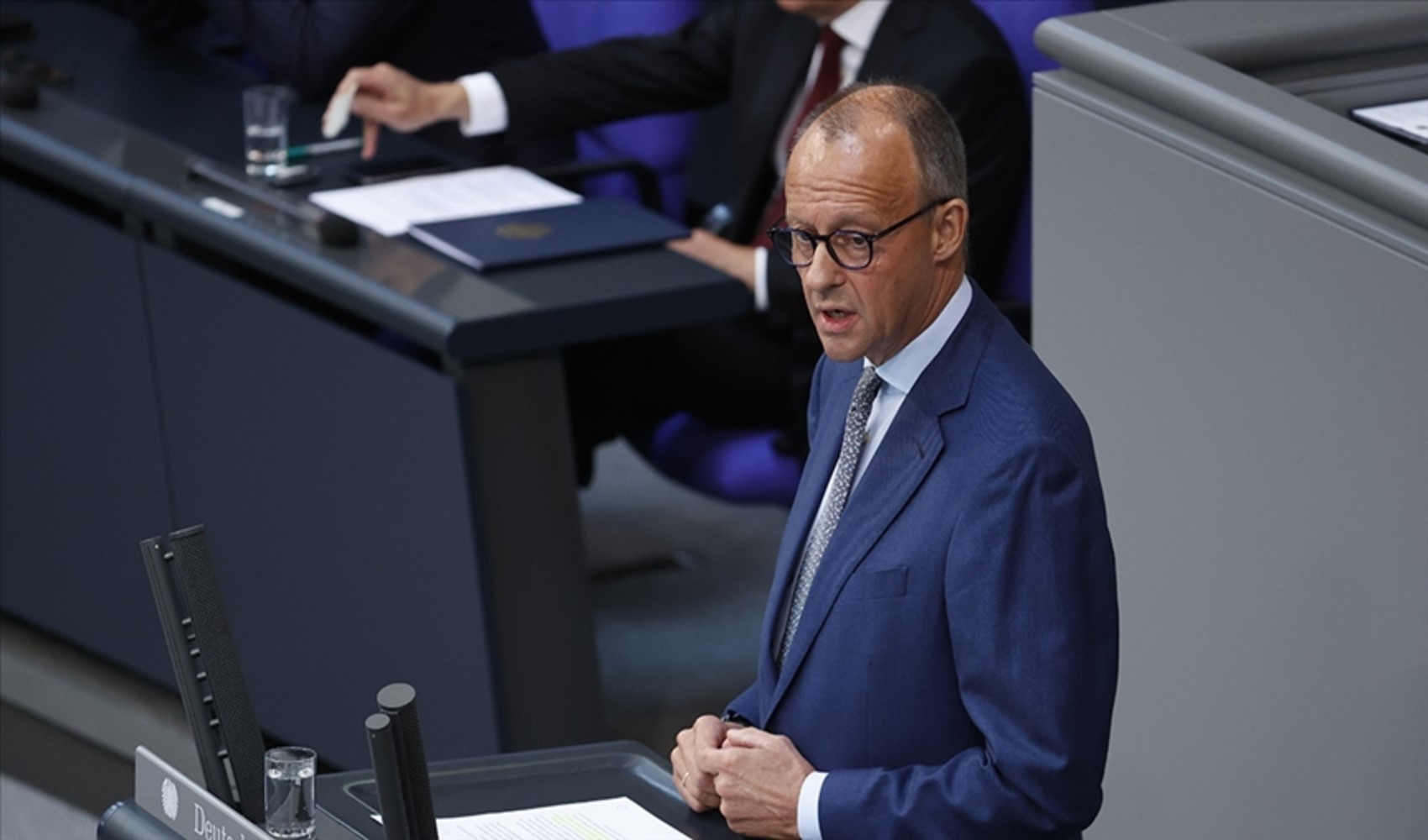
In Germany, the conservative CDU/CSU bloc led by Friedrich Merz, the winner of the elections, and the Social Democratic Party (SPD) completed their preliminary talks to form a coalition government on Saturday. The parties made joint commitments on issues such as combating illegal migration, supporting industry, and stimulating the economy.
Chancellor candidate Merz announced that he aims to finalize the coalition by Easter. Emphasizing that Europe must be prepared against the Russian threat, Merz called for urgent measures with the phrase, 'Five minutes to midnight.' He also pointed out that the US is no longer seen as a reliable ally under the Donald Trump administration.
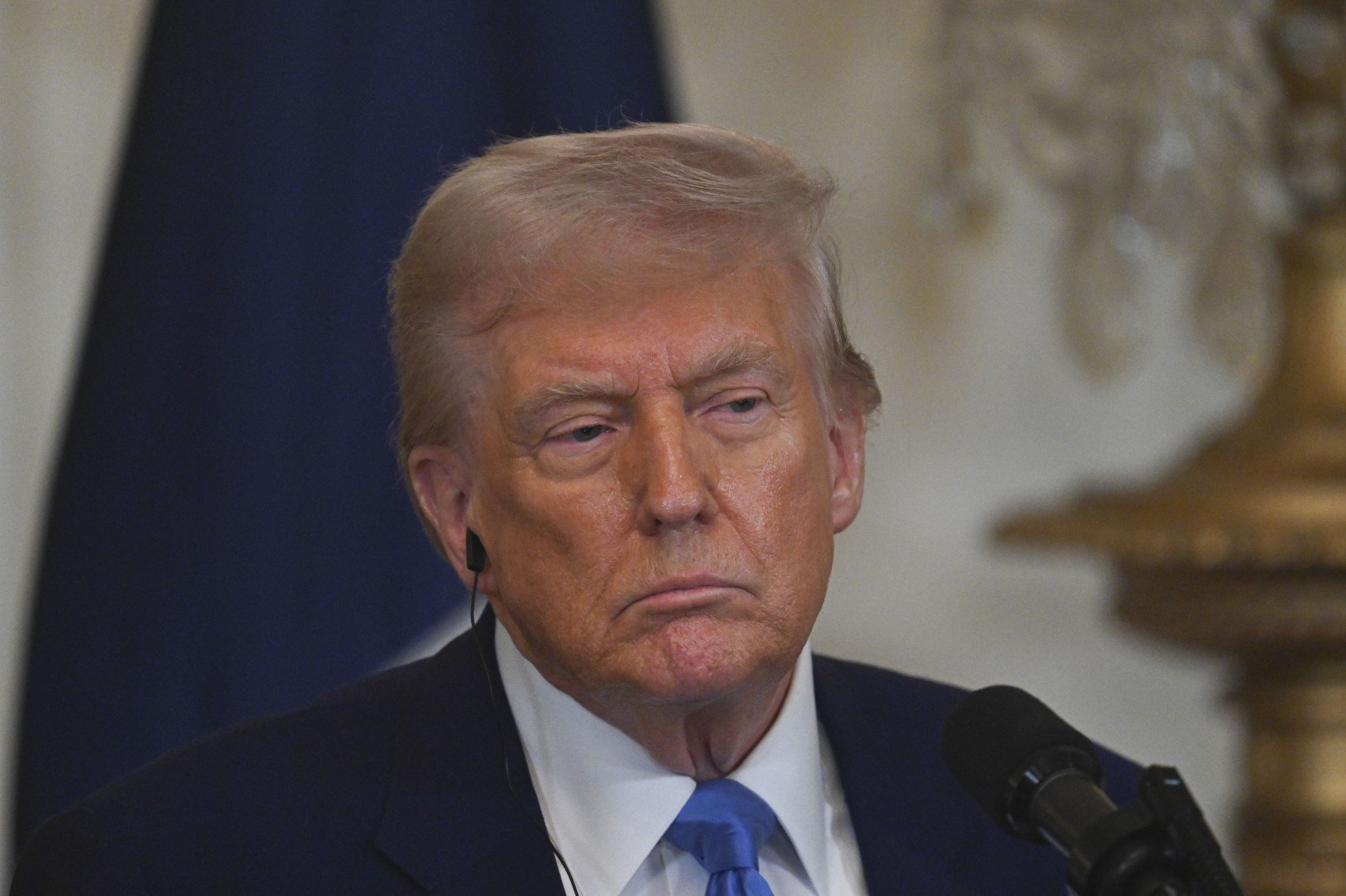
The German magazine Der Spiegel published an article suggesting that Trump views Europeans as 'inferior.' According to a public opinion poll published by the magazine, half of Germans no longer view the US as their ally.
PRIORITY ON DEFENSE SPENDING
The two parties plan to take steps in parliament next week to loosen Germany's debt limits. According to the European press, these steps aim to stimulate growth in Europe's largest economy and increase military spending. Merz stated that there is an urgent need for action, particularly regarding the budget of the Bundeswehr (German army).
According to a report by The Telegraph, Merz, who wants Europe to become 'independent' from the US in the field of defense, planned to increase the military budget by 500 billion dollars in 2025. The newspaper's commentary suggested that Merz's plan would turn Germany into the largest military power seen in Europe since World War II.
Coalition governments in Germany are usually formed in two stages. Parties first hold exploratory talks, then begin formal coalition negotiations. Following a tough election campaign, the CDU/CSU and SPD are trying to find common ground on issues such as migration, social welfare payments, and economic reforms.
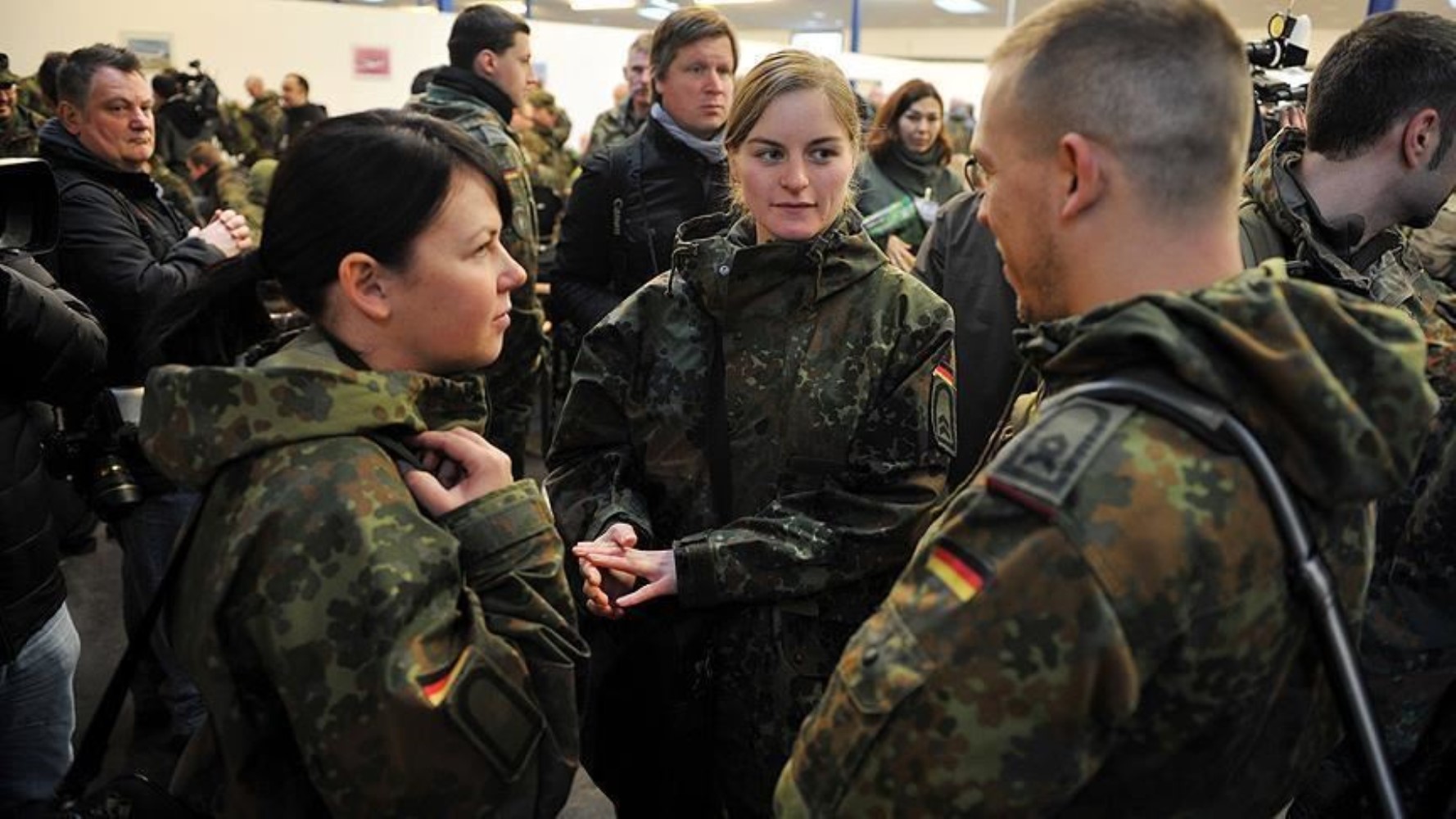
The Bundeswehr currently has around 180 thousand personnel. If Merz's plan is implemented, this number could rise to around 500 thousand by 2026.
EMPHASIS ON COMBATING ILLEGAL MIGRATION
Merz announced that stricter measures will be taken to combat illegal migration and that there will be cooperation with other European Union countries. He also stated that Germany needs to increase economic growth by 1-2 percent and reduce energy costs.
Reuters claimed that Merz advocates a 'tough stance' on combating illegal migration. Merz advocated for the revocation of citizenship rights for 'foreigners' who have dual citizenship but 'arrived in the country with illegal immigrant status.'
Underlining that they will not allow the asylum seeker problem to grow, Merz added the following:
'In coordination with our European neighbors, we will turn away people at our common borders, including asylum seekers.'
SPD Co-Chair Lars Klingbeil emphasized that Germany needs more success stories in the field of migration, but that illegal migration must also be reduced. Bavaria State Premier Markus Soeder also announced that social welfare payments will be reformed and that benefits will be cut for those who are capable of working but choose not to.
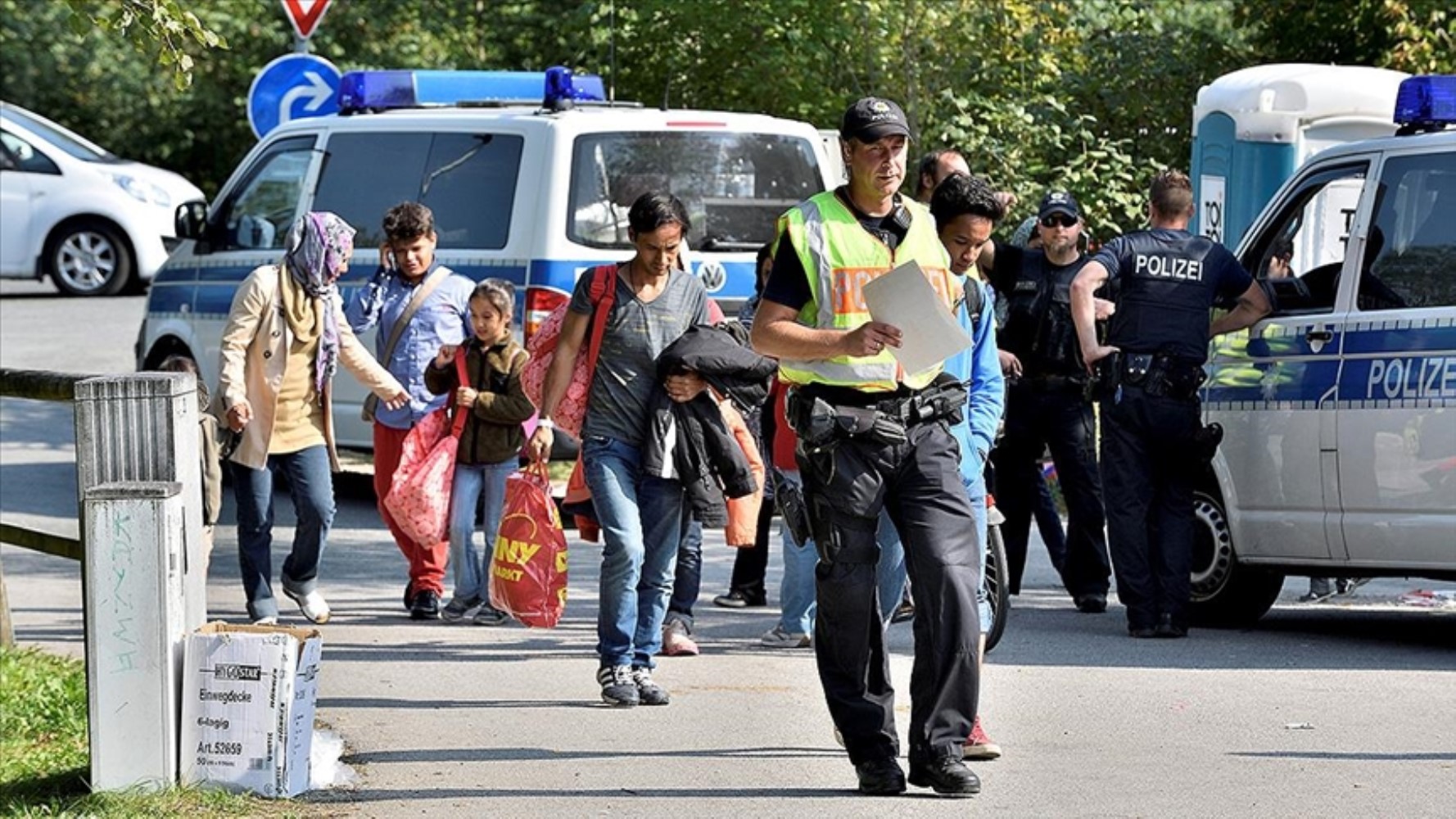
The previous coalition government led by the SPD in Germany launched inspections at all of the country's land borders to prevent the entry of illegal immigrants. As part of the decision, inspections were also carried out at borders between Germany and EU members.
DECISION TO SUPPORT THE ECONOMY
The German economy has been trending toward contraction for the last two years. The automotive sector, in particular, is facing major challenges. The parties agreed on measures such as support for e-mobility and easing penalties if car manufacturers exceed carbon emission standards.
According to a report by Der Spiegel, changes to the 500 billion euro infrastructure fund and state debt rules will be discussed in parliament in the coming days. These steps signal a significant change in Germany's approach to fiscal discipline.
Loosening the strict rules applied after the 2008 global financial crisis could have a positive effect on the markets. Evaluating the first round of coalition talks, Gitta Connemann, President of the SME and Economic Union, said, 'Our companies can improve their performance with affordable energy, competitive taxes, and reduced bureaucracy.'
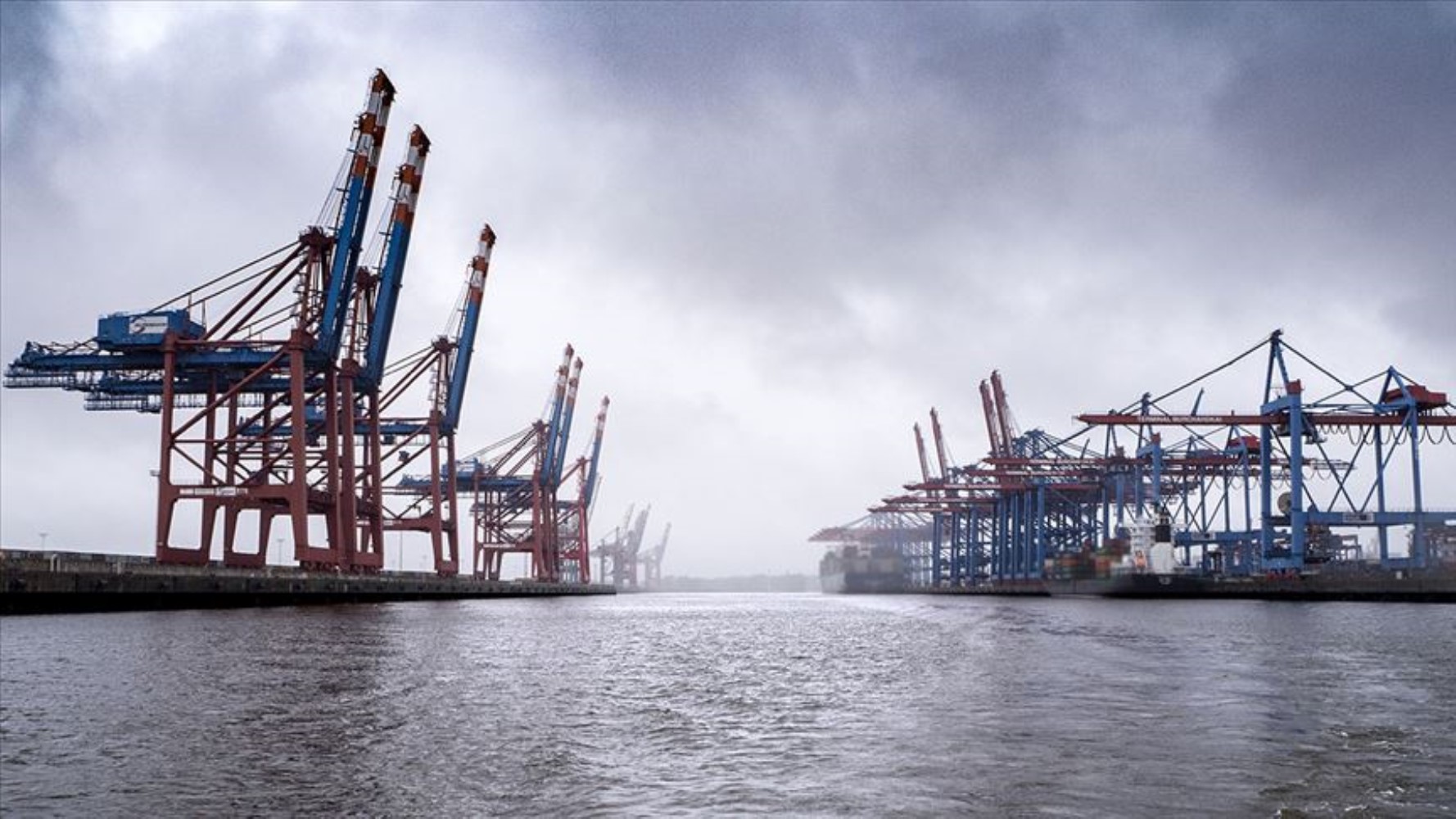
Despite its social and economic problems, Germany has maintained its position as the world's 3rd largest economy. While German industry ensures the country remains Europe's largest manufacturing economy, official authorities state that there is a labor shortage of around 400 thousand people in the country every year.
THE GREENS' SUPPORT IS CRITICAL
It was stated that Merz and the SPD need the support of the Green Party to implement the measures. Merz announced that intensive talks will be held with the Green Party next week. However, the leaders of the Greens expressed that there are significant differences between them and the coalition partners.
Green Party Co-Chair Franziska Brantner emphasized that she has reservations about supporting the new ruling coalition, stating:
'We see that the partners in the coalition talks want to fill their coffers to be able to finance their election promises.'
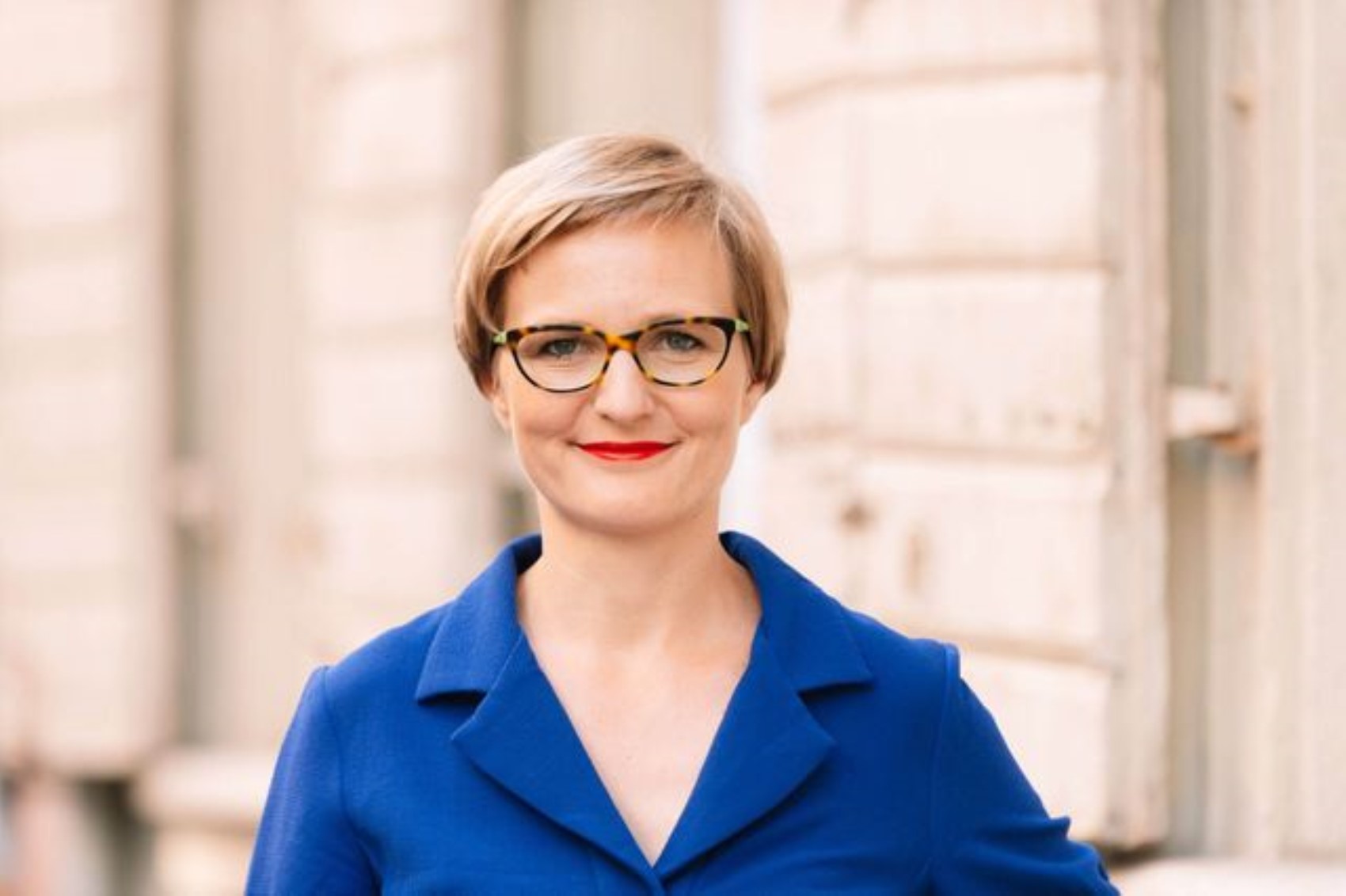
Green Party Co-Chair Franziska Brantner
MINIMUM WAGE BARGAINING
In a report by Artı49, it was reported that the CDU/CSU and SPD have also agreed to increase the minimum wage to 15 Euros in the medium term. The minimum wage, which is currently 12.82 Euros per hour, will be increased gradually until 2026. In addition, the scope of collective bargaining will be expanded, and companies receiving public tenders will be required to comply with collective wage agreements.
The process of forming a coalition government in Germany will continue with intensive negotiations in the coming weeks. The parties are continuing their work to make critical decisions for the country's economic and political future.
News Source: 12punto