As the political crisis in France continues, French President Emmanuel Macron recently appointed former Foreign Minister and former EU Brexit Chief Negotiator Michel Barnier, from the center-right, as prime minister, refusing to appoint a joint candidate from the left after the leftist New Popular Front alliance won the elections.
Macron's move sparked major protests and reactions across the country. Following this, the first news of a resignation from France has arrived.
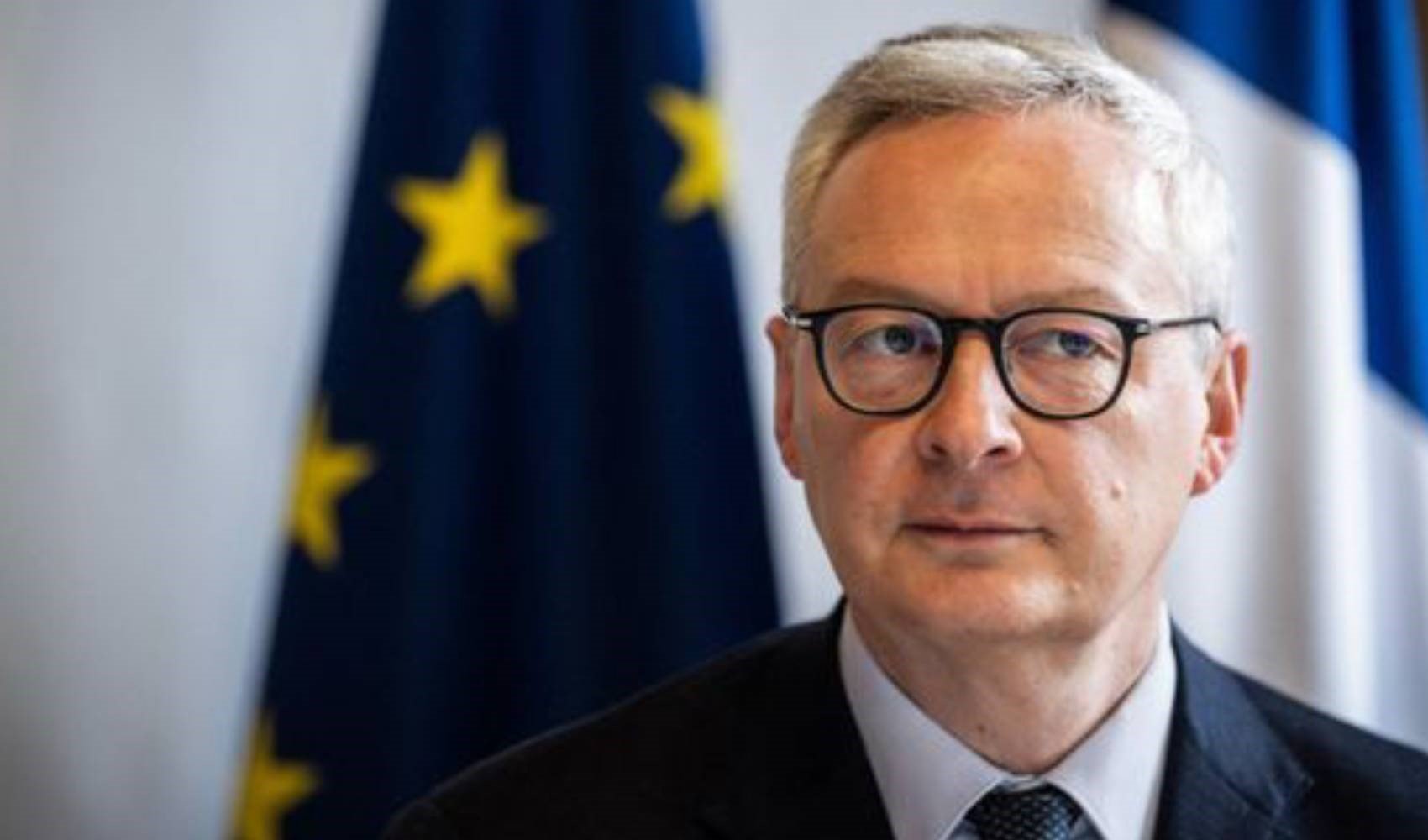
French Finance Minister Bruno Le Maire resigned from his post today and stated that he would be leaving politics.
Addressing 1,200 people gathered for his farewell speech, Le Maire said, "My dear friends, I am leaving. As Michel Sardou said, I love you, but I am going."
The Republican politician, who was appointed finance minister more than seven years ago, fought particularly against France's budget deficit during his tenure.
In 2023, France's public sector budget deficit expanded more than the government had planned, showing a fiscal deficit of 5.5 percent of economic output.
This rate, which is significantly higher than the government's 4.9 percent target, is attributed to France's low growth figures and declining tax revenues.
Speaking earlier this year, Le Maire had said, "Public finances need to be reorganized. This will require great determination, strategy, and composure."
Credit rating agency S&P downgraded France's rating at the end of May due to the country's budget deficit, signaling that French bonds had become riskier.
This was the first rating downgrade France had seen since 2013.
WHAT HAPPENED?
Le Maire's intention to get public finances back on track was upended by the recent parliamentary elections held in France.
The far-left New Popular Front (NFP) party became the largest party with 182 seats. President Emmanuel Macron's centrist party, Ensemble, which includes Bruno Le Maire, came in second with 168 seats. The far-right National Rally (RN) party and its allies secured 143 seats.
As no party achieved an absolute majority, France's political path remains uncertain.
Macron appointed conservative Michel Barnier as the country's new prime minister, but Barnier has not yet formed a government.
In a statement this Wednesday, Barnier said that France would have a new government "next week," but leaders of the left-wing coalition NFP announced that they would not support any government not led by them.
In his resignation speech, Le Maire thanked the ministers who worked with him during his time as finance minister.
In his speech on Thursday, Le Maire said, "We chose fiscal stability over volatile taxes; we restored value to work against the humiliation of the middle classes. We initiated the reindustrialization of our regions against mass offshoring. We made France the most attractive country in Europe against criticisms directed at France."
News Source: 12punto