 1 / 11
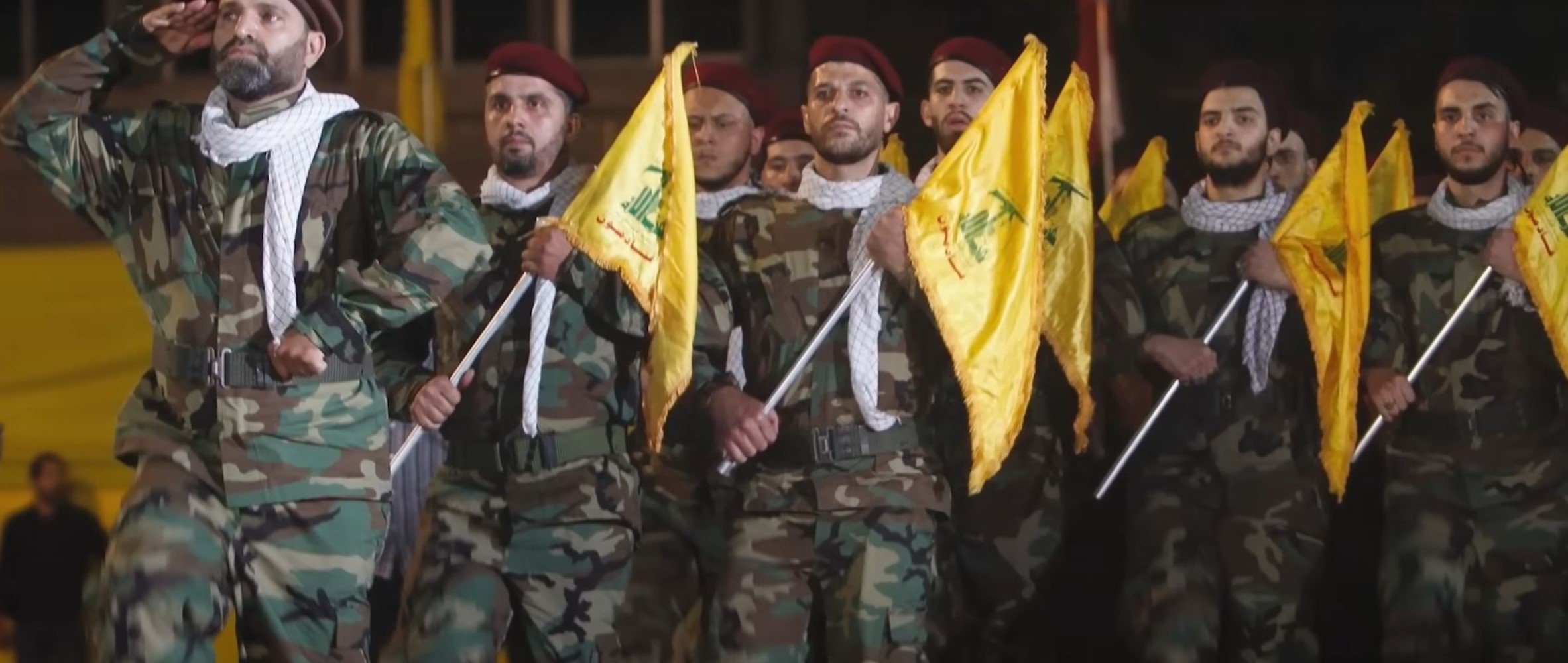
Hezbollah was founded in Southern Lebanon during the Lebanese Civil War (1975-90) to resist the Israel Defense Forces (IDF) entering the war and occupying Lebanon from the south. The organization consisted of militia fighters drawn from Southern Lebanon's predominantly Shia Muslim population. They had been inspired by the religious populism of the Iranian Revolution just a few years earlier in 1979.
 2 / 11
When the civil war ended, Hezbollah continued to pressure the IDF, which remained as an occupying force in Southern Lebanon, and positioned itself as the defender of the Lebanese cause against Israeli aggression. After the withdrawal of Israeli forces in May 2000, territorial disputes and Israel's detention of Lebanese nationals were among the issues that led to cross-border clashes between Hezbollah and the IDF.
 3 / 11
In January 2004, Israel released hundreds of prisoners, mostly Palestinians and Lebanese, in exchange for an Israeli businessman and the bodies of three Israeli soldiers captured by Hezbollah in October 2000.
THE KIDNAPPING OF ISRAELI SOLDIERS AND THE 34-DAY WAR
 4 / 11
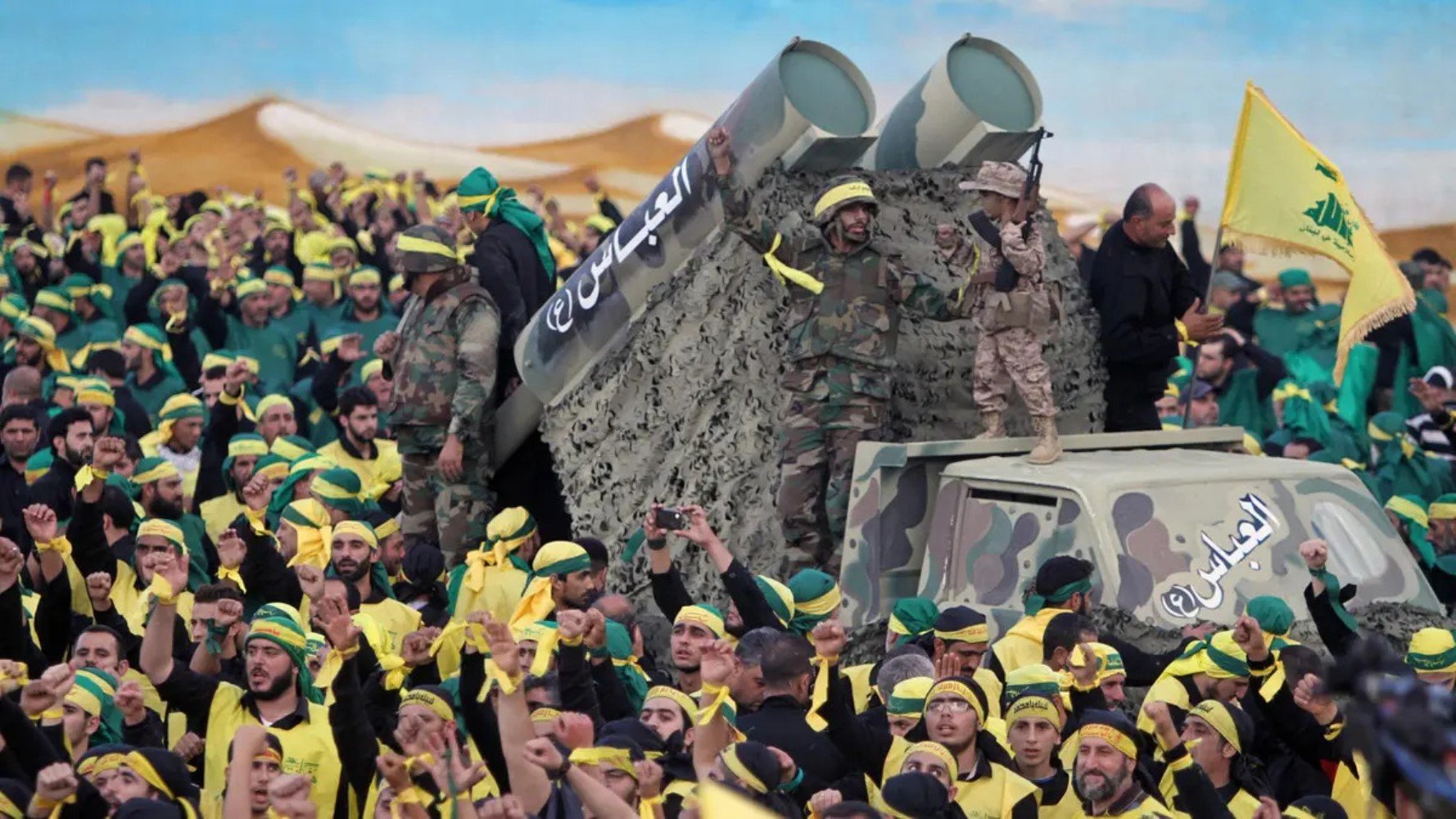
On the morning of July 12, 2006, Hezbollah diverted the attention of the IDF with a rocket attack on northern Israel and the infiltration of Hezbollah militants across the border. During the operation, eight Israeli soldiers were killed and two were abducted. Hezbollah leader Hassan Nasrallah had hoped that the two abducted Israeli soldiers would make negotiations for another prisoner exchange possible.
 5 / 11
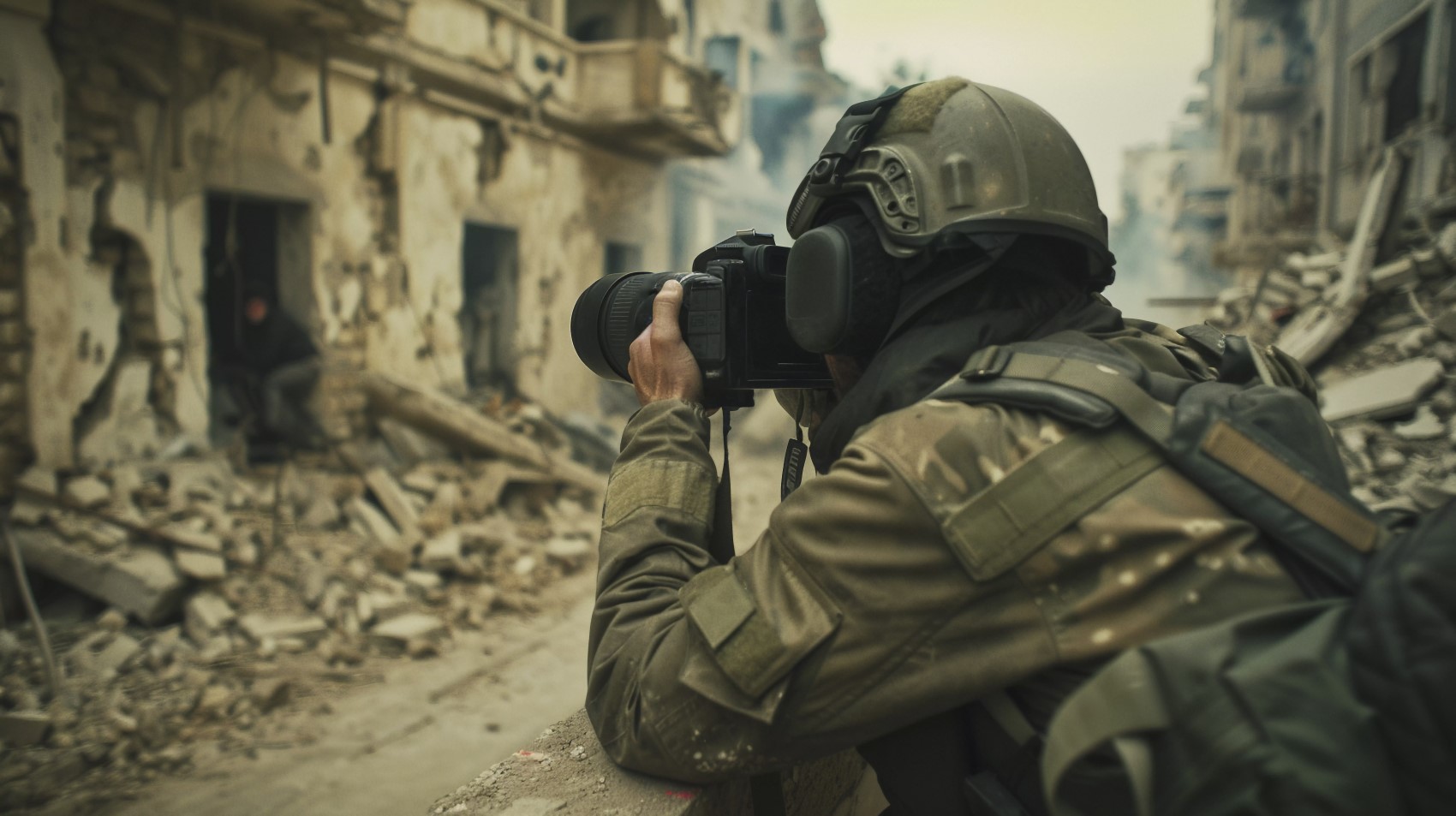
However, Nasrallah had underestimated Israel's determination to disabuse Hezbollah of the notion that it could attack soldiers with impunity.
 6 / 11
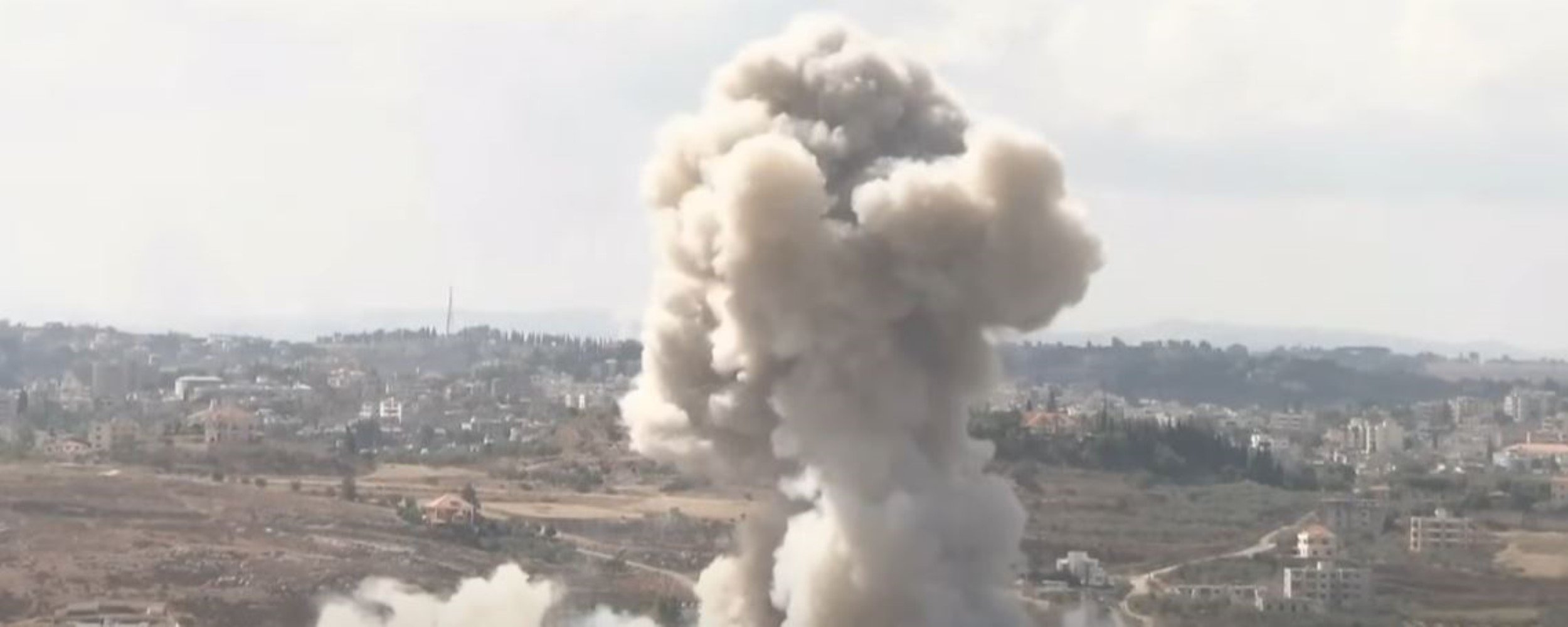
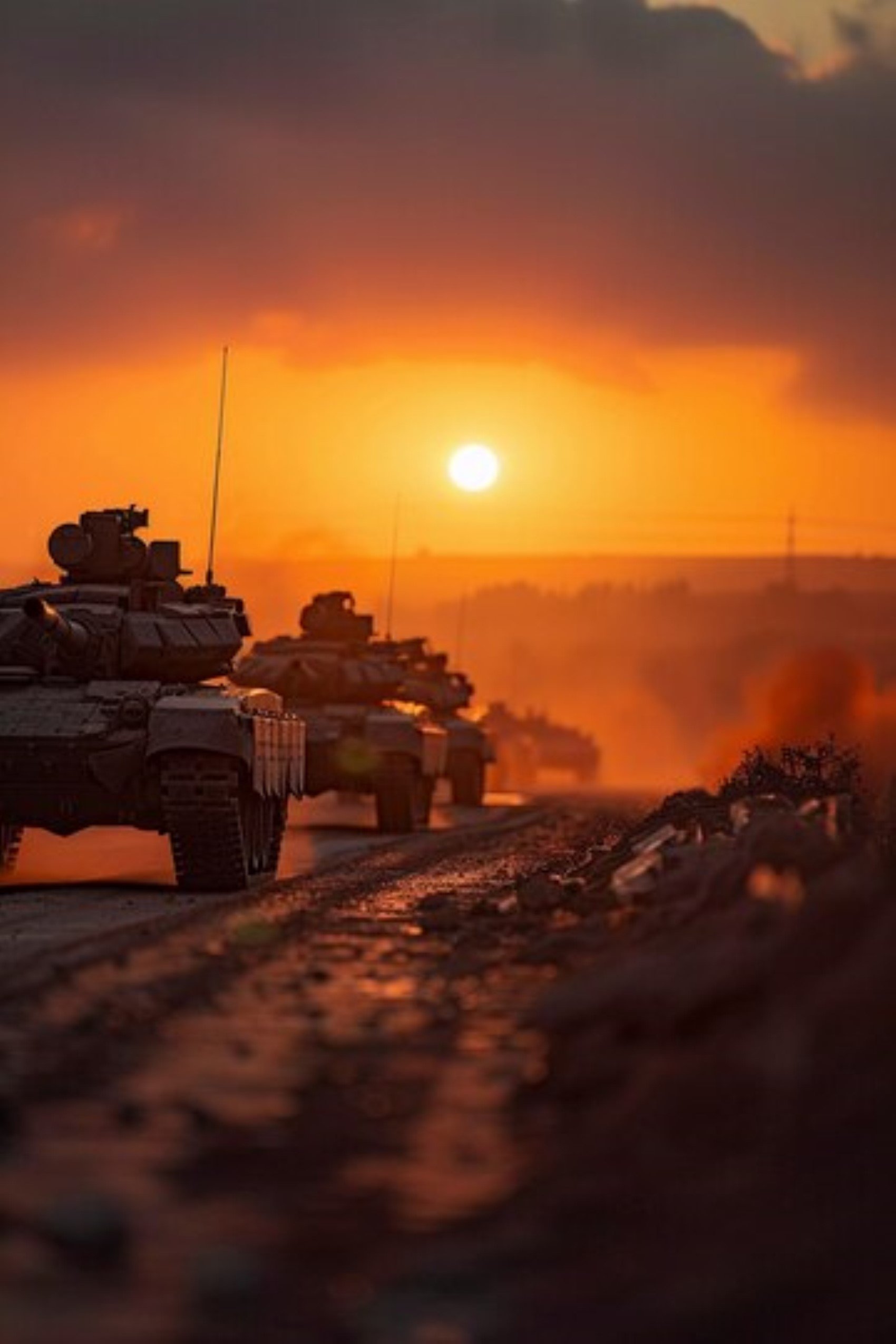
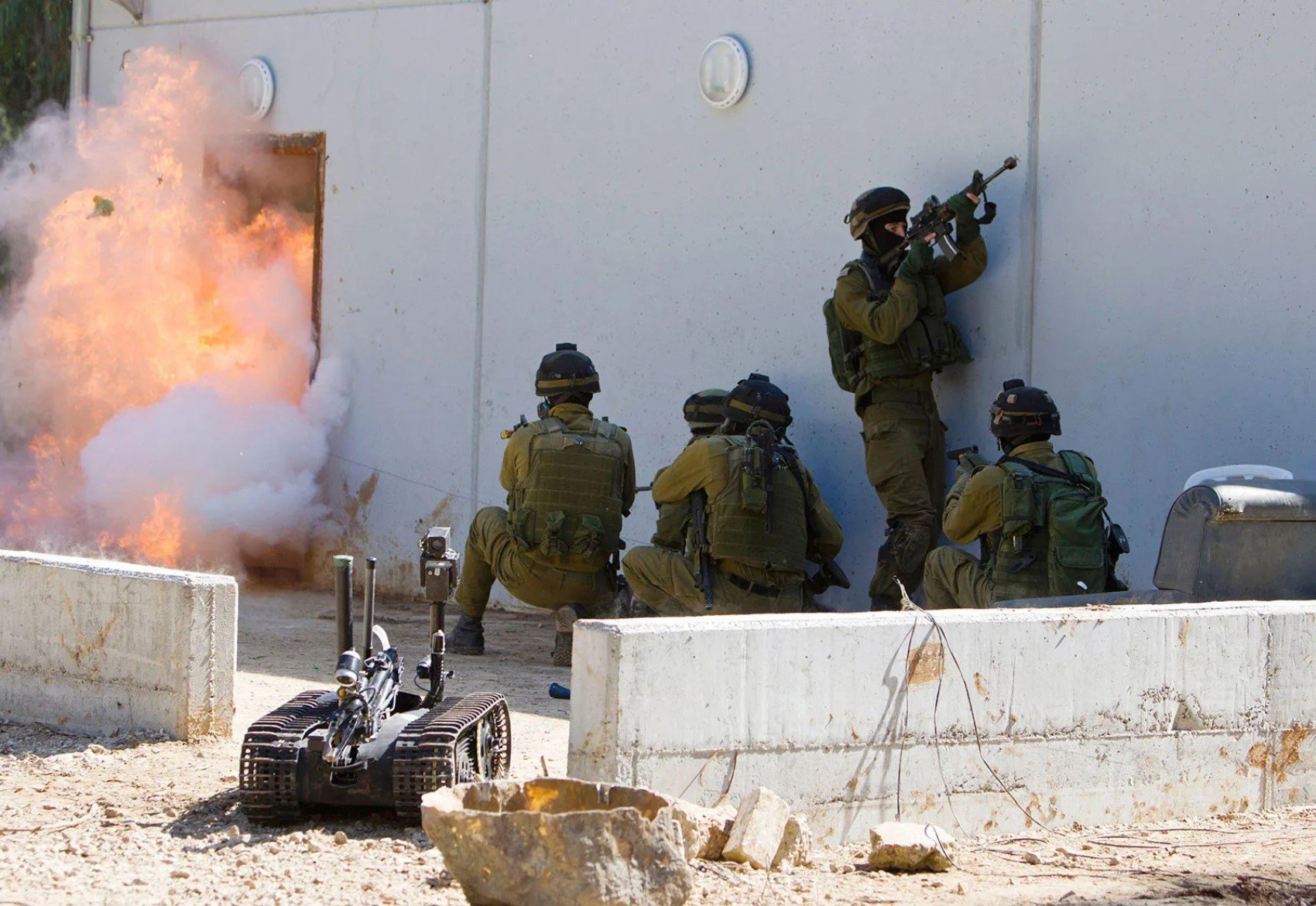
Israel has launched a major air operation to prevent soldiers from being abducted from the country and to stop new military supplies from reaching Hezbollah; it has bombed Hezbollah headquarters and rocket depots in Beirut, militia positions and rocket launchers in the south, as well as strategic targets such as the Beirut airport, roads, and bridges.
 7 / 11
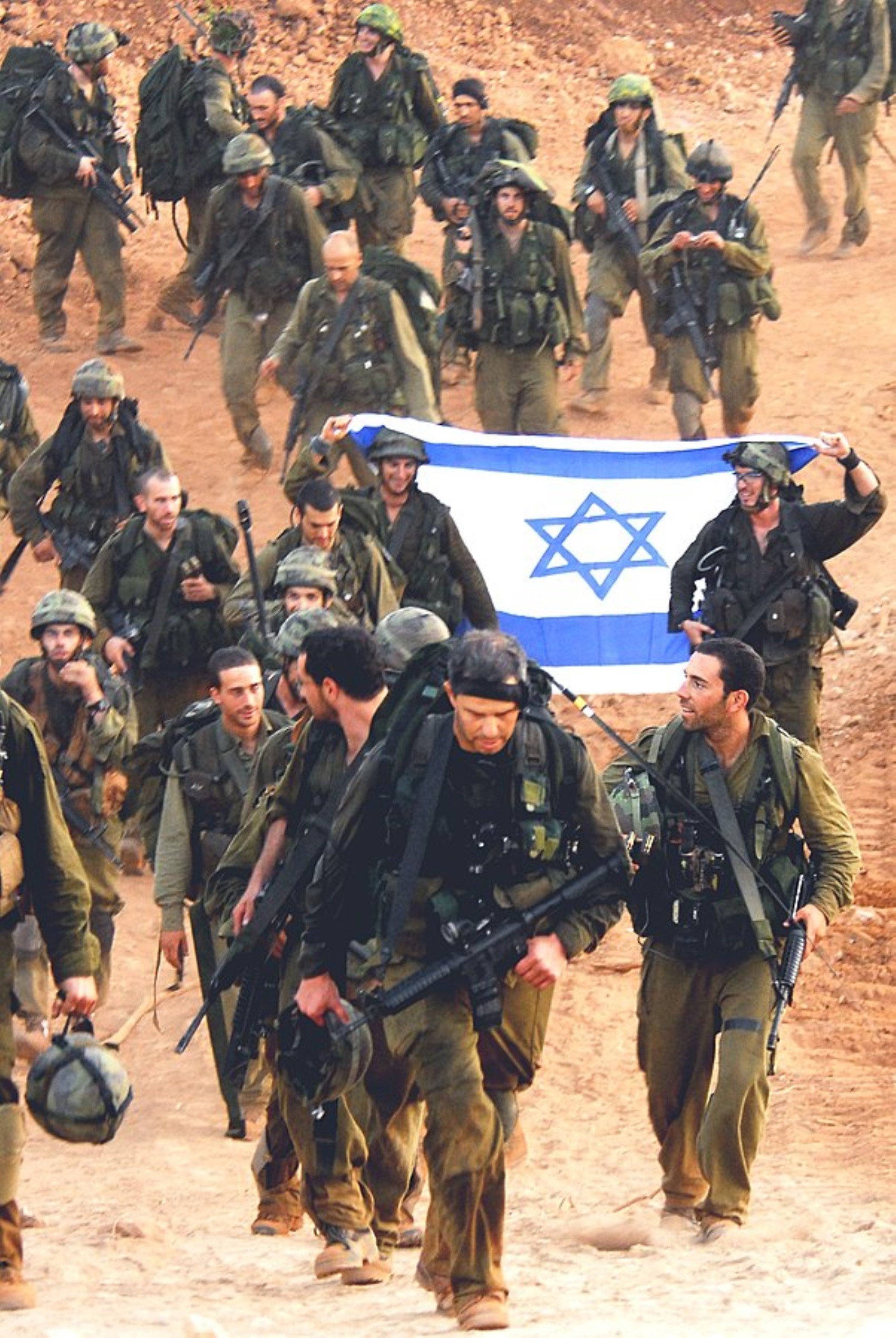
The initial airstrikes were extremely effective. On the night of July 12, in just 39 minutes, the Israeli air force destroyed most of Hezbollah's Iranian-made Zelzal long-range rockets and the militia's valuable strategic weapons.
The intense aerial bombardment forced Hezbollah leaders to go underground and inflicted damage on elite militia fighters. The attacks also resulted in the deaths of hundreds of civilians.
 8 / 11
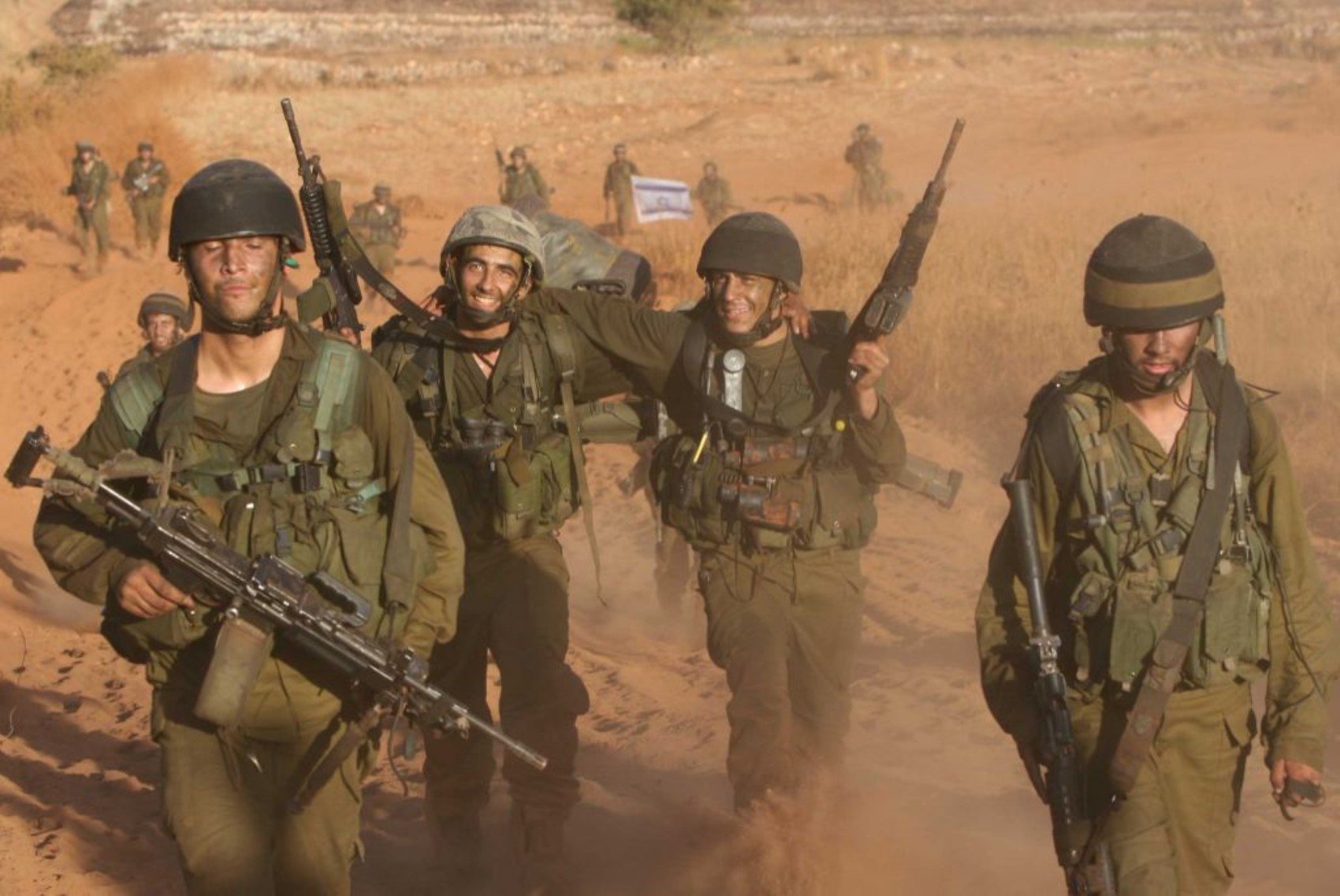
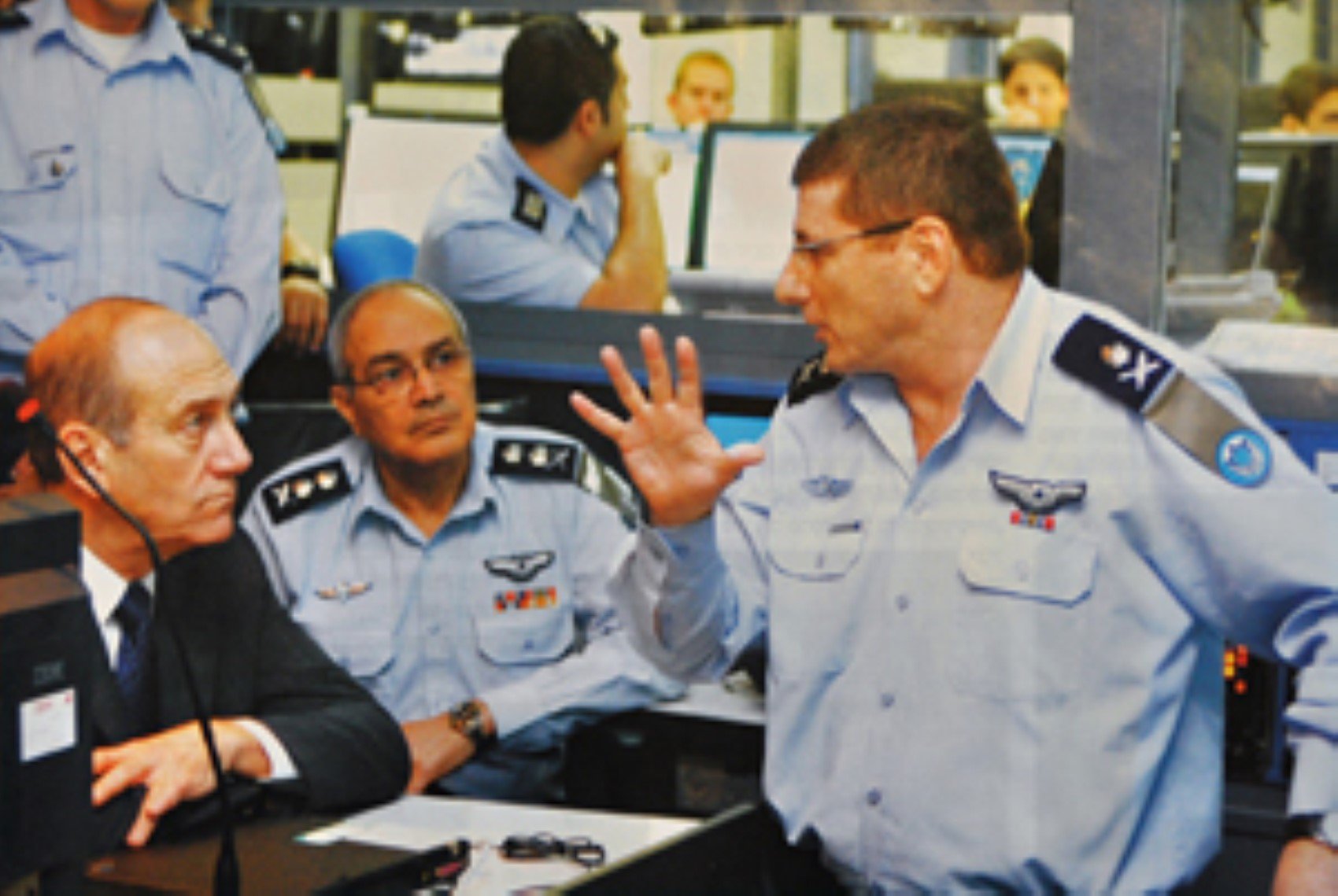
Meanwhile, airstrikes failed to stop the relentless rocket attacks on northern Israel. On July 22, a comprehensive ground offensive began to push Hezbollah north of the Litani River and away from the Israeli border.
However, rising military casualties and the IDF's inability to suppress Hezbollah led to significant criticism within Israel regarding the handling of the war.
HOW WAS THE CEASEFIRE ACHIEVED?
 9 / 11
Hostilities ended on August 14 after Israel, Hezbollah, and the Lebanese government accepted the terms of United Nations (UN) Security Council Resolution 1701.
The resolution called for an immediate ceasefire, the deployment of Lebanese troops and UN peacekeepers to southern Lebanon, the withdrawal of the IDF and Hezbollah from the same region, and the disarmament of Hezbollah.
 10 / 11
Israeli officials believed that the decision met most of its objectives, even though the soldiers kidnapped on July 12 remained under Hezbollah's custody.
Hezbollah's ability to establish front lines with the IDF and fight without retreating allowed it to declare victory in Lebanon and be seen as a hero throughout much of the Arab world.
AFTER THE WAR
 11 / 11
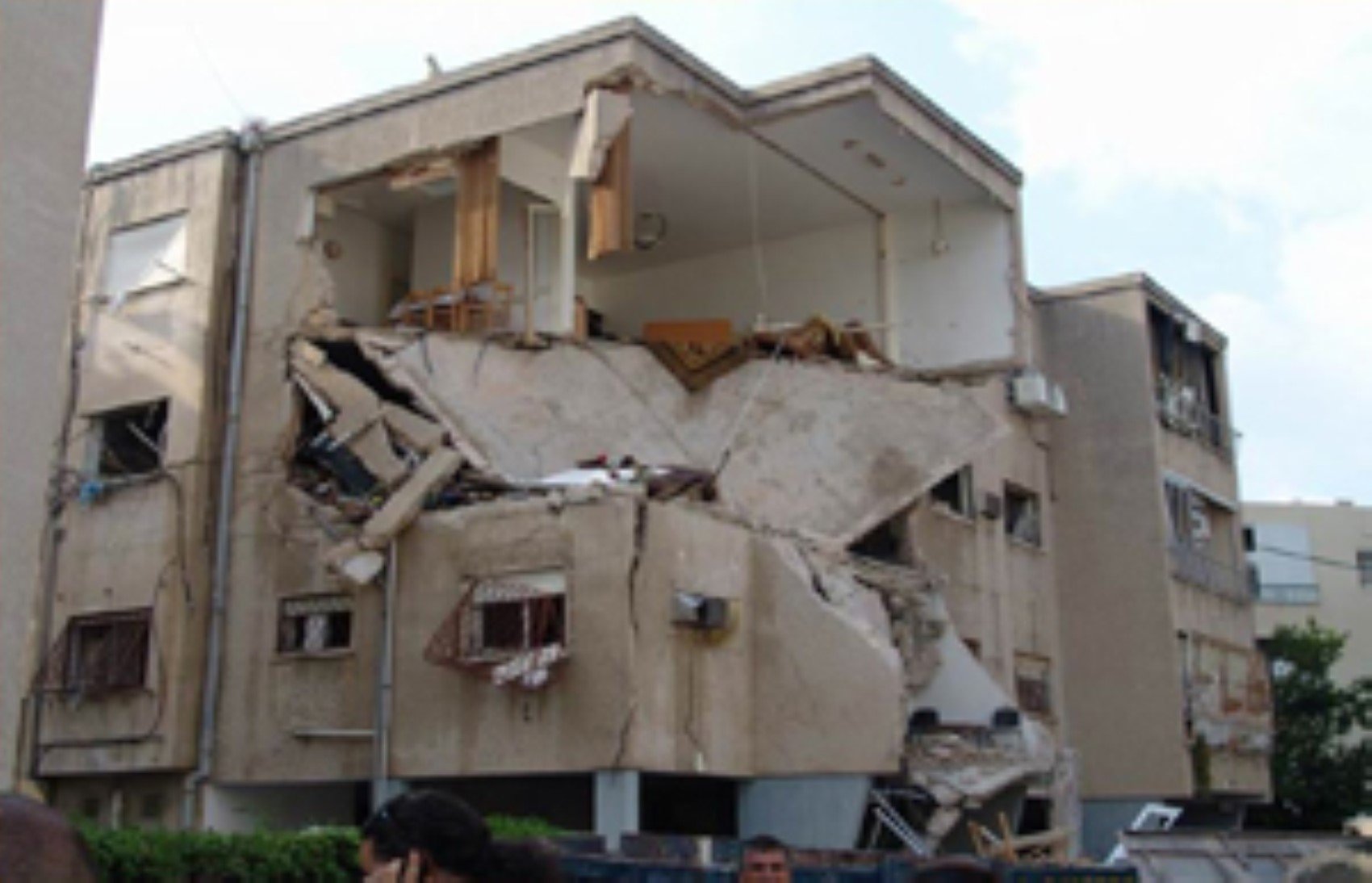
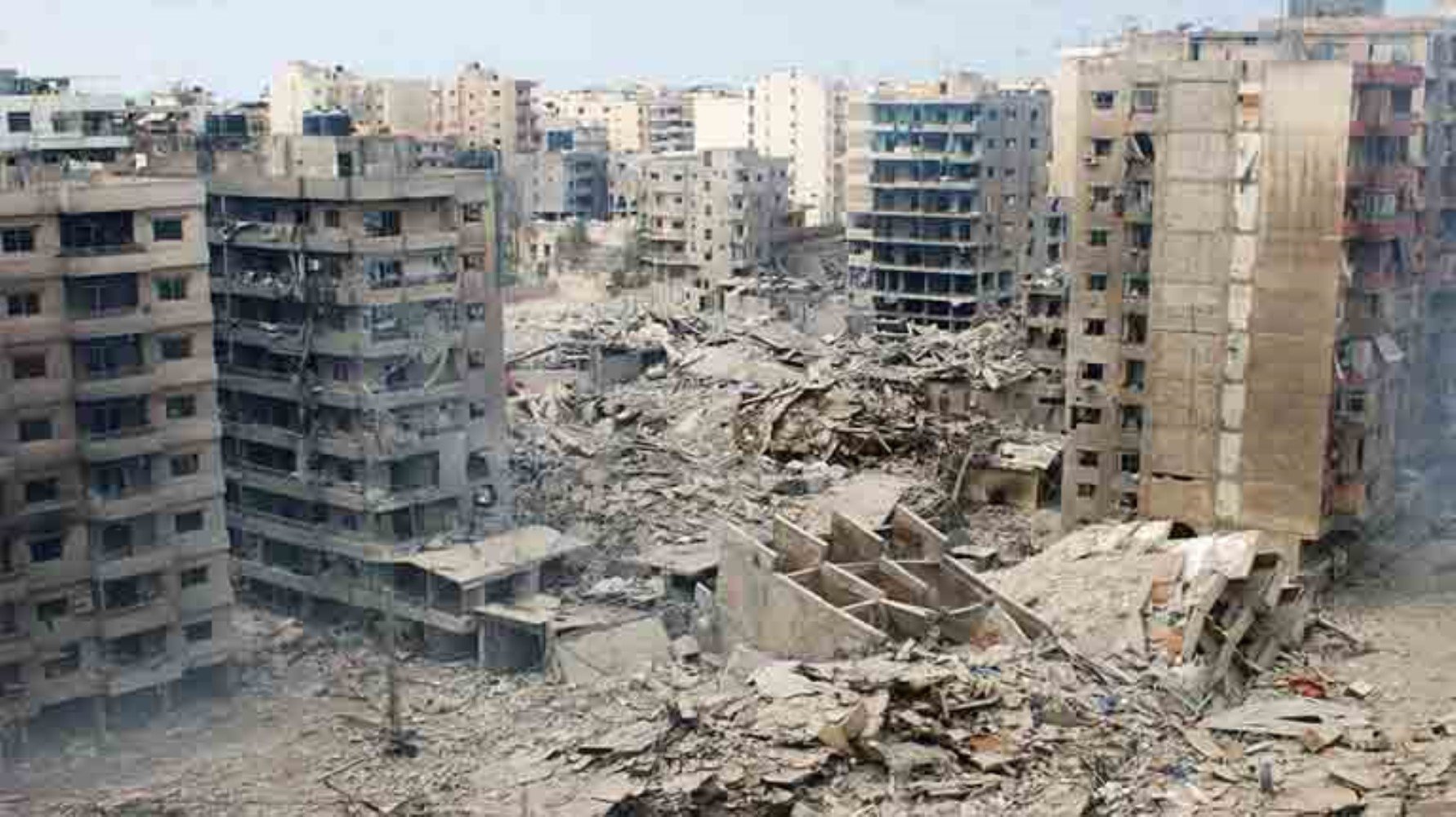
During the war, approximately 120 IDF soldiers and more than 40 Israeli civilians were killed. At the same time, more than 1,100 Lebanese civilians and Hezbollah fighters lost their lives.
The war caused extensive damage to infrastructure in Southern Lebanon. Tens of thousands of civilians were forced to leave their homes due to the war.
The Winograd Commission, which was convened in Israel to investigate the events and war crimes that occurred during the conflict, published a report in January 2008 that harshly criticized the Israeli leadership's wartime decision-making processes.
In July 2008, following negotiations mediated by the UN, the bodies of the abducted soldiers were returned to Israel in exchange for five Lebanese prisoners and the remains of approximately 200 Lebanese individuals.
News Source : 12punto