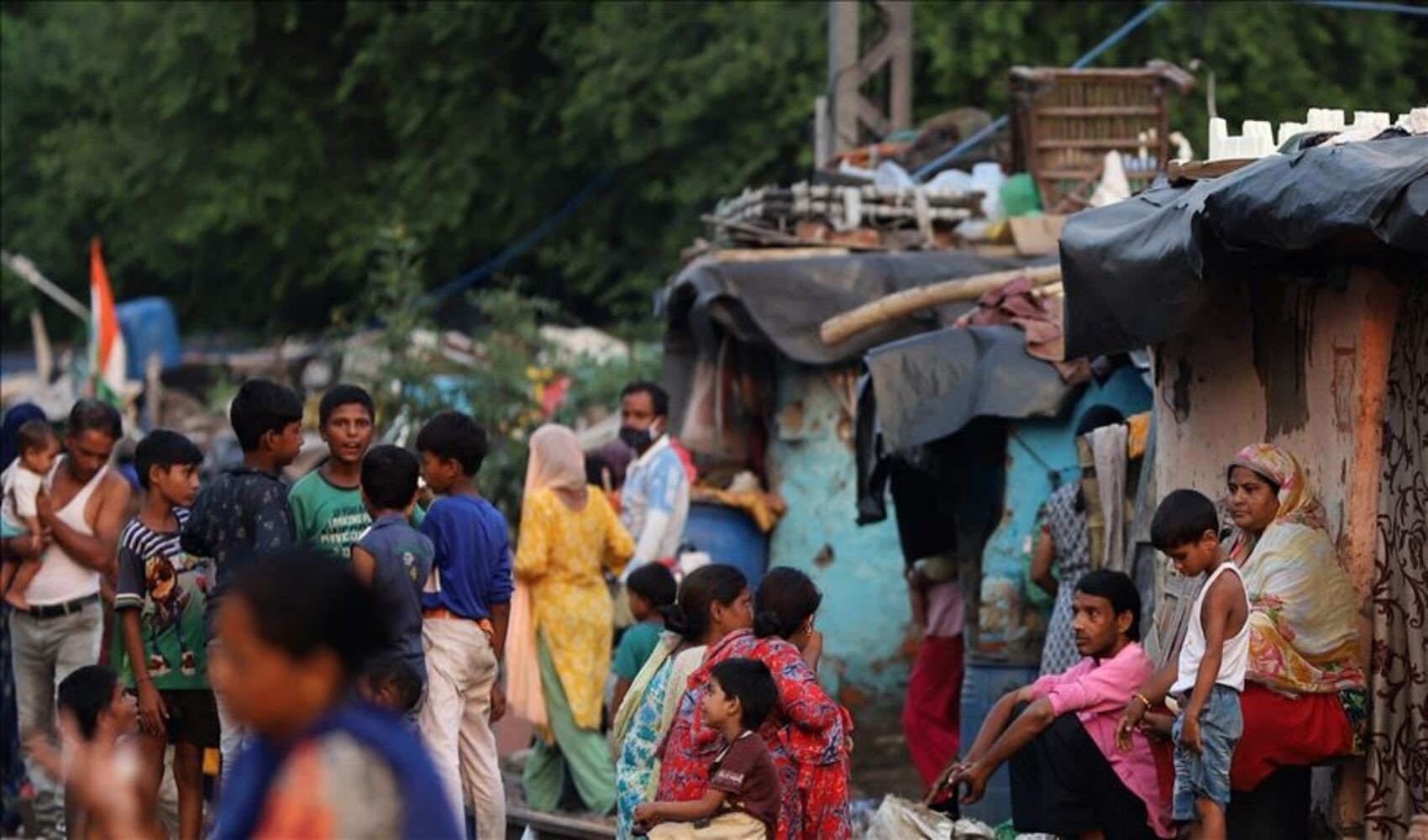
In the Indian state of Bihar, at least 80 homes belonging to the 'Dalits,' the 'lowest' class that has almost no rights in the traditional caste system, were set on fire by unidentified individuals, with 21 homes completely reduced to ashes.
According to a report by the Hindustan Times, approximately 100 unidentified people set fire to 80 homes in the Nawada district of Bihar, where Dalits, who represent the lowest class in the country, reside.
In the incident, 21 homes belonging to the Dalits—who are referred to as untouchables and possess almost no rights in the traditional caste system—were completely destroyed, while 59 homes were damaged.
Police officials stated that there were no casualties or injuries in the incident, noting that 15 suspects have been detained and the cause of the incident is being investigated.
Mallikarjun Kharge, President of the opposition Indian National Congress (INC) party, reacted to the attack, accusing the administration of Prime Minister Narendra Modi of failing to protect the Dalits.
Former Chief Minister of Uttar Pradesh and leader of the Bahujan Samaj Party (BSP) Kumari Mayawati, in a statement made on X, condemned the burning of the poor Dalits' homes, stating, 'The government must take strict measures against the perpetrators and provide financial support to the victims.'
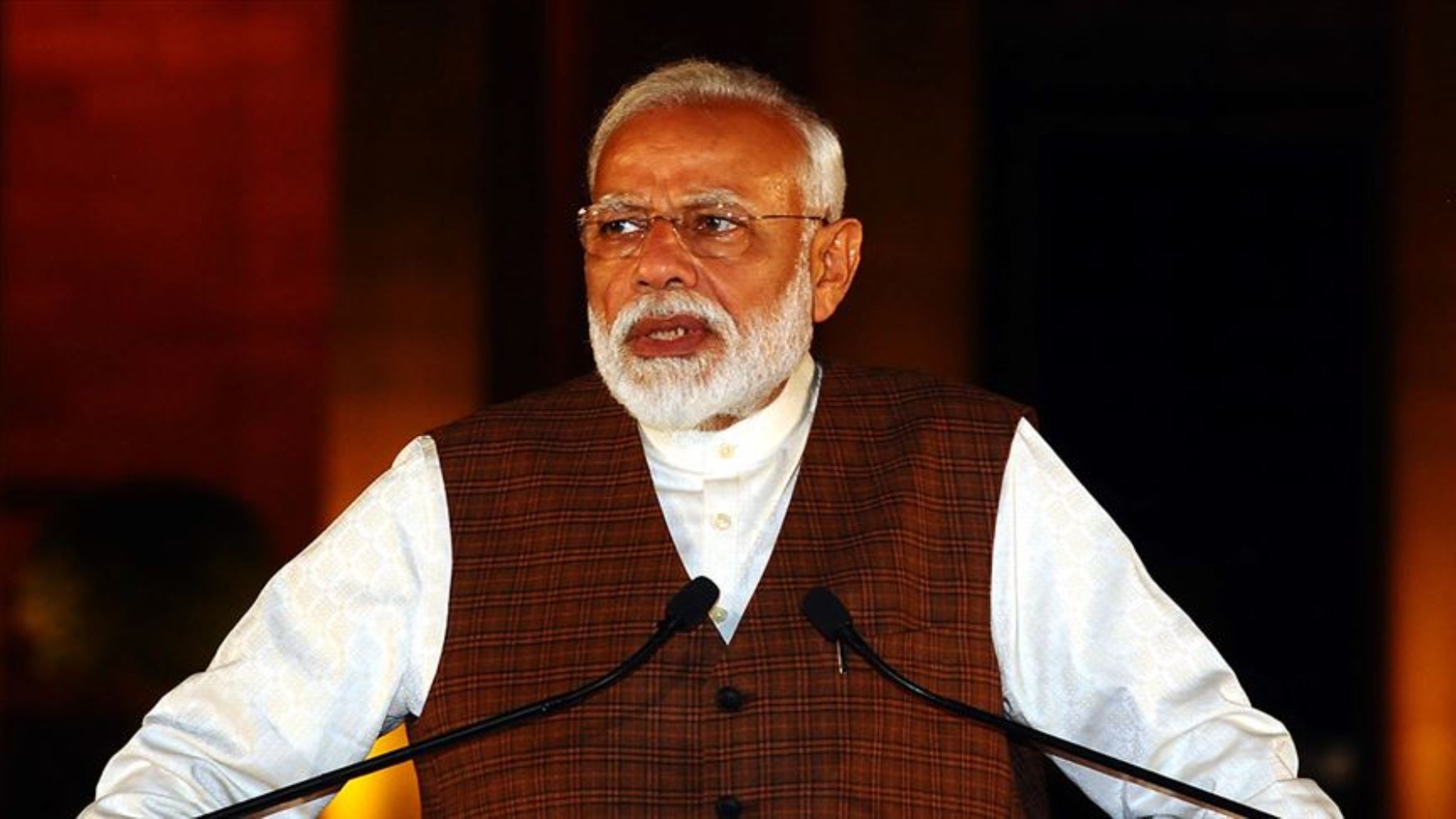
Indian Prime Minister Narendra Modi has ordered an investigation to find those responsible
WHAT IS THE CASTE SYSTEM?
The caste system, which expresses the existence and maintenance of a form of stratification in society as described in Hindu scriptures, forms the basis of the social order in the country. It is stated that the Manu Smriti (Laws of Manu), one of the Hindu scriptures, has played an important role in the systematization of this structure.
In this system, which has continued for thousands of years, society is divided into 4 classes: Brahmins (priests), Kshatriyas (warriors-rulers), Vaishyas (merchants), and Shudras (servants-peasants).
Hundreds of intermediate castes formed as a result of inter-caste marriages are also included in this system. Children inherit the caste of their parents at birth, and the system is thus passed down from generation to generation.
WHO ARE THE DALITS?
Dalits, on the other hand, are traditionally outside these four castes and the system, and are seen as the lowest class of society.
It is notable that Dalits, who are expected to be excluded by other groups in the Laws of Manu, are significantly prevented from communicating with members of upper castes and are kept away from basic social interaction phenomena such as shaking hands with others or going out after certain hours.
Both the Laws of Manu and what is written about Dalits in various Hindu scriptures have a significant influence on the formation of a 'hardly questioned' oppression against Dalits in society.
News Source: AA