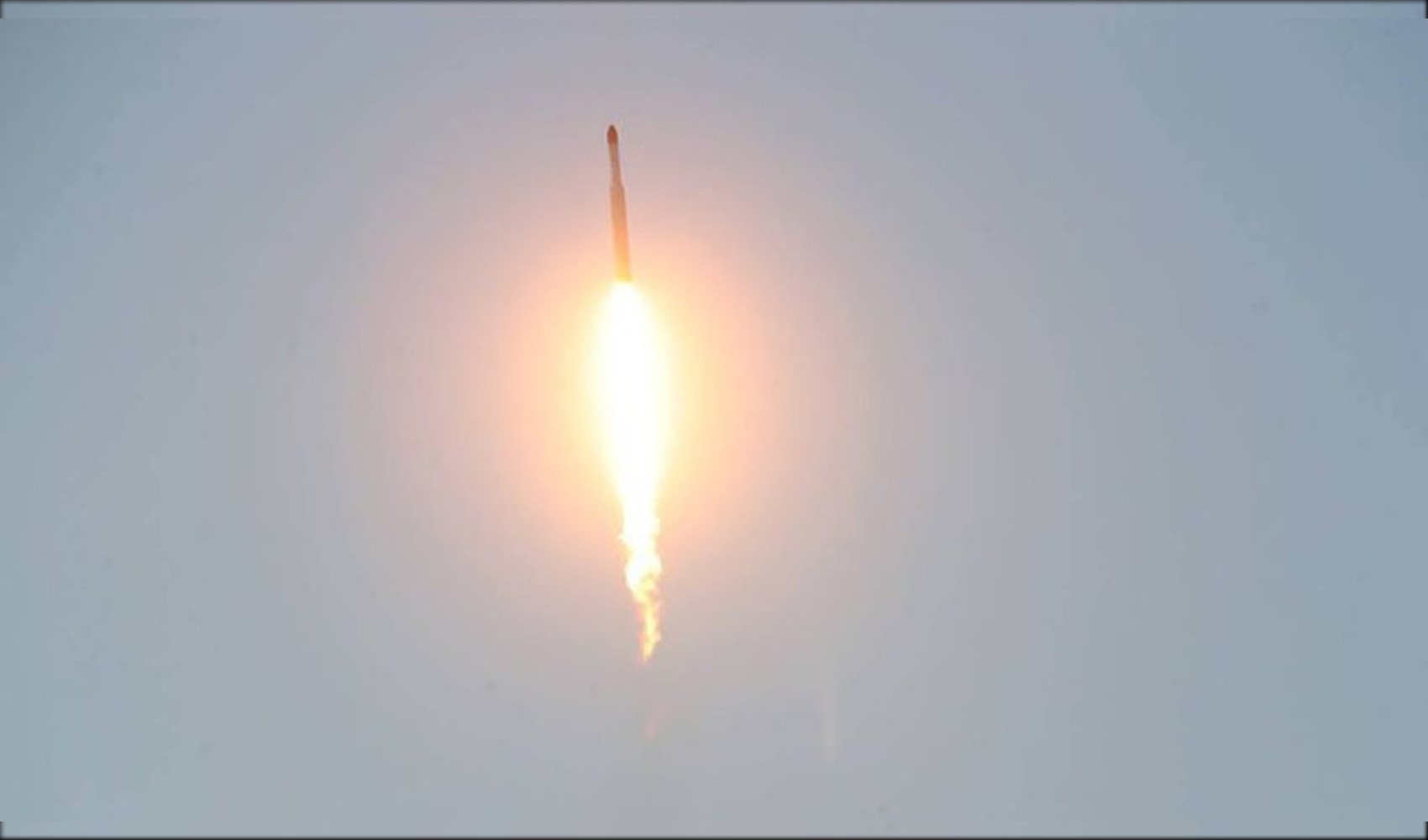
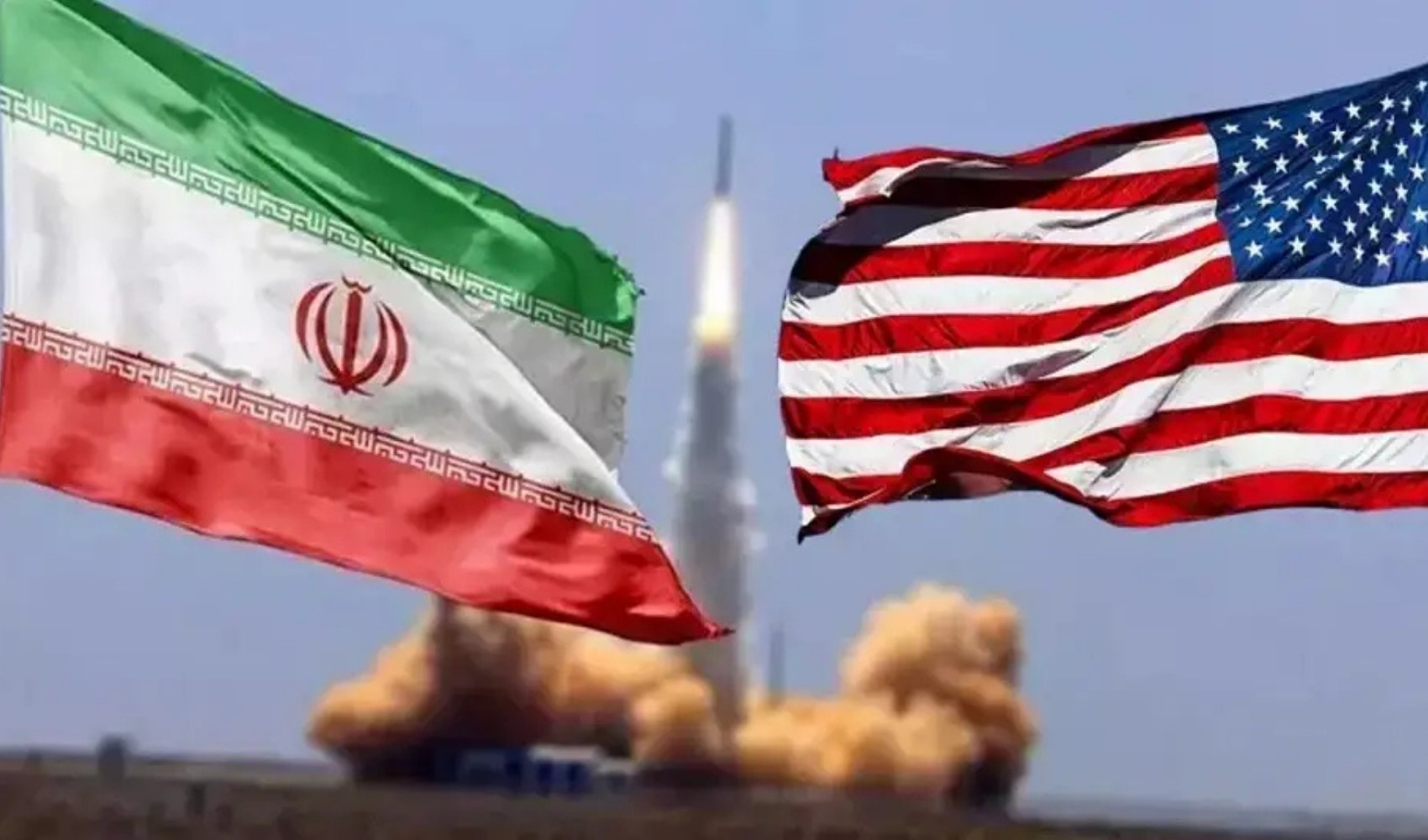
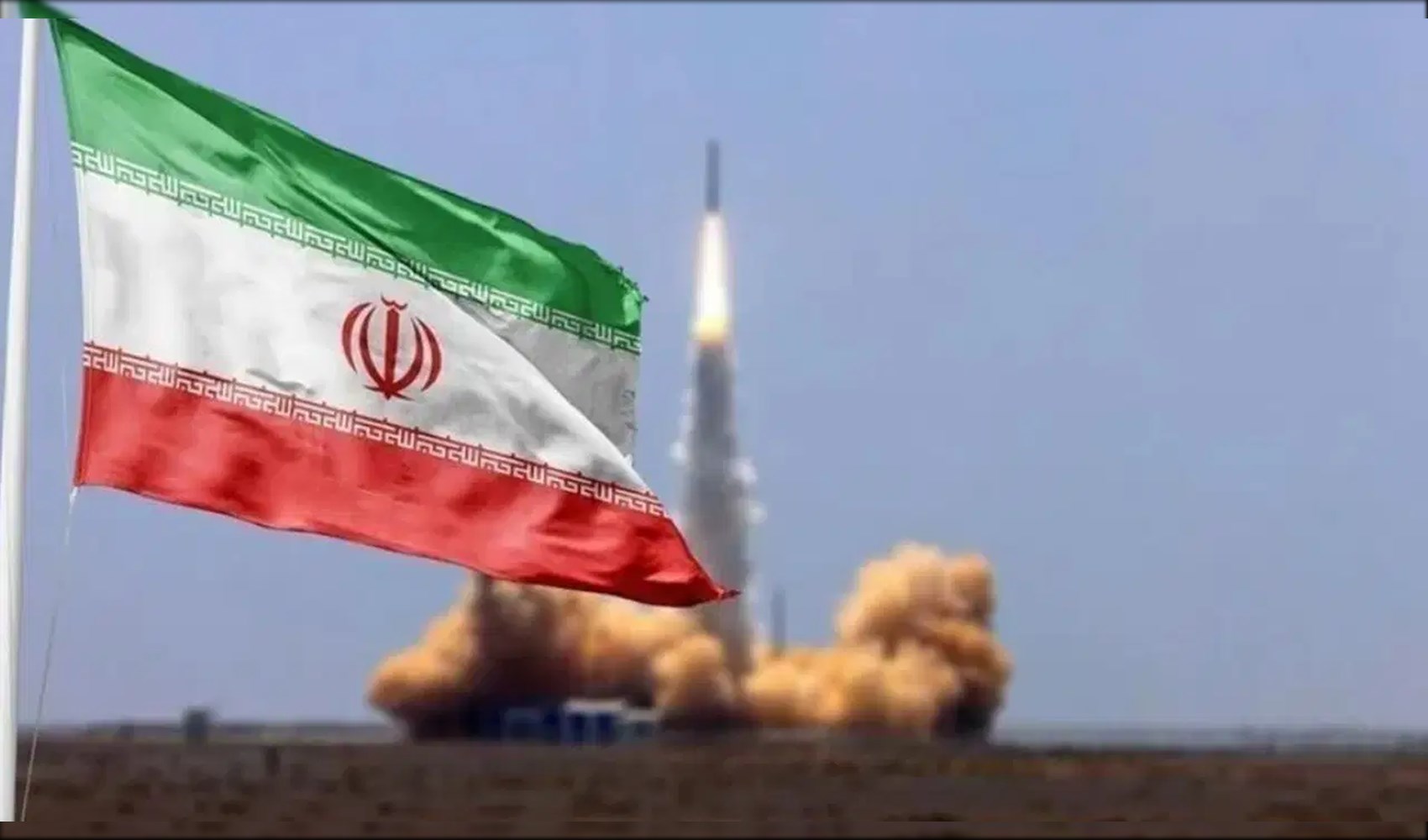
Iran’s missile attack on a US base in Jordan has once again escalated tensions between Washington and Tehran. According to a report by Sözcü, while this step may seem to contradict the possibility of a ceasefire at first glance, it is assessed that Tehran is prioritizing the option of “controlled conflict” as part of a broader strategic calculation.
According to the analysis, the Iranian administration, while not wanting to bear the cost of an all-out war, may believe that a long-term, low-intensity tension could open up space for diplomatic and economic pressure. In this equation, the goal is not military victory, but rather to keep uncertainty alive regarding the US, regional energy pipelines, and international maritime traffic.
CALCULATION TO AVOID ALL-OUT WAR
It is stated that under current conditions, neither the US nor Iran is willing to engage in a comprehensive war. For Washington, a larger regional conflict could mean the targeting of energy infrastructure, a rise in oil prices, the involvement of new countries in the process, and further strain on US military resources.
The picture is similarly risky for Iran. Weakened air defenses, fragile industrial infrastructure, and an economy struggling under sanctions increase the cost of a large-scale war. For this reason, it is assessed that Tehran finds a limited conflict zone, where it can exert pressure without crossing the threshold of war, more favorable.
The report emphasizes that a long-term ceasefire may not automatically be a better option for Iran. This is because, in such a scenario, a US naval blockade of Iranian ports, sanctions, and Iran’s continued exclusion from international energy markets could persist.
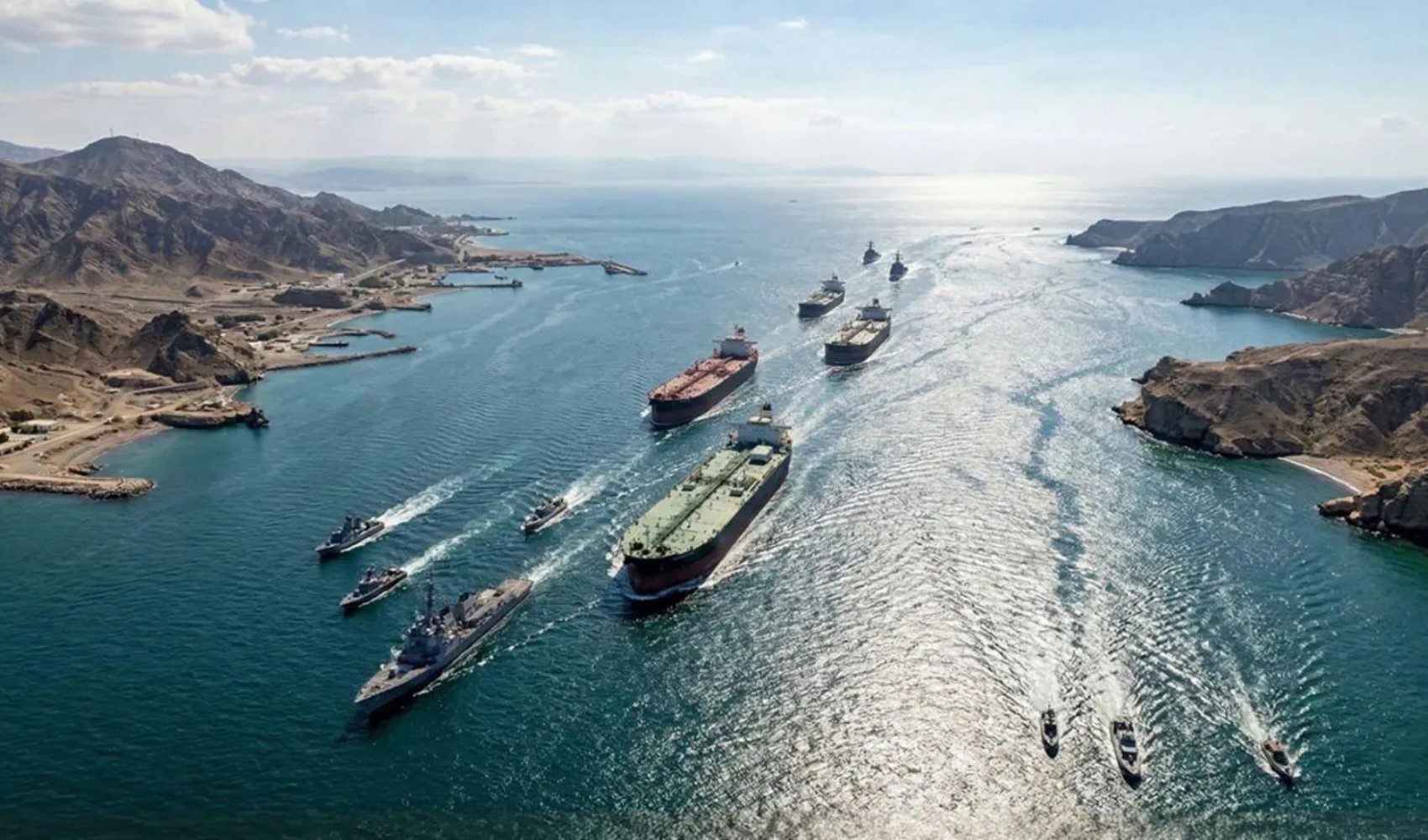
In contrast, limited conflict can increase uncertainty around the Strait of Hormuz and the Bab el-Mandeb, impacting global shipping, insurance costs, and energy markets. The continued pressure on the Bab el-Mandeb line through the Houthis is also considered one of the regional extensions of this strategy.
STRAIT OF HORMUZ AND DIPLOMATIC PRESSURE
It is stated that one of Tehran’s goals is to change the framework of potential diplomatic negotiations. Interpretations suggest that Iran wants the acceptance of rules that reflect its own influence rather than unrestricted freedom of navigation in the Strait of Hormuz.
If this reading is correct, Iran may not be aiming for maritime traffic to return to the pre-war status quo when the crisis ends, but rather for a new balance to be established in which its own demands are taken into account. The continuation of limited conflict could provide Tehran with the opportunity to exert pressure for this goal.
Domestic political calculations may also be part of this strategy. Iran is facing high inflation, unemployment, economic difficulties, and public discontent. During periods of external conflict, governments can find it easier to increase security measures and legitimize pressure on domestic opposition.
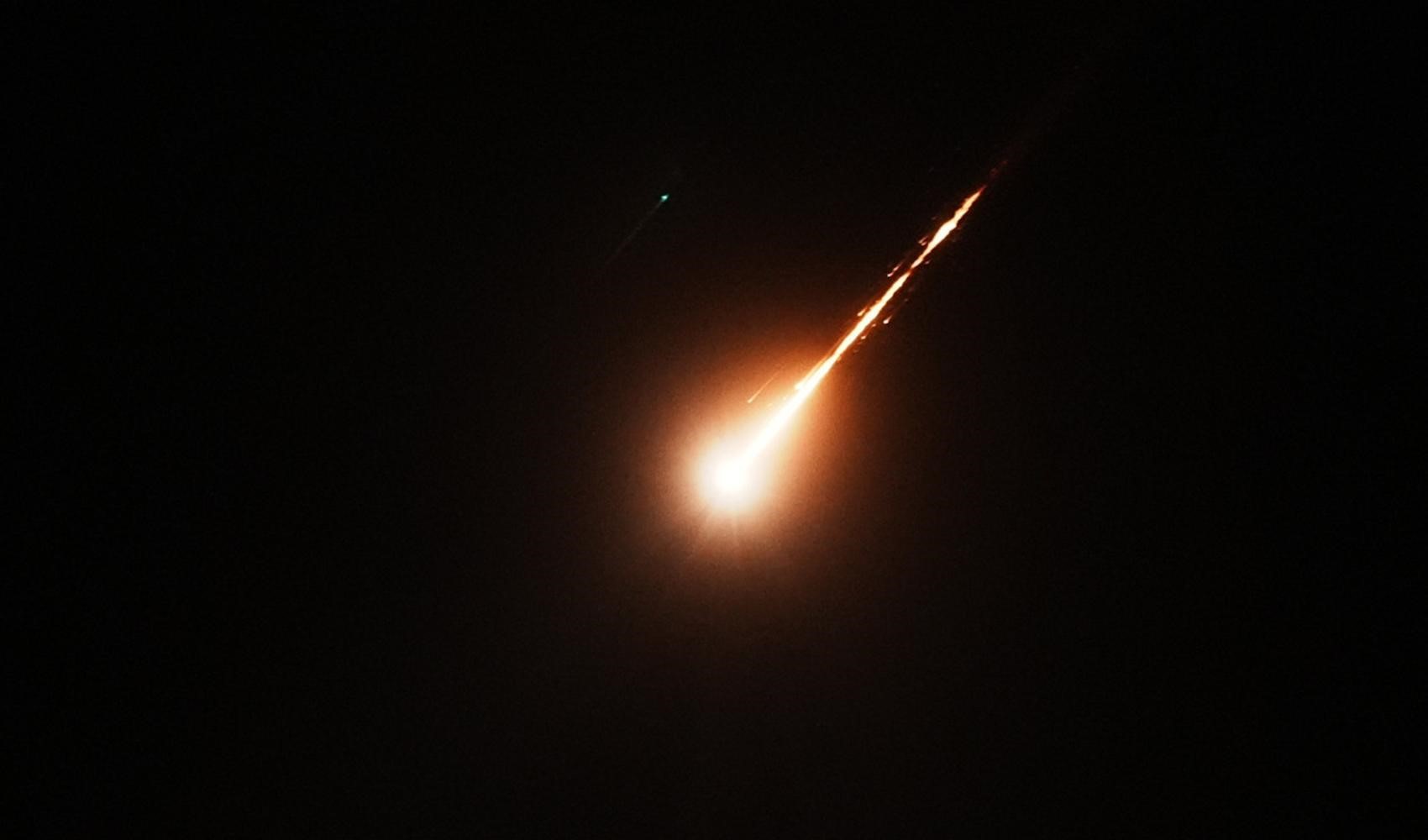
However, it is also emphasized that this strategy carries serious risks. Conflicts intended to be kept controlled have a high probability of spiraling out of control. A new attack could change the US’s political and military calculations and increase international support for a harsher response.
Signs of the conflict expanding are also noteworthy. It is reported that Saudi Arabia, which initially avoided direct involvement, has carried out attacks against pro-Iranian Shiite groups in Iraq and the Houthis. It is stated that if disruptions in global trade and energy flows continue, other countries may also support efforts to increase pressure on Iran.
In conclusion, Iran’s low-intensity conflict calculation may provide Tehran with room for maneuver in the short term. However, this balance becomes more fragile with every new attack. The fundamental factor that will determine the direction of the crisis is assessed to be whether Iran will trigger a larger war while increasing pressure.
News Source: 12punto