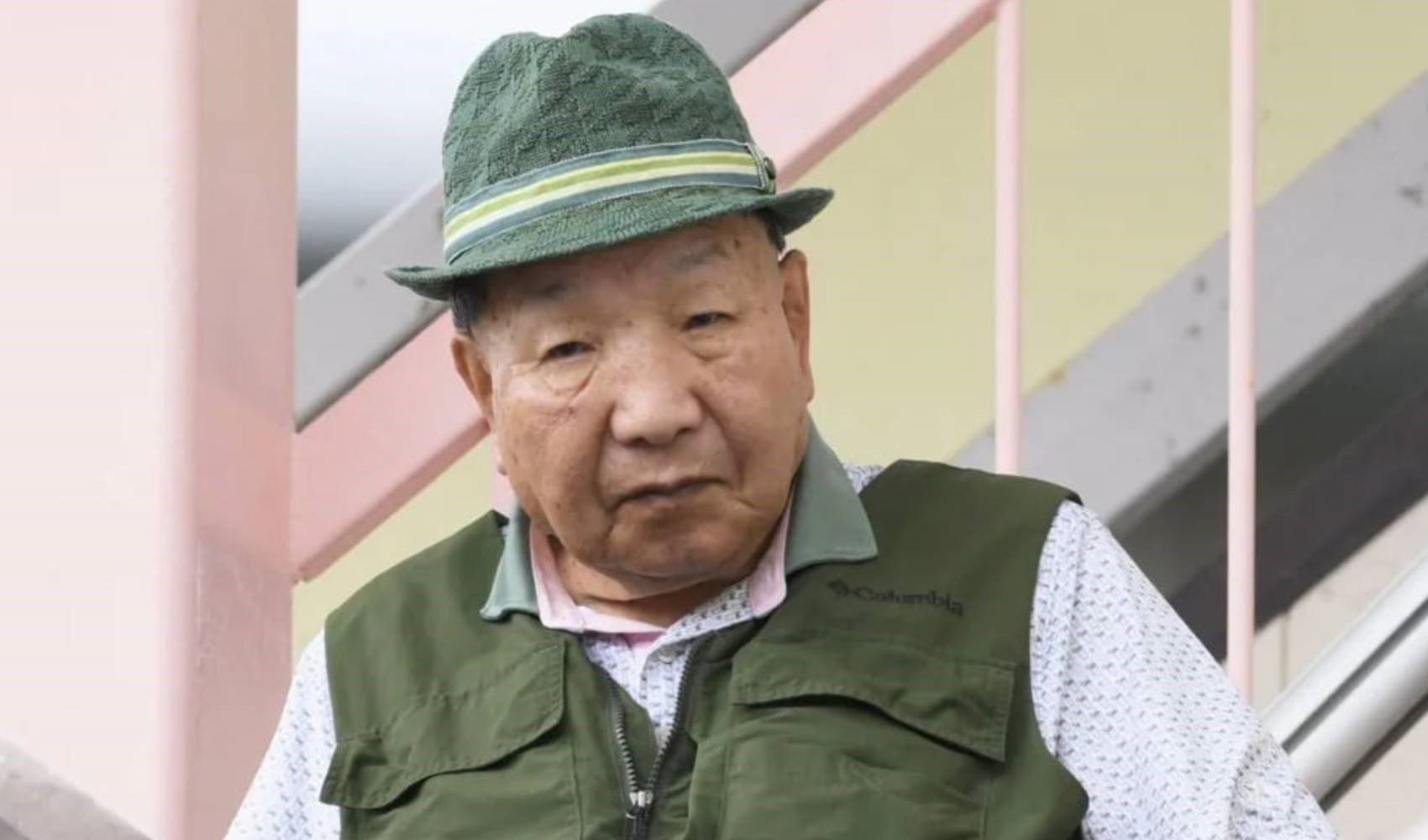
The world's longest-serving death row inmate has been acquitted after 58 years.
In Japan, the 88-year-old former boxer, who was sentenced to death for the 1966 murder of 4 people but released after 58 years, has been acquitted in a retrial held due to doubts over the evidence. The court, which ruled that the police had fabricated evidence, apologized to boxer Iwao Hakamata.
The Shizuoka District Court ruled that "fabricated evidence," including five pieces of clothing allegedly worn by Hakamata during the incident and the police's use of coerced confessions, had been included in the investigation file, and decided to acquit Hakamata. Presiding Judge Koshi Kunii, who apologized to Hakamata following the verdict, stated, "As a court, we are truly sorry that the case took this long."
His 91-year-old sister, Hideko Hakamata, who represented Hakamata at the hearings during the retrial that began last October, said in a statement after the verdict, "We have been acquitted. We thank everyone who has supported us over the years." In a statement from the Shizuoka Prefectural Police Headquarters, where eyes turned following the decision, it was stated that the necessary explanation would be made to the public after the decision is examined in detail.
HE WAS RELEASED IN 2014
Fumio Hashiguchi, a senior executive at a factory in Shizuoka, was found dead along with his wife and two children on June 30, 1966, and Hakamata, who worked as a live-in employee at the factory, was arrested 2 months after the murders.
Hakamata, who initially confessed to being responsible for the murder, robbery, and the fire at the scene, later claimed that he had given the statement under torture and maintained his innocence. Hakamata, who was sentenced to death in 1968, was released in 2014 to be tried without arrest due to doubts over the lack of evidence.
Hakamata's efforts, which he started with his family to prove his innocence, bore fruit last year, and the Tokyo High Court ruled for a retrial of Hakamata due to lack of evidence. Additionally, the lower court's decision that Hakamata should not be sent back to prison was upheld. Hakamata was known as the inmate who had spent the longest time awaiting execution in prison after receiving a death sentence.
News Source: 12punto