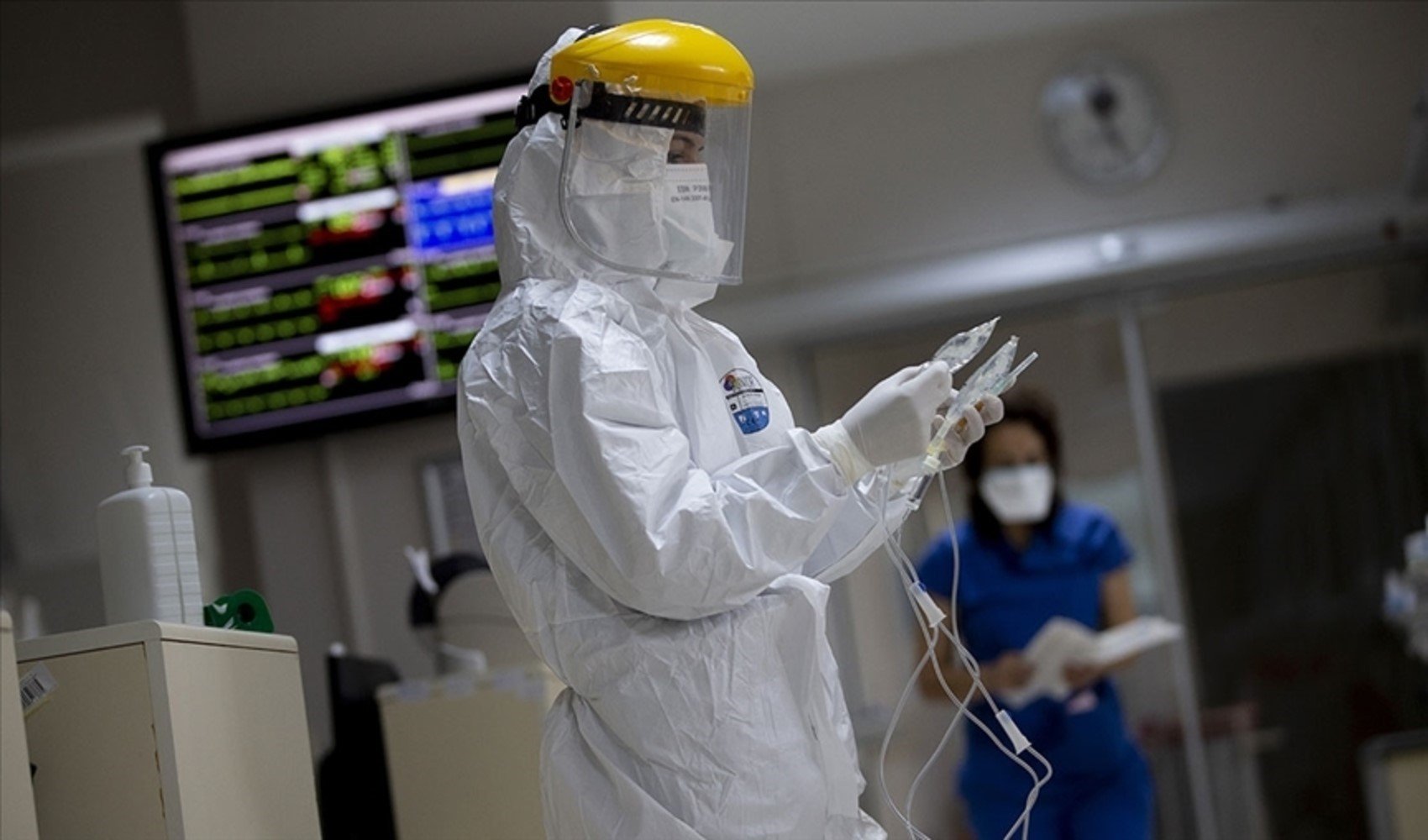
A new virus detected in shrews in the Camp Hill area of the US state of Alabama has mobilized scientists. Research has been launched into the risk of the pathogen, which has been identified as belonging to the henipavirus family and named 'Camp Hill', being transmitted to humans.
Researchers at the University of Queensland discovered a previously unidentified virus in the tissues of shrews they were examining as part of a different study in 2021. It was announced that the virus belongs to the henipavirus group, which also includes the deadly Nipah and Hendra viruses.
According to a report by the Daily Mail, experts stated that the detection of the virus in the kidneys raises concerns that it could cause similar organ damage in humans. It was noted that experts are continuing their work on the virus-carrying capacity of shrews and the mechanisms of transmission to humans.
There is no known treatment for henipaviruses, and mortality rates range between 40% and 75%. The World Health Organization (WHO) keeps these viruses on its list of pathogens with pandemic potential.
IT COULD BE A GLOBAL THREAT
Dr. David Dyjack from the National Environmental Health Association drew attention to the high mortality rate of the virus, stating that 'if it transmits to humans and mutates, it could become a global threat.' Dyjack added that 'the virus worries him as much as nuclear war and climate change.'
However, epidemiologist Dr. Donald Burke argued that Camp Hill does not pose an epidemic risk based on current data. Burke stated, 'The virus's ability to spread among humans has not yet been proven.'
Emphasizing that there is no clear data on the genome structure and transmission potential of the virus, Dr. Adam Hume from Boston University stated the following:
'There are findings that it can infect human cells, but more research is needed for definitive results.'
News Source: 12punto