The New York Times has published a comprehensive analysis highlighting that Turkey has strengthened its position within NATO in recent years.
The analysis states that while Ankara had previously stood out on controversial issues within the alliance, its strategic value has increased again due to the war in Ukraine, regional crises, its mediation capacity, and its growing defense industry.
In the analysis by Ben Hubbard, it was recalled that Turkey had previously faced tensions with its allies due to delaying NATO membership applications, not participating in Western sanctions against Russia, and the purchase of the S-400 system. However, it was emphasized that the shift in the global security architecture has made Ankara's military and diplomatic capacity more visible.
Foreign Minister Hakan Fidan, in an interview with the newspaper a week before the summit, said, "Turkey's importance to NATO is being realized." Fidan stated that the new security and threat environment in Europe has created "an awakening" within the alliance.
According to the analysis, as President Recep Tayyip Erdoğan hosts NATO leaders in Ankara, he will stand out not only as the leader of a country with one of the largest armies in the alliance but also as one of the few leaders capable of exerting influence over US President Donald Trump.
DEFENSE INDUSTRY AND MEDIATION TAKE CENTER STAGE
Two topics stand out in Turkey's regained value for NATO: the production capacity of its defense industry and Ankara's diplomatic channels that can maintain contact during various crises. The analysis notes that Turkey produces a wide range of equipment, from unmanned aerial vehicles to artillery ammunition, and that its defense exports exceeded 10 billion dollars last year.
As the war in Ukraine strains Europe's weapons and ammunition stocks, NATO members are looking for ways to increase their production capacity. In this picture, the ability of Turkish companies to produce faster and at a lower cost is cited as one of the factors increasing Ankara's weight within the alliance.
Özgür Ünlühisarcıklı, Director of the German Marshall Fund's Ankara Office, said that Turkey has built an ecosystem in the defense industry where "production times are shorter than the European average and project completion is more reliable." According to Ünlühisarcıklı, the fact that Turkish defense products have been battle-tested also provides a significant advantage.
Ankara's diplomatic contact network was also addressed as a separate topic in the analysis. Turkey's continued high-level contacts with Ukraine and Russia, its use of ties with Hamas in discussions regarding the Gaza war, and its role as a mediator in regional crises have begun to be evaluated differently by some allies.
TRUST ISSUES PERSIST
Despite this, the analysis emphasizes that the trust issue between Turkey and some NATO members has not completely disappeared. The S-400 purchase, the process of being removed from the F-35 program, Ankara's relations with Russia, and concerns regarding democracy and the rule of law in Turkey continue to be topics of debate within the alliance.
Former US Ambassador to Turkey John R. Bass, noting that the priorities of European allies have changed, commented, "For Europeans, the wolf at the door is not the state of democracy in Turkey." According to Bass, as the war in Ukraine drags on, the existence of a channel that can communicate with Russia has become more important for some capitals.
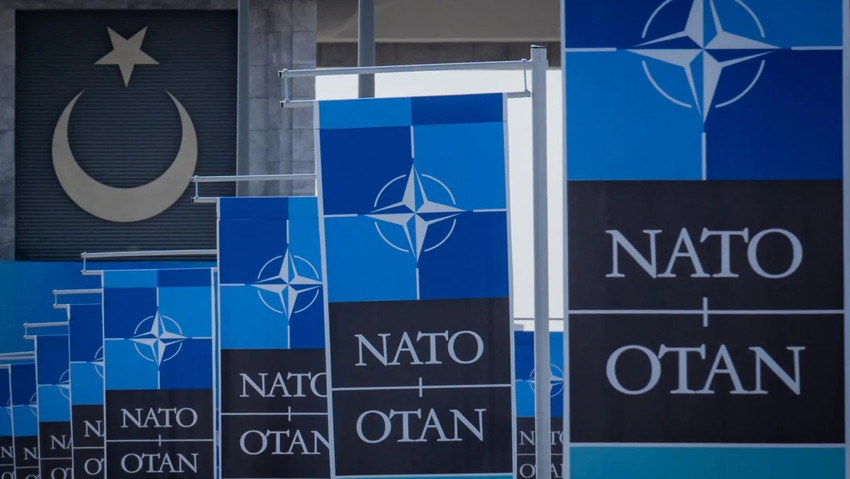
Turkey has been a NATO member since 1952. Ankara, which possesses the second-largest army in the alliance after the US, occupies a critical position with its control over maritime access to the Black Sea and its location on NATO's southern flank. The analysis states that this military and geographical weight is being taken into greater account in the new security environment.
Defense budgets, production capacity, and the future of the alliance will be discussed at the summit in Ankara. While it remains unclear what Turkey will concretely gain from the summit, it is suggested that the issue of F-35 fighter jets could be brought back to the agenda.
Trump's statement regarding Erdoğan's role in his decision to attend the summit was also among the elements highlighted in the analysis. Trump had recently stated, "If the summit were not being held in Turkey and hosted by President Erdoğan, I most likely would not have attended."
News Source: 12punto