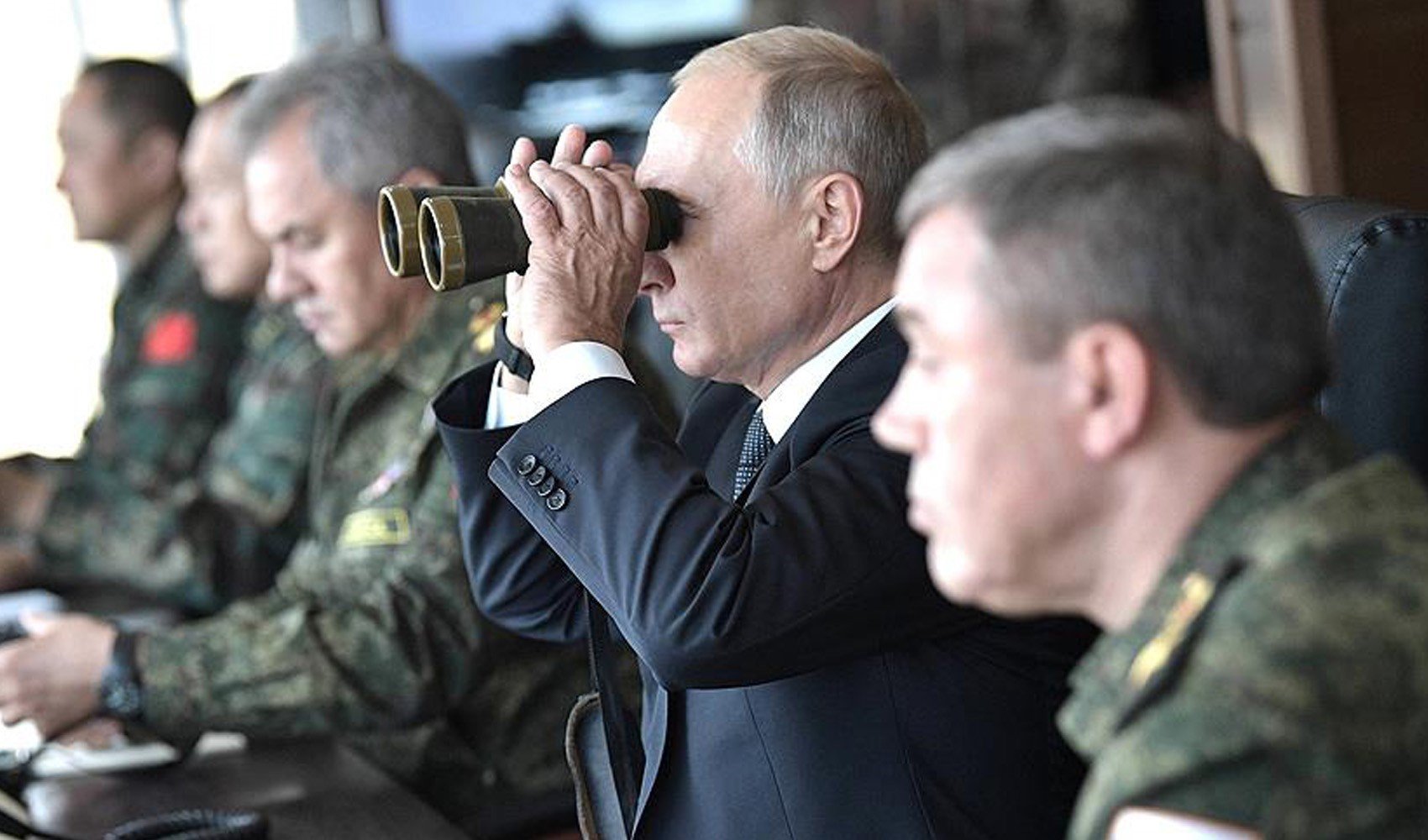
Russian President Vladimir Putin addressed the issue of nuclear deterrence during a meeting with members of the Security Council. The meeting was attended by high-level security officials and military leaders. Putin emphasized that attacks on Russia by non-nuclear states, if supported by nuclear powers, would be considered a "joint attack." He also stated that the possibility of Russia using nuclear weapons against air and space attacks has been brought to the agenda.
Putin said, "We will consider the use of nuclear weapons in the event of air attacks and the launch of space weapons," and in this context, he drew attention to various military assets that potential adversaries might use. Referring to military cooperation with Belarus, Putin also stated that they have the right to use nuclear weapons in that country in the event of a possible attack.
During the meeting, the creation of a detailed document on Russia's updated nuclear strategy was also discussed. Putin announced that this document expands the scope regarding the states and military alliances to which nuclear deterrence is applied. He sent a message to the international arena by saying, "Our nuclear deterrence policy will be constantly updated to increase our defense capacity against strategic threats."
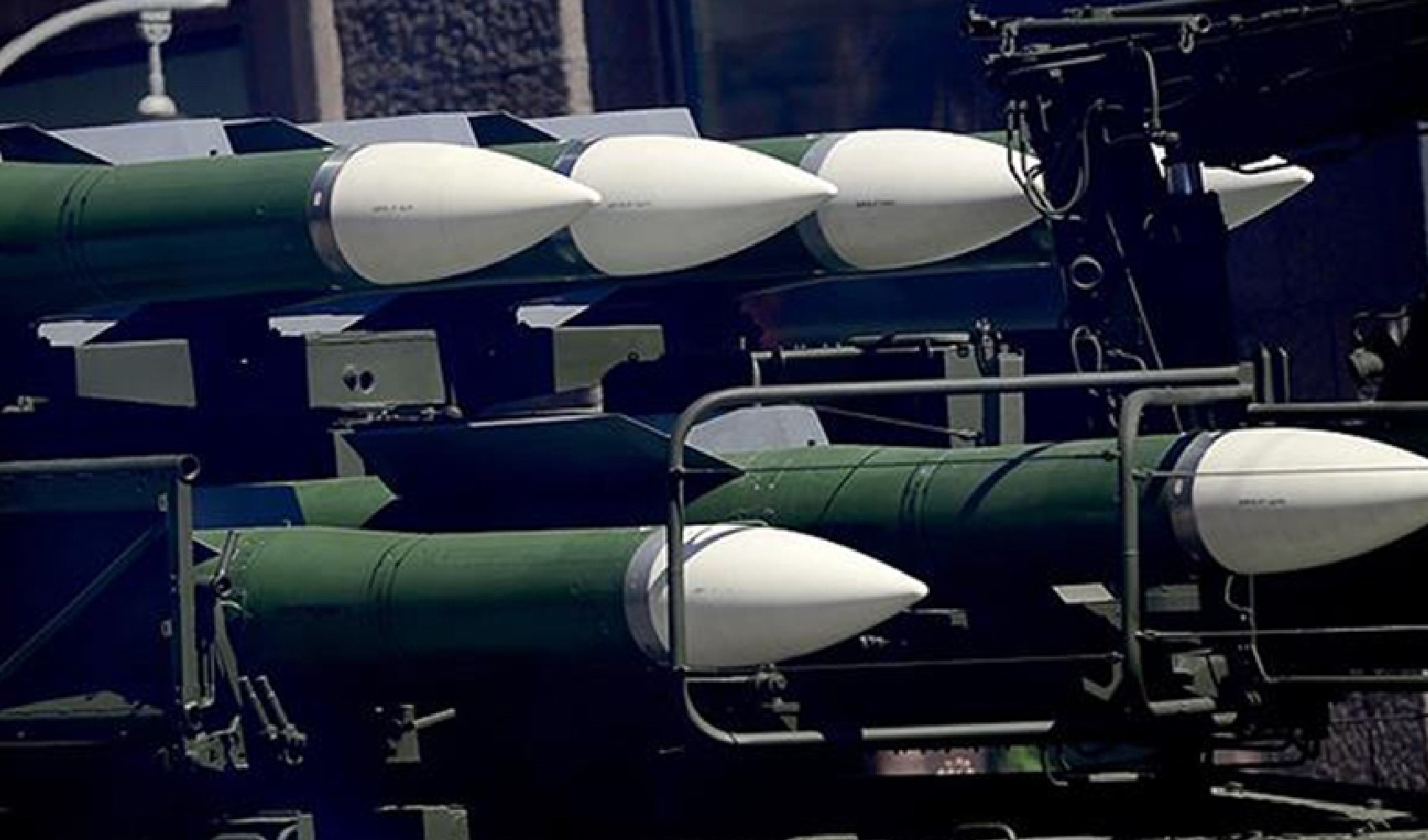
RUSSIA'S NUCLEAR POWER
Russia is one of the countries with the largest nuclear weapon stockpiles in the world. Its nuclear weapons were developed during the Cold War and have been placed at the center of the country's military strategy. Here is some important information about Russia's nuclear power:
Nuclear Weapon Stockpile: Russia has approximately 6,375 nuclear warheads. While a large portion of these are classified as strategic nuclear weapons, some are referred to as tactical nuclear weapons.
Strategic Nuclear Forces: Russia's strategic nuclear forces consist of intercontinental ballistic missiles (ICBMs), submarine-launched ballistic missiles (SLBMs), and strategic bombers. These systems form the foundation of the country's nuclear deterrence.
Submarine Forces: Russia possesses submarines carrying nuclear-tipped missiles. These submarines are intended to protect the country's maritime borders and provide deterrence.
Advanced Technologies: Russia is working on advanced nuclear weapon systems such as hypersonic missiles. Thanks to their speed and maneuverability, these missiles can evade enemy radars and carry out more effective attacks.
Nuclear Doctrine: Russia's nuclear doctrine states that nuclear weapons will only be used as a last resort. However, Putin's statements reveal that the option of using nuclear weapons against potential air and space attacks is on the table.
International Treaties: Russia is a party to international treaties such as the Treaty on the Non-Proliferation of Nuclear Weapons (NPT), but it has also withdrawn from or imposed limitations on some agreements regarding the reduction of strategic weapons.
Modernization Efforts: Russia is modernizing its existing nuclear weapons and developing new-generation systems. This includes both updating old weapons and integrating new technologies.
These elements reflect the complex structure of Russia's nuclear power and its impact on international security dynamics.
News Source: İHA