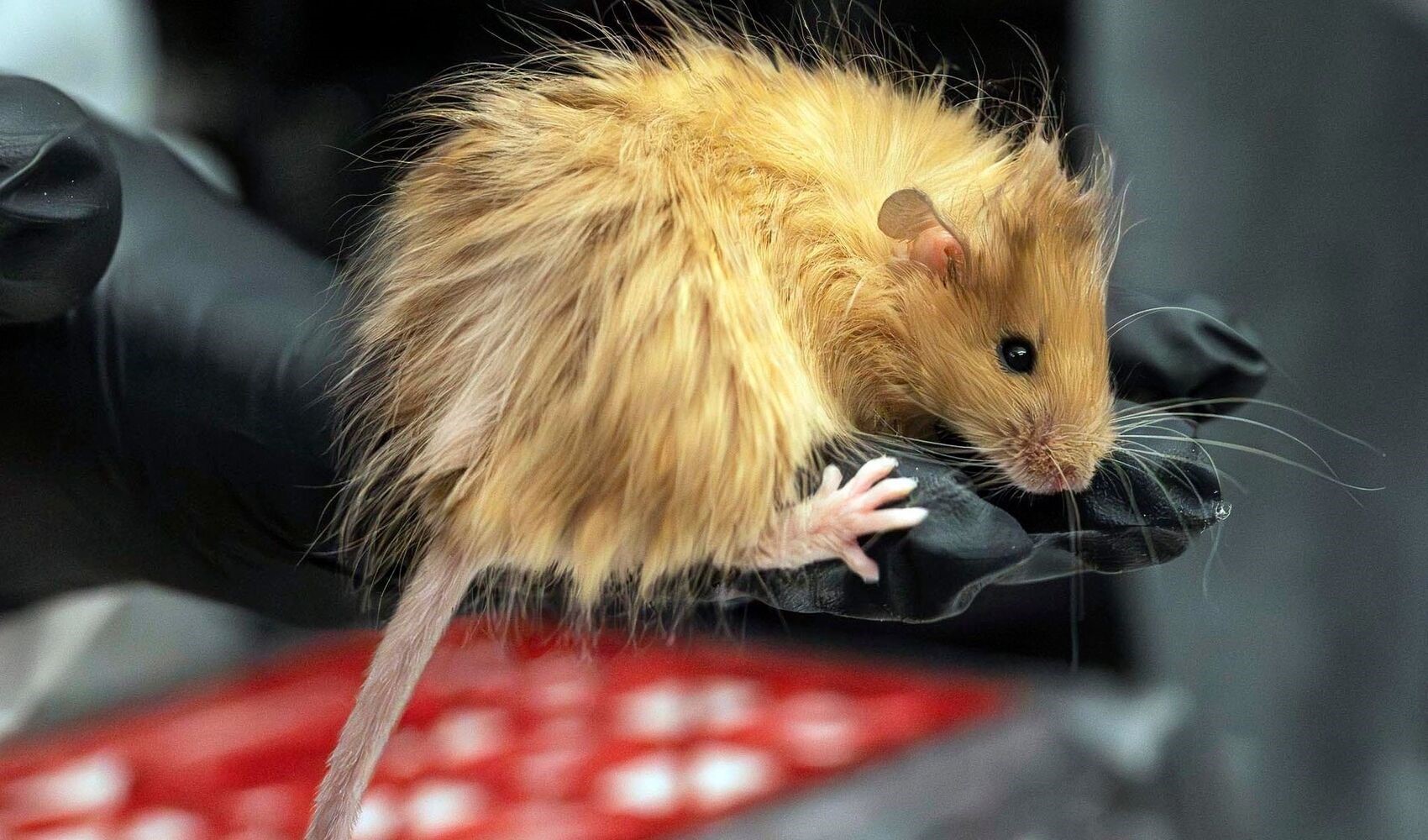
Biotechnology company Colossal Biosciences has developed a woolly mouse as part of its project to revive the extinct woolly mammoth. In the project, which it launched in 2021, the company aimed to transfer the genetic characteristics of the woolly mammoth to Asian elephants. In experiments conducted on mice, Colossal Biosciences succeeded in mimicking the woolly mammoth's hair structure and cold resistance.
Colossal Biosciences CEO Ben Lamm stated that in addition to the company's efforts to bring back extinct species, these studies would also contribute to conservation activities. The company produced a mouse with long, thick, and woolly hair by editing seven genes in mouse embryos. This mouse was named the 'giant woolly mouse'.
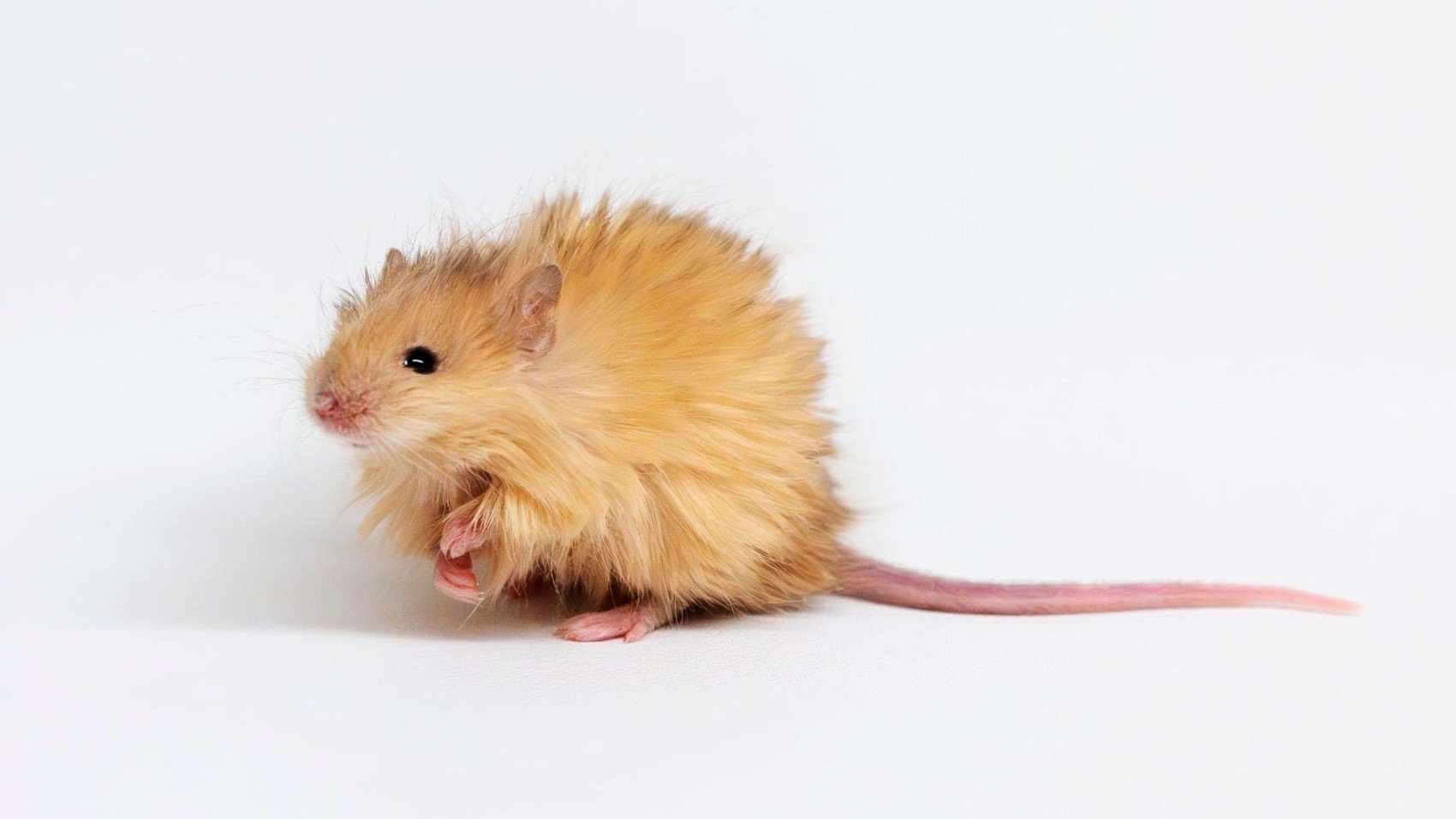
Source: Colossal Biosciences
According to a report by Skynews, in the next phase of the project, it is planned to modify the genetics of Asian elephants to give them woolly mammoth characteristics. However, some scientists argue that these studies amount to altering existing species rather than bringing back a real woolly mammoth.
Wildlife expert Christopher Preston from the University of Montana argued that the project has not achieved the success it claims, stating the following:
'Changing the hair pattern of an Asian elephant or making it easier for it to adapt to the cold is not bringing back the woolly mammoth. This is just modifying an existing species.'
Colossal Biosciences' chief scientist Beth Shapiro stated that the genetic edits made on the mice mimic the woolly mammoth's cold-resistance traits. Shapiro explained, 'These genetic variations already exist in some mice. We brought them all together in a single mouse.'
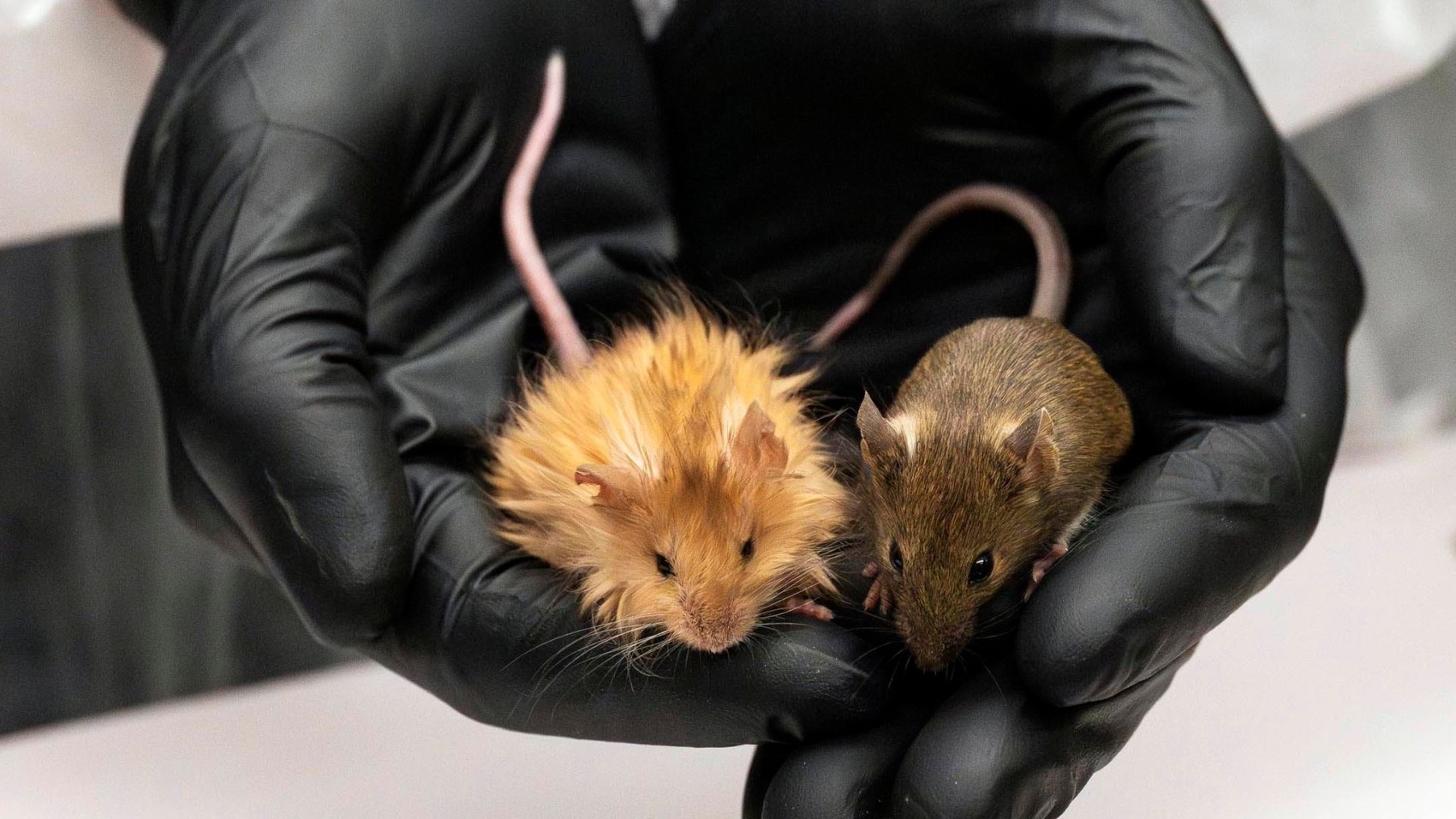
RESEARCH NOT YET VERIFIED
The company was testing whether the process worked on mice before moving on to Asian elephants. However, the results obtained have not yet been published in a scientific journal and have not been verified by independent researchers.
Biologist Vincent Lynch from the University at Buffalo stated that this study is an important step from a technological perspective, commenting, 'This achievement is quite impressive.'
In addition to the woolly mammoth project, Colossal Biosciences also aimed to revive the extinct dodo bird. The company claimed that these studies would contribute to the preservation of biological diversity.
News Source: 12punto