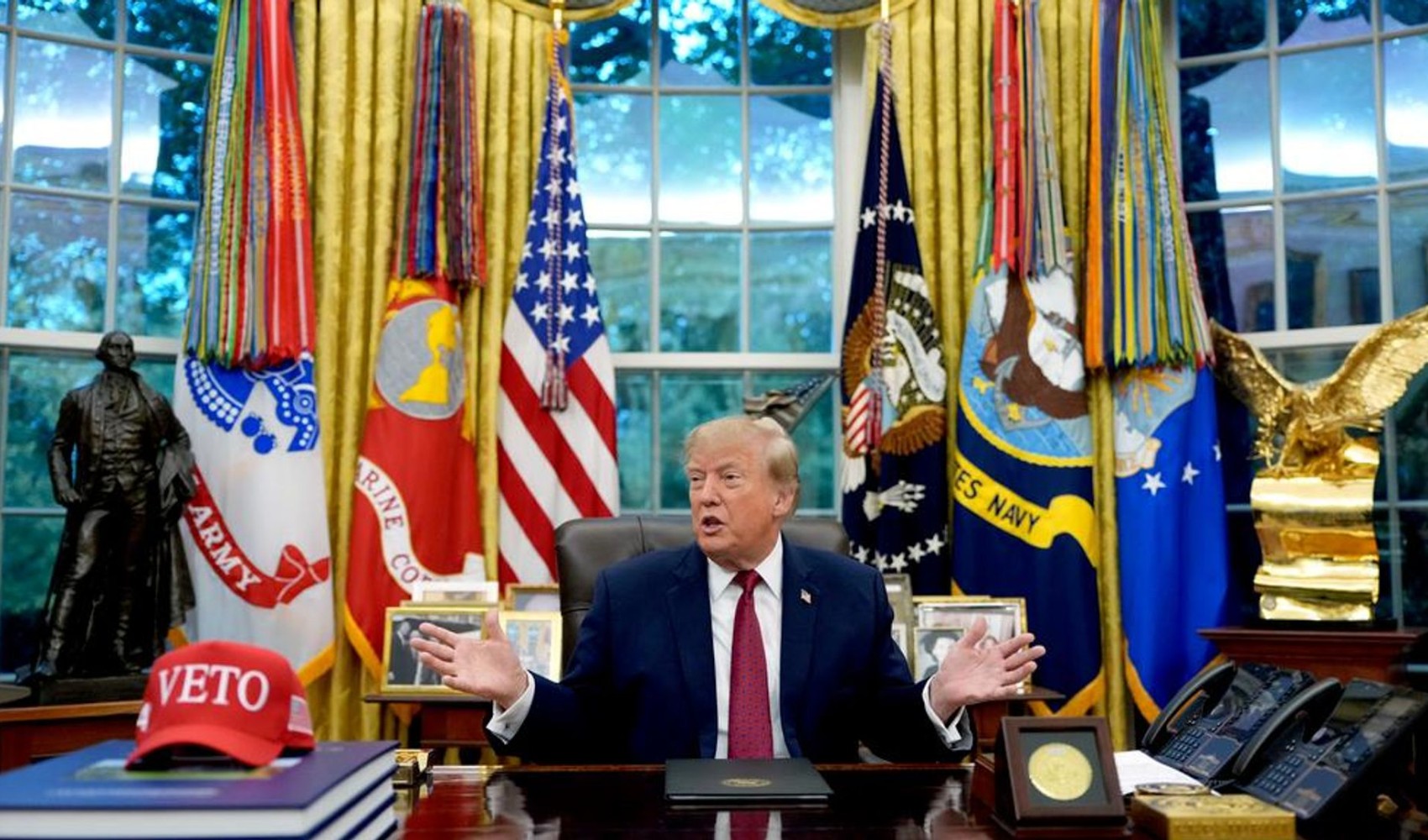
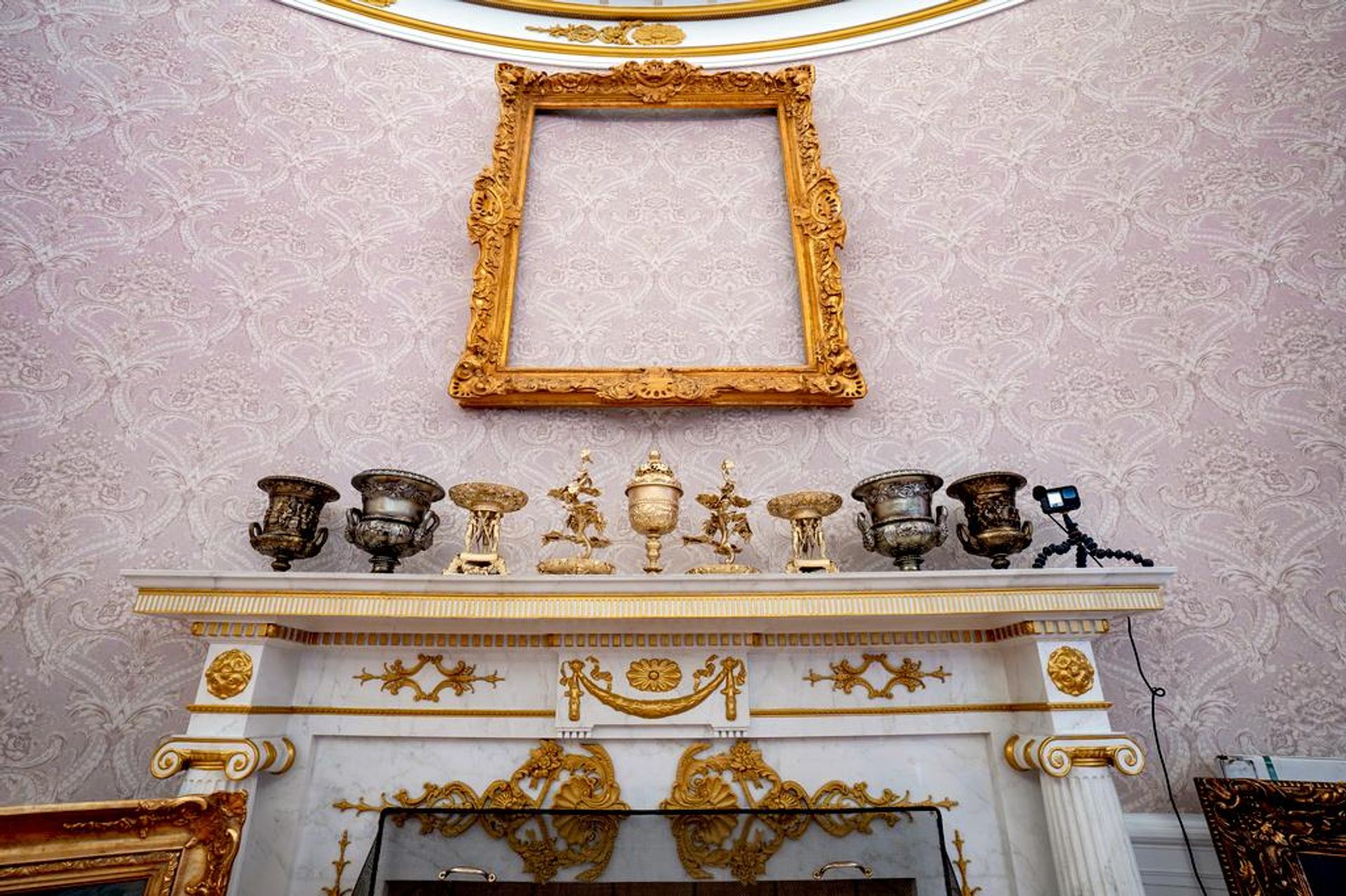
U.S. President Donald Trump has signed a new executive order aimed at preserving the historical structure of the Oval Office and the Cabinet Room, two of the most symbolic areas of the White House. The order aims to make it difficult to carry out extensive changes in the future to the areas that Trump redecorated during his second presidential term.
With the regulation he signed on Thursday, Trump stated that he wants the historical significance of the Oval Office and some surrounding areas to be officially recognized and for them to be granted national monument status. The U.S. President argued that this step would limit future presidents from transforming these areas into a different form.
It will not be allowed to be touched, demolished, or dismantled by foolish people for the purpose of building a slightly different shape.
Trump said the Oval Office is one of the symbols of the United States and the country's greatness. Expressing that foreign leaders also liked the recent decoration changes, Trump claimed that if a future president wants to transform the Oval Office into another form, they would need to apply to Congress.
THE IMPACT OF THE EXECUTIVE ORDER IS BEING DEBATED
The extent to which the executive order will bind future presidents is a subject of debate. According to Trump's statements, the goal is to prevent extensive architectural or decorative changes from being easily made in the Oval Office and the Cabinet Room. However, how such a protection status will be applied in practice and how the congressional process will work remains unclear.
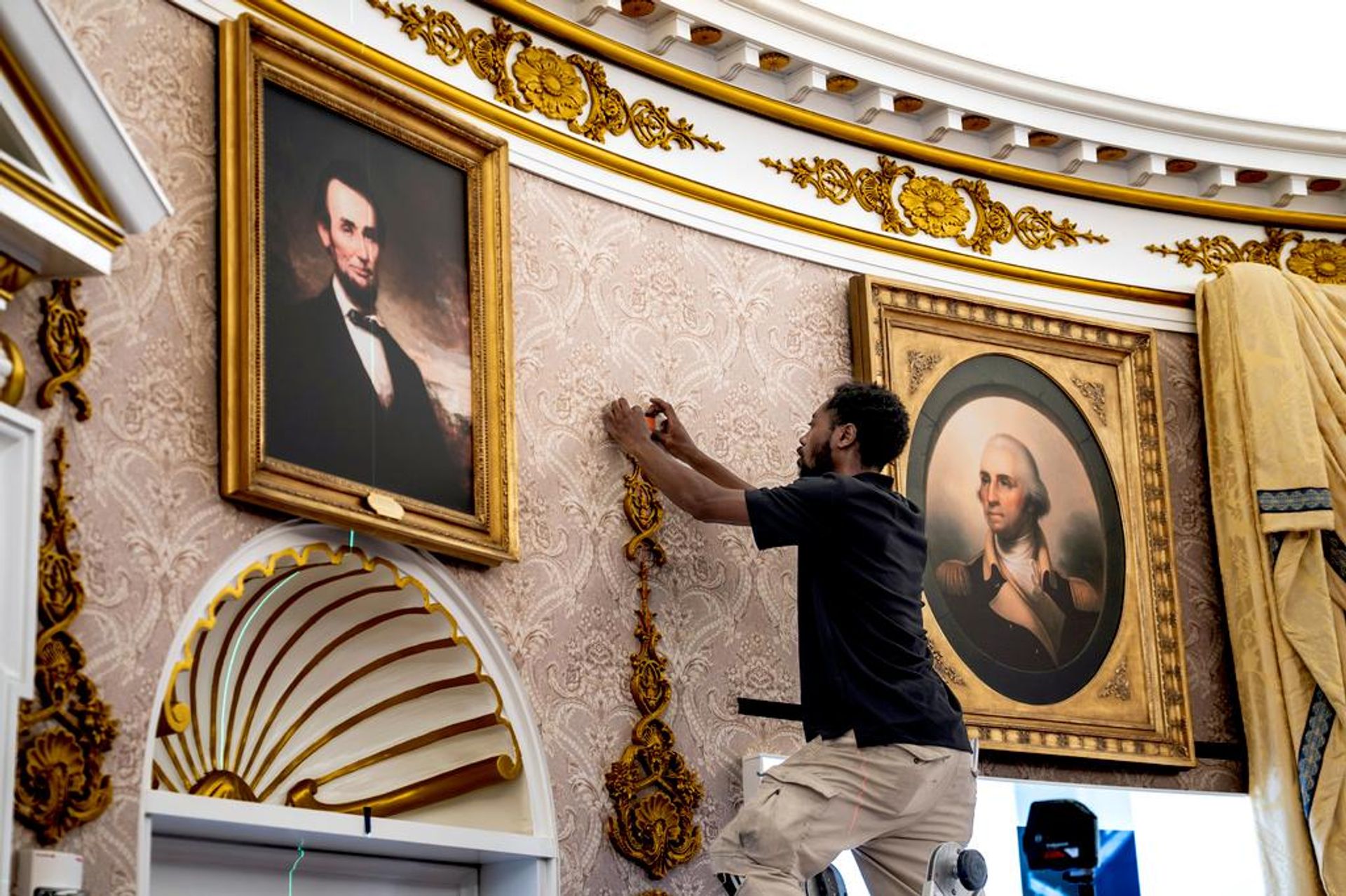
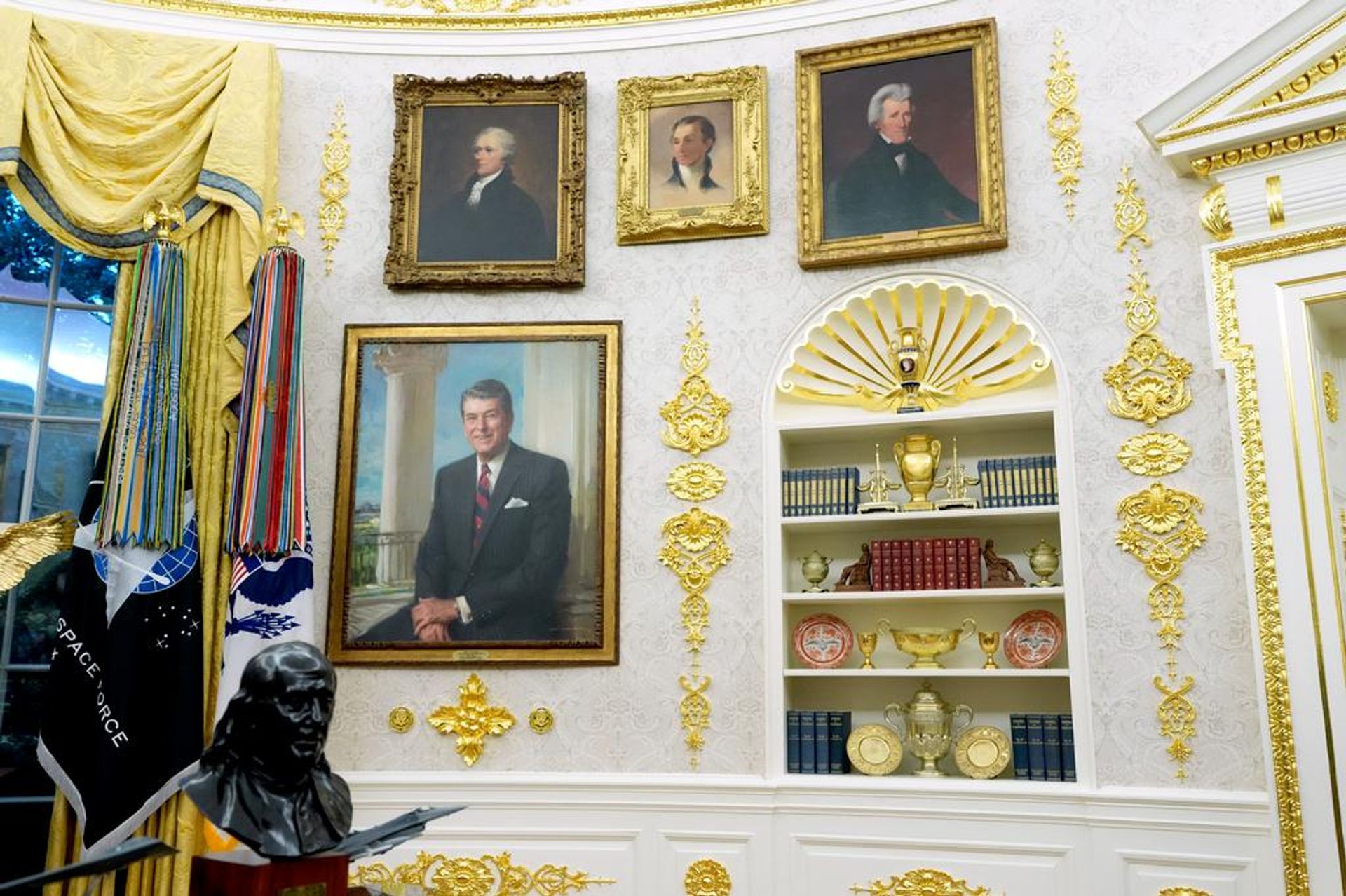
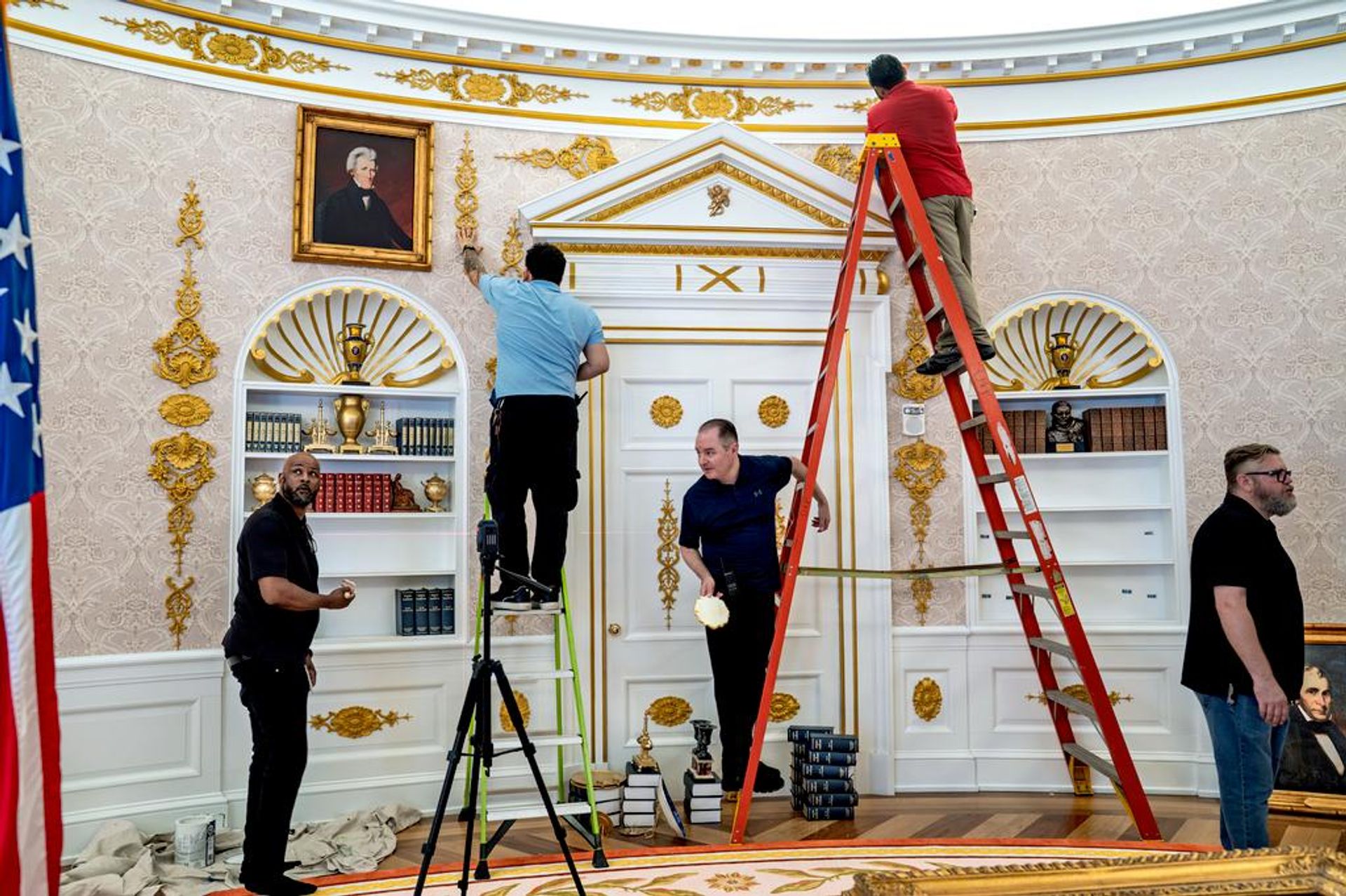
Trump made significant changes to the appearance of the Oval Office during his second term. Numerous gold-colored decorative elements were added to the office; wall ornaments, curtains, portrait arrangements, and accessories were among the highlights of the new design.
The changes at the White House were not limited to the Oval Office. During the Trump administration, the Rose Garden was paved with stone, and work was initiated to demolish the East Wing to build a ballroom in its place. Renovation work was also carried out on the Lincoln Memorial Reflecting Pool.
CHANGES AT THE WHITE HOUSE CRITICIZED
The demolition of the East Wing and the ballroom project faced legal challenges. Trump's other projects in Washington also sparked public debate. A plan to build a new triumphal arch was temporarily halted by a federal judge's ruling.
In an interview with Time magazine in October, Trump suggested that the Oval Office might need to be demolished and rebuilt due to security concerns from the U.S. Secret Service. This statement has come back to the agenda along with the protection executive order now signed.
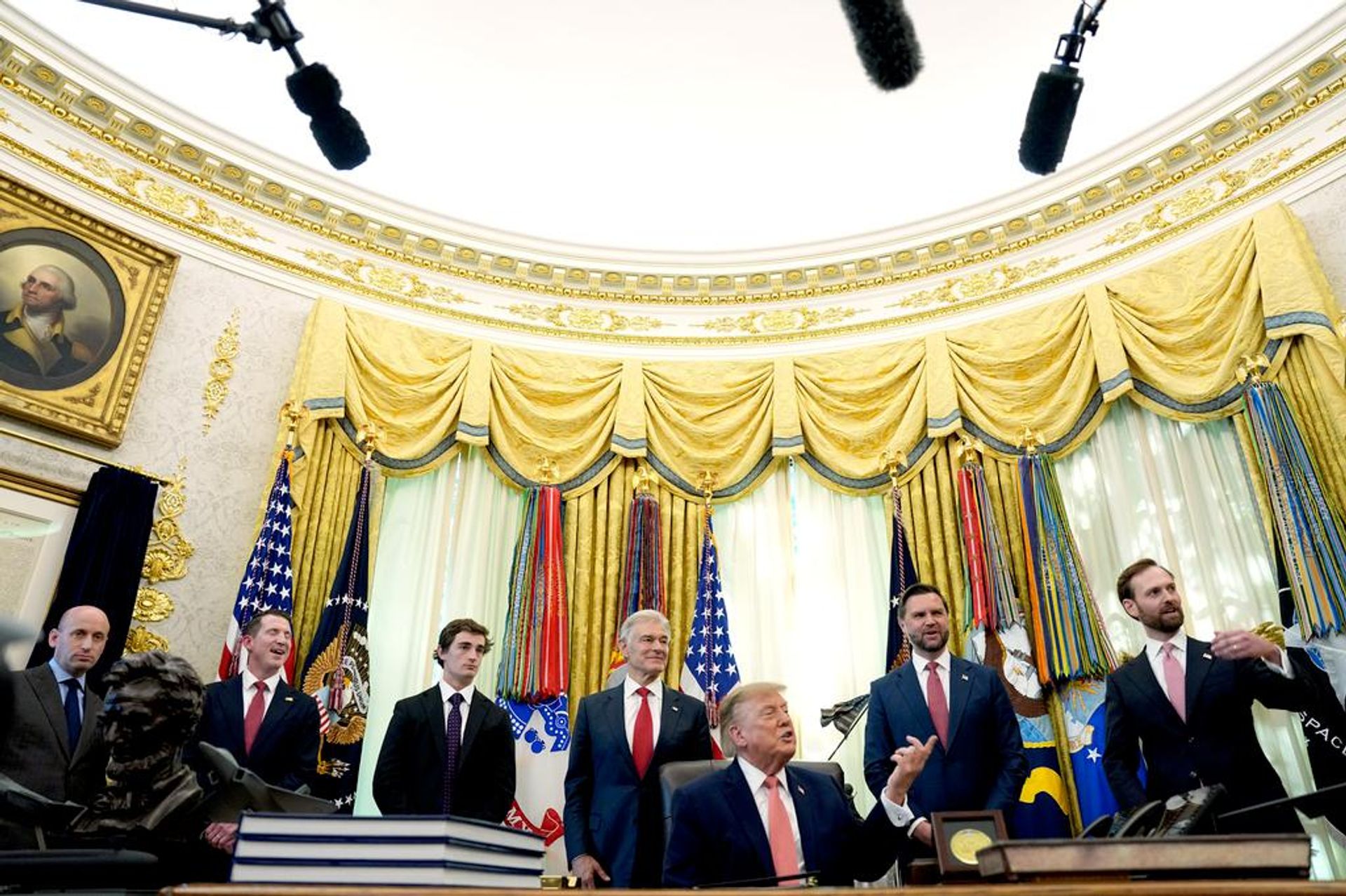
Former U.S. President Barack Obama had also harshly criticized Trump's gold-heavy decoration choices in the Oval Office. Obama had compared the new look of the White House to Saddam Hussein having opened a Cheesecake Factory.
News Source: 12punto