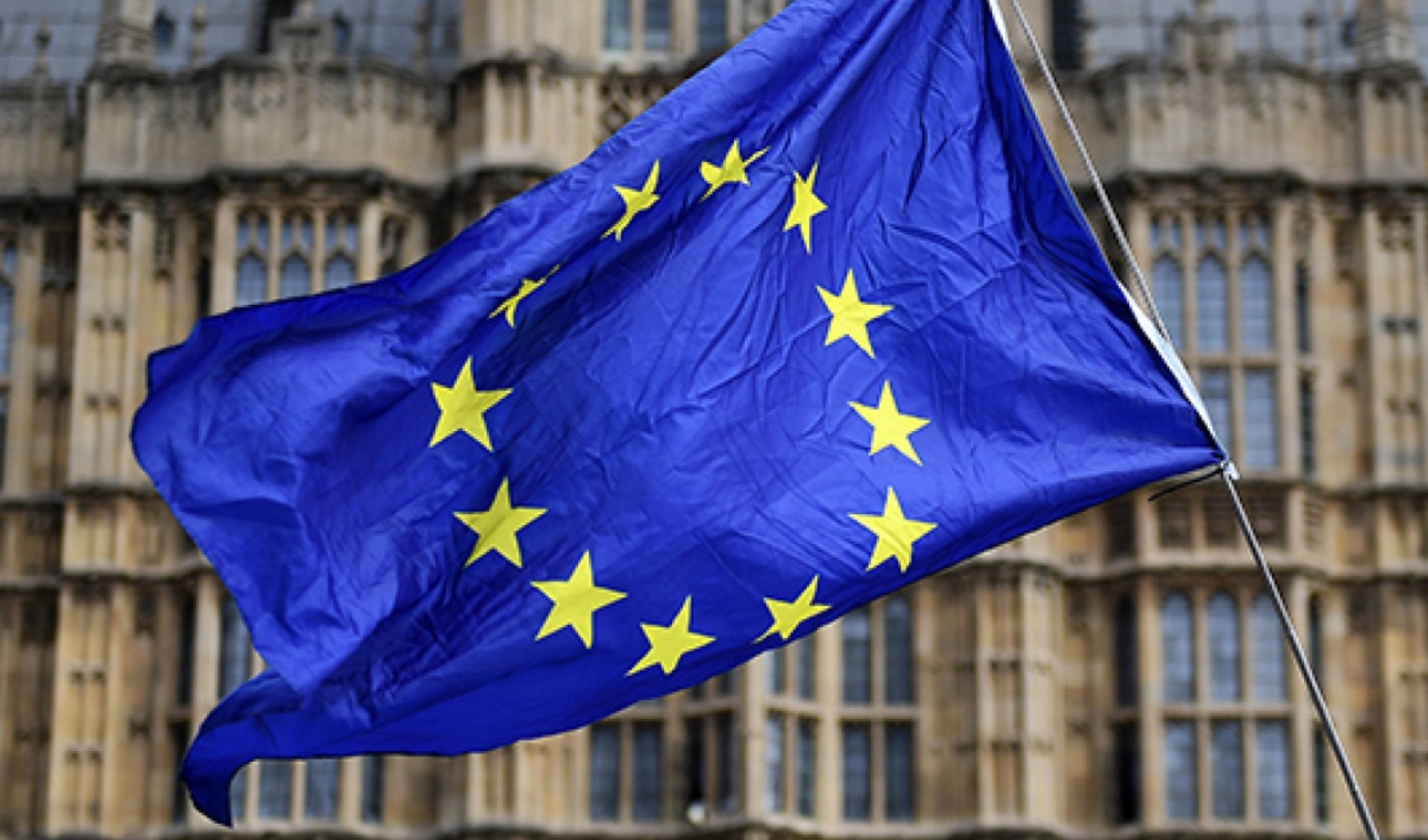
European countries, due to concerns regarding the future of the US in NATO, have recently been focusing on secret meetings and have begun preparing a comprehensive “Plan B” against a possible withdrawal. In an alliance built on the US military presence and technological support, Europeans have focused on strategies that will ensure continental defense continues without disruption in the event of an American withdrawal. These initiatives, led by France, Germany, Poland, and Italy, do not aim to be a rival to the current NATO structure, but rather to maintain Europe's deterrence and operational capacity should the US withdraw its support.
EUROPE WANTS TO GUARANTEE ITS OWN SECURITY
While Germany has been reluctant to act alone in defense for years, the Berlin administration has re-evaluated this stance, especially following recent developments. Under the leadership of Chancellor Friedrich Merz, a consensus has emerged that Europe must take more initiative against the possibility that American defense contributions will decrease. In this direction, concrete steps are being planned to maintain both nuclear deterrence and classical military capabilities on the continent with its own resources.
The plans prepared within the framework of secret meetings and informal contacts of European countries aim to keep the system functional against the possibility of a US withdrawal, rather than creating a new structure independent of the existing NATO partnership. Participating state officials emphasize that the measures taken are not intended to be an alternative to the current alliance.
US President Donald Trump’s statements, which occasionally question the future of NATO and the security guarantees provided to the continent, have accelerated the security momentum in Europe. Trump’s desire to incorporate Greenland into the US, his war initiatives toward Iran, and the distant approach of European allies to these policies have deepened the rift in the Atlantic alliance.
Trump summarized the issue as follows: “If you want to know the truth, it all started with Greenland. We want Greenland, but they don’t want to give it to us. So I said, okay, goodbye then.”
Following Trump’s words, the assessment of Polish Deputy Prime Minister Radoslaw Sikorski was short and clear: “Noted.”
SURPRISE SHIFT IN DIRECTION FROM GERMANY
The change in Berlin’s stance has been a decisive milestone in shaping European defense strategy. While Germany had approached European-based defense calls, which France has championed since the fall of the Berlin Wall, with caution, it has begun to question its dependence on the American security umbrella under Chancellor Merz.
In closed-door meetings, Chancellor Merz stated, “Trump is confusing the victim with the aggressor in the Ukraine war. The values of solidarity in NATO have begun to erode. The US is no longer a reliable ally; Europe must determine its own destiny.” However, Merz preferred to quietly increase Europe’s defense role rather than sharing such strategic debates with the public.
German Defense Minister Boris Pistorius also drew attention to the necessity of more European responsibility within NATO, sending the message, “A more European approach is needed for NATO to maintain its transatlantic character.” This new line paved the way for a broad German defense coalition.
Following these developments, many European countries, led by the UK, France, and Poland, have come to support Berlin’s strategic shift. In particular, French President Emmanuel Macron and Chancellor Merz have begun discussing the expansion of French nuclear deterrence to include Germany. Furthermore, while more “European leadership” in NATO is on the agenda for the future, support has come from Secretary General Mark Rutte.
EFFORT TO REDUCE DEPENDENCE ON THE US
The fundamental structure of NATO has long relied on the centrality of American control and technology. The US plays a critical role in a wide range of areas, from logistics to intelligence sharing, and from the military chain of command to the defense industry. Now, Europeans are looking for ways to shoulder the US’s military burden and responsibilities.
It is clear that this transformation will not be easy. The US share is high in critical areas such as logistics and air defense. However, Trump’s recent demands for European countries to take on more military responsibility, and the shadow cast on US-European relations, particularly by the Greenland crisis, have accelerated the search for strategic autonomy.
Finnish President Alexander Stubb said of this transition process, “The process of the burden shifting from America to Europe is ongoing, and this will continue as part of US defense strategy. The most important issue is to understand that this change is happening and to manage this process in a controlled and manageable way rather than the US withdrawing suddenly.”
THE ROLE OF EASTERN EUROPE AND THE IMPORTANCE OF TURKEY
Eastern European countries, especially those bordering Russia, are in a key position in shaping the new security structure within Europe. Sweden’s Ambassador to Germany, Veronika Wand-Danielsson, stated, “We are taking measures to fill the gaps by forming a coalition of the willing within NATO.”
Turkey, which has an important place in the Europe-centered defense approach, is seen as a key country in the process due to its being a neighbor to Russia via the Black Sea and possessing the second-largest army within the alliance. Its dominance over the Straits plays a vital role in terms of both Mediterranean and Black Sea security.
However, some challenges persist in creating full operational integrity in the new structure. Questions remain, particularly in areas such as how many positions currently held by American military personnel will be replaced, the maintenance of air defense infrastructure, and the updating of logistics networks.
Finnish President Stubb stated that mandatory military service would be critical for the success of this new plan and that this system is the best way to strengthen national integrity and defense reflexes.
News Source: 12punto