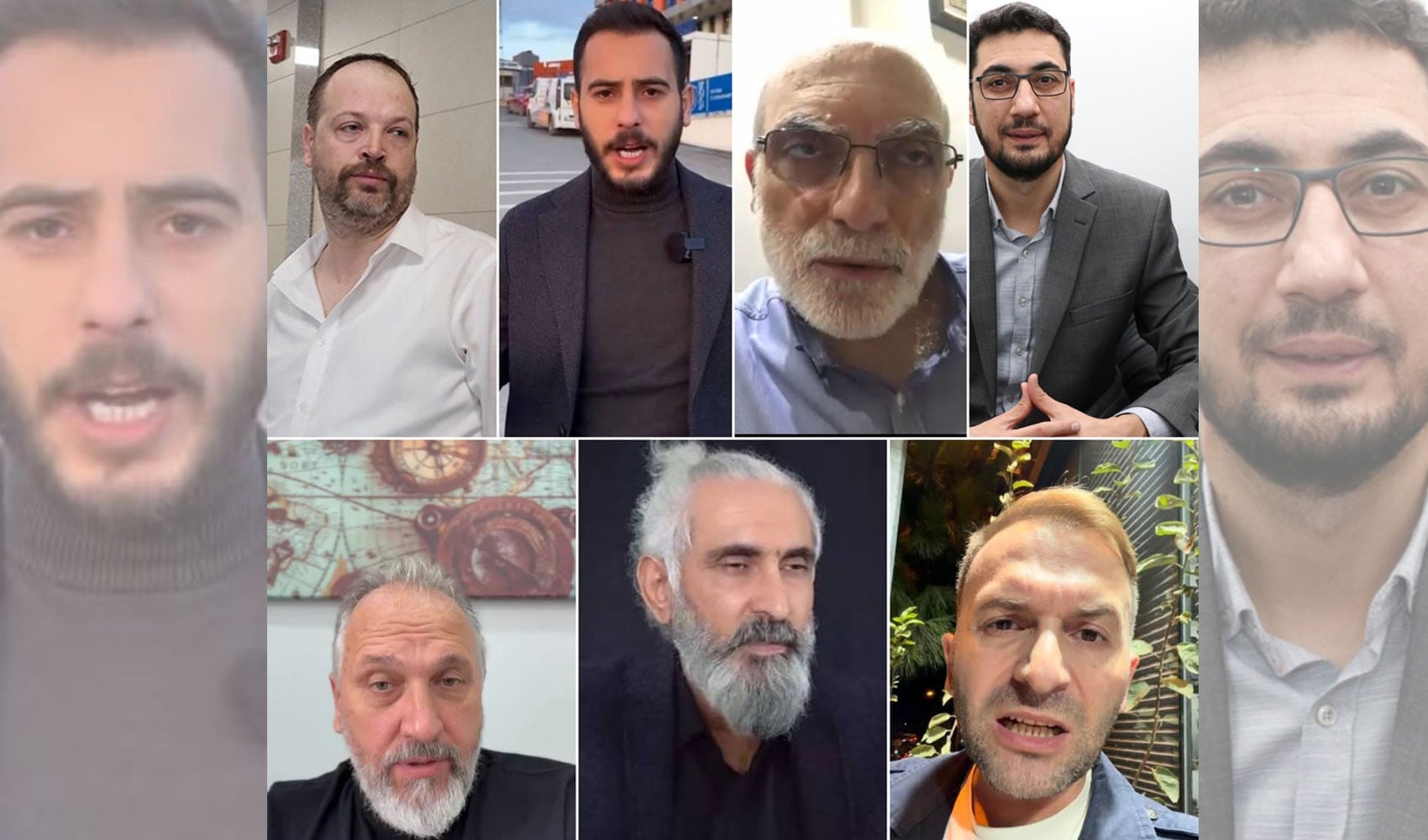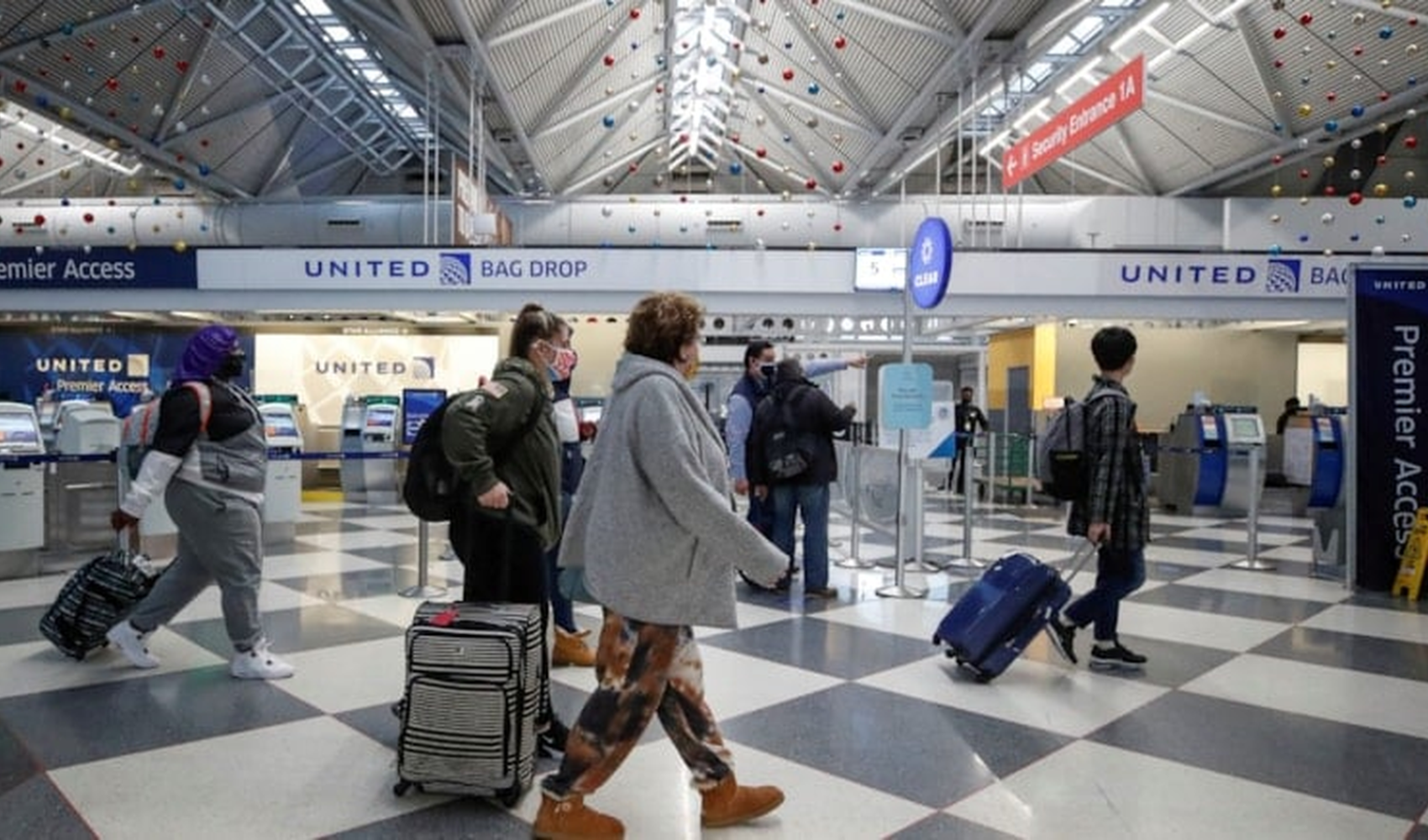
Four airports in the US and Canada were targeted by a cyberattack carried out by Turkish hackers. The hackers seized control of the audio systems, broadcasting "Free Palestine" slogans and making insults directed at Israeli Prime Minister Benjamin Netanyahu and US President Donald Trump. This incident caused the airports' broadcast systems to crash and led to flight delays.
US Secretary of Transportation Sean Duffy stated in a post on social media that such attacks are unacceptable, noting that the fear experienced by passengers is understandable.
The Federal Aviation Administration (FAA) is continuing its efforts to identify the source of this cyberattack, along with the Harrisburg airport.
CYBERATTACKS ON AIRPORTS ARE INCREASING
Recently, airports in the US and Europe have frequently been the targets of cyberattacks. According to FBI reports, a notorious cybercrime organization infiltrated the computer networks of several airlines in the US and Canada in June.
Last month, the disabling of a passenger check-in system in Europe led to long delays and cancellations at airports. Such incidents once again highlight the need for increased security measures in the aviation sector.
News Source: 12punto