Compiled by: Suat TEKİN - 12punto.com.tr
According to an analysis by The National Interest, which highlights Turkey's geostrategic position, the security interests of Turkey and Israel overlap in many areas. The analysis, which notes that Turkey and Israel have come into conflict over Gaza, claims that the two countries could cooperate on the issue of Iran. The author of the article, Brandon J. Weichert, noted that there is little doubt that Turkey is Iran's geostrategic rival, and stated that a conflict could begin in Iraq between Turkish and Iranian-backed groups.
Turkey's operations against the YPG/PKK in Syria have intensified. The PKK announced yesterday (March 1) that it had declared a ceasefire. Meanwhile, Turkey's military operations against terrorist elements in northern Syria have continued. According to Weichert, Iran is trying to organize the PKK and other terrorist groups to attack Turkey.
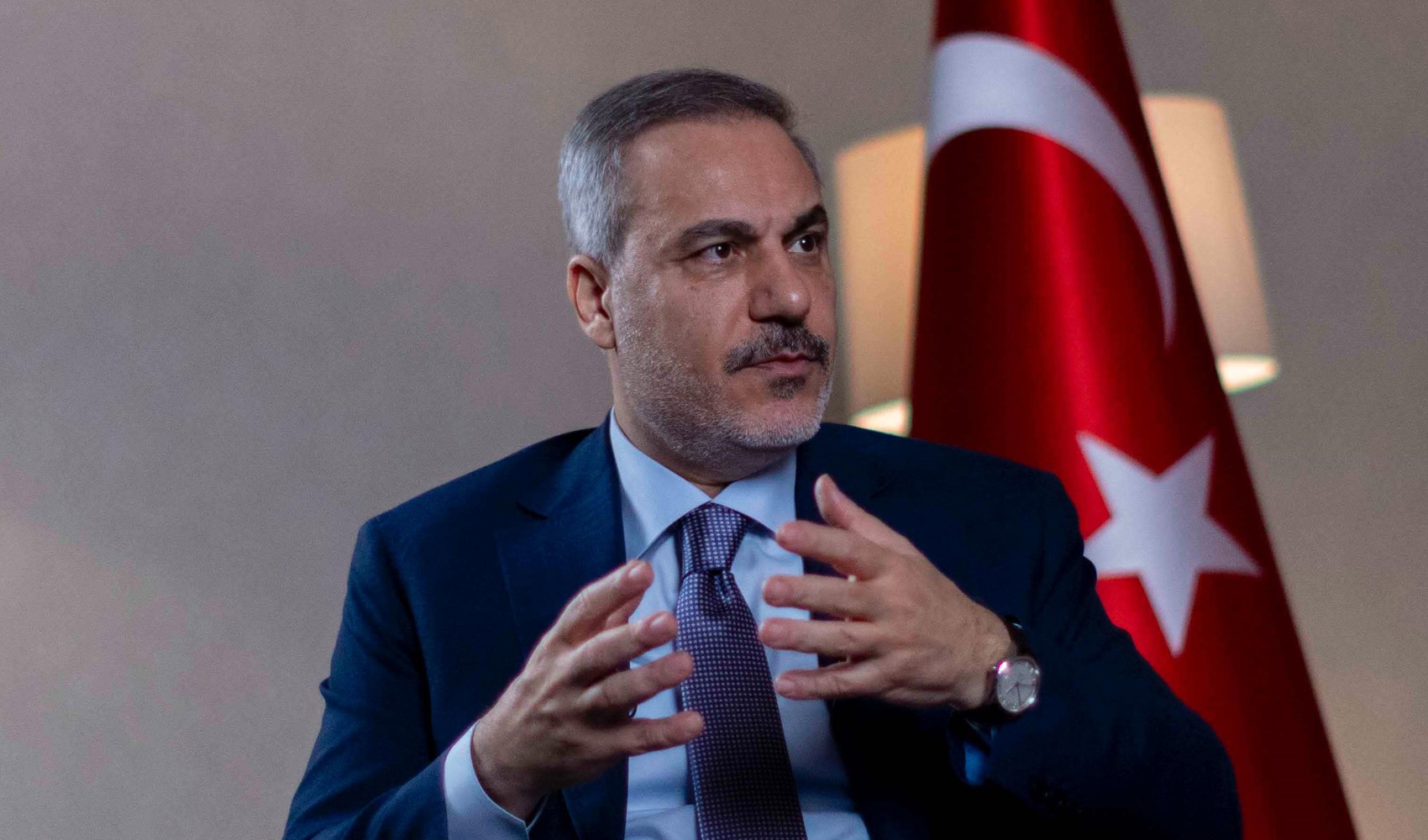
Foreign Minister Hakan Fidan, in a statement he made last week, used the following expressions without naming any specific country:
''If you support a group in another country and create trouble there, another country will support a different group in your country and create trouble for you. In other words, nothing can remain secret in the world anymore. What you have, others have too. If you don't want stones thrown at your window, you cannot throw stones at someone else's window.''
TURKEY'S INFLUENCE IS GROWING
Weichert reported that Hayat Tahrir al-Sham (HTS), which seized power in Syria, and Turkey are putting pressure on PKK terrorists. According to Weichert, Iran has realized that Turkey's expanding sphere of influence in the Middle East will 'inevitably' extend to Iraq. The analysis includes the view that Turkey and HTS will exert heavy pressure on Iranian-backed Shiite militias in Iraq.
Stating that Turkey aspires to be the primary power within the 'Islamic community,' Weichert noted the following:
'Indeed, Iraq is preparing to become a hot zone for a proxy war between Turkish-backed Islamist militants and Iranian-backed militants. Until recently, control of this community (Islamist militants) was divided between US-backed Sunni Arab states, particularly the Kingdom of Saudi Arabia, and the Shiite Islamic Republic of Iran. However, the Arabs are remaining in the background in the current struggle, if only because they have deep internal problems they need to overcome.'
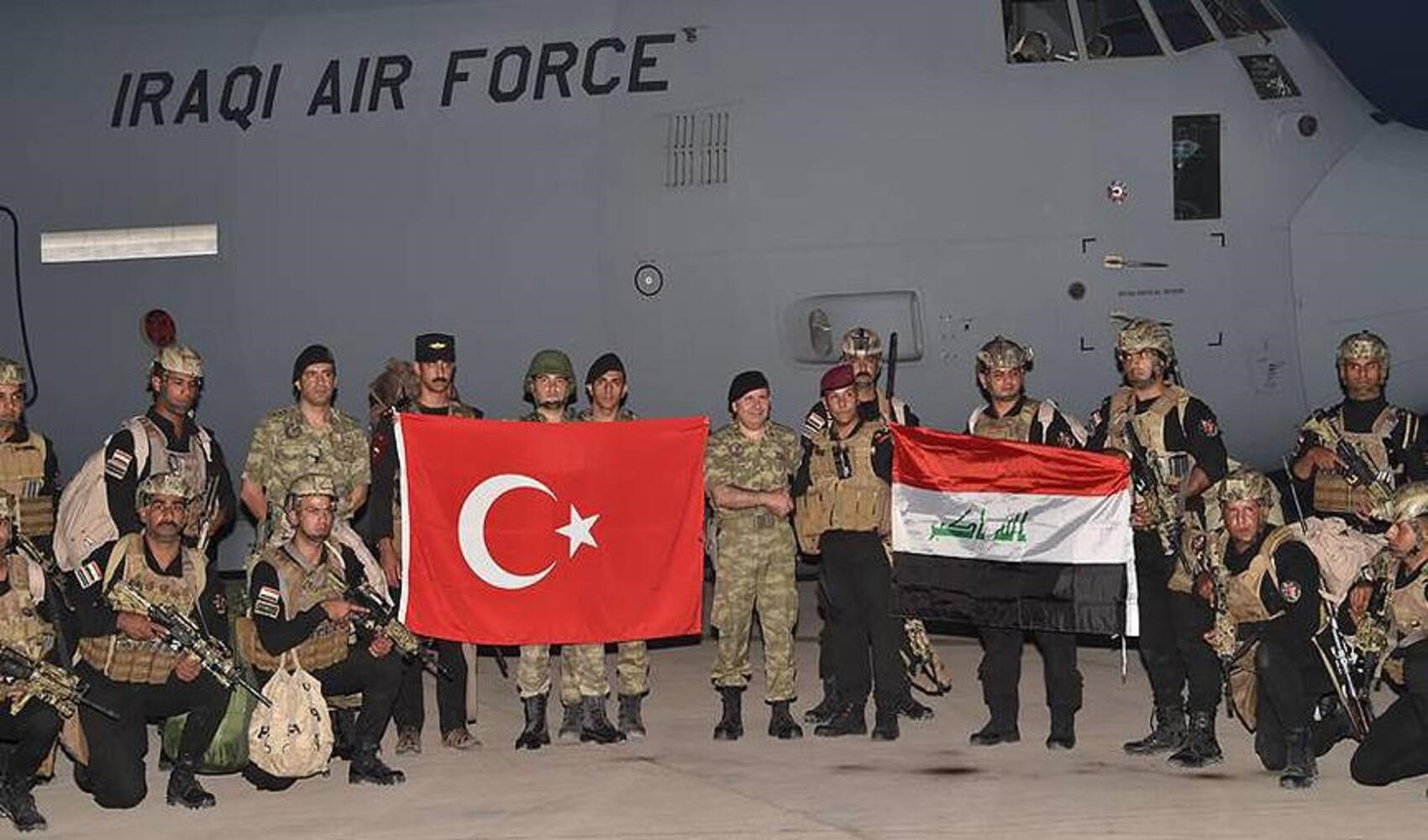
Turkish and Iraqi soldiers have held joint exercises in the past. These exercises did not continue after Iran increased its influence over Iraq
''PLAYING TO WIN IN THE MIDDLE EAST''
Weichert noted that the 'faith-based' struggle between Turkey and Iran, which has a 'centuries-old history,' has begun anew with the removal of Arab countries from the equation. The article, which points out that Turkey wants to increase its influence in the Middle East, provided information that 'all the pieces are about to fall into place' for a proxy war over Iraq. Emphasizing that think tanks have been working on this issue for some time, Weichert pointed out that Turkey and Iran are 'natural rivals' for control of Baghdad.
Weichert stated that in the last 10 years, the National Intelligence Organization (MİT) has fired everyone working on the Iran desk. The analysis cited the reason for this as many people working on the Iran desk having 'agreements' with the Islamic Revolutionary Guard Corps (IRGC).
Stating that the tension between Iran and Turkey began after the aforementioned 'agent crisis,' Weichert used the following expressions:
''The agent crisis led Erdoğan to push back against these elements. Despite all the talk over the years about cooperation between Iran and Turkey, at its core, the geopolitical relationship between Iran and Turkey has been shaped within the framework of competition.
With the loss of Syria, which is critical for Iran's influence in the region, the Israeli occupation of Syria, the presence of American forces in both Syria and Iraq, and now Turkey's entry into the region, Iran has gone on the defensive. The Israelis have inflicted massive damage on Iran's proxies over the last two years, not just on Hamas, but also on Hezbollah and the Houthis.
Israel blew up some of Iran's vital Russian-made S-300 air defenses. Now it appears that Iran is replacing these destroyed systems and restoring some reliability to its air defense network. However, Iran has never been this weak.''
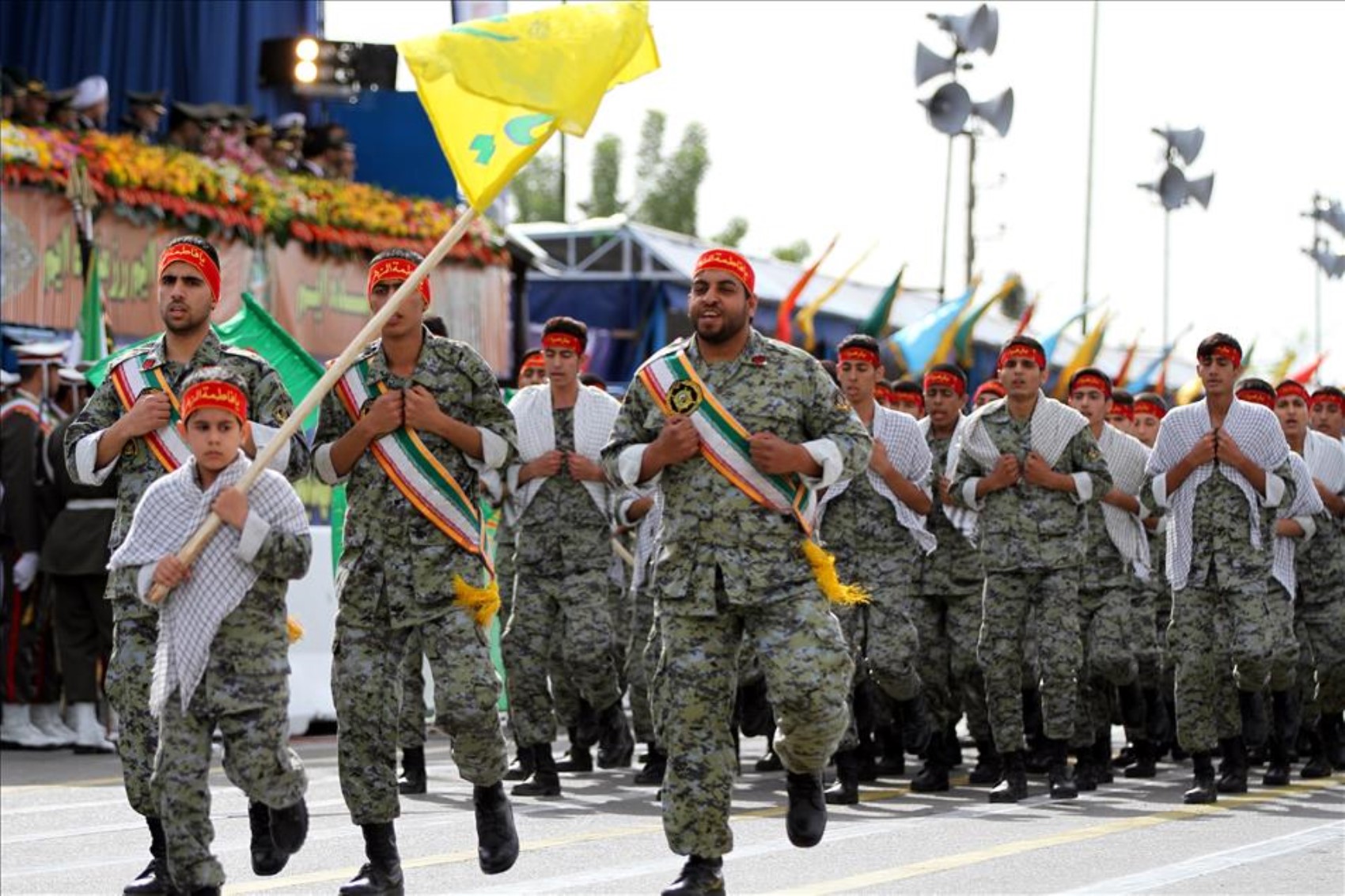
Iranian-backed Shiite militias play an active role in the defense of Iraq. In Iraq, groups under Iranian influence are coming into conflict with Kurdish and Arab tribes and political entities over state administration issues
THE FUTURE OF TURKEY AND IRAN
Weichert suggested that the geography where Turkey will work to increase its influence after Syria will now be Iraq. According to the analysis, Turkey's goal will be to completely erase Iran's influence in the region.
Predicting that the tension between the two countries will increase, Weichert added the following:
''As the situation between Iran and Turkey worsens, it is even possible that the Turks will try to use their impressive intelligence capabilities to secretly assist enemies of the Iranian regime inside Iran and topple the Islamic Republic. The conflict between Turkey and Iran will define the geopolitics of the Middle East for at least the next decade. Turkey is likely to be the winner of this struggle.''
The National Interest analysis also claimed that if Turkey neutralizes Iran, it could come into conflict with Israel. Pointing to the close relationship between Turkey and Palestinian groups, Weichert stated that a struggle could begin between Israel and Turkey 'after the Iran problem is solved.'
News Source: 12punto