Compiled by: Suat TEKİN - 12punto.com.tr
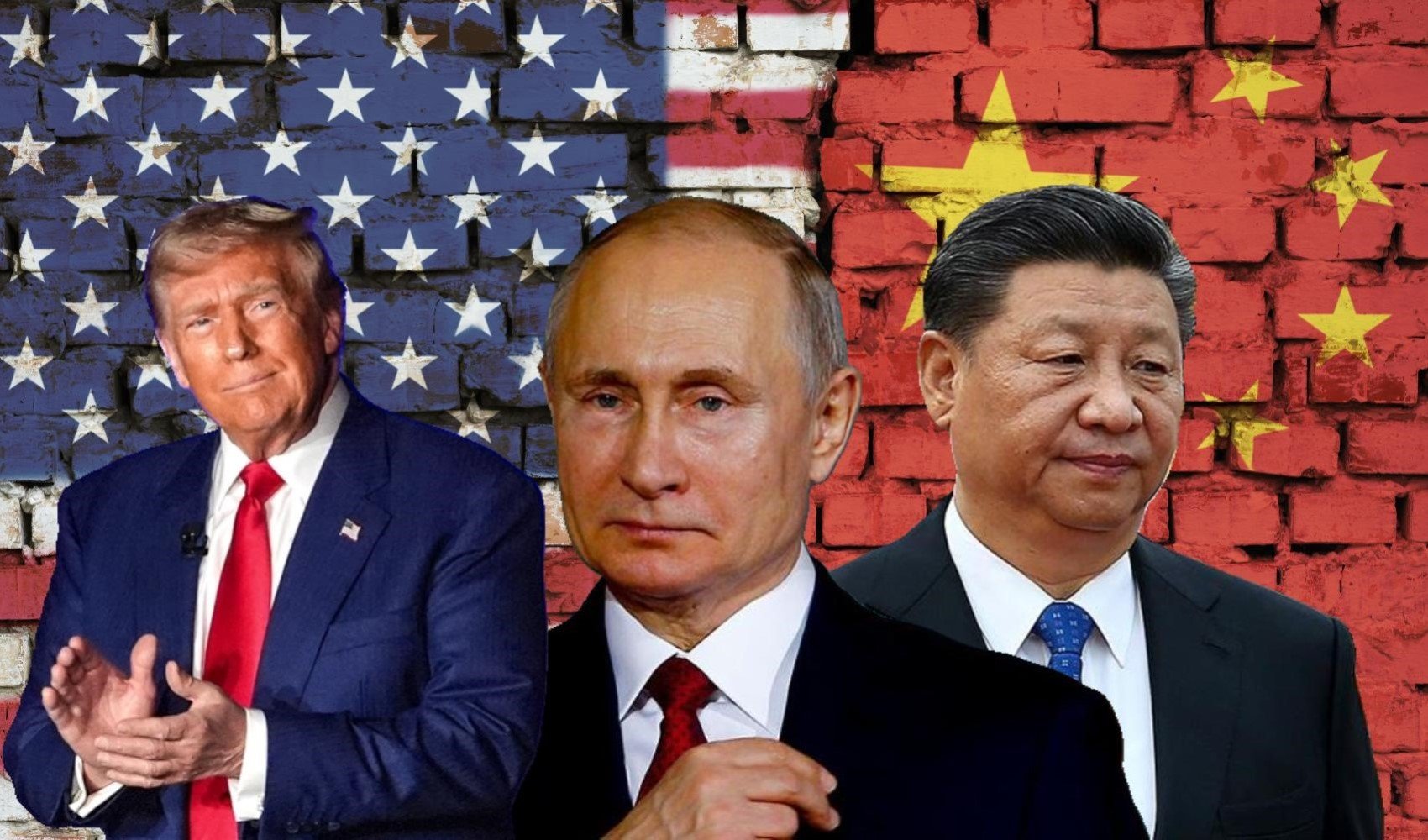
US President Donald Trump has sat down at the negotiating table to end the Russia-Ukraine War, even at the cost of falling out with European allies. Western media has suggested that this move is a step taken to target China and the Middle East. However, according to some experts, although Trump aims to position American troops against the Asia-Pacific and Iran, he is not aiming for an endless conflict with China. According to a report in the US press, the US President has stopped viewing China as a long-term target. In Asia-based analyses, it is stated that the real reason underlying Trump's policy choices is the rise of a multipolar world order.
Expressing that he wants to meet with Chinese President Xi Jinping soon, Trump has moved to persuade the world's largest manufacturing economy to buy American goods. Trump stated that he is interested in a deal that includes significant investments and commitments for the Chinese to purchase more American products.
The potential meeting between Trump and Xi will not only aim to reorganize the trade between the two countries. Sources close to the White House reported that the US President wants to make the 'trade deal of the century' with the Chinese leader.
According to a report by The New York Times, Trump will bring up the issues of reducing nuclear weapons and signing a comprehensive trade agreement in his meeting with Xi. This claim came after Trump imposed a 10 percent additional customs duty on Chinese products on February 1. Trump described the tariff move as an 'opening salvo.'
The US defines China as a 'national security threat' to itself. Despite this, the two countries cooperate closely on a range of issues such as nuclear security, technology sharing, and pandemic preparedness. Trump has also threatened to 'end normal relations' in these areas.
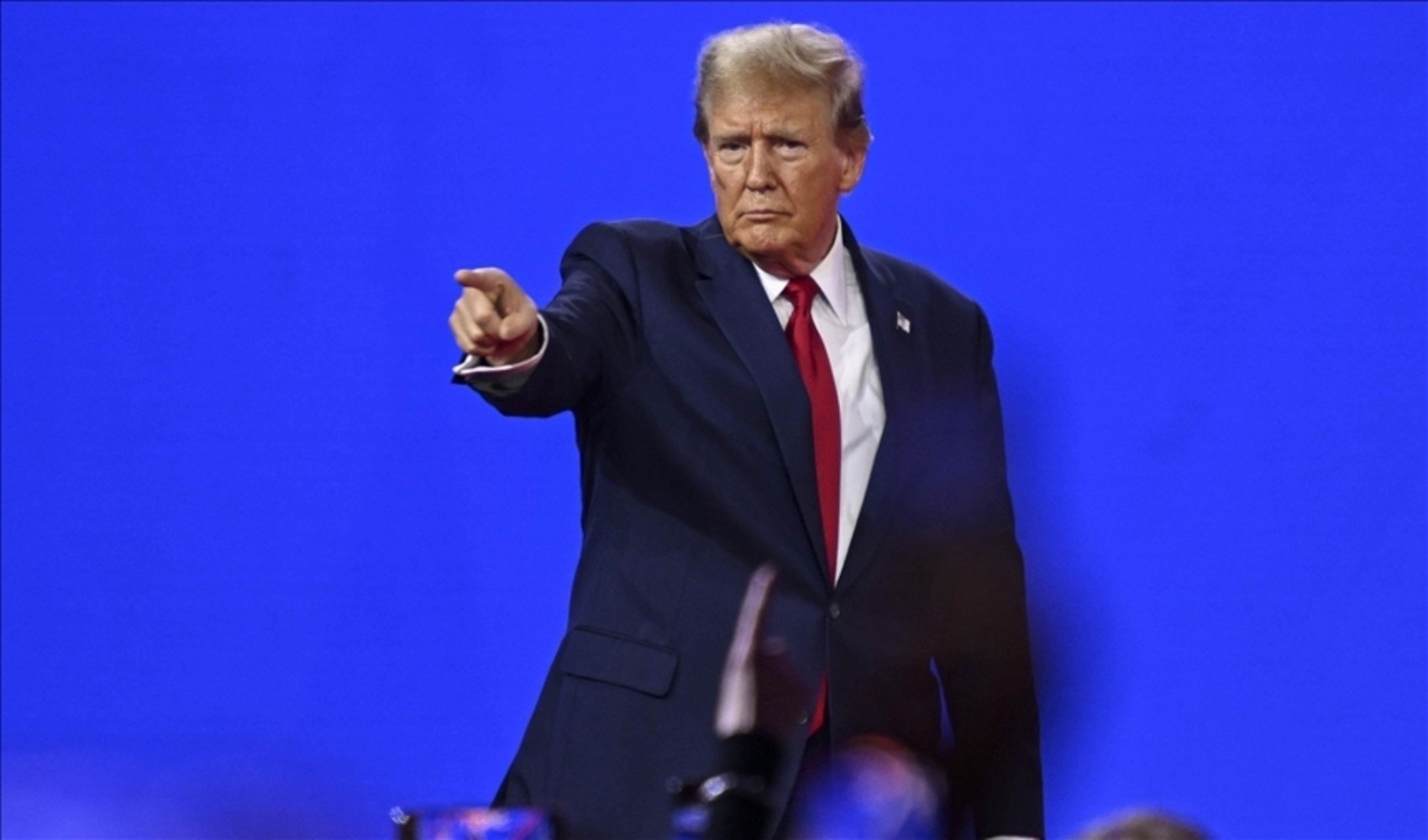
TRUMP'S APPROACH TO CHINA
The future of China-US relations will be reshaped by the steps Trump takes. While the two countries 'kept their distance' during the era of former President Joe Biden, the tensions experienced during Trump's 1st presidential term have been left behind. On the other hand, the 2nd Trump term began with the re-escalation of tension between China and the US.
China expert Michael Pillsbury stated that the President told him a few months ago that he 'wants to make a deal with Xi Jinping that will benefit both sides.'
In an interview with the NYT, Pillsbury noted that the Trump team is addressing issues such as who will take responsibility for the talks and how China can be brought back to the negotiating table, and included the following statements in his report:
''Mr. Trump does not seem to have a strong ideological stance on US technology restrictions toward China or Taiwan; on the contrary, he sees them as a source of pressure on Beijing.''
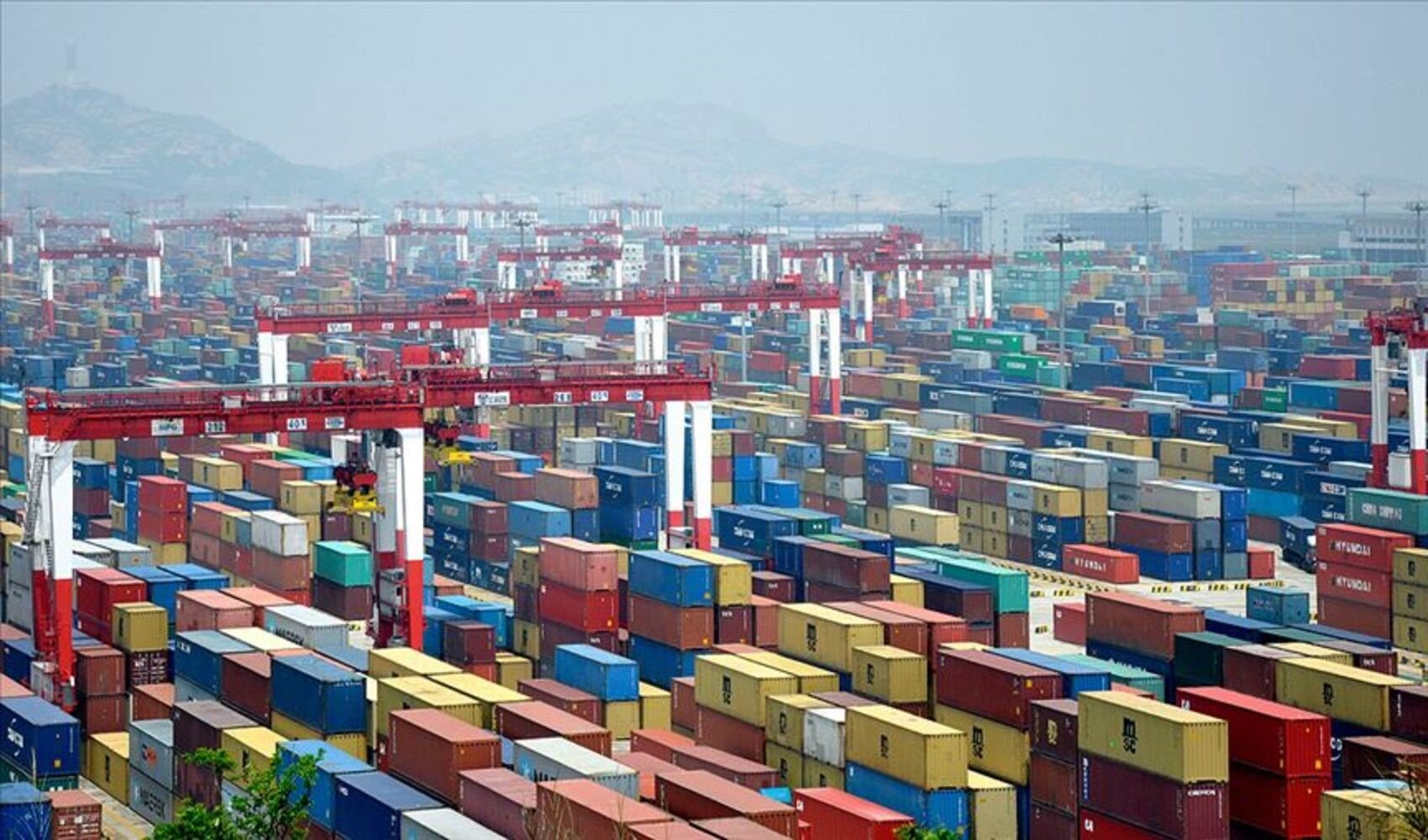
'The US is the country to which China exports the most. Trump's additional tariff decision has not yet negatively affected this relationship' The Economist
'NEW ORDER' REPORTS IN THE WORLD PRESS
The reason underlying this approach of Trump toward China may be his belief that the unipolar world order has ended. Political analysts emphasized that in a multipolar world order, major powers establishing stable relationships is more important than loyalty-based ties established with allies.
In an analysis in The Guardian, it was written that Trump and his team believe a multipolar world order is rising. Stephen Wertheim from Yale University, who wrote the analysis for the newspaper, stated that US Vice President Marco Rubio believes the unipolar order has ended and that the Trump administration will design its policies in this direction.
Wertheim's analysis was followed by an article by Prof. Dr. William J. Jones in Modern Diplomacy magazine. Like Wertheim, Jones drew attention to the signals Rubio gave regarding the transition to a multipolar world order. According to Jones, the US is reshaping its foreign policy in this direction not to establish global, but regional hegemony. Jones also defines the reason underlying the US's aggression toward Canada, Mexico, Panama, and Greenland as the rise of the multipolar world order.
India-based The Economic Times ran a headline on February 19 titled ''Welcome to the truly multipolar world, and we can thank marauding Trump for it.'' The newspaper pointed out that Europe could rise as a power center in the new order. According to The Economic Times, the new capitalist world order will be shaped by power relations involving mutual dependencies on a global scale.
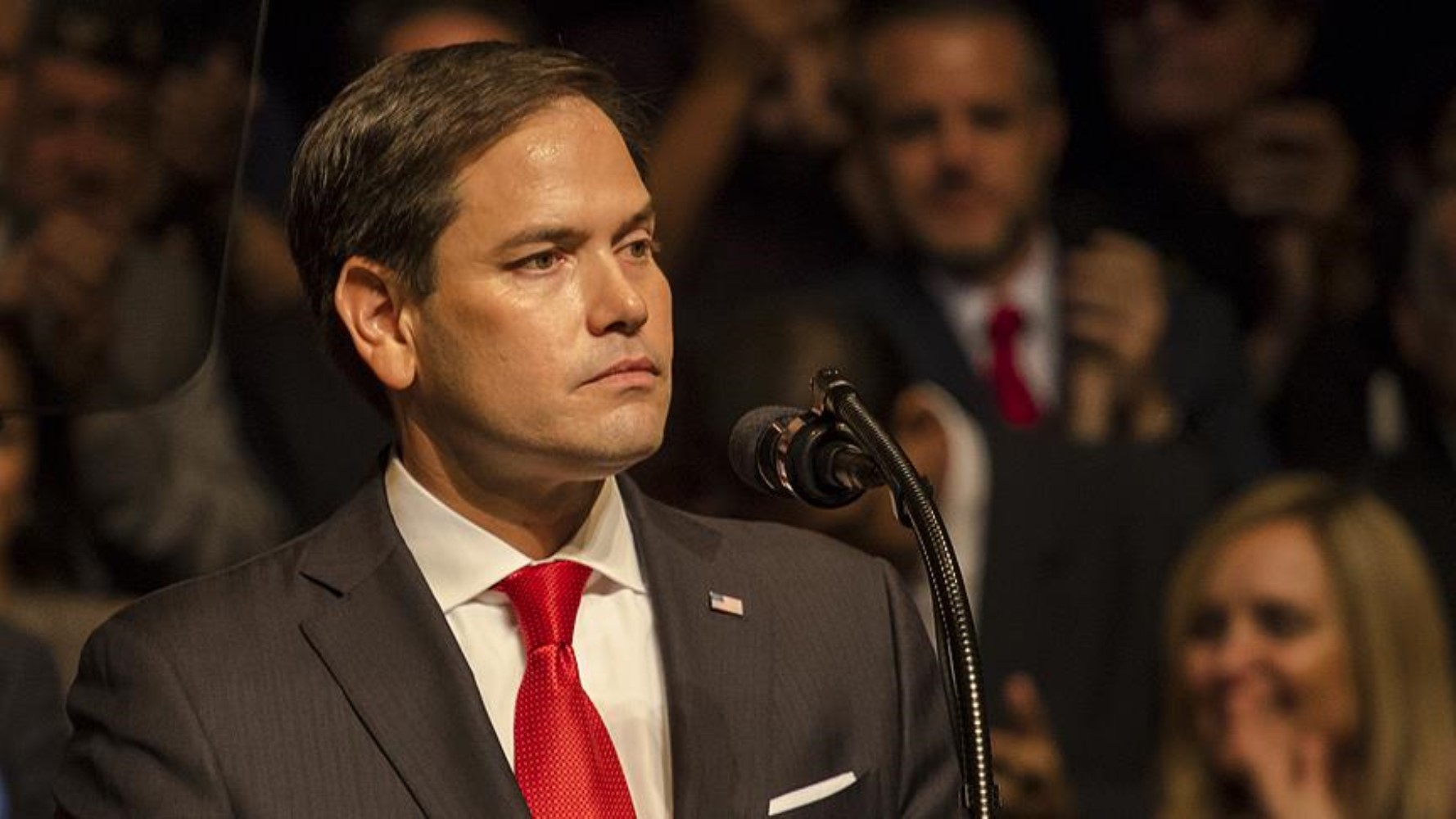
US Secretary of State Marco Rubio used the phrase 'We used to be the world's superpower...' in an interview he gave in 2016. Rubio has not made any attempt to correct or change this rhetoric in the past 9 years. The Guardian wrote that it is 'common knowledge' that Rubio believes 'a multipolar world order is rising' and that ''the US is no longer a superpower.''
News Source: 12punto