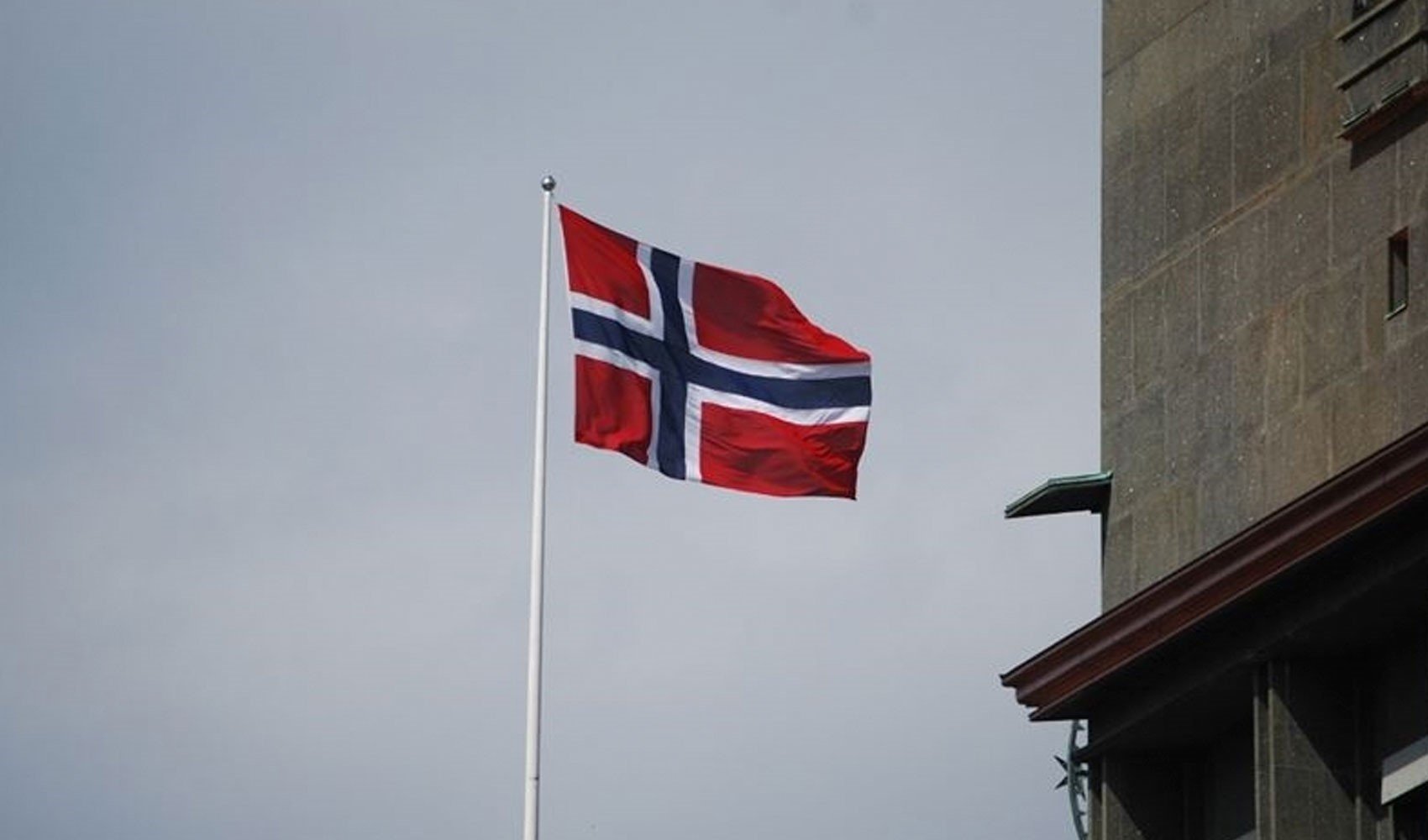
In Norway, which has a population of approximately 5.6 million, 4.3 million voters cast their ballots in the general election. The public went to the polls to determine the new deputies who will enter the 169-member national assembly, the Storting.
With more than 95 percent of the votes counted, the Labor Party (Ap), led by Prime Minister Jonas Gahr Støre, recorded a vote share of 28.1 percent.
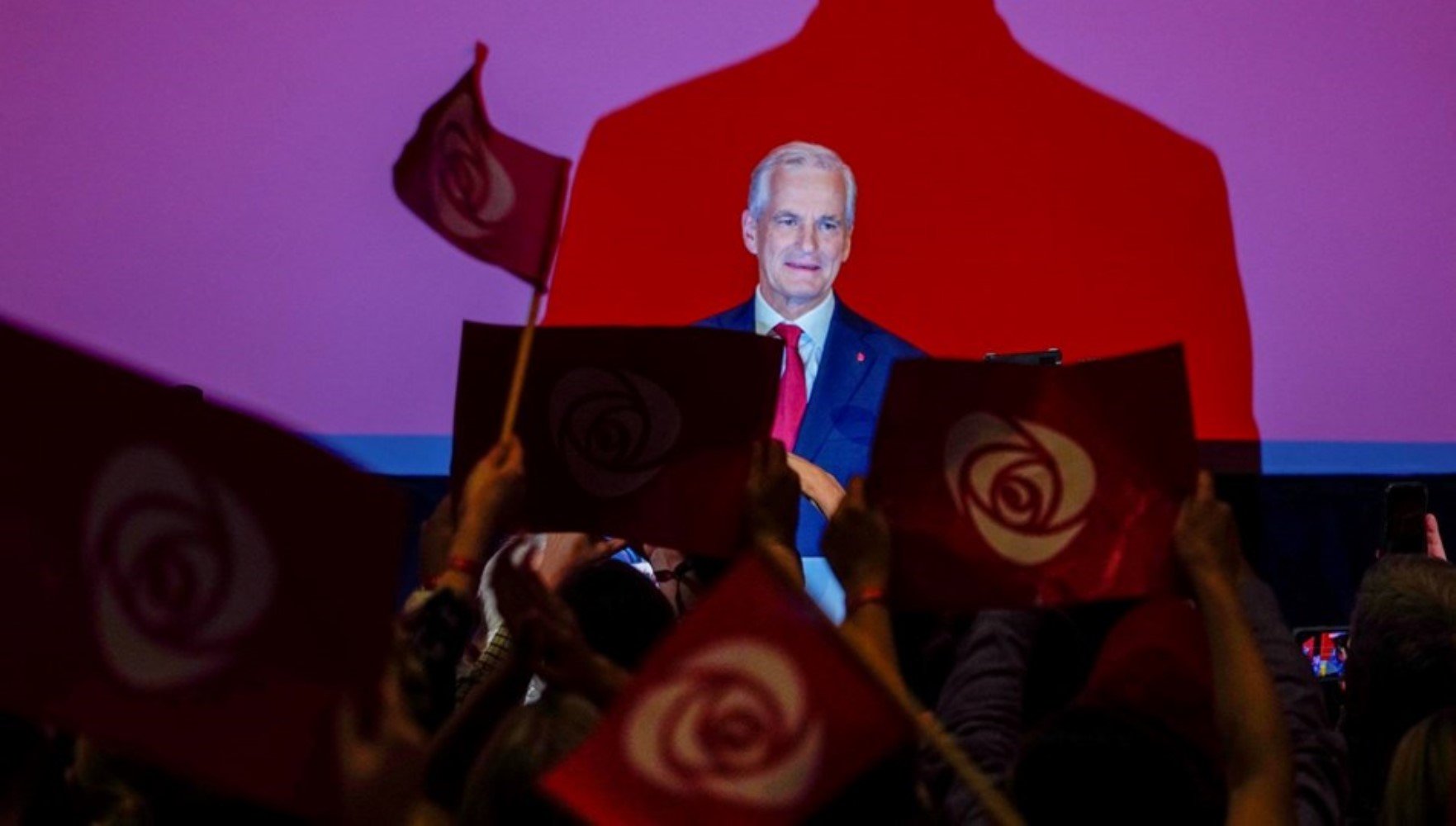
CENTER-LEFT ALLIANCE SURPASSES PARLIAMENTARY MAJORITY
According to the election results, the center-left alliance led by the Labor Party, which includes the Red Party (R), the Socialist Left Party (SV), the Green Party (MDG), and the Centre Party (Sp), won 88 seats. With this result, the alliance managed to exceed the 85-seat threshold required to secure a majority in the 169-seat parliament.
The total number of seats held by the Progress Party (FrP) and the Conservative Party (H), which are in the center-right bloc, remained at 81.
VOTE SHARES OF THE PARTIES
According to initial results, the Labor Party was followed by the Progress Party with 24.2 percent. The Conservative Party came in third with 14.5 percent, while the Centre Party took fourth place with 5.8 percent.
Among other parties, the Socialist Left Party received 5.4 percent, the Red Party 5.3 percent, the Green Party 4.5 percent, the Christian Democrats 4.3 percent, and the Liberal Party 3.6 percent.
DIFFICULT TOPICS AHEAD FOR STØRE
The election results indicate that the minority government formed under the leadership of Prime Minister Jonas Gahr Støre can maintain its power, but will need the support of smaller parties in parliament.
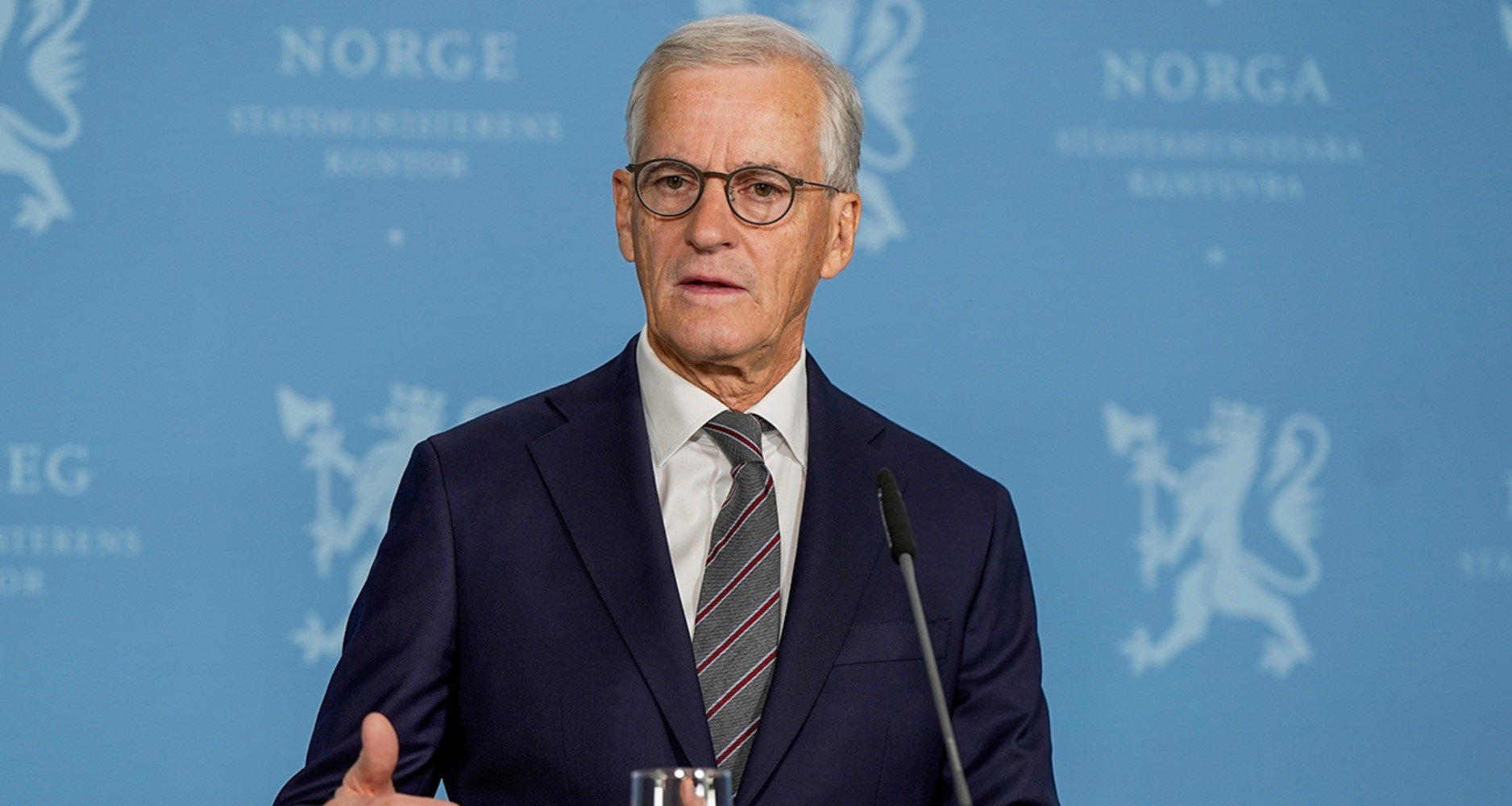
At this point, critical issues standing out in the debates include tax increases for the wealthy, the future of oil exploration activities, and whether Norway's 2 trillion dollar sovereign wealth fund will divest its investments from Israeli companies.
PRIORITIES IN DOMESTIC AND FOREIGN POLICY
During the election process, topics such as inflation, healthcare, education, and tax policies stood out in domestic politics, while issues like US tariff threats, the war in Gaza, and the Russia-Ukraine conflict were prominent in foreign policy.
GOVERNMENT HAD PREVIOUSLY EXPERIENCED A CRISIS
The Labor Party government took office in 2021 but suffered a major shake-up in January when the Centre Party left the coalition. During this period, when half of the cabinet resigned, the government's adoption of EU energy policies increased debates in the country and brought the sensitive balances regarding Norway's EU membership back to the agenda.
ALL EYES ON COALITION TALKS
Following the Labor Party's emergence from the elections with renewed confidence, coalition talks are expected to begin shortly.
News Source: İHA