


Under what historical conditions was Atatürk born?



Mustafa Kemal Atatürk and his generation were the generation that witnessed the Ottoman Empire becoming a semi-colony and being occupied. That generation saw the state slipping through their fingers and the homeland soil sliding from beneath their feet. The military training and youth of that generation of heroes were spent thinking about the future of the homeland, the nation, and the state.
The era was a period when multinational empires were collapsing. The world was rapidly heading toward the First World War. The objective conditions were against the Ottoman Empire. Neither the resistance organized in Tobruk, Derna, and Benghazi, nor the epic heroism and great success at Gallipoli, nor the hundreds of thousands of martyrs given in Yemen, Sarıkamış, and the Sinai Desert could change the end awaiting the empire. As a result of the wars that began with the Tripolitanian War against the Italians in 1911, continued with the Balkan Wars in 1912-13, and ended with the First World War between 1914-18, the state was destroyed, the homeland was partitioned, and a significant part of the country, including the capital Istanbul, was occupied. The people were miserable, unorganized, hopeless, poor, and weary.
It was under these conditions that Mustafa Kemal Pasha arrived in Samsun on May 19, 1919. He initiated the War of Independence, which would be fought for the Republic—which he said he "kept like a national secret in his conscience"—in such an environment. While preparing for the Amasya Circular and the Erzurum and Sivas Congresses respectively, he also worked in Anatolia to organize the nation and establish a national army.
When he set out from Sivas, the tires of two of the three dilapidated cars were stuffed with rags. The gasoline and tires for the car Atatürk rode in were purchased with borrowed money. Under these difficult conditions, the decision to "reject mandates and protectorates" was also adopted in Sivas. All patriotic organizations were united under a single roof in Sivas under the name of the Society for the Defense of Rights of Anatolia and Rumelia. The Representative Committee was established in Sivas, and Mustafa Kemal Pasha was elected as the head of this committee in Sivas as well.
GREAT NATION, VETERAN ASSEMBLY, HEROIC ARMY
While the Grand National Assembly of Turkey, which opened on April 23, 1920, was making decisions regarding the future of the nation with representatives coming from all over the country, the heroic Turkish Army under the command of the Veteran Assembly drove the enemy out of the country. With the liberation of Izmir, whose mountains were blooming with flowers, from enemy occupation on September 9, 1922, the armed phase of the war ended, and the Turkish Nation taught imperialism a lesson it would never forget.
But the real war was just beginning. The war against poverty, destitution, ignorance, backwardness, and bigotry would be much tougher. The young Republic would enter the war of enlightenment, modernization, and development under much more difficult conditions.
The Turkey Economic Congress, which gathered in Izmir between February 17 and March 4, 1923, even before the signing of the Treaty of Lausanne and the proclamation of the Republic, gave the world the first signs of the young Republic's jealousy regarding full independence and national sovereignty. Gazi Mustafa Kemal, who said, "There is no independence without economy," was aware that military and political victories would fade away in a short time if they were not complemented by economic victories. He was determined to structure the young Republic as an "economic state," in his own words.
The Republic was proclaimed on October 29, 1923. Atatürk, the only leader in the world who carried the title of "head teacher" among his other titles, was on one hand teaching his nation to read and write with new letters at the blackboard, and on the other hand, finding Turkish equivalents for more than 300 foreign words in fields ranging from geometry to military science. At the same time, he was writing a Civics textbook for citizens. According to Atatürk, who personally took an interest in language and history studies and spent a significant part of his time on the annexation of Hatay—which remained outside the country's borders—to the motherland, "The Republic is virtue."
THE REPUBLIC IS PUBLICISM AND PLANNING
While the infrastructure of a modern, enlightened, free society and an independent and strong country was being prepared through revolutions, Turkey, which was rapidly industrializing, was one of the three fastest-growing countries of the era. The Turkish people, who became a state while becoming a nation and became a nation while becoming a state, celebrated the 10th anniversary of the Republic with great enthusiasm and self-confidence under the leadership of Atatürk, who said, "The Republic is especially the protector of the unprotected."
Schools were being opened, factories were being established, and every corner of the country was being woven with iron nets. With People's Houses, People's Rooms, national schools, and village institutes, Anatolia was waking up from the darkness of centuries and becoming aware of being a citizen. While the young Republic was becoming an example to the entire Islamic world, oppressed nations, and underdeveloped countries from Iran to Afghanistan, it was also gaining the respect of the West. Ankara, the heart of Turkey, was hosting foreign heads of state, kings, princes, and generals who came to visit Atatürk.
Atatürk's Turkey, which said, "My spiritual legacy is reason and science," also inspired underdeveloped countries with what it achieved after the liberation and establishment. Atatürk's jealousy, uncompromising nature, and sensitivity regarding full independence and national sovereignty were appreciated all over the world.
It is no coincidence that Mustafa Kemal Atatürk gave the names *İrade-i Milliye* (National Will) and *Hakimiyet-i Milliye* (National Sovereignty) to the newspapers that were the spokespersons of the War of Independence. It is no coincidence that the forces fighting for the independence of Anatolia were called *Kuvayı Milliye* (National Forces) and the organization in Sivas was called the Society for the Defense of Rights of Anatolia and Rumelia.
ATATÜRK'S LEGACY TO THE YOUTH: THE REPUBLIC
It is also very meaningful that Atatürk gifted each of the four important dates of the National War of Independence to a social segment as a holiday. The celebration of April 23, the date the Grand National Assembly was opened, as a national sovereignty holiday and its gifting to children reveals the trust placed in the adults of the future and the responsibility that falls upon them. The gifting of May 19, when the National War of Independence began, to the youth; August 30, when the Great Victory was won, to the heroic army; and October 29, when the Republic was proclaimed, to the nation are also proofs of the Republic's claim. Mustafa Kemal entrusting the Republic to the youth, to whom he said, "You will follow my path without tiring," shows the great leader's revolutionary spirit, modernity, and determination.
The following words of Falih Rıfkı Atay, one of Atatürk's close colleagues and a brave pen of the Turkish press, addressed to the young generations, still maintain their relevance and validity today.
"Young people, do not forget Atatürk so that you do not suffer what we suffered and do not make this people suffer it again. Mustafa Kemal was ours, Atatürk is yours."
Would you like to get notifications about new developments and save news?
- NotificationsNew developments and breaking news
- SaveNews is stored in the app
Most Read
Video response to Kim Jong-un claims
Murat Ağırel’s police statement has been revealed
The Orionid meteor shower will be visible from Turkey!

Fatoş Seğmen reveals the cause of her daughter's death
Latest status in the race between AKP and YENİ Party revealed
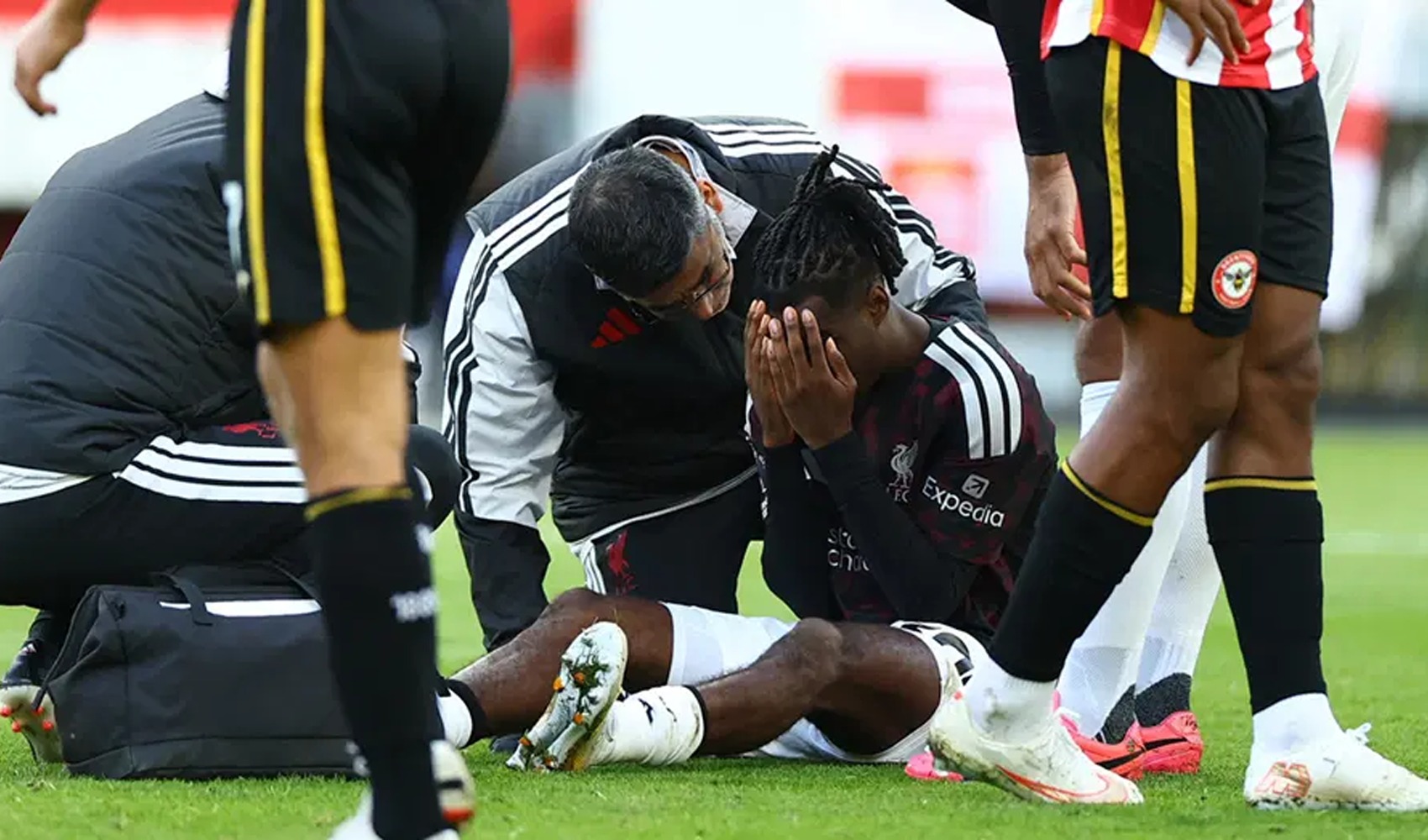
Injury shock at Liverpool: He may miss the Fenerbahçe match
From brotherhood to a distant partnership...

Who authorized the concert held in a parking garage?
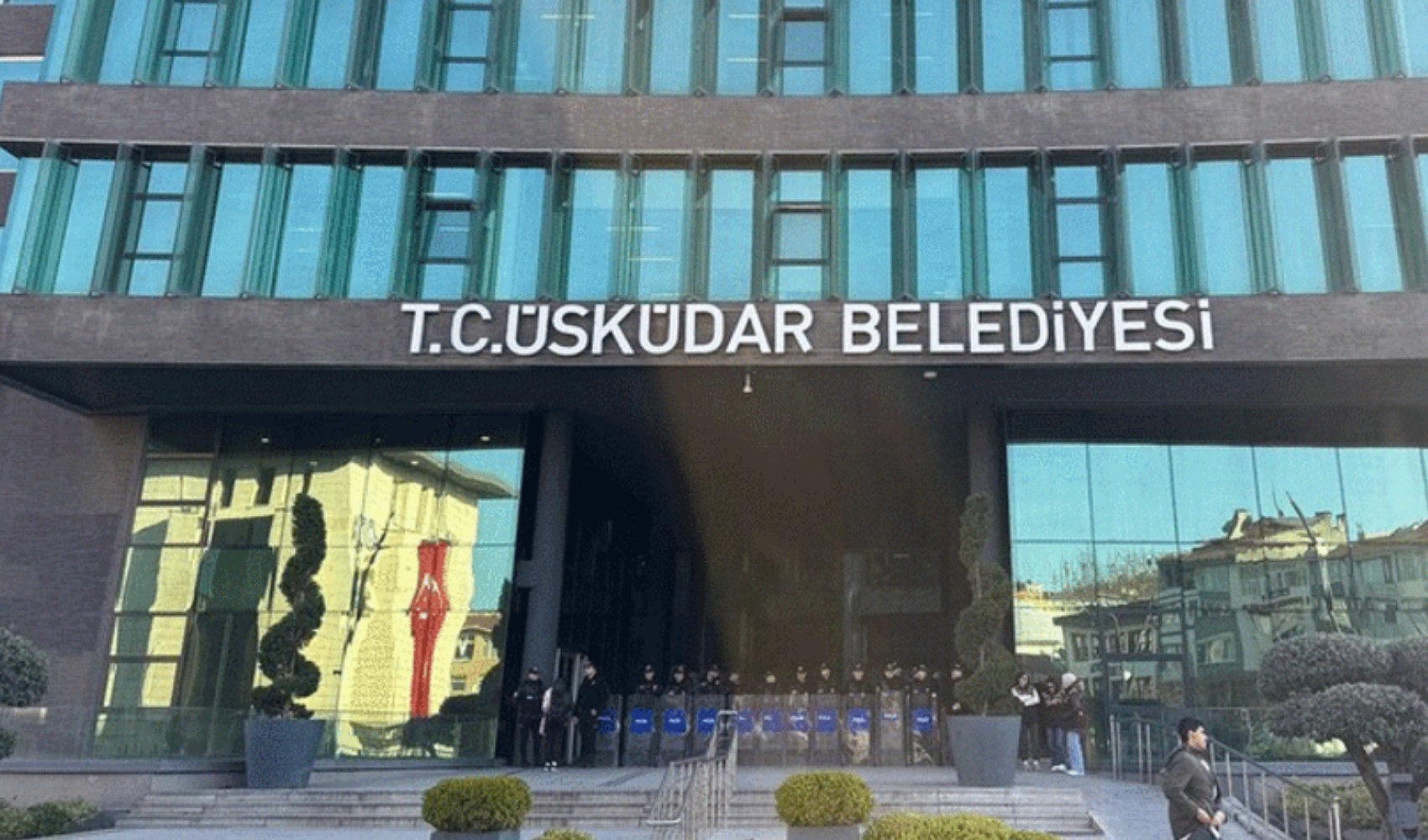
Acting mayor of Üsküdar has been determined
Good news from Izmir, may Istanbul be next