


Why have we turned into a ‘schizophrenic’ society?



Turkey is going through a difficult bottleneck as a society. Crime, violence, suicide, and murders are becoming ordinary events of daily life. Not a day goes by without a violent incident appearing in media reports. Every day, we are shaken by news of brutal violence that is even more blood-curdling than what we have experienced in the past.
Women and children are subjected to intense male hatred, resentment, and violence. Outbursts of anger result in deaths. Guns go off for trivial reasons on the road, in traffic, at home, and in the workplace. Patriarchal pressure and violence against women continue at full speed both within and outside the family. The perpetrator who neglects and abuses is almost always male. Just as in the cases of the perpetrators of our daughters Özgecan, Narin, and Ayşenur.
So, how did we get to this point? What lies behind the dominance of violence in every segment of society and the adoption of violence as a method of problem-solving? How are we to interpret the schizophrenic behaviors occurring in society? How will we emerge from this pathological state?
In my opinion, Turkish society is going through the chaotic crisis that Western European societies experienced in the 18th century, which Durkheim and Merton conceptualized as ‘anomie’ and Marx as ‘alienation.’ According to these sociologists, societies that cannot experience healthy migration, urbanization, and industrialization processes, and which are turned upside down by deep economic crises, undergo an ‘anomic’ process of ‘social regression.’
During transition periods, normlessness (lawlessness), disorder, meaninglessness, hopelessness, collapse, and chaos dominate the social formation. Mental breakdown, burnout syndrome, and a sense of learned helplessness become widespread among individuals and families. A great anomie is experienced. A significant regression is observed in institutional functioning. The ethos of living together as a society and traditional bonds erode. Rules, institutions, and values enter a process of dissolution.
‘Social research’ conducted in our country indicates that security concerns, fear, anxiety, and hopelessness have taken root in the psychological world of ordinary people. In the mental codes, thought patterns, and collective symbolic system of society, ‘future anxiety’ and ‘risk perception’ are on a steady upward trend. German sociologist Ulrich Beck defines post-modern society as a ‘risk society’ and uses ‘risk’ to describe being in a systematic relationship with the dangers and insecurities caused by modernization. In his famous novel “Disorderly World” (original title: *Le Dérèglement du monde*), Amin Maalouf mentions that our civilization is tending toward exhaustion. He writes that he is witnessing an age where the Enlightenment era is faltering and weakening, and where fanaticism, violence, exclusion, and hopelessness are on the rise.
Figures in TUIK and World Happiness reports show that we are an unhappy society. The World Health Organization report states that 4.5% of the Turkish population is depressed. According to Ministry of Health data, antidepressant use increased by 27% between 2013 and 2017. Of course, the deterioration of our social mental health is closely linked to factors such as economic crisis, livelihood difficulties, and depression.
Despite all these negatives, the current administration and institutions are having difficulty fulfilling their duties and responsibilities. Social and public services are not being provided to the public sufficiently to ensure social peace.
Social services and security services for families and individuals who are left alone and helpless need to be re-planned. A strong social state and social solidarity networks must be built. Studies that will eliminate the multi-dimensional pressure on women, in particular, must be put into effect. Social awareness against violence must be increased, and it must be ensured that the fact that violence is not a ‘problem-solving method’ is spread to society through a total mobilization for education.
In order to understand the current causes of violent incidents, it is of critical importance to collect the necessary data through periodic research and to implement solution policies in light of this data. Impact analyses of projects that have been in practice to date but are not functioning should be conducted, and they should be re-planned. In the fight against violence, which is a collective problem of society, the central government, local administrations, civil society, and universities must work in cooperation and coordination.
Would you like to get notifications about new developments and save news?
- NotificationsNew developments and breaking news
- SaveNews is stored in the app
Most Read

National Anthem surprise from Japanese Ambassador
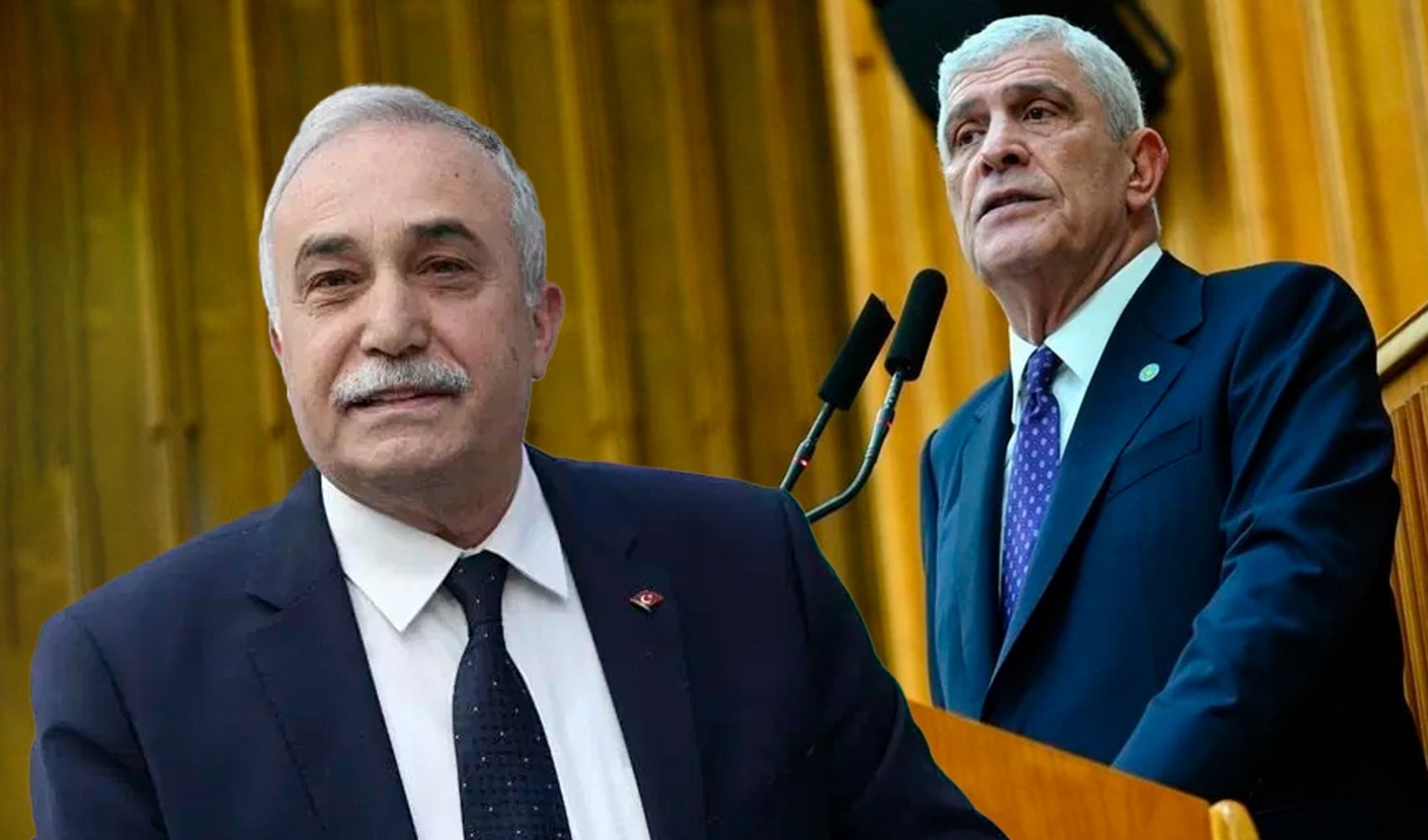
Response from Fakıbaba, who resigned from İYİ Party, to Dervişoğlu
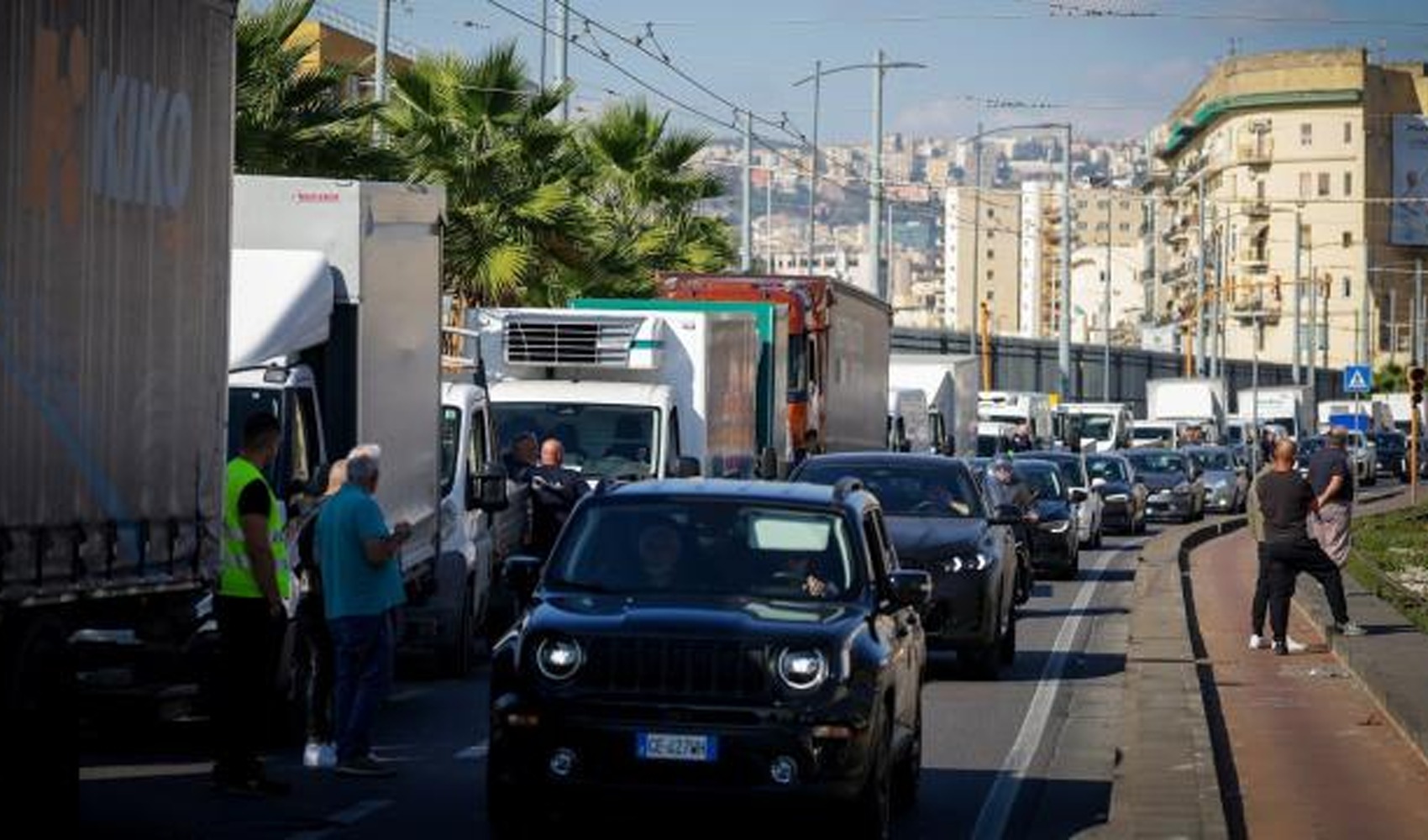
Diesel protest in Italy brings roads to a standstill

Diyanet Foundation, which claimed 'we have no resources,' owns 73 percent of the fund!
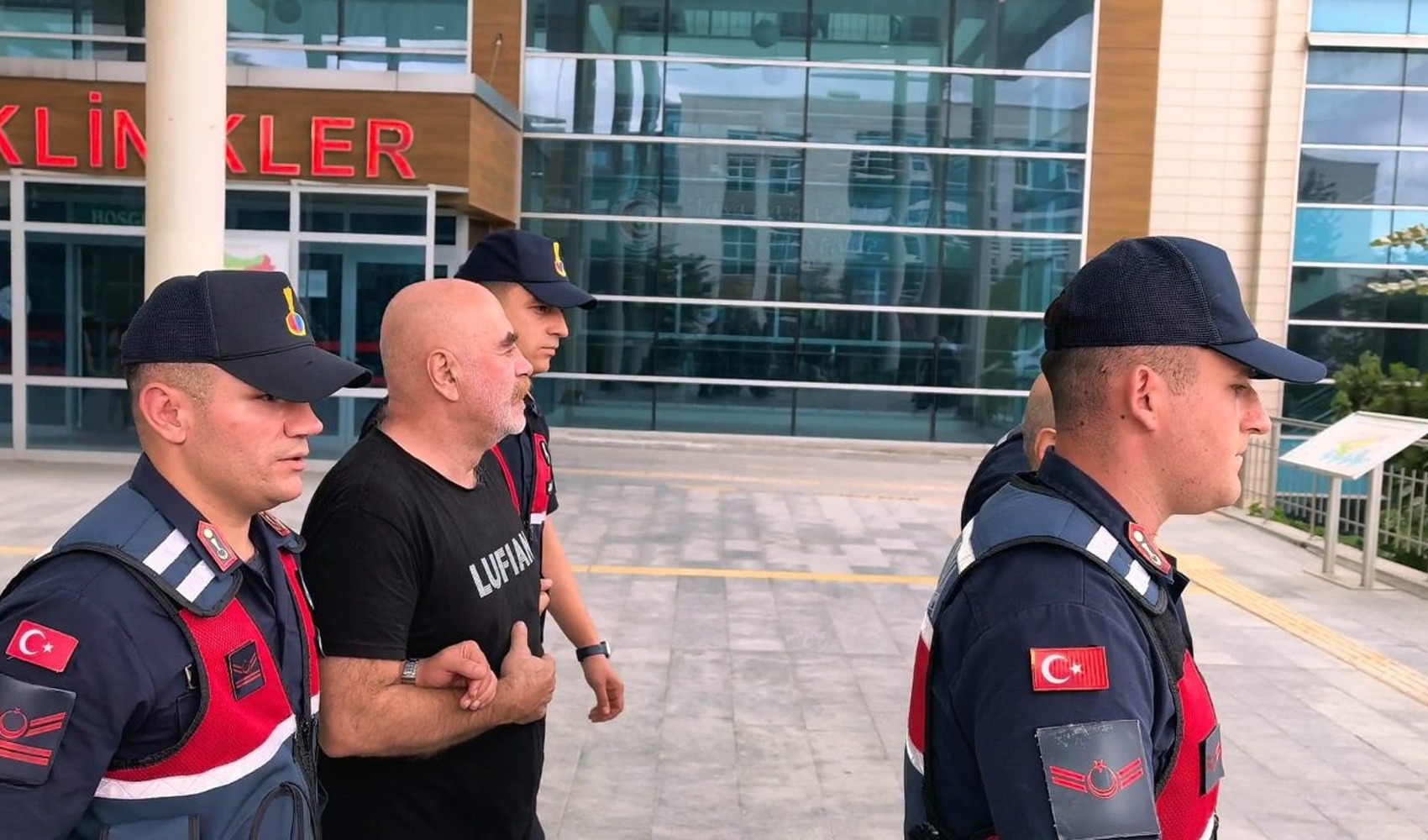
Ezel Akay and his brother's test results came back positive

We must first be united for the championship

Social media influencer sets himself on fire during live stream

Paşa Döner prices at Istanbul Airport become a hot topic

Is it time for the Turkish Parliament to revoke its 31-year-old 'Casus Belli' decision?

'From a Journalist’s Pen: The Tüfekli File'