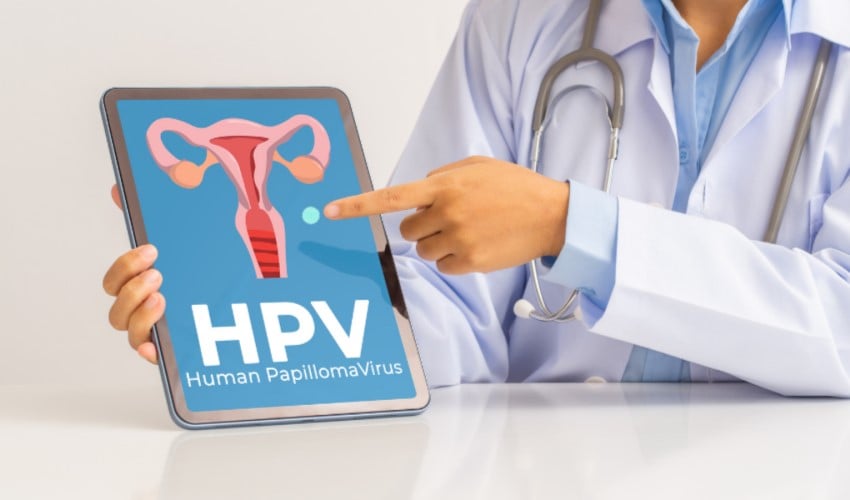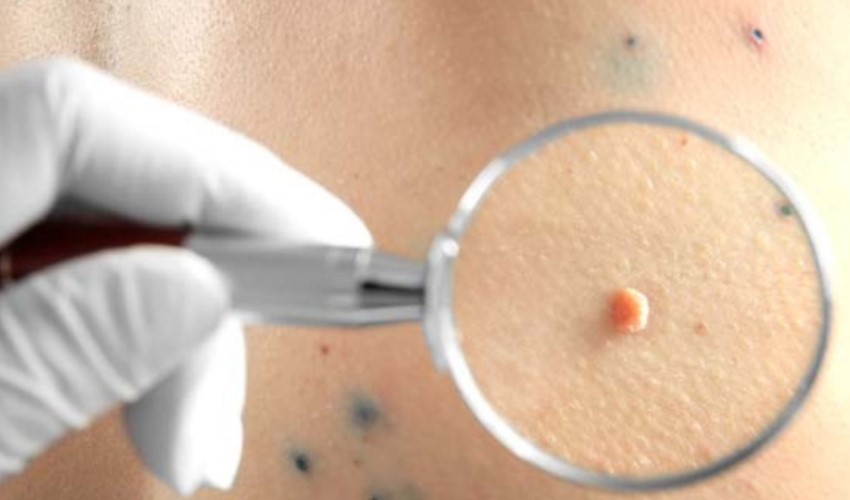
There are many subtypes of HPV; HPV types are generally classified as low-risk types found in genital warts and high-risk types associated with cervical cancer.
HPV is a virus that is usually transmitted sexually, but it can also spread in other ways. Unprotected sexual intercourse can increase the risk of transmitting the virus.
HPV in a mother's genital area can be transmitted to the baby during birth. However, this is quite rare. HPV can also spread through other ways of contact, but this is less common. For example, contact with infected skin can cause the virus to be transmitted.
It is known that genital warts or cancer can develop, especially in individuals with weak immune systems or those infected with certain HPV types.
Biochemistry Specialist Prof. Dr. Ahmet Var explained the steps to be taken to prevent the transmission of HPV.
WHAT SHOULD BE DONE TO PREVENT HPV TRANSMISSION?
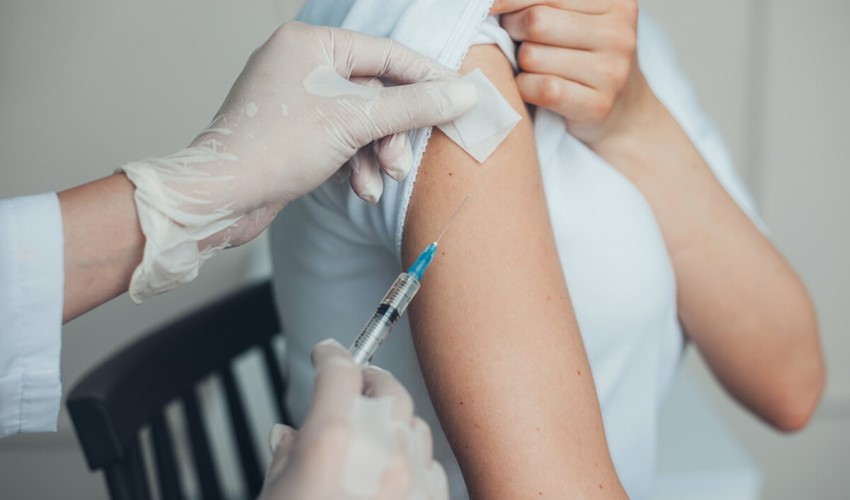
- Vaccines provide protection against specific HPV types and prevent transmission through sexual contact. Using a condom during sexual intercourse can reduce the risk of HPV transmission, but it does not provide complete protection.
- Sexual health check-ups and regular doctor examinations can help detect HPV and other sexually transmitted infections early.
- If you have received a positive HPV test result, the first step is to communicate with a healthcare professional. This person will usually be a gynecologist or a specialist physician in the relevant field.
- A person who tests positive for HPV may be directed to have a Pap smear and other relevant tests depending on your doctor's recommendation. These tests can help detect precancerous cell changes or cancer at an early stage.
- If you have not been vaccinated before, your doctor may recommend the HPV vaccine to you.
- HPV vaccines can provide protection against certain high-risk types, especially in young individuals.
- A positive HPV test does not mean you will get cancer, and in many cases, it is cleared by the immune system.
News Source: 12punto