According to Veterinarian Uğur Selin Çelik, when stool remains in the intestine for a long time, intestinal cells can absorb more water than normal. This makes our friends' stool even harder.
"As your cat continues to eat, other stool accumulating in front of the stool that cannot be expelled from the body joins this process. Excessive accumulation causes our friends' intestines to be unable to handle this capacity and leads to the emergence of a disease called Megacolon," warned Veterinarian Uğur Selin Çelik, who provided important information about digestive problems in cats:
"Megacolon can be defined as the permanent dilation of the large intestine diameter and the cessation of movements or obstruction as a result of chronic constipation. Symptoms may not be as obvious as they are in humans. If your cat or dog has not defecated for more than 48 hours, there may be serious problems and it must be examined by a veterinarian. The most common cause of megacolon is chronic constipation caused by nutritional disorders. Çelik added, "Endocrinological, neurological problems, or a broken hip bone can also lead to Megacolon."
Çelik also stated that sometimes Megacolon can occur for unknown reasons.
TOXINS TRIGGER POISONING
Veterinarian Çelik continued his words as follows:
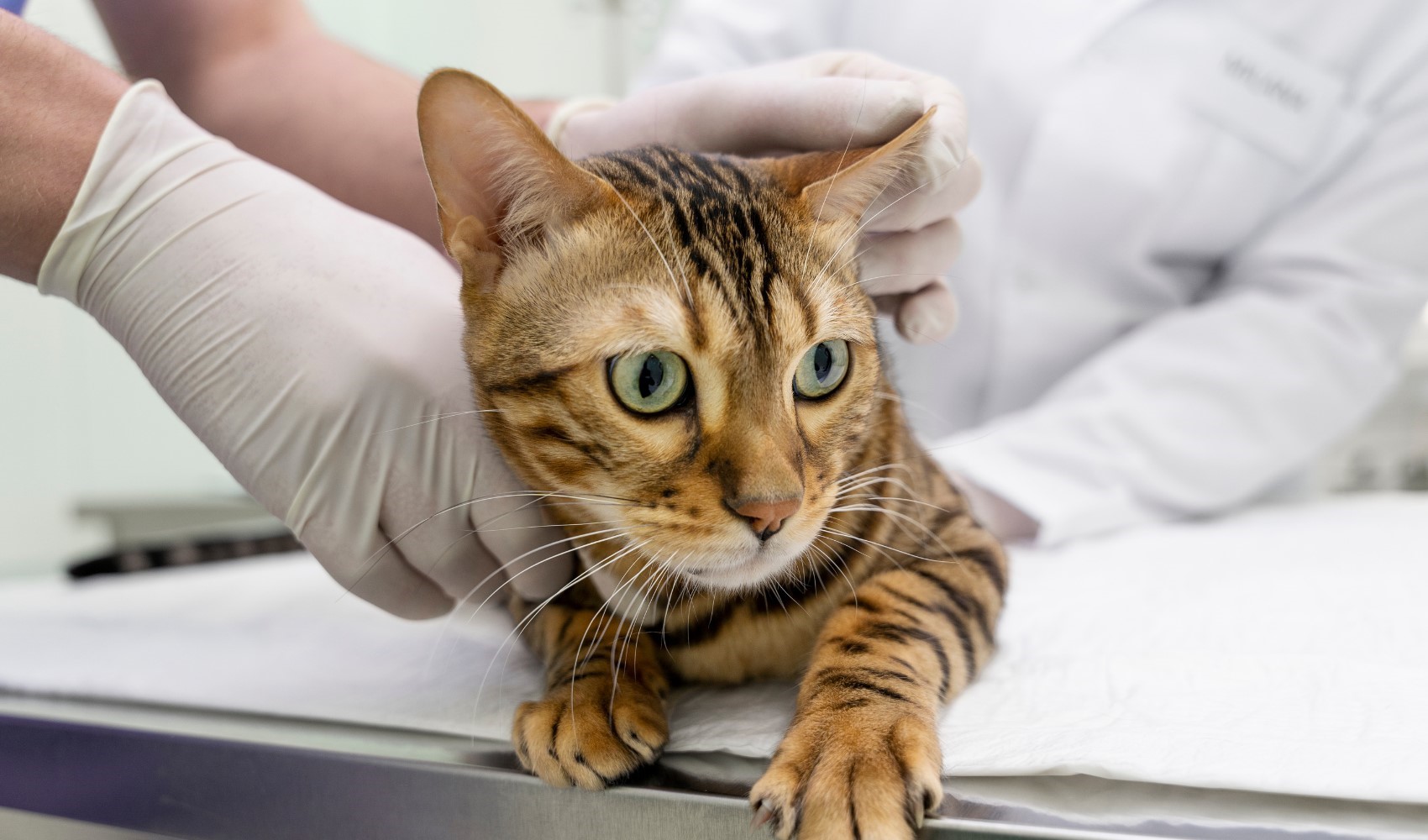
"In Megacolon cases, the stool becomes so hard that it becomes impossible for the patient to defecate without clinical intervention. In this case, your cat or dog tries to expel what it has eaten by vomiting through the mouth. In addition, toxins absorbed from the stool trigger vomiting and poisoning effects. As a result, our furry friends may experience weakness, loss of appetite, and weight loss. In our clinic, we start treatment quickly after making a definitive diagnosis with an X-ray."
IT CAN ALSO HAPPEN IN DOGS
Emphasizing that frequent enemas are not a solution, Çelik said that they recommend surgical intervention if the situation recurs.
Stating that Megacolon can be seen not only in cats but also in dogs, and therefore it is important to consult a veterinary clinic without taking the situation lightly if your pet is frequently constipated, Çelik concluded his words by saying, "During the treatment process, special nutrition plans, probiotics, or surgical intervention when necessary may be recommended."
News Source: 12punto