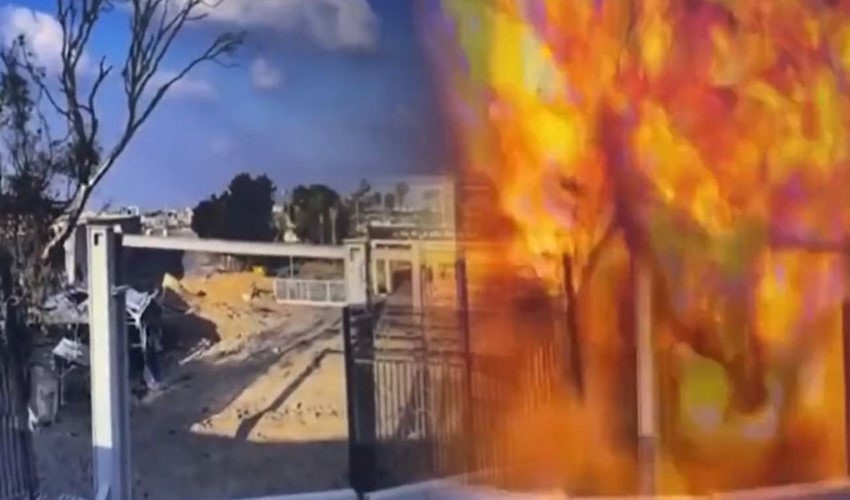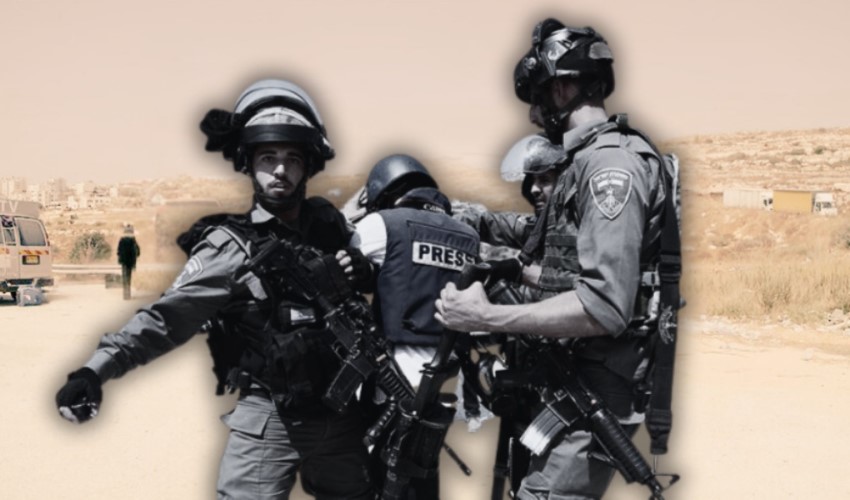
While the conflicts between Palestine and Israel continue, according to the latest data, the number of Palestinians killed has risen to 2,750, and the number of Israelis to 1,300. Fuel reserves in all hospitals in Gaza are expected to run out shortly.
At a time when thousands of people, including hundreds of children, are being killed, everything other than the end of the war loses its meaning, and the need to provide an urgent response to the first question of those who survived the bombs—access to food and water—is clear.
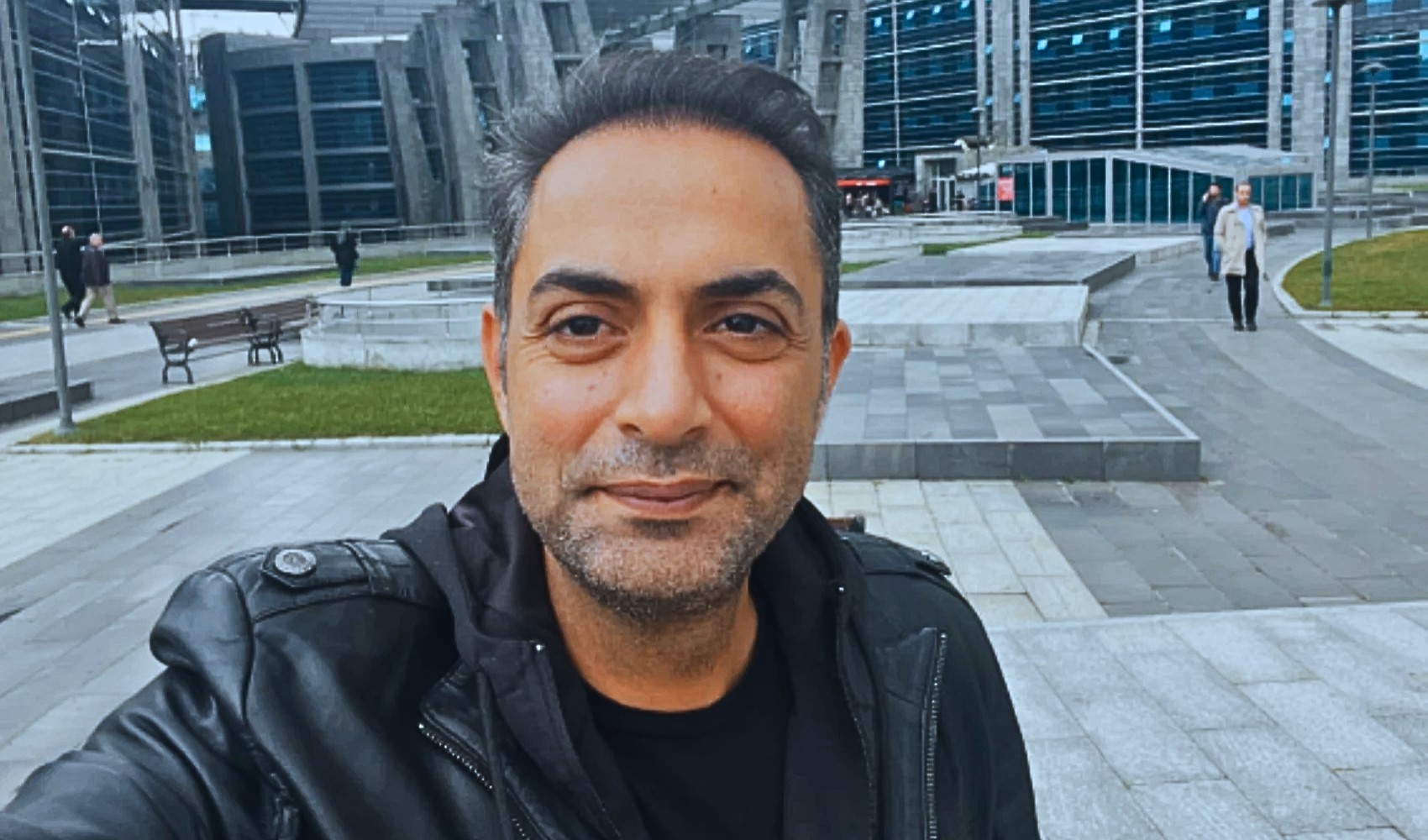
BirGün columnist Özge Güneş raised the question: “While wondering whether we can survive in the middle of terror, an seemingly absurd question presents itself. As we huddle in the dark, terrified by the death raining down around us, a question gnaws at us: Even if the bombs don't hit us, how will we survive if our food runs out?"
HERE IS THE FULL ARTICLE BY ÖZGE GÜNEŞ
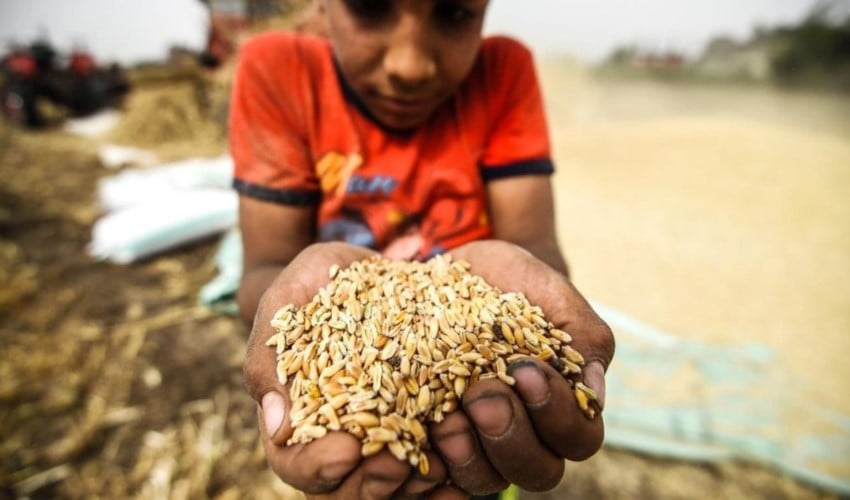
Let us begin by emphasizing that the question is extremely meaningful and urgent. It is neither surprising nor absurd that the first thing that comes to mind for those who survived the bombs is food and water. Especially for the people of Gaza. Hunger, malnutrition, and food insecurity have been a long-standing problem for Gaza, which lacks food sovereignty. So much so that according to World Food Programme (WFP) data from August 2023, 63 percent of the people living in the 5.3 million-population Gaza Strip—which faces economic stagnation, land loss, restrictions on trade and access to resources, high unemployment, and poverty due to a 15-year naval, land, and air blockade—were food insecure before the war.
While the conflicts between Palestine and Israel continue, according to the latest data, the number of Palestinians killed has risen to 2,750, and the number of Israelis to 1,300. Fuel reserves in all hospitals in Gaza are expected to run out shortly. At a time when thousands of people, including hundreds of children, are being killed, everything other than the end of the war loses its meaning, and the need to provide an urgent response to the first question of those who survived the bombs—access to food and water—is clear.
***
For while the Israeli occupation seeks to forcibly evacuate 22 hospitals treating more than 2,000 inpatients in the north of Gaza, which it has placed under embargo and siege, it is also imposing a blockade on water, food, and electricity for the millions of people in Gaza, half of whom are said to be children.
United Nations Relief and Works Agency (UNRWA) Commissioner-General Philippe Lazzarini explains the situation in the Gaza Strip as follows: “Water and electricity are running out in Gaza. In fact, Gaza is being strangled, and it seems that the world has lost its humanity right now. If we look at the issue of water - we all know that water is life - water is running out in Gaza, and life is running out in Gaza.” In such a situation, when an embargo is in question, we are talking not only about a war crime according to the Geneva Convention (1949) standards, but also a crime against humanity.
***
While all this cruelty continues, new data emerges. According to data from the United Nations (UN) Food and Agriculture Organization (FAO), 29.6 percent of the global population could not access sufficient food in 2022. Millions of farmers, primarily women, indigenous peoples, migrants, and refugees, are struggling to meet their daily water needs.
Moreover, the 2030 scenarios are constantly changing for the worse. According to the latest data, it is predicted that 600 million people will be chronically malnourished. Even more striking is that this expectation is 119 million higher compared to a scenario where the Covid-19 pandemic and the Russia-Ukraine war did not occur. According to a scenario where the Russia-Ukraine war did not occur, it is approximately 23 million higher…
***
These data serve to show us that the current food system, in which wars and corporations add profit to profit, deepens the hunger of societies and the poorest among them. The biggest obstacle to accessing food is essentially nothing other than the anti-imperialist and anti-capitalist structure that feeds on these vulnerabilities of societies and the lack of resilience of local food systems, and greedily fuels this.
And of course, the Palestinian people under embargo do not have time to wait for 2030 projections. Consequently, the losers of every war and crisis are the poor populations. The way to win lies in the solidarity of the poor populations against this structure.
News Source: 12punto