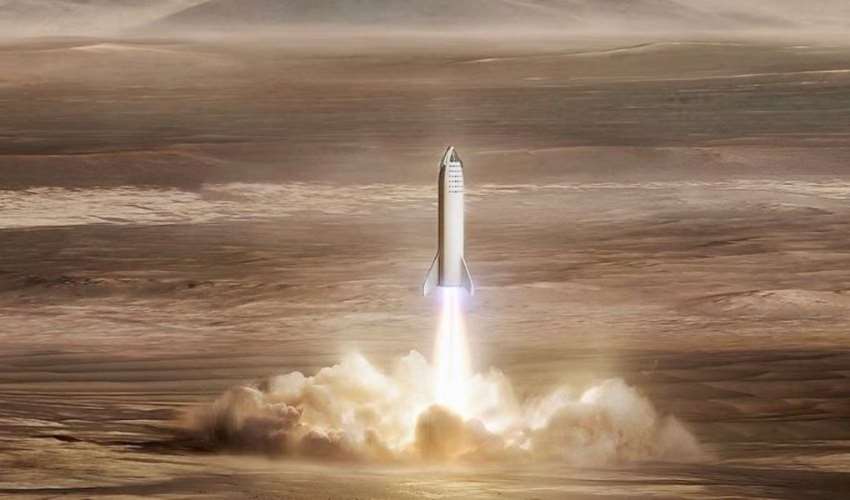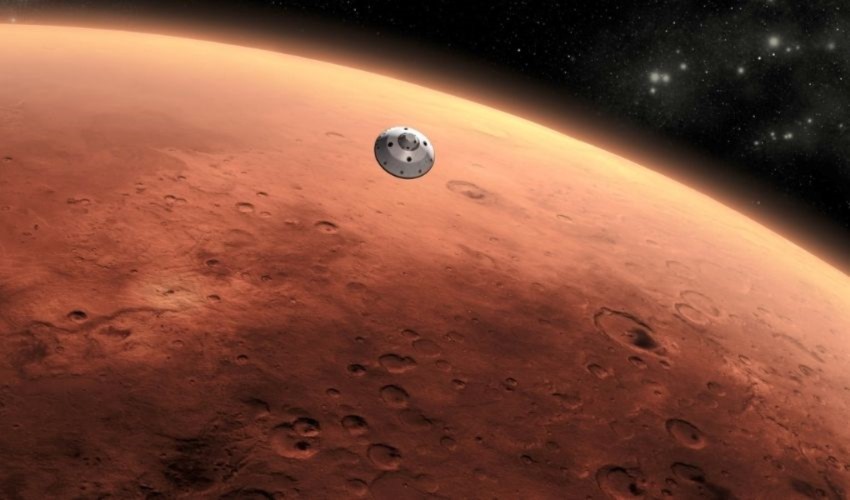
Researchers have suggested that focus should be placed on the Hydraotes Chaos sub-region of the Oxia Palus quadrangle.
The Oxia Palus quadrangle is an area on Mars covering 0 to 45 degrees west longitude and 0 to 30 degrees north latitude. It is believed that there is an ancient mud lake in the form of a plain in the Hydraotes Chaos region here.
REMAINS OF LIFE MAY BE IN THE SEDIMENTS OF THIS MUD LAKE
Alexis Rodriguez, lead author of the research reported by Independent Türkçe from the peer-reviewed scientific journal Nature Scientific Reports, said, "The plains located in Hydraotes Chaos offer a unique perspective on ancient aquifer materials."
Permeable geological units that can store significant amounts of water and transport it sufficiently quickly are called aquifers.
Rodriguez, who is also a senior researcher at the Planetary Science Institute, stated, "We believe these plains were formed by mud that emerged into the basin directly above the source aquifers. It is a targeted exploration opportunity."
One of the most significant challenges in the search for life on Mars is distinguishing and classifying sediments coming from different sources across massive regions.
It is thought that the fact that the mud lake in Hydraotes Chaos is a flat basin could facilitate this discovery.
Rodriguez noted, "This simplifies the study of groundwater sources on Mars, reduces the risk of encountering sedimentary rock samples from land, and opens a new window into Mars's geological history."
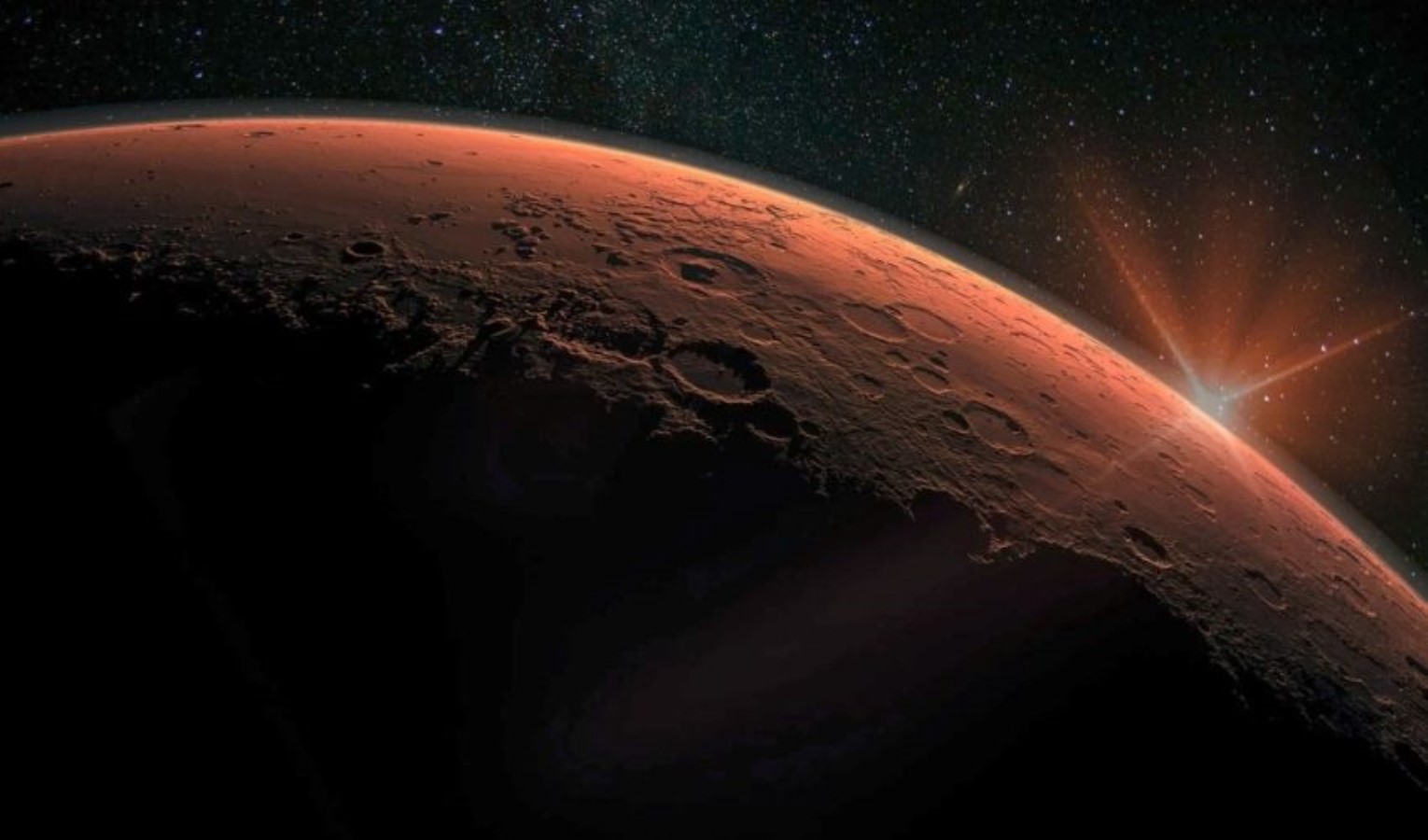
Furthermore, this basin is more directly connected to the surface of Mars. According to the researchers, if Mars was indeed a habitable planet in the past, this location must have maintained life-sustaining conditions for longer than other regions.
Astronomers estimate that Mars lost its magnetic shield approximately 4 billion years ago and that the surface was scorched by the Sun's radioactive rays.
However, under the right conditions, simple life forms may have continued to exist underground.
Rodriguez says, "These sediments may contain evidence of life from that period or later periods":
It is important to remember that Mars's underground structures may contain habitable conditions that persisted throughout the history of life on Earth.
News Source: 12punto