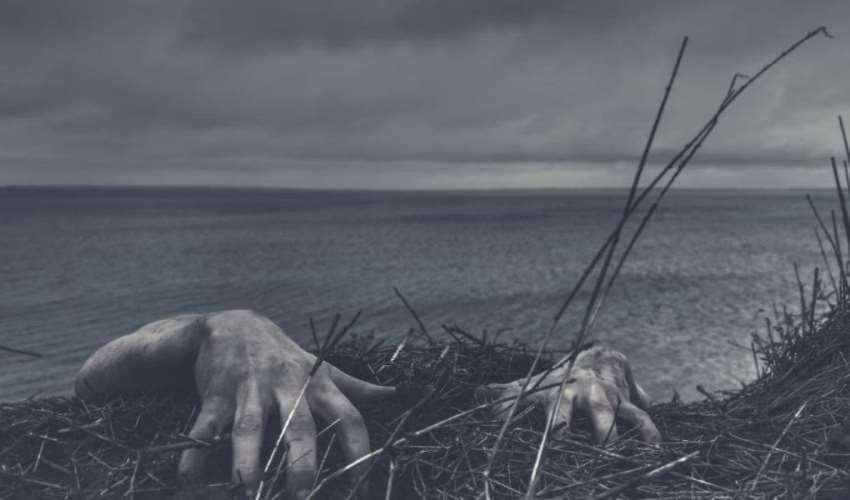
Every human body has a system composed of many vital microorganisms. Microbial symbionts in the human body help digest food while also protecting against infections, among many other tasks. A microbiologist explains what happens in the human body after death.
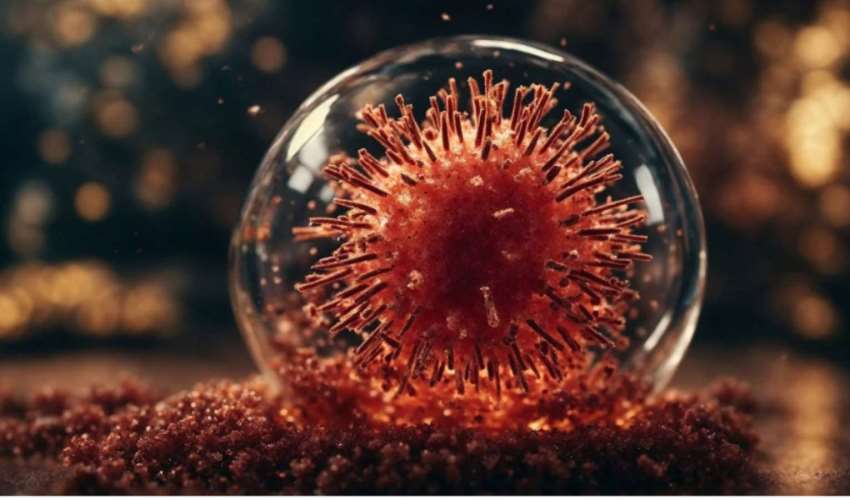
The necrobiome is defined as the microbes that live in, on, or around a decaying body. Jennifer DeBruyn, a professor of environmental microbiology at the University of Tennessee, explains the process for those curious about the microbial legacy of humans after death.
Many people might have the thought that 'everything related to life' dies when the body dies, but things are not quite like that. Theoretically, when the body dies, it begins to decompose, and since microbes are not living, they cannot survive. However, a recently published study states that microbes continue to live after death and recycle the body so that new life can develop.
WHAT IS MICROBIAL LIFE LIKE AFTER DEATH?
When a person dies, the circulation of blood that carries oxygen to the entire body also stops. Cells that cannot receive oxygen enter a process called autolysis over time and begin to digest themselves.
Symbiotic bacteria begin to feed as a product of cellular breakdown. A class of microbes called Clostridia, specifically from gut bacteria, begins to spread to the body's organs and causes the decay we are all familiar with. In this process, the human body begins to be digested from the inside out.
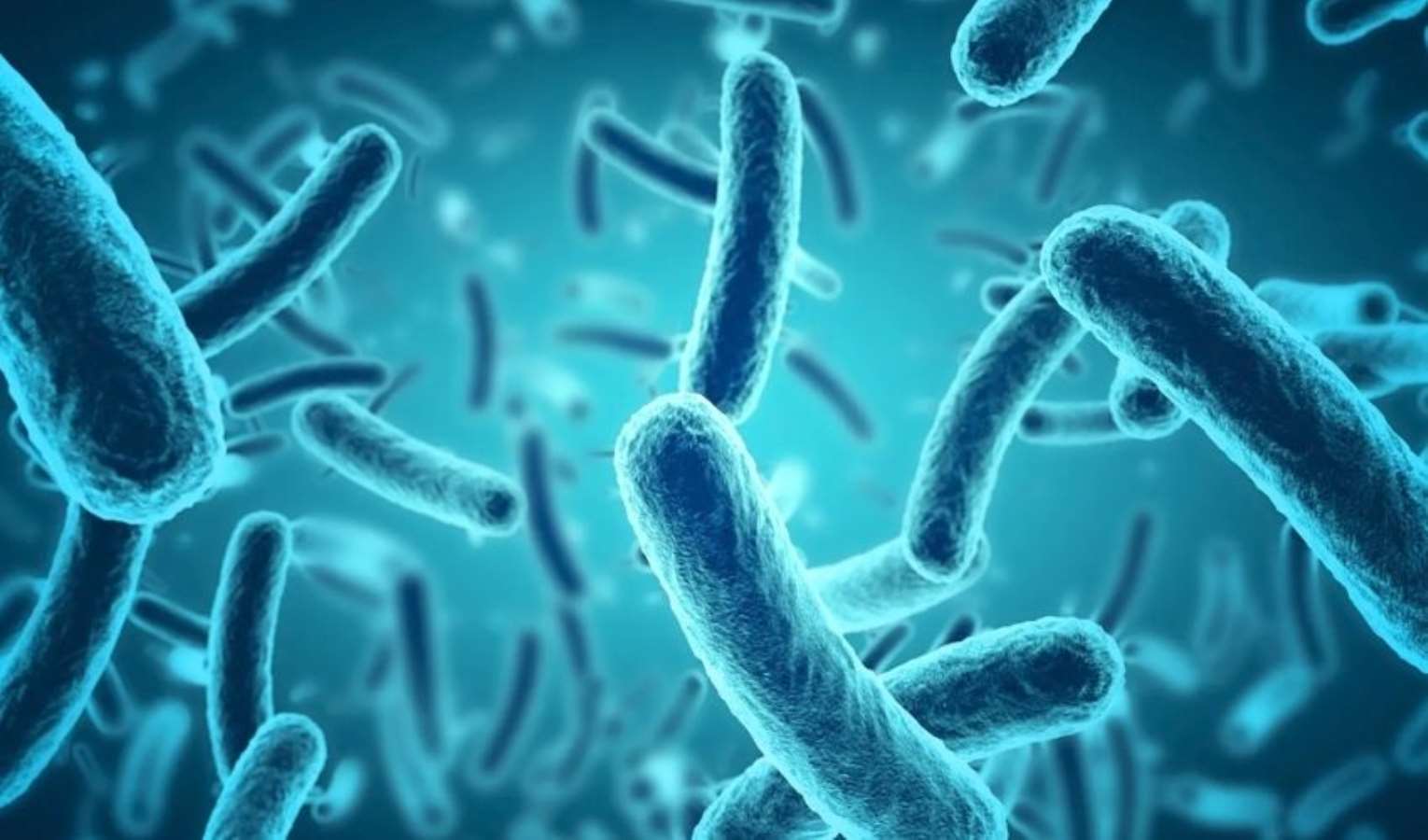
When there is no oxygen in the body, these bacteria turn to energy-producing processes that do not require oxygen. This is something that explains why a dead body smells bad. From an evolutionary perspective, it makes sense for microbes to adapt to a dying body. These hosts in the dying body will colonize, survive, and live until they find a new host!
MICROBIAL INVASION
In nature, the mixing or merging of two different microbial communities occurs. Merging can happen when the roots of two plants come together, as well as when wastewater is discharged into a river or even when two people kiss.
Mixing, on the other hand, depends on various factors such as how much environmental change the microbes experience and which one was the first to settle there.
While microbes adapt to a stable and warm environment inside the body and receive constant nutrients, soil is a much harsher place for them to live and requires adaptation to many variables such as chemical, physical, or temperature changes.
The research revealed that despite leaving the body, microbes do not die; they continue to live and even manage to maintain their existence not only in the soil but also on the surface of the soil or in graves. According to the results, even if soft tissue decomposes, these microbes can live for months and years.
This study also raised the question of whether microbes are still alive and active or if they are dormant and waiting for a new host. It turns out that here, microbes are not only living but also collaborating with the soil.
It was also revealed that microbes increase the nitrogen cycle.
Microbes likely play a role in the recycling process by converting large molecules containing nitrogen, such as proteins and nucleic acids, into ammonium.
News Source: 12punto