With the launch of the first Turkish astronaut Alper Gezeravcı into space, Turkey's "first manned space mission" has been realized, and space concepts have recently become some of the most frequently used words on social media and in the public eye.
MEANINGS OF 48 WORDS USED IN SPACE HISTORY
With the start of Turkey's space journey, space concepts frequently encountered in daily life have been compiled. Although space has been a subject of interest since the earliest periods of history and there are hundreds of terms specific to this field, 48 words such as "space, universe, planet, star, satellite, and astronaut" stand out as being frequently used.
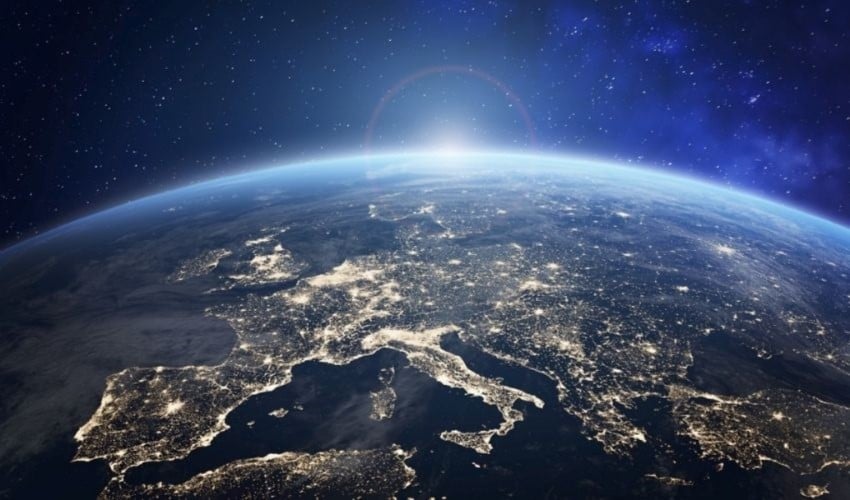
The most common of these terms, "space," defines the limitless and infinite void in which all celestial bodies and objects are located. The astronomical entity that contains all celestial bodies, which is limitless or whose boundaries can only be drawn by human thought, is described as the "universe."
Some of the frequently used concepts among space terms, their English equivalents, and their meanings are as follows:
- Space: The limitless and infinite void in which all celestial bodies and objects are located.
- Universe: The astronomical entity that contains all celestial bodies, which is limitless or whose boundaries can only be drawn by human thought.
- Planet: A celestial body that orbits a star at the center of the system to which it is attached in an elliptical orbit.
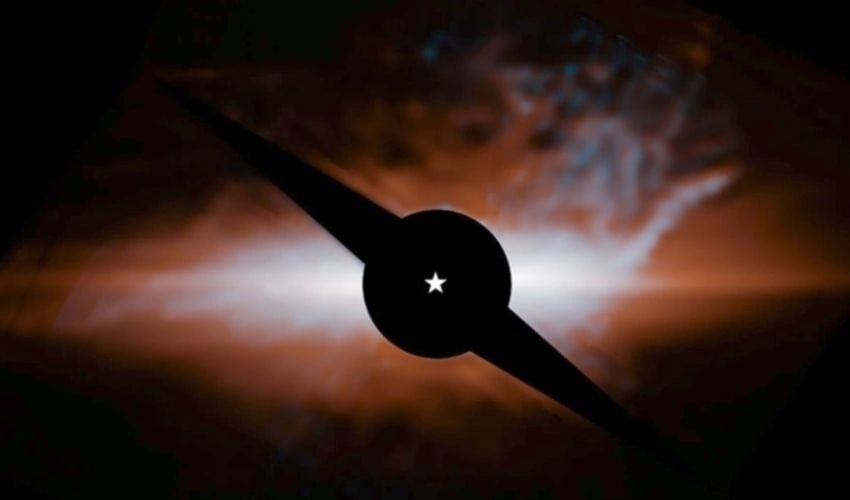
- Star: A celestial body that provides the energy it radiates through nuclear fusion reactions in its central regions, and is largely in hydrostatic and thermal equilibrium.
- Galaxy: A system consisting of billions of stars, interstellar gas and dust, and dark matter held together by gravitational forces.
- Astronaut: A crew member authorized to control a manned spacecraft.
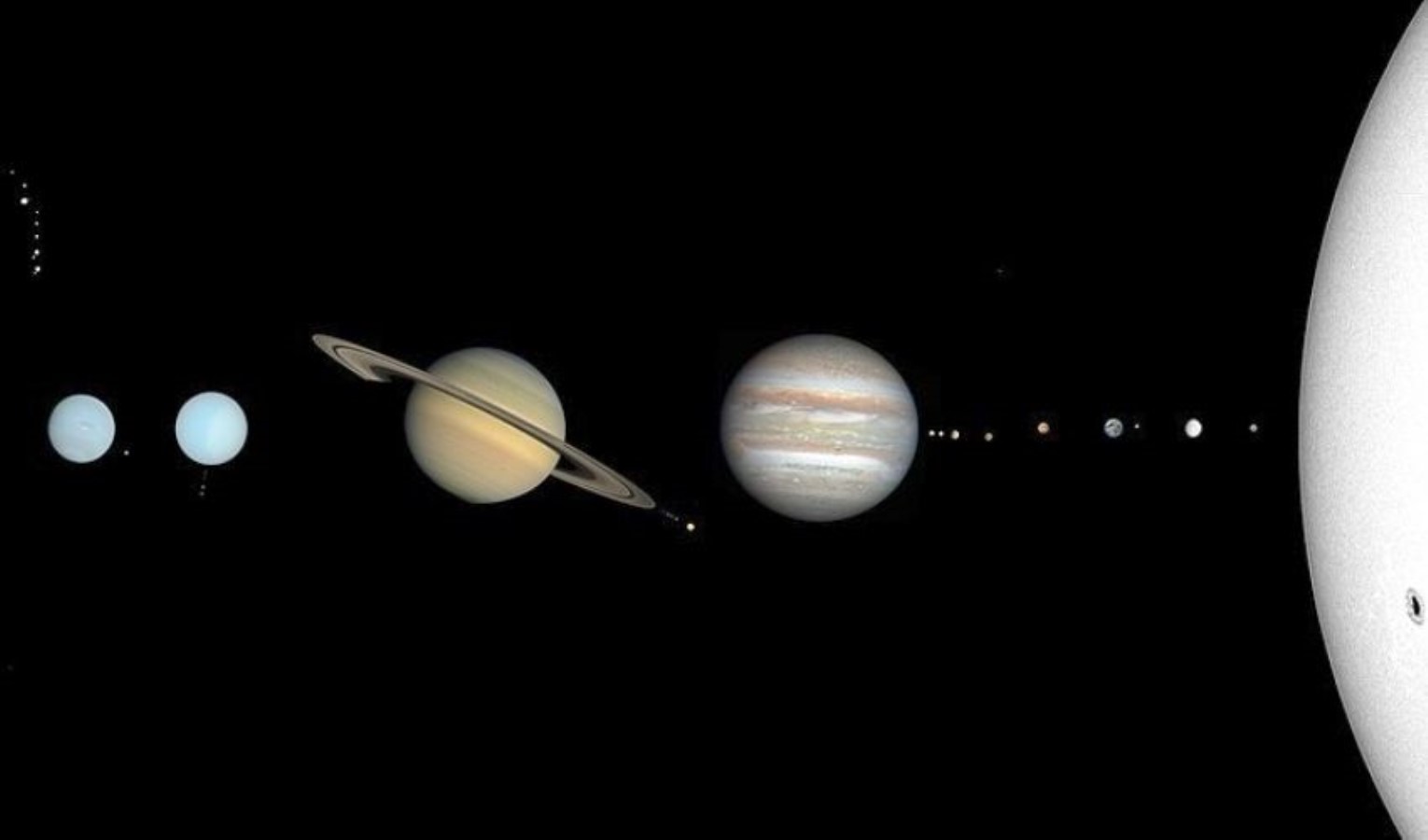
- Solar system: The Sun and all the planets that orbit it due to its gravitational pull.
- Black hole: The most compact celestial body known, formed as a result of the death of massive stars through a supernova explosion.
- Comet: Icy, small solar system objects that begin to release gas as they heat up while passing near the Sun.
- Asteroid: Any of the celestial bodies, the vast majority of which are located between the orbits of Mars and Jupiter, that are much smaller than the planets orbiting the Sun.
- Meteor: A solid fragment of a shooting star that breaks apart and turns into gas after entering the atmosphere, which can occasionally fall to Earth.
- Gravity: The gravitational force exerted by the Earth's mass on other masses on and around the Earth.
- Orbit: The path followed by a planet during its motion.
- Satellite: Another celestial body that orbits a planet or a celestial body in general.
- Spacecraft: A vehicle used to travel in space or to perform a mission.
- Mission: A task or assignment.
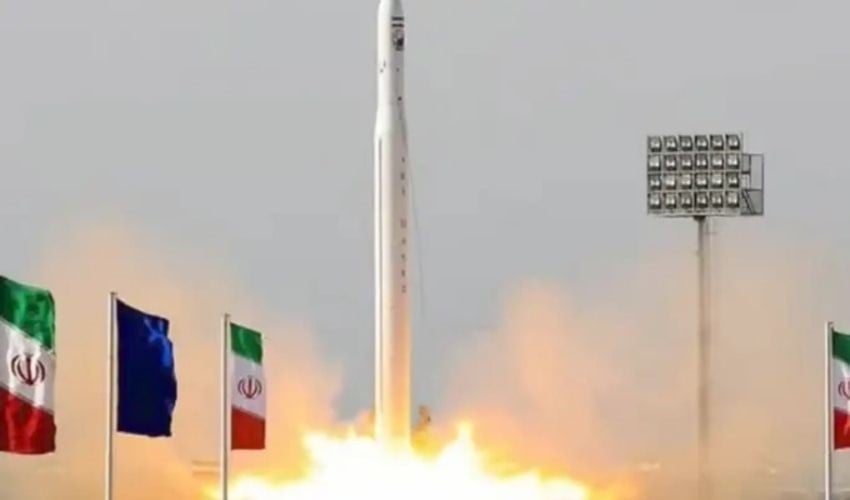
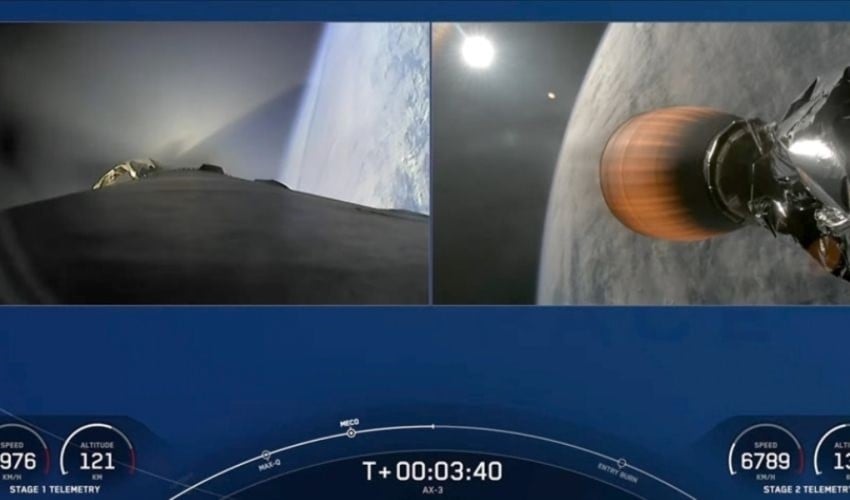
- Launch: Sending an aircraft such as a satellite or rocket into space.
- Exploration: A detailed trip and investigation conducted to search for natural resources or collect information in a terrain or region.
- Extraterrestrial: A living being assumed to live in space.
- Spacesuit: A garment that allows jet aircraft pilots and especially astronauts to work and live by protecting their bodies from external influences.
- Rocket: An aerospace vehicle capable of generating thrust as a result of ejecting hot gases at high speeds.
- Payload: The load carried by a rocket.
- Thruster: A jet engine that generates the power to push jet fuel out.
- Reentry: Entering the atmosphere.
- Habitable zone: The region on a planet that has conditions favorable for life.
- Astronomy: The branch of science that studies the distribution, motion, chemical composition, evolution, physical properties, and interactions of all types of matter in the universe.
- Astrophysics: A sub-branch of astronomy that studies the physical properties and interactions of stars, galaxies, and the interstellar medium, that is, dealing with the physics of the universe.
- Space exploration: The exploration and study of space using space technology.
- Remote sensing: Obtaining information about an electrical, mechanical, chemical, etc., system, environment, or object through observations and measurements made from a distance.
- Mission control center: The unit that manages space flights, usually from the launch point to landing or the end of the mission.
- Space walk: A walk performed by an astronaut in space.
- Payload integration: The installation of space research equipment.
- Rocket propulsion: The system that produces the thrust required for a rocket to move.
- Launch vehicle: A mechanism used to launch an aircraft such as a satellite or rocket into space.
- Space shuttle: A vehicle or machine designed to operate outside the Earth's atmosphere, especially in outer space.
- International Space Station: A space base placed in low Earth orbit.
- Mars Exploration Program: A long-term initiative funded and managed by NASA to explore the planet Mars.
- Lunar Mission: A project to send a rover developed with national technologies to the lunar surface.
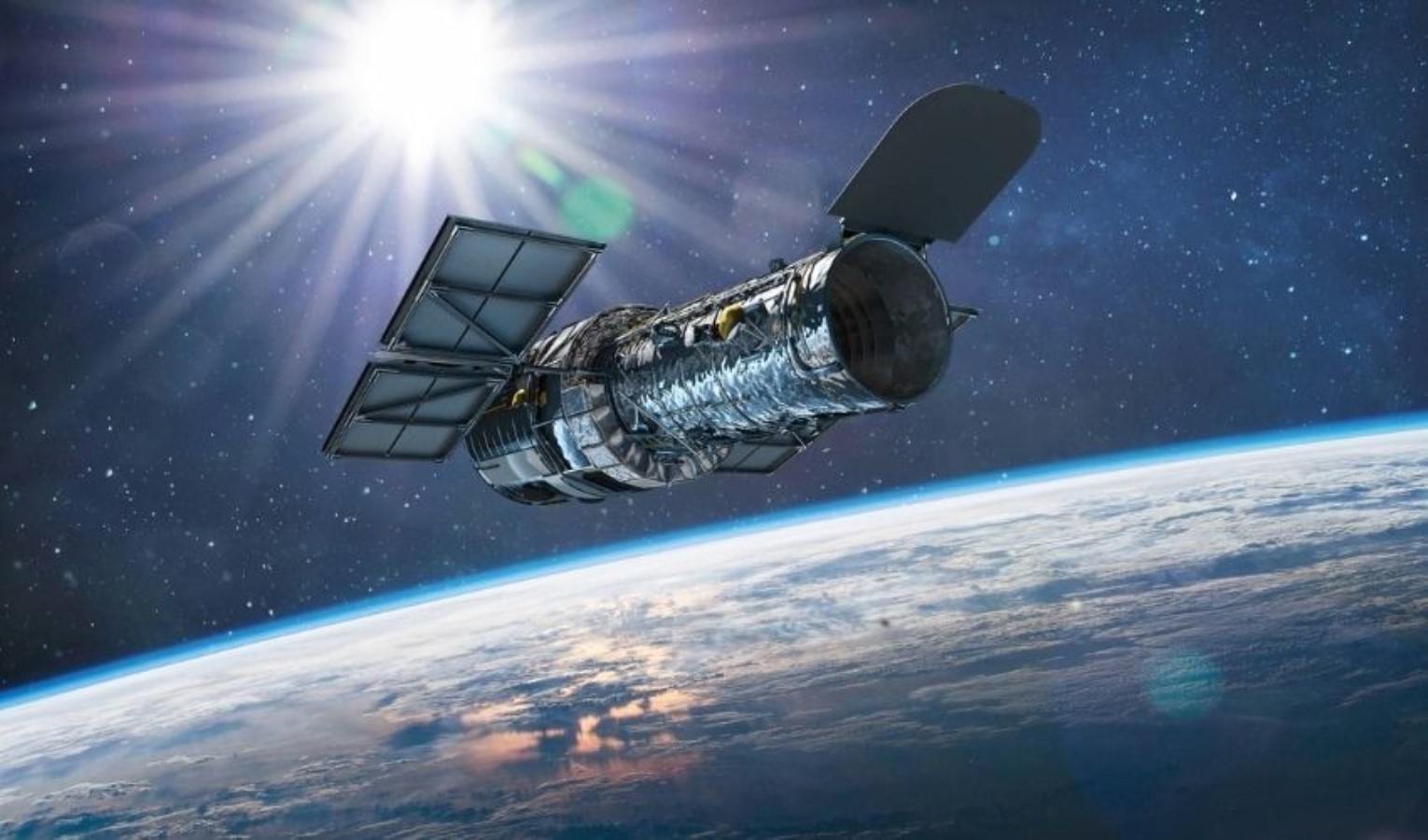
- Hubble Space Telescope: A space telescope carried into its orbit around the Earth by the Space Shuttle Discovery during the STS-31 Mission in April 1990.
- InSight Mars Lander: A robotic lander designed to study the deep interior of the planet Mars.
- Curiosity Rover: A car-sized exploration vehicle and rover robot exploring Gale crater on Mars as part of NASA's Mars Science Laboratory mission.
- Exoplanet: A planet outside the solar system.
- Space debris: Spacecraft or remnants of spacecraft that are no longer in use but are still orbiting in space.
- Zero gravity: A state of weightlessness.
- Near-Earth object: Celestial bodies whose orbits are closer than 1.3 astronomical units to Earth at perihelion and come very close to Earth.
- Astronomical unit: A unit of length used to express the average distance between the Earth and the Sun (149,597,870,700 kilometers), mostly used to express distances between members of the solar system and other star systems.
- Light-year: A unit of length used to express astronomical distances, corresponding to approximately 9.46 trillion kilometers.
- Space-time: A mathematical model that combines space and time into a structure called the "space-time continuum."
News Source: AA