
A new study has revealed that chatbots like ChatGPT respond according to the emotions of their users.
Systems provide better responses when users give them emotional prompts.
Researchers, including representatives from Microsoft, state that it is generally accepted that large language models like ChatGPT are a step toward artificial general intelligence, a system capable of learning at the same level as humans.
THEY CONDUCTED TESTS TO SEE IF THEY UNDERSTAND EMOTIONAL STIMULI
According to a report in Independent Türkçe, they also stated that one of the key things holding them back is a lack of emotional intelligence. In the paper published online, the researchers wrote, "Understanding and responding to emotional cues provides humans with a clear advantage in problem-solving."
The researchers used several different systems to see how they performed on emotional intelligence tests to determine if these models could understand emotional stimuli. In addition to ChatGPT and GPT-4, they also utilized other systems such as Meta's Llama 2.
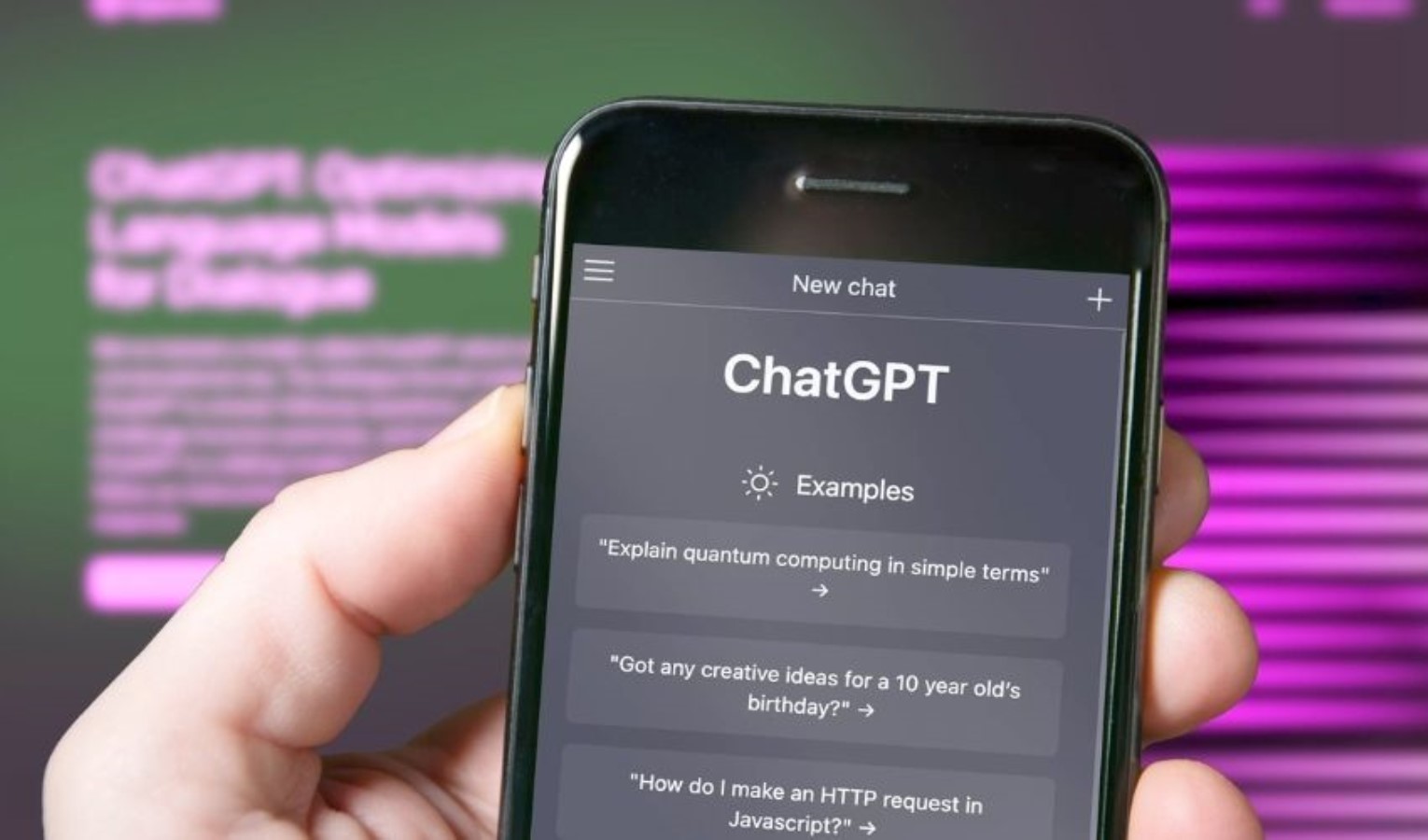
They gave the chatbot prompts that emphasized the importance of the task, such as telling it that the task was important for the user's career or that it should be proud of its work. They also entered other commands aimed at making it question itself, such as asking if it was sure of its answers.
These expressions, which the researchers called "EmotionPrompts," were created based on a series of psychological theories. For example, some encouraged "self-monitoring" by questioning the bot's self-confidence, while others used social cognitive theory with encouragements like "stay determined."
The researchers discovered that these prompts worked. The authors of the study stated that using the prompts significantly increased the systems' performance in generative tasks; when measured in terms of performance, accuracy, and responsibility, they were on average 10.9 percent better.
The article concluded that much about how emotional prompts work remains a mystery. The researchers stated that more work needs to be done to understand how psychology interacts with large language models.

Scientists also noted that large language models and humans respond differently to emotional stimuli, as studies do not show that humans will have better reasoning or cognitive abilities simply by being given more emotional stimuli. The researchers concluded:
The mystery behind this difference remains unclear, and we leave understanding the true difference between the emotional intelligence of humans and large language models to future studies.
The paper explaining the findings, titled "Large Language Models Understand and Can be Enhanced by Emotional Stimuli," was published on ArXiv.
News Source: 12punto