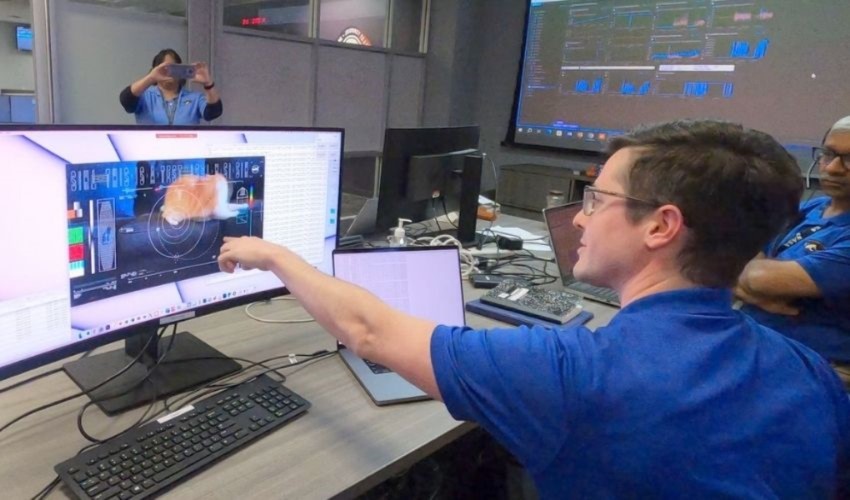
In a written statement, the company behind the project, Astrobotic, stated that after this morning's launch, communication was established with Peregrine, all systems were activated, and they began operating as designed.
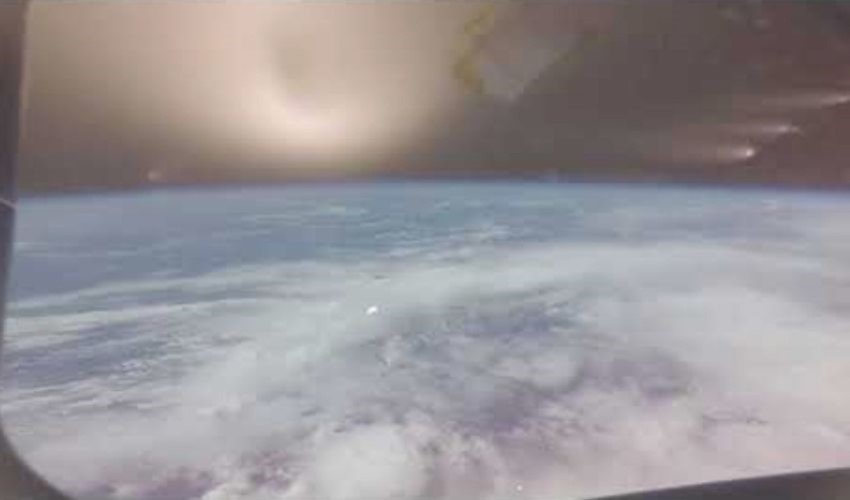
The statement shared information that an "anomaly" subsequently occurred in the spacecraft, preventing it from keeping its solar panels pointed steadily at the Sun. It was noted that Astrobotic engineers are working to resolve the technical malfunction and that an update will be provided as more information becomes available.
Experts point out that it would not be possible for the Peregrine spacecraft to fulfill its mission without the ability to charge its batteries with solar energy, that experiencing similar technical glitches in spacecraft is not unusual, and that they are prepared for such situations.
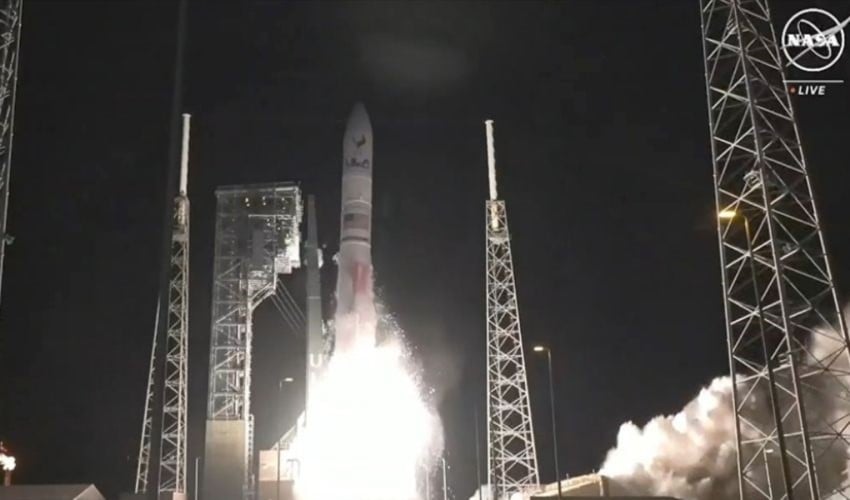
?? Fly me to the Moon ??@NASA science lifted off on a @ulalaunch Vulcan rocket at 2:18am ET with @Astrobotic’s Peregrine lander from Launch Complex 41 in Florida as part of the agency's Commercial Lunar Payload Services initiative and @NASAArtemis program. Peregrine is… pic.twitter.com/8TvULAN8t7
— NASA's Kennedy Space Center (@NASAKennedy) January 8, 2024
It is stated that the Peregrine spacecraft is also programmed to prioritize power to protect itself and communication with Earth during technical malfunctions.
THE JOURNEY WILL TAKE ABOUT 46 DAYS
The "Vulcan Centaur" rocket, which carried the "Peregrine" lunar lander developed by the "United Launch Alliance (ULA)," a joint venture of Boeing and Lockheed Martin, was successfully launched this morning from the Cape Canaveral Space Force Station in the state of Florida.
It had been reported that "Peregrine" would land on the Moon after a journey expected to last approximately 46 days and would study the Moon's outer atmosphere, the soil at the landing site, and resources that could potentially be used as fuel for 10 days. In addition to crewed missions to be carried out within the framework of the "Artemis Program," NASA also has comprehensive plans for the exploration of the Moon with the help of robots.
In 2024, NASA will send vehicles to the Moon as part of the "CLPS Program," one of the main goals of which is to investigate the possibilities of using resources on the Moon as fuel.
News Source: AA