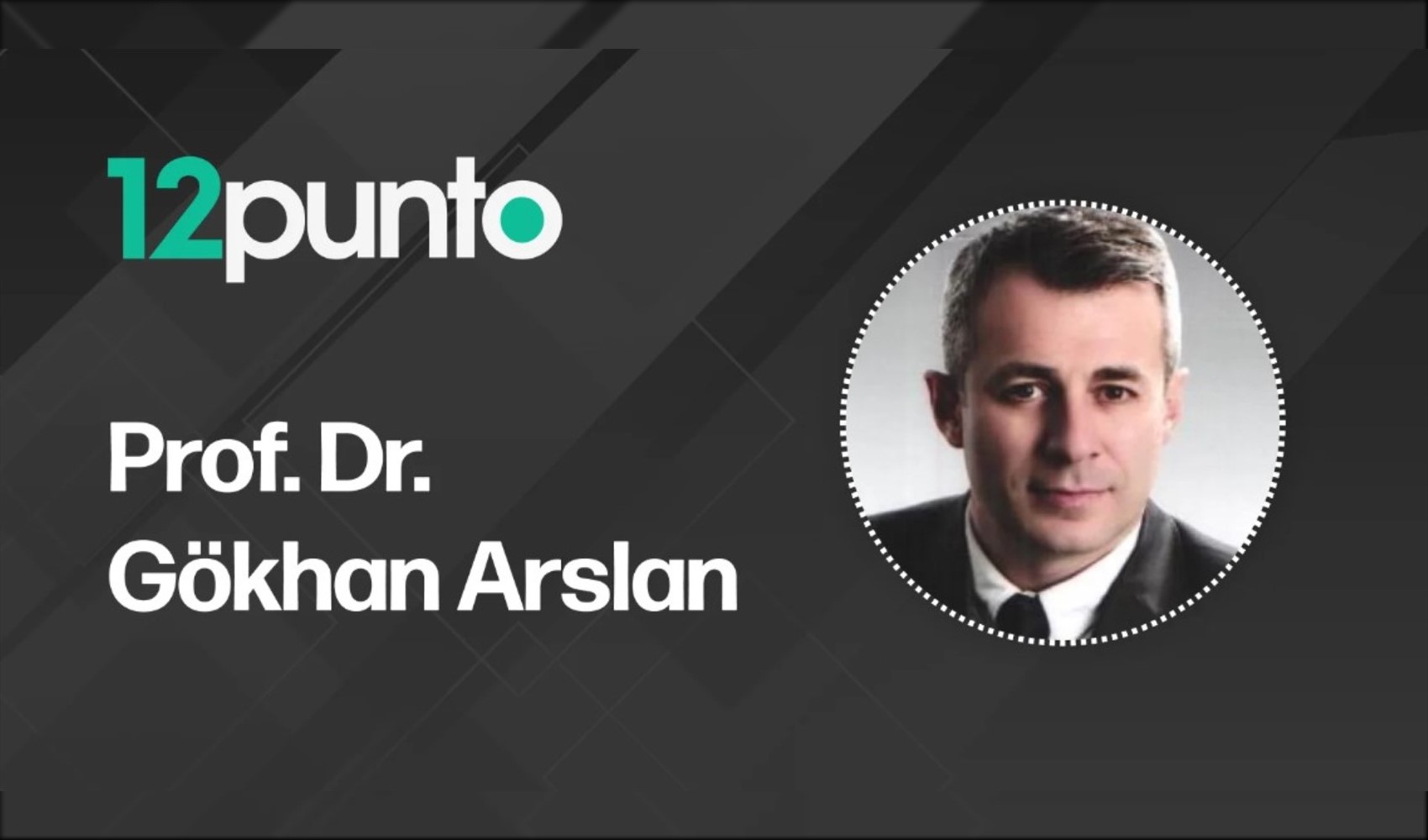
Prof. Dr. Hasan Sözbilir, Director of the Earthquake Research and Application Center (DAUM) at Dokuz Eylül University, underscored that Turkey is an earthquake-prone country during his visit to Edirne for a conference.
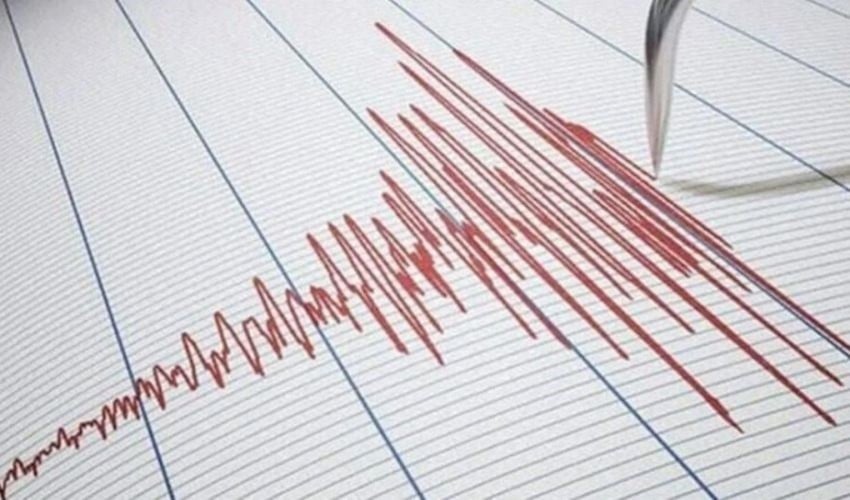
Stating that active seismic activity has been observed across the country following the 1939 Erzincan earthquake, Sözbilir noted that thousands of citizens have lost their lives in these earthquakes.
THE FEBRUARY 6 EARTHQUAKES WERE AMONG THE RARE EARTHQUAKES WHERE SEVERAL FAULTS RUPTURED SIMULTANEOUSLY
Sözbilir pointed out that the February 6 earthquakes centered in Kahramanmaraş were among the rare earthquakes where several fault lines combined and ruptured at the same time.
Emphasizing that earthquakes will continue to occur in different parts of Turkey, Sözbilir continued as follows:
"There are over 485 active fault segments in Turkey. These can produce earthquakes with a magnitude of over 5.5. Almost every province we have has fault lines. New scientific studies are also revealing the existence of new fault lines. Our fault lines will constantly increase, they will never decrease. Fault lines in the sea are also on the agenda. The mapping process for them has also begun. It is being carried out by the MTA and relevant institutions. As scientists, we are working to identify these fault lines."

Prof. Dr. Sözbilir emphasized the need to create earthquake-resistant structures. Pointing out that there are problems, especially in buildings constructed before 2000, Sözbilir noted the following:
"Some buildings were not constructed as they should have been according to earthquake regulations. They were not built in the right places; our buildings are located on fault lines and in areas prone to liquefaction. Therefore, their demolition and reconstruction through urban transformation have been on Turkey's agenda for a long time. A building-based structural inventory must be created. It is necessary to clearly determine how resistant these buildings are to earthquakes. Intensive work is being carried out regarding these issues."
News Source: AA