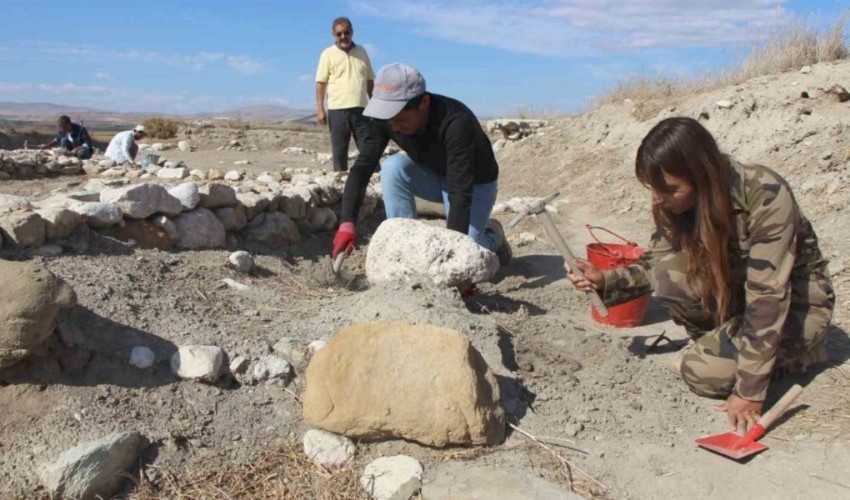
Genetic studies are planned on more than 100 skeletons found during the Oluz Höyük excavations in Amasya.
Oluz Höyük Excavation Head Prof. Dr. Şevket Dönmez said, "We are experiencing the excitement of finding the first and earliest biological remains belonging to the ancestors of the Turks of Turkey who came to Anatolia at Oluz Höyük. We believe that we will obtain very important results in the ancient gene and DNA studies to be developed on these."
MAY PROVIDE A SOLUTION TO DEBATES
Stating that a study based on haplogroups regarding Oghuz groups has not been conducted in Turkey until now, Istanbul University Archaeology Department Faculty Member Prof. Dr. Şevket Dönmez said, "There are debates in the world, especially on R1a and R1b haplogroups. There are very important discussions in the scientific world regarding which of these belong to Indo-Europeans and which belong to Turks. The studies we will conduct here will be a very important stage in resolving haplogroup studies."
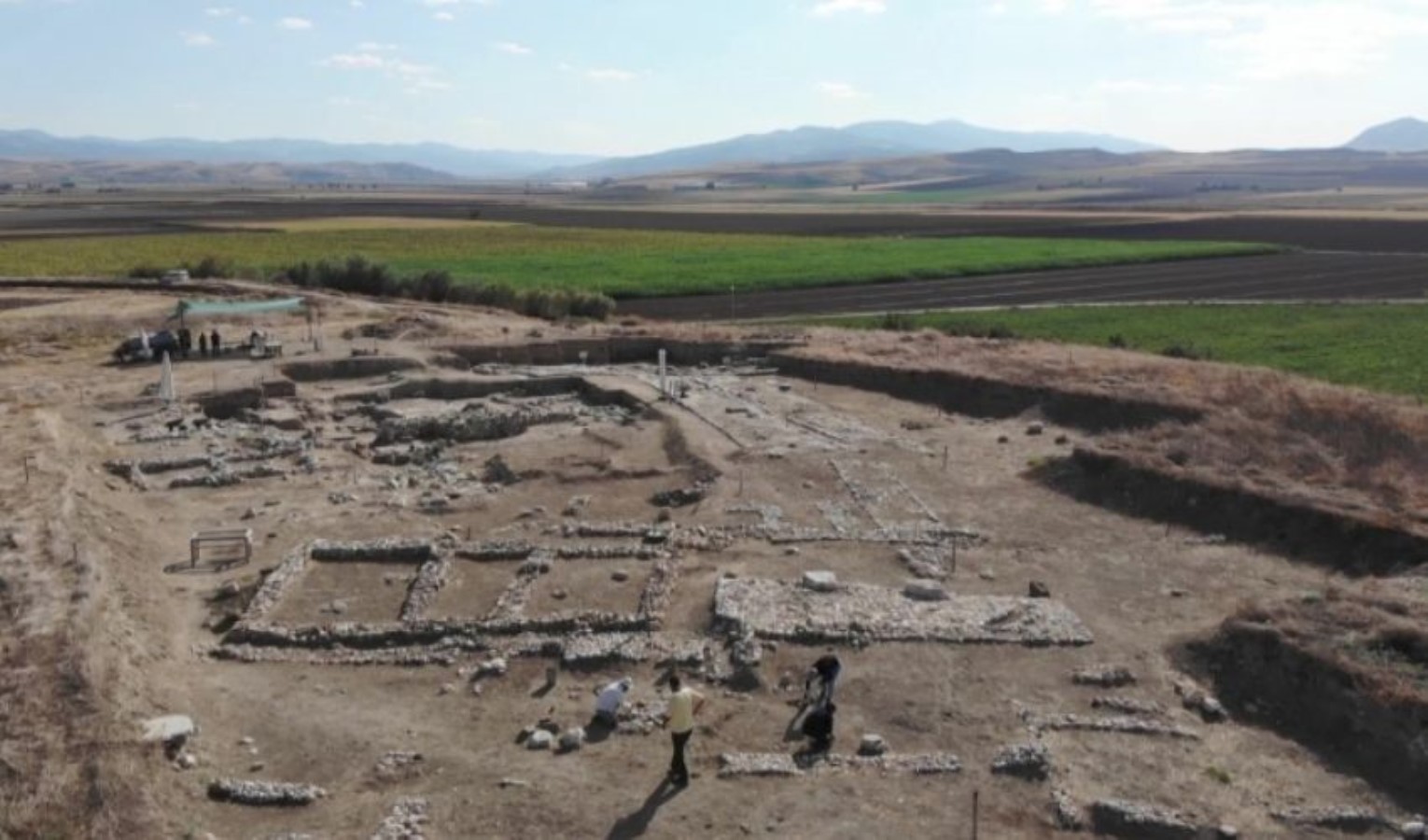
Explaining that they determined that the deceased in the thousand-year-old Turkic cemetery in the excavations and the Suttuu-Bulak cemetery in Kyrgyzstan were buried in a similar way by placing an object on their feet, Prof. Dr. Dönmez said, "We understood that some of the deceased in the excavations were buried with the Kurgan tradition. We discovered graves here that adopted Islamic traditions while reflecting their ancient traditions."
The General Directorate of Cultural Heritage and Museums, the Turkish Historical Society, the Amasya Governorship, and the Amasya Municipality are contributing to the excavations, which have been ongoing for 17 years.
News Source: İHA