The unrest on the streets of France has evolved from a reaction solely against fuel prices into a broad social protest where the country's economic and social problems are being debated. Students, workers, unions, farmers, and supporters of the Yellow Vests movement came together in demonstrations held across the country on October 17.
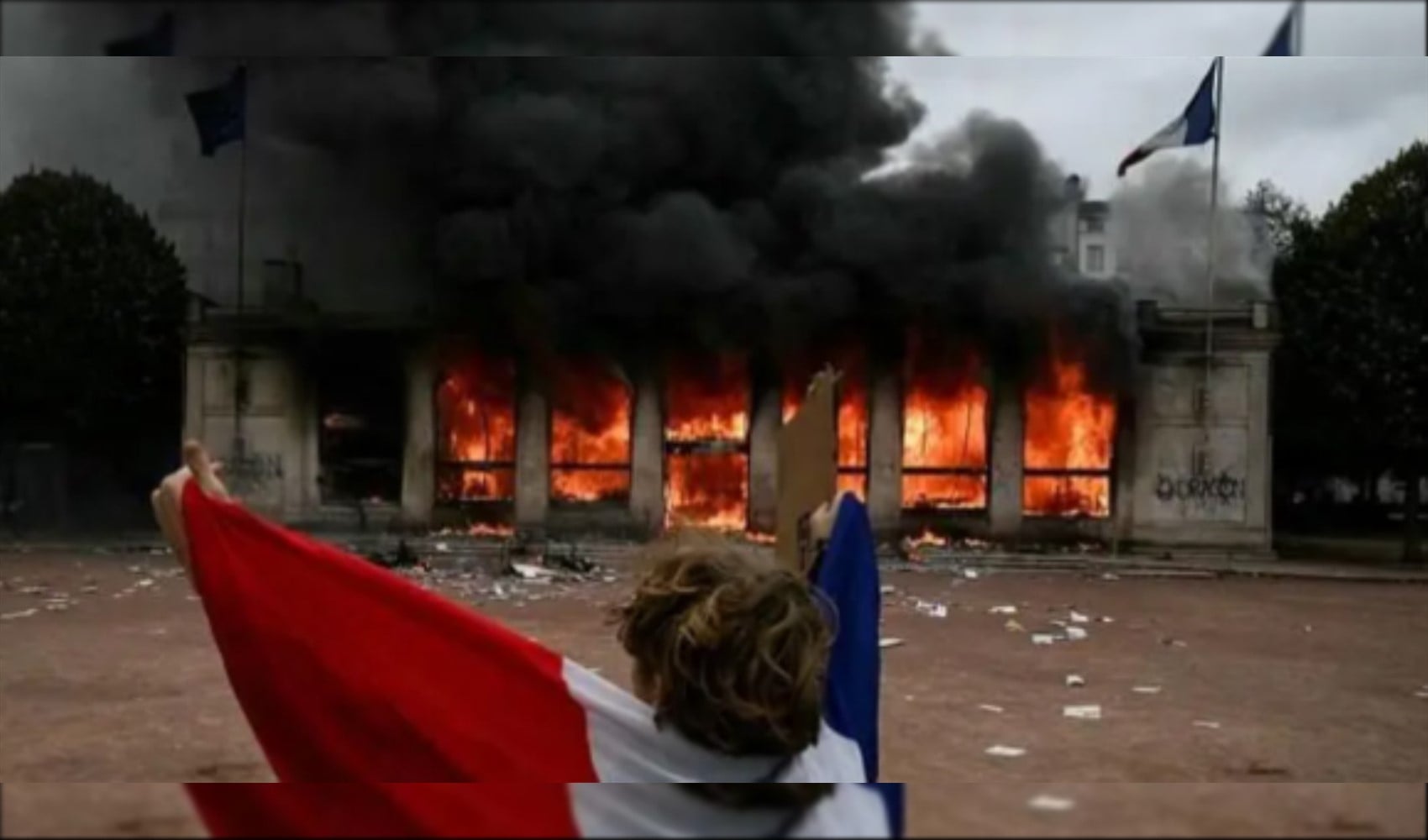
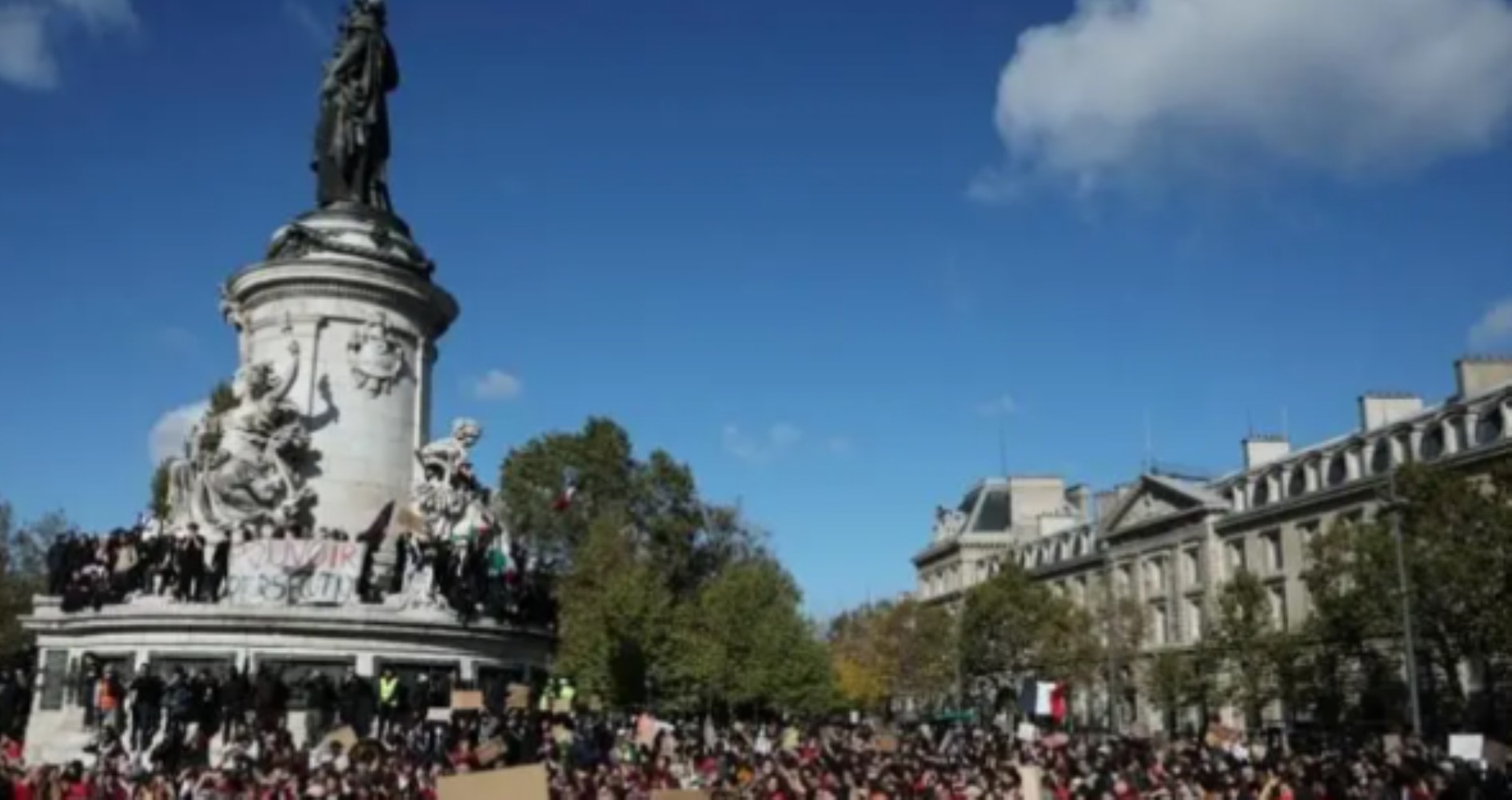
In Paris, clashes broke out between police and some groups of protesters during demonstrations concentrated around the Place de la République. It was reported that tear gas was used in the capital, vehicles were set on fire, and businesses were looted. Public buildings and commercial establishments were also targeted in other cities, most notably Lyon and Marseille.
Initial data shared by the Ministry of the Interior during the day indicated that approximately 33,000 people participated in 140 protests and at least 166 people were detained. However, reports published later in the day stated that the number of detentions had exceeded 1,200. There were also significant discrepancies regarding participation: while there were large differences between official and union assessments, some international news organizations estimated nationwide participation in the hundreds of thousands. For this reason, figures regarding the total scale of the protests vary depending on the source and the time of the statement.
TENSION ESCALATED AT PLACE DE LA RÉPUBLIQUE IN PARIS
One of the centers of the October 17 demonstrations was the Place de la République in Paris. Crowds protesting against the cost of living, fuel prices, and government policies gathered in the square. Among the protesters were students, employees, and groups supporting the Yellow Vests movement.
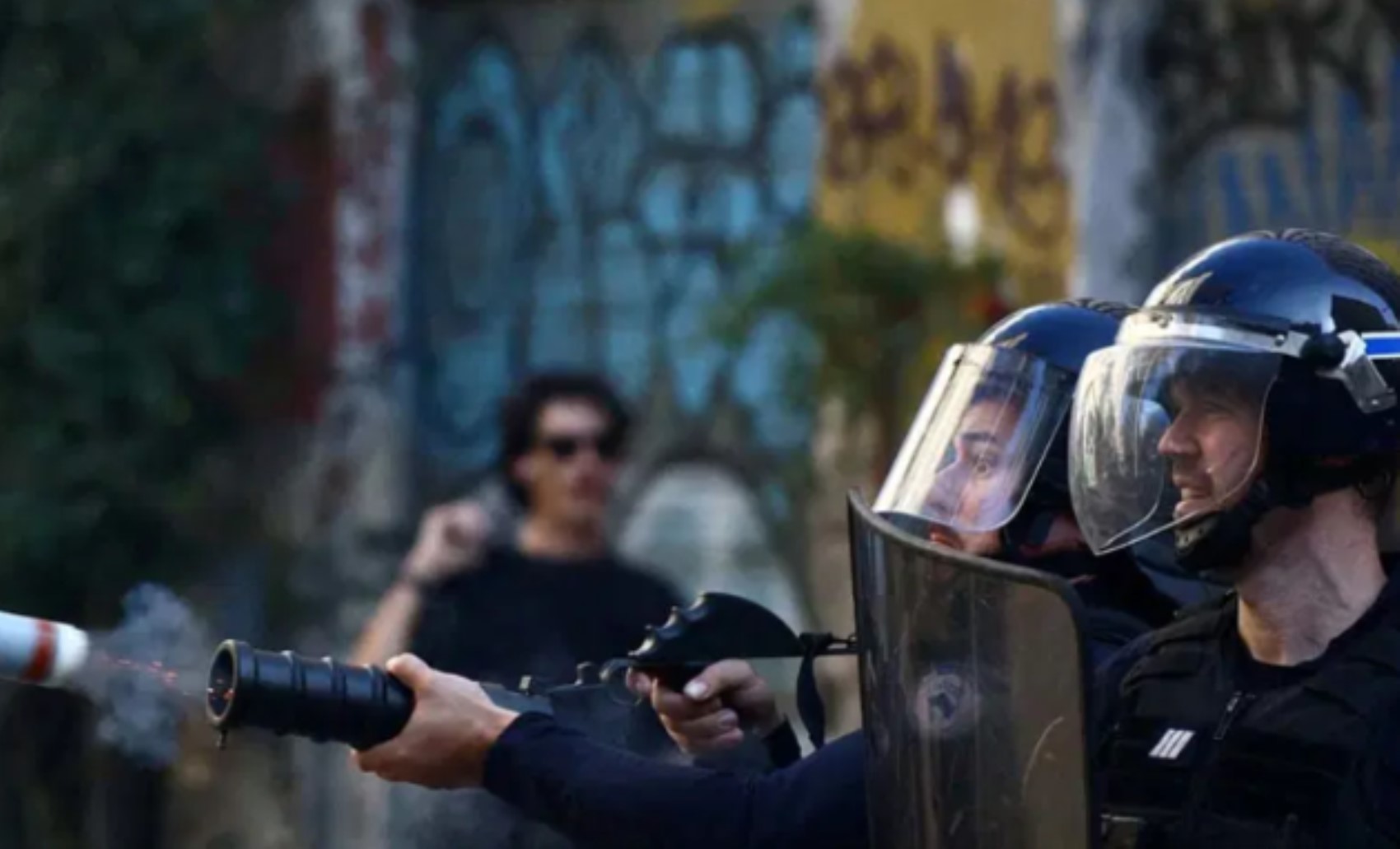
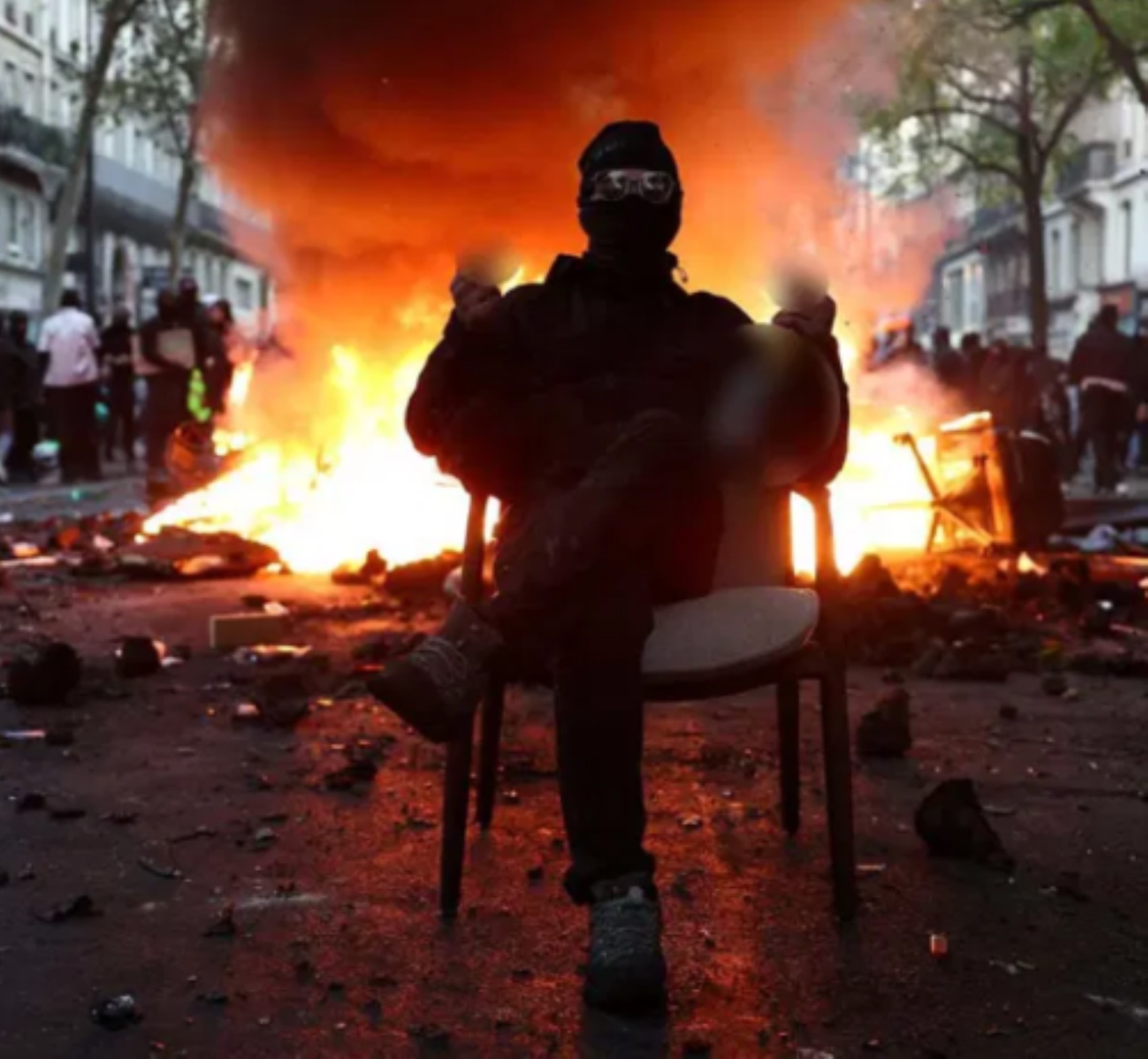
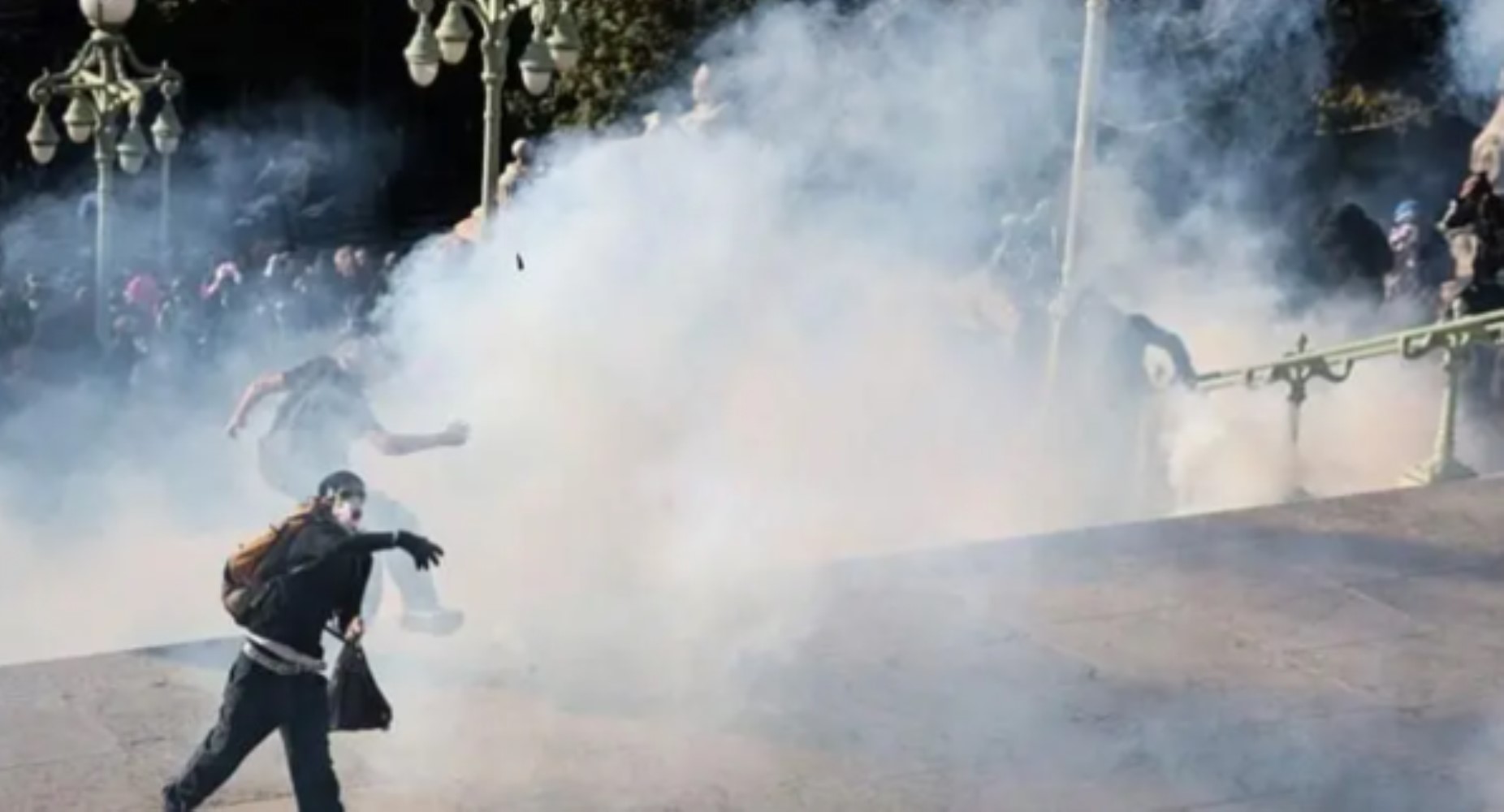
While the main march proceeded along the route permitted by authorities, clashes broke out between police and some groups in the immediate vicinity. Police used tear gas to disperse unauthorized demonstrations. It was reported that some masked individuals set vehicles on fire and damaged shops.
Authorities announced that some groups attempted to advance toward centers of power and the area around the Élysée Palace, where demonstrations are prohibited. Security forces intervened to prevent these attempts.
The events in Paris brought with them debates regarding how public order should be maintained during protests, in addition to the social demands. The distinction between the largely peaceful nature of the demonstrations and the acts of violence that occurred at certain points stood out in the day's assessments.
TOURISM OFFICE SET ON FIRE IN LYON, MUNICIPAL BUILDINGS TARGETED
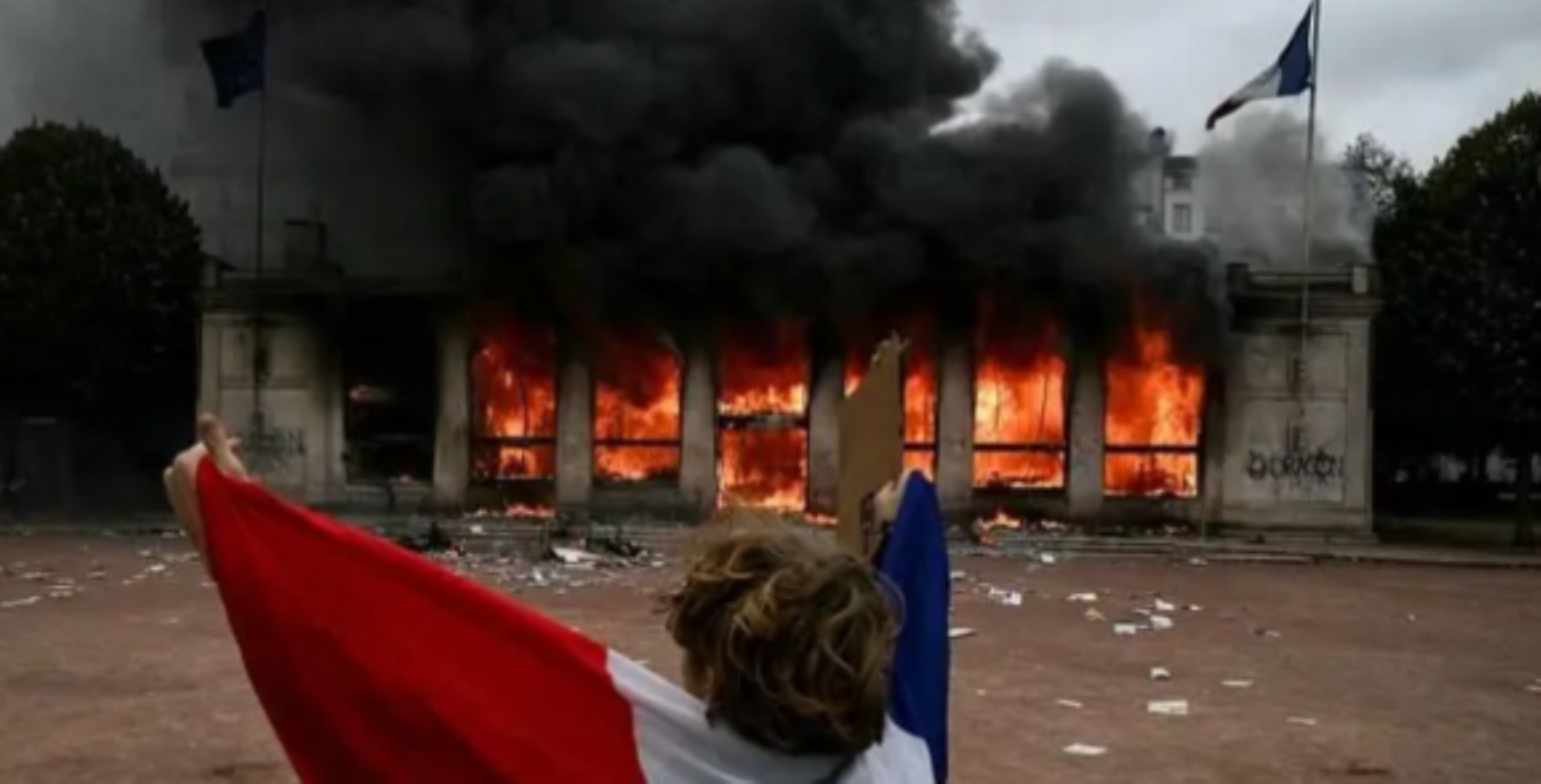
The violence was not limited to the capital. In Lyon, the tourism office in the city center was looted and set on fire. While incidents involving public buildings occurred in Marseille, it was reported that protesters entered municipal buildings in Lille and Grenoble.
It was reported that a fire broke out at the municipal building in Limoges, and that shops and public structures were damaged in various other cities. Tension between security forces and demonstrators also occurred during protests in cities such as Rennes, Toulouse, and Angers.
The French Ministry of the Interior announced that security forces intervened to protect public buildings and prevent acts of violence as the events intensified. Statements made at the end of the day reported that a large number of people had been detained and that there were injuries among the police.
However, the violence that occurred does not mean that everyone who participated in the demonstrations was involved in acts of violence. It is reported that in addition to a broad mass of people expressing their economic and social demands, there were also groups that disrupted public order.
THE TOLL EMERGES
France woke up on Sunday morning to images of burned and destroyed buildings and the debris left over from the protests that continued throughout the night.
Violent clashes are taking place between demonstrators and police in cities where historical buildings, vehicles, and containers have been set on fire and looting has occurred.
Demonstrators, whom the police intervened against with water cannons and tear gas, responded with fireworks.
RECORD 855 DETENTIONS IN PARIS
In a statement from the Paris police, it was announced that 855 people were detained in the capital, a record number, while Paris Deputy Mayor Lamia El Aaraje said that the city was shaken by a level of violence they had never seen before.
Supermarkets, pharmacies, luxury stores, cosmetic shops, and electronics stores were looted in Paris, Marseille, Nice, Nantes, Bordeaux, Limoges, Lille, Toulouse, and Strasbourg.
French President Emmanuel Macron stated in a post on his X account, "There is no place for violence in the Republic."
Macron announced that those who broke and destroyed things, and those who attacked prefecture buildings and shops during the protests, would be prosecuted and punished, arguing that law enforcement guarantees the right to protest.
Stating that he supports law enforcement, Macron expressed that they would stand against the "spreaders of chaos" who are trying to destroy French institutions and prevent those who want to express their demands peacefully.
While it was difficult to intervene in the fire that broke out yesterday in the historic building built by architect Tony Desjardins in 1852, which was used as a military outpost and police station in the past, a large number of protesters in the city of Marseille forced the entrance door of the municipal building in the Old Port area and entered inside.
The group, chanting slogans such as "The revolution has begun, we are taking the Bastille," damaged items in the entrance hall. The bust of Marianne, the symbol of the French Republic, was also toppled, and various slogans were written on the walls.
HOW DID STUDENT PROTESTS TURN INTO A NATIONWIDE MOVEMENT?
The background of the October 17 demonstrations lies in student protests that have been ongoing for weeks. In the actions that began in September, students reacted to the lack of resources in schools, educational conditions, and the shortage of teachers.
The students' demands eventually moved beyond the field of education. Topics such as the university entrance system, teachers' working conditions, the state of school buildings, and the anxiety of young people about the future entered the agenda of the protests. When the student movement combined with social discontent regarding economic problems, it reached a wider segment of the population.
In a report by Le Monde dated October 14, it was stated that the student movement had entered its fifth week of protests and that high school students were calling on university students, unions, and supporters of the Yellow Vests movement to join in common actions. Thus, the demonstrations, which initially focused on educational conditions, merged with debates on the cost of living and social inequality.
This convergence was one of the key elements that expanded the scope of the October 17 actions. While students voiced their own demands, workers and retirees also drew attention to the loss of purchasing power, rising expenses, and problems in public services.
WHY IS THE YELLOW VESTS MOVEMENT BACK ON THE AGENDA?
The Yellow Vests movement, which emerged in France in 2018, began with a reaction to fuel taxes. However, the movement soon became a symbol of a broader economic and political protest. The reaction of segments living outside major cities, who are dependent on cars for work and spend a significant portion of their income on transportation and basic needs, stood out.
Demonstrators wearing yellow vests criticized tax policies, income distribution, and the government's economic choices, in addition to fuel prices. The movement determined the country's political agenda for weeks by organizing road-blocking actions and mass demonstrations in different regions of France.
This legacy came to the fore again in the October 17 protests. Some supporters of the Yellow Vests movement took part in the same demonstrations following the calls of students and unions. Thus, the objections of the past movement regarding the cost of living were re-linked to today's economic problems.
However, today's protests are not an exact repeat of the 2018 movement. The new actions also encompass problems in education, young people's anxiety about the future, public services, and the demands of different social groups. The history of the Yellow Vests stands out as one of the symbols that allows these different reactions to meet on a common ground.
FUEL PRICES AND THE COST OF LIVING INCREASE ANGER
One of the most important topics of the protests is the pressure households face in the face of rising living costs. The rise in fuel prices increases transportation expenses, especially for workers who have to use cars, while also narrowing the budget that can be allocated to basic needs.
To this is added dissatisfaction with the quality of public services and problems in the field of education. The demands of the protesters reflect a broader discontent regarding the inadequacy of income against expenses and the state of social services, beyond a reaction to the price of a specific product.
The fact that the demonstrations bring together different social groups is therefore important. Students' educational demands and the economic demands of workers and retirees meet on the same agenda. This unity reveals that the pressure the government is facing does not stem from just one segment.
GOVERNMENT ATTRIBUTES VIOLENCE TO FAR-LEFT GROUPS
Prime Minister Sébastien Lecornu claimed that the student movement was being manipulated ahead of the presidential election to be held next year. While the government associated the acts of violence that occurred in some parts of the protests with far-left groups, it argued that security forces intervened to protect public buildings and citizens.
However, there are different assessments regarding the political nature of the demonstrations. In response to the government's emphasis on security and public order, protesters want economic problems and failures in public services to be placed at the center of the political agenda.
The demands of the different groups participating in the protests cannot be reduced to a single political line. Students' objections regarding educational conditions, unions' demands regarding working life, and the Yellow Vests movement's criticisms regarding the cost of living come together in the same demonstrations.
This situation indicates that it may be difficult for the government to eliminate social discontent by only intervening in acts of violence on the streets.
POLITICAL PRESSURE INCREASES AHEAD OF THE PRESIDENTIAL ELECTION
The protests in France are also politically significant ahead of the presidential election scheduled for 2027. Economic problems and debates regarding public services make the government's performance one of the important topics of the election agenda.
The spread of the unrest on the streets to different social segments also highlights the attitudes of political parties toward the protests. While the government emphasizes acts of violence and public order, opposition politicians and social movements voice their criticisms regarding economic problems.
It is not possible to say with certainty today how the protests will be reflected in the election results. However, it can be expected that issues that directly affect daily life, such as the cost of living, purchasing power, and public services, will occupy more space in political debates.
WHAT WILL DETERMINE THE COURSE OF THE TENSION IN FRANCE?
The October 17 demonstrations showed that social reactions developing around different problems in France can unite during the same period. The student movement, the calls of unions, and the return of the Yellow Vests movement to the agenda allowed economic and social demands to meet on a common ground of protest.
In the process ahead, how the government responds to criticisms regarding the cost of living and public services, whether the student movement will continue, and to what extent unions will support the actions will be decisive.
PROTESTS NOT LIMITED TO FRANCE
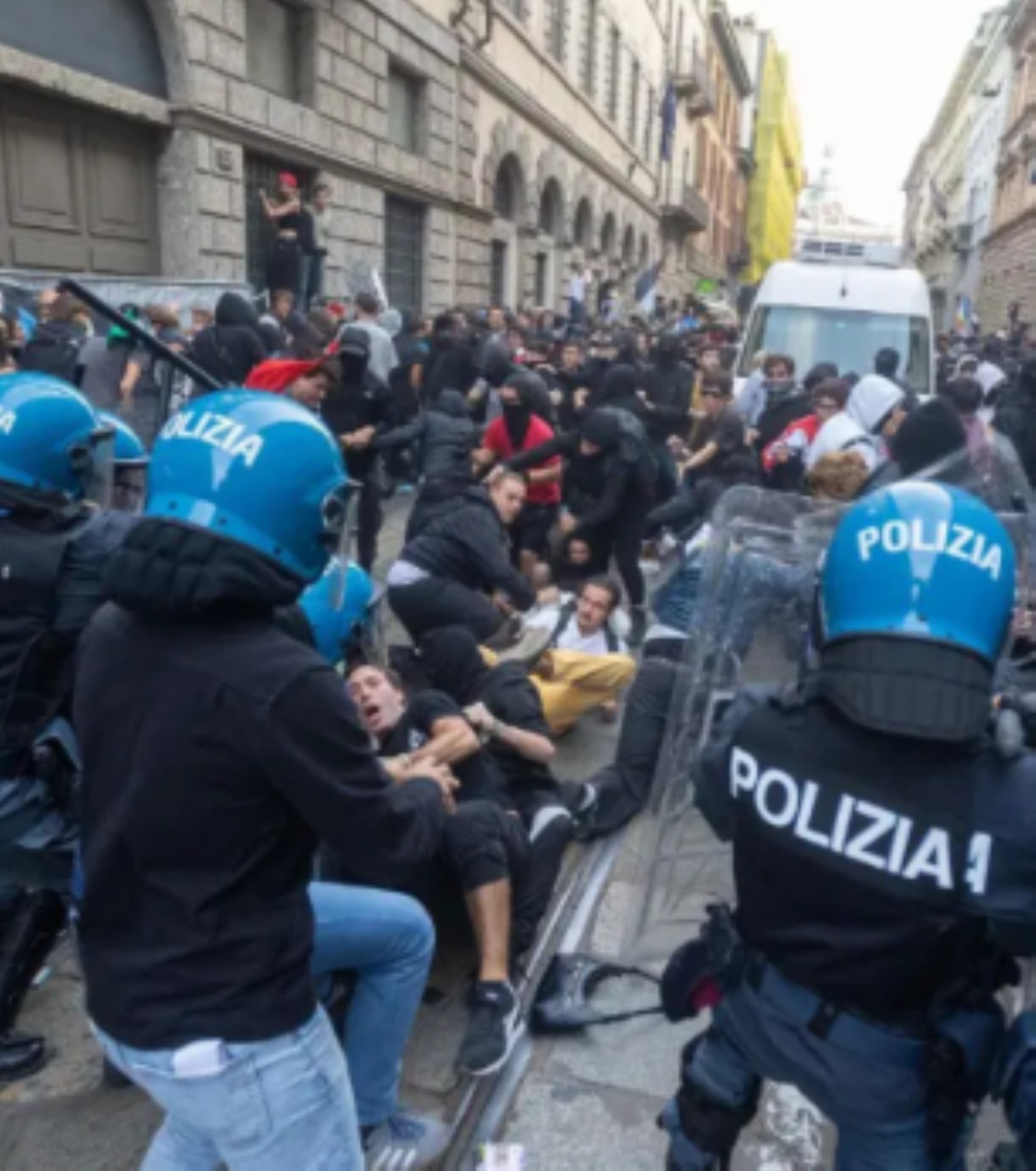
The demonstrations in France quickly spread to various parts of Europe. According to reports in Reuters and the Italian press, tension rose, especially in the city center of Milan, during the demonstrations held on Saturday, October 17.
Police intervened with tear gas and water cannons against groups throwing stones and various objects.
Clashes broke out between police and demonstrators who gathered in the square where the Duomo Cathedral, one of the iconic structures of Milan, is located.
It was reported that some demonstrators with their faces covered threw stones and various objects at security forces, and police teams intervened to disperse the crowd.
The clashes also spread to the area around the Galleria Vittorio Emanuele II, a luxury shopping center near the cathedral square.
While businesses in the region pulled down their shutters, tourists and citizens in the area headed to safe zones. The Duomo metro station was temporarily closed during the events.
According to initial information, at least 40 demonstrators and 2 police officers were injured in the events in Milan. Different initial tolls published in the Italian press reported different figures regarding the number of injured and detainees.
POLICE INTERVENTION WITH WATER CANNONS IN BOLOGNA
Another city where protests against the cost of living turned into conflict was Bologna.
During the tension between demonstrators and security forces in the city, police used water cannons to disperse the crowd.
According to the Italian news agency ANSA, it was reported that 7 people were detained following the events in Bologna.
Tension also occurred between demonstrators and police during protests in Turin.
MELONI'S CALL TO THE OPPOSITION: SILENCE IS UNACCEPTABLE
Italian Prime Minister Giorgia Meloni made a statement on her social media account regarding the acts of violence in the country.
Stating that the right to protest must be respected, Meloni said that the violence that occurred during the demonstrations is unacceptable.
Meloni said, "Demonstrating is a right, but it is not turning our cities into a battlefield."
News Source: 12punto