


Atatürk's love; 'I left my youth in Sofia...'



On a snowy winter day in October 1913, Mustafa Kemal stepped off the Balkan Express, hailed a carriage at the Sofia train station, and went straight to the Turkish Embassy. As soon as he entered the embassy building, Ali Fethi greeted him at the door.
They embraced.
They had been very close friends since the Academy.
Mustafa Kemal was beginning his duty as a Military Attaché.
He stayed at the Bulgarya Hotel at first. Then he moved to the 4th floor of the Splendide Palace Hotel.
And he immediately began working at the Embassy. As of January 11, 1914, he had also taken on the duties of Military Attaché for Bucharest, Belgrade, and Montenegro. The Balkans and Macedonia had been lost, Thessaloniki had fallen, and the Ottoman Empire had suffered a great wound. Enver and Talat Pashas were making plans to retake the Balkans.
But this would not be possible.
The young Attaché, Mustafa Kemal, was holding meetings with his colleagues in Sofia, trying to make predictions and assessments about the future. From time to time, he would turn to writing letters. On the evening of January 11, 1914, he felt quite emotional. He sat at his desk. He took up his pen and paper again and began to write. At the tip of his ink was Madame Corrinne. "I have ambitions," Mustafa Kemal was saying. However, he was stating that these ambitions were not about attaining positions and ranks or earning great wealth, but that his ambitions were to do great things that would benefit the homeland.
He left the Splendide Palace Hotel where he was staying.
He stayed as a boarder in an apartment belonging to the German Christianus family. He had also started taking German lessons from Madame Hildagrad Christianus. Mustafa Kemal was constantly working. He was gathering information about Bulgaria and the Balkans, making inferences about the future, and reporting these to the Grand Vizierate. At the same time, he was worried about the course of his state. During these studies, he would fix his eyes on the light and sometimes drift off for long periods. One day, Madame Hilda asked Mustafa Kemal;
-Why are you so distracted?
-How can I not be distracted? I do not like the course of things in my country at all. Turkey must be made a modern state. Just like Europe. This country must be changed from top to bottom. If God grants me this one day, I know what reforms I will make.
In January 1914, an opera ticket for a performance of Carmen had arrived from the Bulgarian Government. Mustafa Kemal and Ali Fethi went to the opera together. During the fifteen-minute intermission after the first act, King Ferdinand invited the Ottoman Ambassador Ali Fethi and Military Attaché Mustafa Kemal to his box. After a polite introduction ceremony, they sat down. King Ferdinand chatted with Mustafa Kemal for a while. When the opera started shortly after and they returned to their seats, Mustafa Kemal had become quiet.
The opera ended.
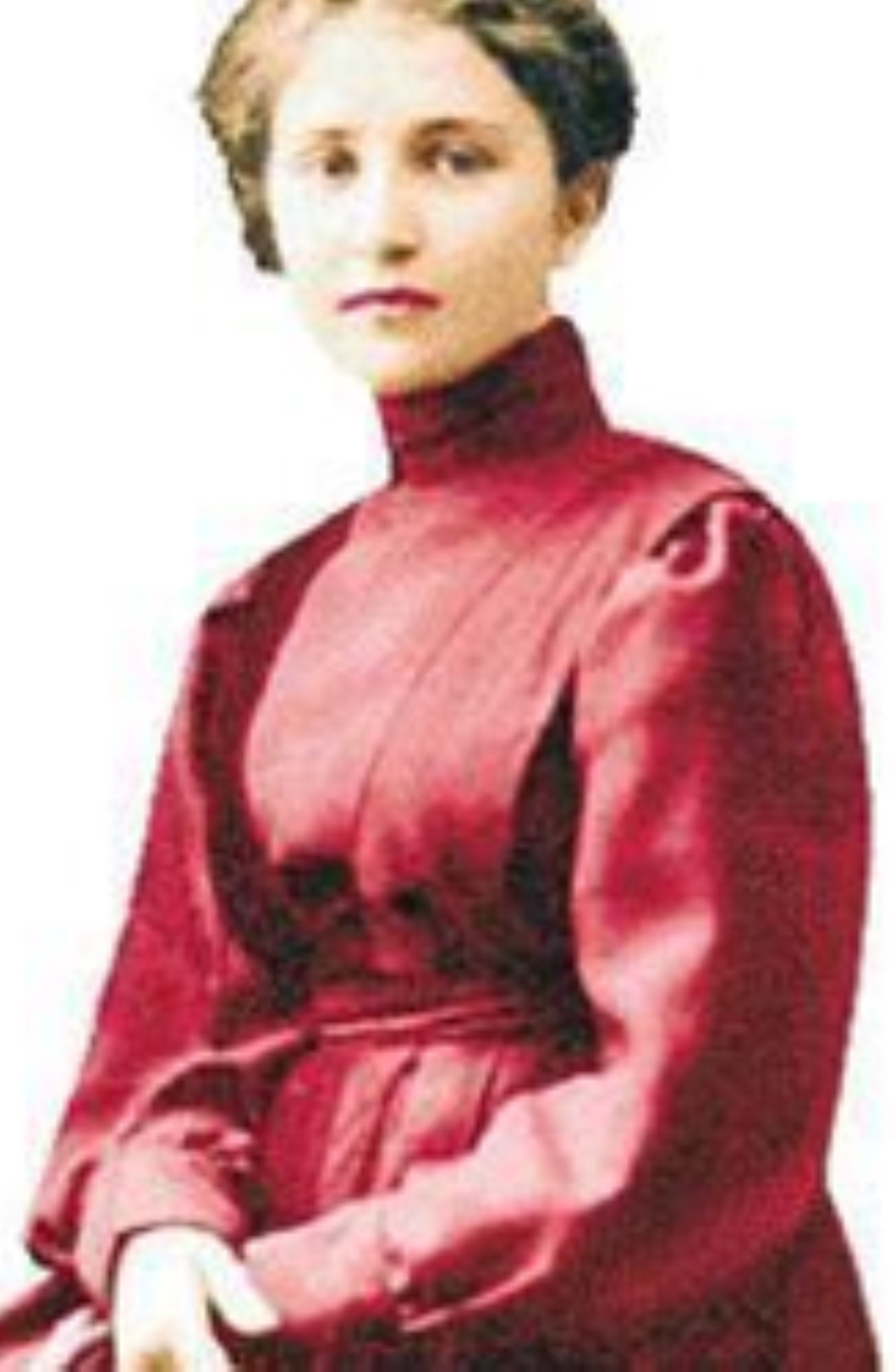
But Mustafa Kemal's quietness had not ended. He went to the hotel and retreated to his room. That night, he had been deeply affected by two things. First, the opera, and second, a young woman. The young woman was Dimitriana Kovacheva, who was in King Ferdinand's box. She had just returned after completing her education in Switzerland. She was the most beautiful girl in high society. They called her, in short, Miti. Mustafa Kemal was very impressed by this young woman, almost enchanted.
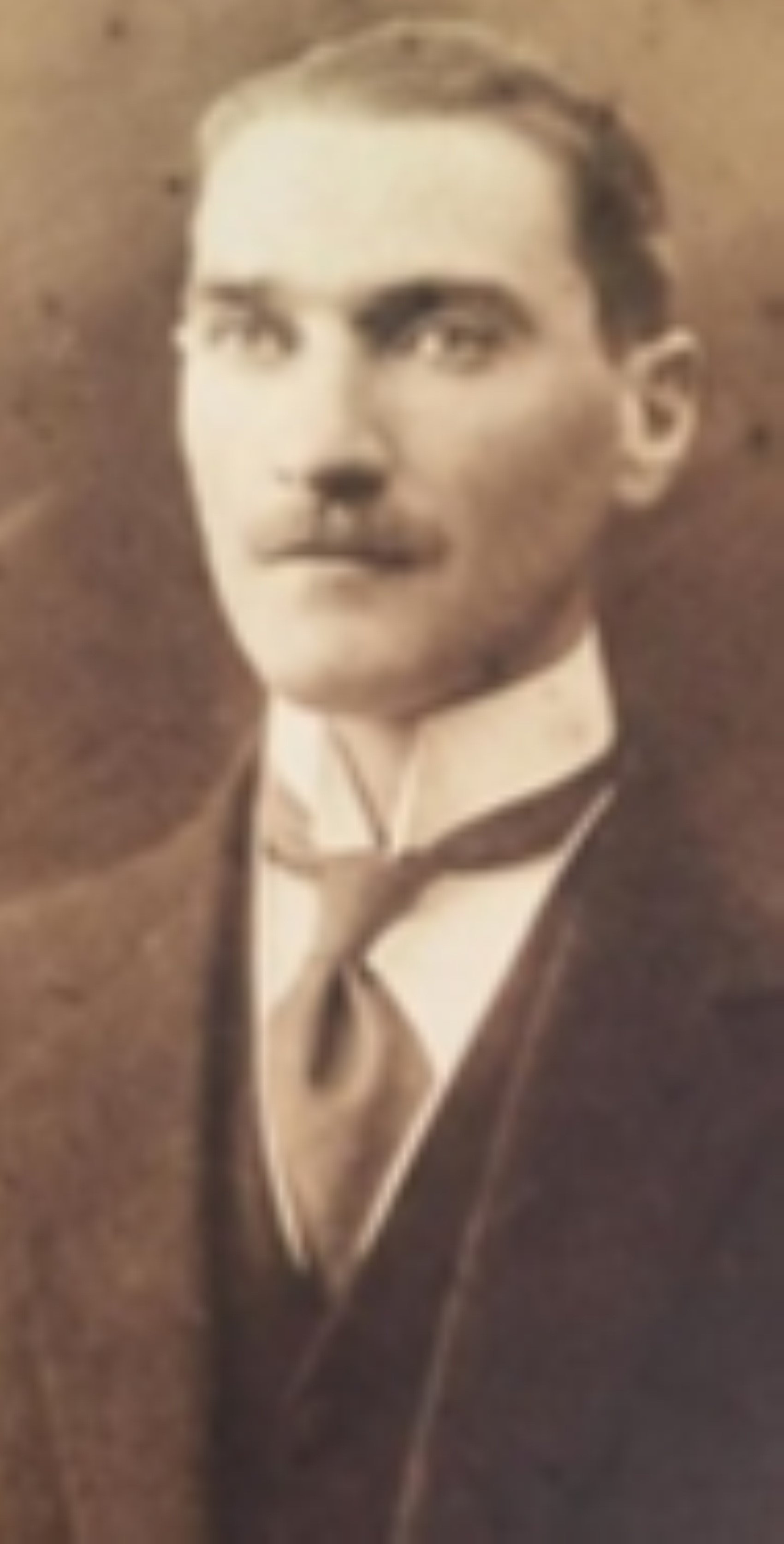
Mustafa Kemal continued his work. He had built a social circle in Sofia in a short time. He frequently met with his colleagues and gathered information from them. He was conducting research on the Turks living in the Balkans and looking out for them. On February 7, 1914, he was invited to a ball at the Sofia Grastko Casino across from the Royal Palace.
He went.
His friend, the Bulgarian Member of Parliament Dimo Achkov, invited Mustafa Kemal to their table. As he sat at the table, Mustafa Kemal suddenly became excited. Because Miti was also at that table. They all started chatting together. Meanwhile, the young people had started dancing. A lieutenant had asked Miti to dance, and as Miti was sitting back down, she had locked eyes with Mustafa Kemal for the first time.
Shortly after, the "Blue Danube" waltz played. Mustafa Kemal did not miss this opportunity.
He went to Miti, reached out his hand, and asked, "Shall we dance?" Miti was surprised by this offer. Because those who usually wanted to dance with her used submissive expressions like, "Would you do me the honor of this dance, or would you dance with me?" but the blue-eyed, blonde young man was not like that at all.
He was asking, "Shall we dance?" in a very upright and proud manner.
-Of course, why not, said Miti.
Mustafa Kemal took Miti's right hand into his palm and politely brought her silky fingers to his lips. Miti's entire body was electrified at that moment. She had danced many times until that day, but she had never felt such pleasure.
They got up to dance together. They were very harmonious and very comfortable.
Mustafa Kemal was very handsome, and Miti was very beautiful. With her tulle-mixed dress, she resembled a white swan. After a short silence, they began to talk;
-You seem to love dancing very much, Miss Kovacheva?
-Yes, I love it very much
-The Viennese Waltz has often reminded me of blueness. I am feeling that blueness right now
-Your eyes are already blue right now, Mr. Kemal
-Not just right now, the color of my eyes has always been blue
-They were not blue before the dance.
They fell silent. They continued to dance quietly. Everyone's eyes were on them. Mustafa Kemal was also a good dancer. "A staff officer must know how to dance," he would say..
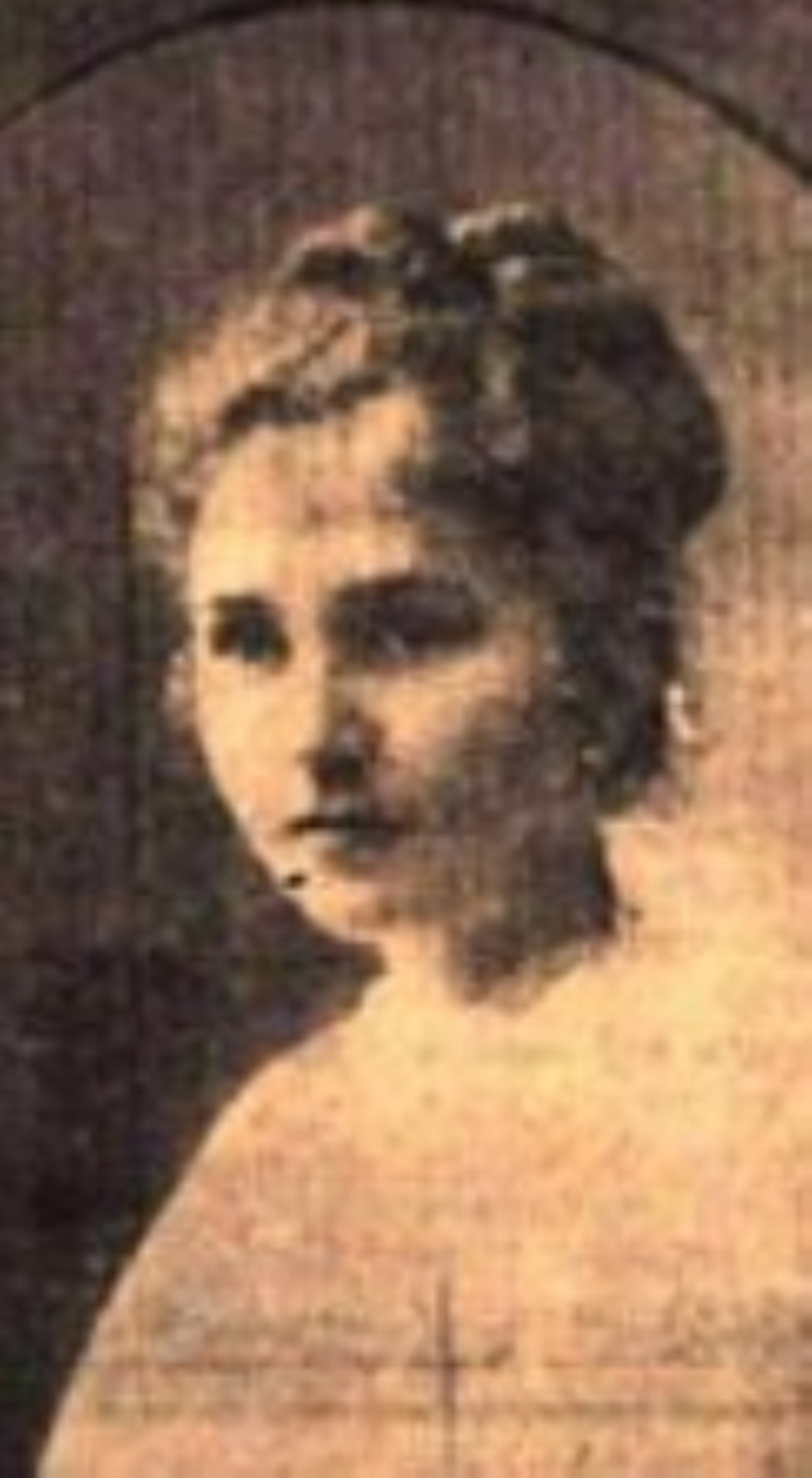
(Miti in her outfit from that night)
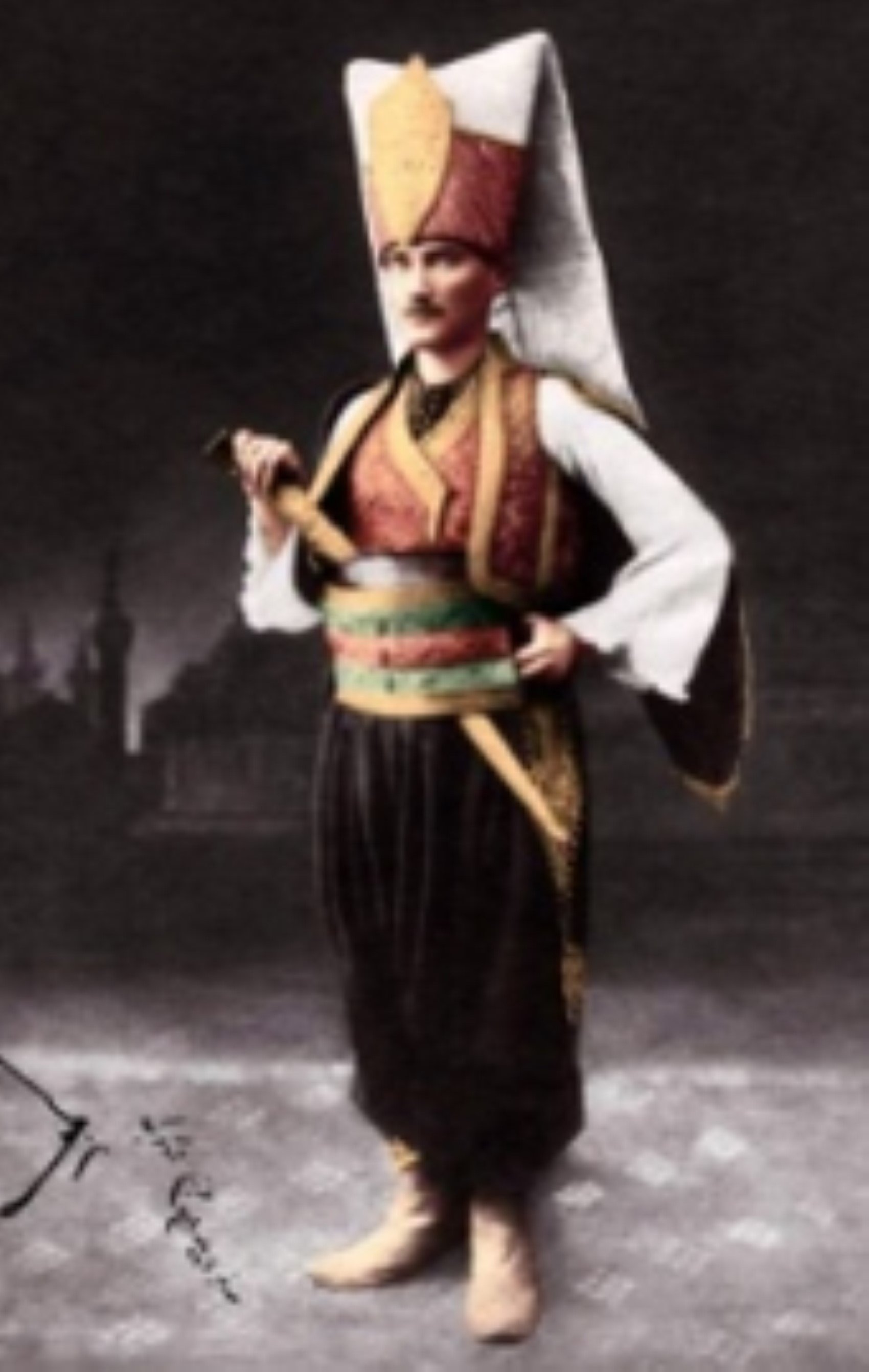
On the night of May 11-12, 1914, a costume ball was to be held at the Military Club. This was a costume competition, and the invitation came from the Bulgarian Ministry of Foreign Affairs. The ambassadors of the states of England, France, and Russia would also attend the ball. Mustafa Kemal would also attend. He had to draw all the attention to himself and gain an advantage over the ambassadors of these states. After thinking for quite a while, he made his decision. He would go to the ball in a Janissary costume. Because the Turks had marched to the gates of Vienna in this attire and had made Europe tremble for centuries with this attire. In this way, after the defeat of the Balkan Wars, he wanted to remind Europe of the power of the Turks once again. He had a costume brought from the Topkapı Palace in Istanbul. He put on the costume and stood in front of the mirror; it was quite beautiful.
The time had come.
On the evening of May 11, 1914, the preparations were complete.
He went to the ball. When he entered, there was a stir and a ripple in the hall. Because his costume was surprising. Miti was there too. Mustafa Kemal was standing on the stage as a handsome young man, his right hand resting on the hilt of his sword, his blue eyes shining brightly with his blonde hair. After a while, the dance competition started, and it was his turn. Everyone was curious. Who would he ask to dance? Mustafa Kemal did not hesitate at all; amidst the curious eyes of the hall, he walked toward Miti and asked her to dance. He was smiling with his blue eyes. Miti took his hand and led him to the dance floor amidst the jealous gazes of everyone. Mustafa Kemal was dancing very beautifully. Amidst the conversations and whispers, all attention turned to them. At that moment, applause erupted at the ball.
The dance ended. As the night progressed, at 12 o'clock, the lights suddenly went out, and the masks were removed. The result of who came in first in the costume competition was announced.
The winner of the night was Mustafa Kemal.
As the weather turned to spring in Sofia, Mustafa Kemal had started dating Dimitriana Kovacheva. Mustafa Kemal and Miti were going to Borisova Park as always, meeting there. They were happy. The meaning of life was different when they were together. They were going to the ice rink in Boris Park and the Bulgarya Patisserie. They liked each other, and Miti was impressed by the blue-eyed Turkish Attaché. Borisova Park was now their meeting place. Miti was a good skater. She helped Mustafa Kemal, who was meeting skates for the first time, learn by holding his hands. It was these hand-holding moments that bonded them to each other. They started skating hand in hand together. Now their hands would not separate. They would travel and walk together, wandering arm in arm among the snowy trees.
It was clear that they were head over heels in love.
A few months passed, and Mustafa Kemal met his beloved Miti again. They met at Borisova Park, where they always went. That day was a special day. Mustafa Kemal held Miti's hands, looked into her eyes, and proposed marriage. Miti accepted with great joy. As soon as she went home in the evening, she gave this good news to her mother.
It did not take long; Mustafa Kemal asked for Miti's hand from her father. But her father did not give her away. Because Miti's father was a general and the Bulgarian Minister of Defense. The daughter of a Bulgarian Minister could not marry a Turk.
Nationalist Bulgarians would react.
But this love had become the talk of the town in Sofia, and the relationship between a Turkish officer and Miti, the daughter of the Minister of Defense at the very top of the Bulgarian Army, had led to all sorts of gossip and jealousy. Miti's father had fought against the Turks as a General and had even taken positions on the opposite front from Mustafa Kemal. The marriage of a Turkish officer to the daughter of such a man was not something that could happen. After a while, Mustafa Kemal sent word again. But her father did not accept. Moreover, General Kovacheva was saying, "This marriage is not possible, it would be better if you do not see my daughter from now on." He had also cut off the meetings.
On the other hand, on June 28, 1914, the Austrian Crown Prince Franz Ferdinand and his wife were shot and killed in Bosnia, and the First World War had broken out. The Ottoman Empire had also joined the war.
Mustafa Kemal immediately wrote to the Deputy Commander-in-Chief Enver Pasha. He said he wanted to go to the front. But Enver Pasha replied that "it was more important for him to stay in Sofia." However, Mustafa Kemal insisted. He wrote again that he wanted to go to the front. "While my friends are on the front lines of the war, I cannot stay in Sofia just to gain two and a half bits of information," he said.
To all these despairs, the bad news he heard in Sofia was added, and he was practically devastated. Because Miti's father had engaged her to a lawyer. He could no longer stay in Sofia. But his appointment order was not coming. He made a decision. He would go to the front as a volunteer, like a private. Just at that moment, he received the order of appointment to the 19th Division Command from the General Staff.
And he left Sofia.
He was sad as he left. He had left all his memories, good or bad, in Sofia. He had also left his love in Sofia. He was very sad. He had learned that Miti was engaged, but he did not know that Miti had called off the wedding and thrown away the ring. Unaware of all this, he had taken his suitcases and set off on the Orient Express. He had a suitcase and his dog, Alp, with him.
He had arrived in Istanbul.
Without wasting any time, he found the 19th Division, actually rebuilt and reorganized it, and went to Gallipoli, to the front.
He wrote a great epic in the Gallipoli Campaign. After the war, he had gone to Sofia again. He was going to visit his friend Ali Fethi. This time, he was not alone when he got off the train at the Sofia station.
He was very surprised by the scene he saw.
Because a large crowd of people had come to welcome him. He was now a hero who had defeated the armies of the world. He was the hero of Anafartalar. The Turks in Sofia knew this too. Mustafa Kemal's blue eyes searched for Dimitriana at the station. But he could not find her. Dimitriana had not come to welcome him. He got off the train and toured Sofia with his friends.
He refreshed his memories.
Throughout his stay in Sofia, Dimitriana was always on his mind. While he was thinking of sending word to her family, he suddenly ran into her father, General Kovacheva, at the Russian embassy. They went to a coffee house. They sat down and chatted in a friendly manner. Mustafa Kemal asked, with one last hope, if he had changed his mind about the marriage with Miti. General Kovacheva had not changed it. After they drank their tea, they said goodbye.
Meanwhile, on January 16, 1916, Mustafa Kemal received the order that he had been appointed as the 16th Corps Commander to the Caucasus Front to stop the Russian and Armenian occupation that had invaded Eastern Anatolia and reached the gates of Diyarbakır.
That is why he had to go. He wanted to see Miti one last time. His proposal was accepted. And they met at the same place, the Bulgarya cafeteria. The two old lovers were quiet, still, and timid. They were hesitant. They did not speak for a while like two strangers. To start the conversation, Mustafa Kemal spoke to her about the wars. Then he talked about their old days in Sofia;
-I will keep my love for you until I die, he said.
The meeting had been short.
They left the cafeteria together. Mustafa Kemal called a carriage. As they parted, he leaned over and brought Dimitriana's hand to his lips. They locked eyes, said goodbye, and he got into the carriage.
As the horse-drawn carriage drove away, that last look was the last time they saw each other.
la vie est breve
life is short...
a little love,
a little dream, and then hello...
life is meaningless...
a little suffering
a little hope and loneliness, and then goodbye...
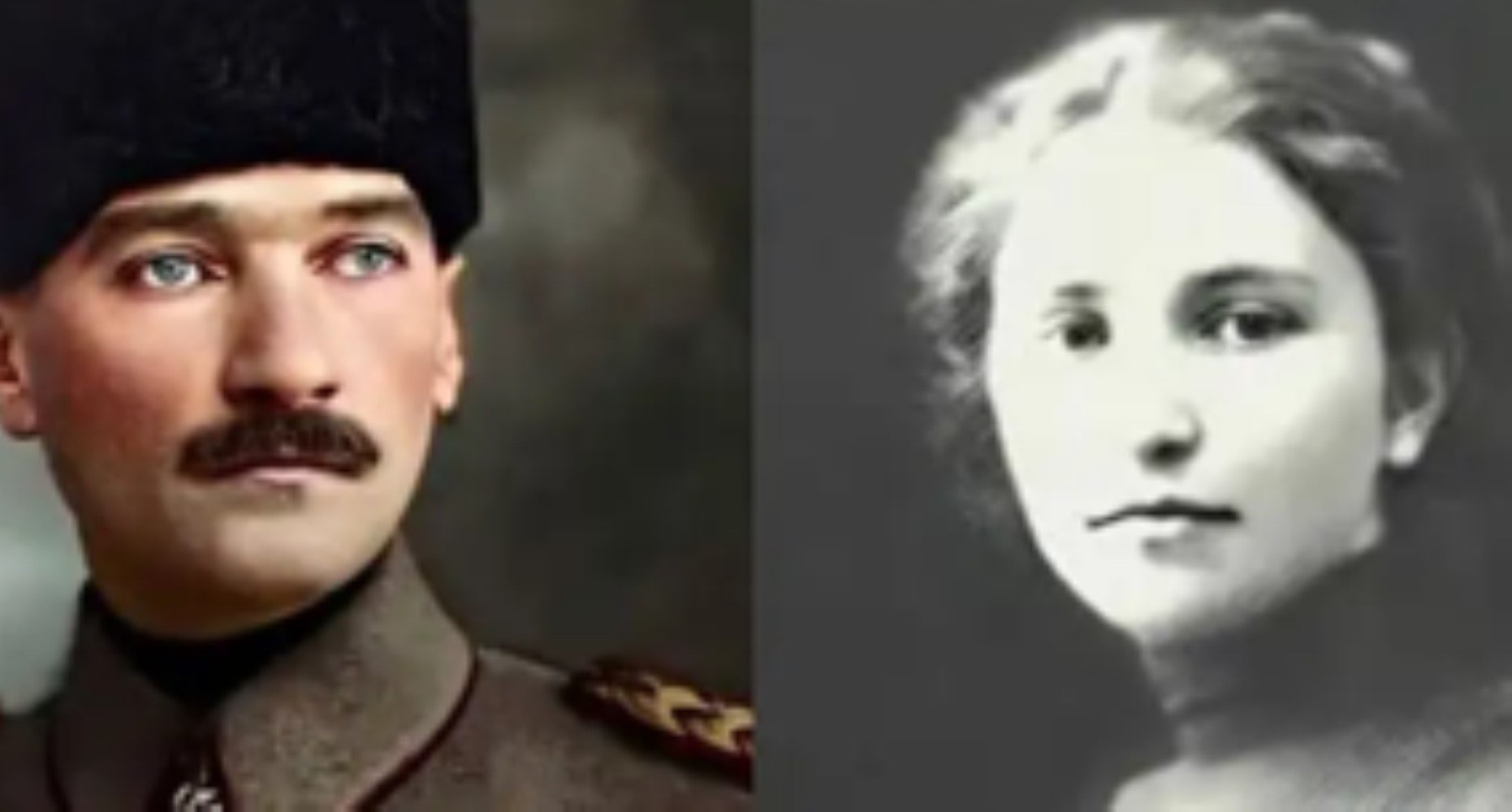
Years passed. Miti got married. But she could not be happy. Because Mustafa Kemal was always in her heart. Mustafa Kemal also got married, but he could not be happy either. .
There was nothing left to do. In the following years, Mustafa Kemal had won all kinds of wars, rushed from front to front, returned from the brink of death, fought and won for the salvation of Turkey, and founded the Republic of Turkey. And he had become the President in the country he founded and saved. As he told Madame Hildagrad Christianus, he had made Turkey a modern state.
And years later, he said these words with emotional expressions to a delegation that came to visit him from Sofia;
“I loved a girl, they did not give her to me. I left my youth in Sofia.”
Would you like to get notifications about new developments and save news?
- NotificationsNew developments and breaking news
- SaveNews is stored in the app
Most Read

Video response to Kim Jong-un claims

Murat Ağırel’s police statement has been revealed

The Orionid meteor shower will be visible from Turkey!

Fatoş Seğmen reveals the cause of her daughter's death

Latest status in the race between AKP and YENİ Party revealed

Injury shock at Liverpool: He may miss the Fenerbahçe match

From brotherhood to a distant partnership...

Who authorized the concert held in a parking garage?

Acting mayor of Üsküdar has been determined

Good news from Izmir, may Istanbul be next