


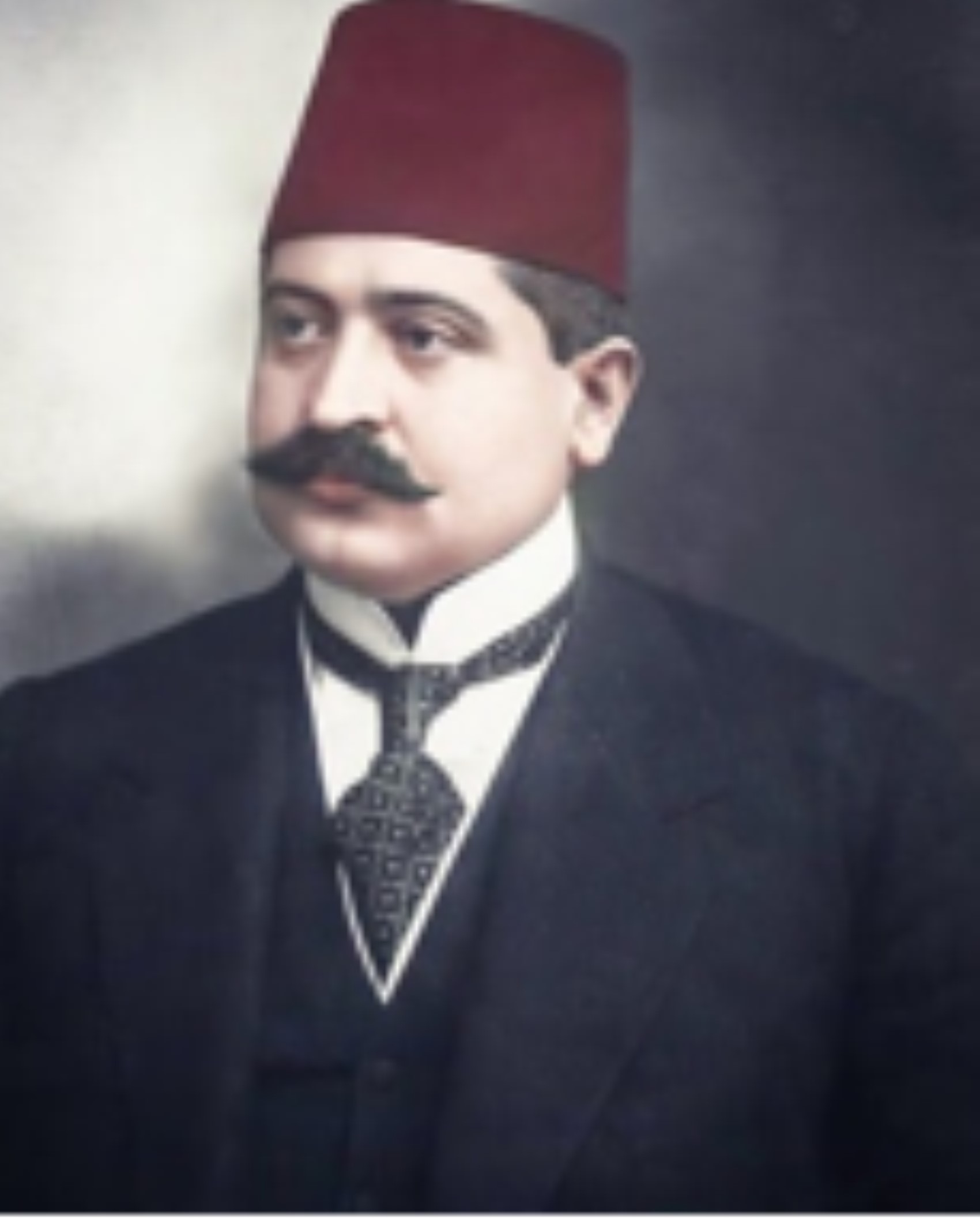
Who was Talat Pasha...



He was born in 1874 in the village of Chepelce in Kırcalı, Bulgaria. His father was Ahmet Vasıf Efendi, and his mother was Hürmüz Hanım, who had migrated there from the village of Dedeler in Kayseri. He attended primary school in Vize and middle school at the Edirne Military Rüşdiye (middle school).
His father died when he was 11 years old, and he had to take on the responsibility of his mother and two sisters at an early age. Their financial situation was not good.
To support his mother and sisters, he worked at the Edirne Telegraph Office at the age of 17, in 1891.
Young Talat was quite influenced by the ideas of his brother-in-law, İsmail Yürük, who lived in Ruse. In Edirne, he participated in efforts to overthrow the oppressive administration of Abdülhamit. He began reading newspapers and pamphlets secretly sent from abroad and adopting libertarian ideas.
His meeting with Hafız İbrahim Efendi in Edirne was also influential in his interest in the Young Turk movement and his adoption of constitutionalist thought.
Hafız İbrahim was a good revolutionary and a selfless patriot working against the Abdülhamit dictatorship. They were denounced. They were arrested on July 30, 1896.
Talat met with prison at a young age and spent time in dungeons. He served 25 months in prison. From the political prisoners in jail, he acquired nationalist and libertarian ideas about the French Revolution. Prison broadened his intellectual horizon. Afterward, he was sentenced to 3 years of internal exile in Thessaloniki, and he was forbidden from going to Istanbul.
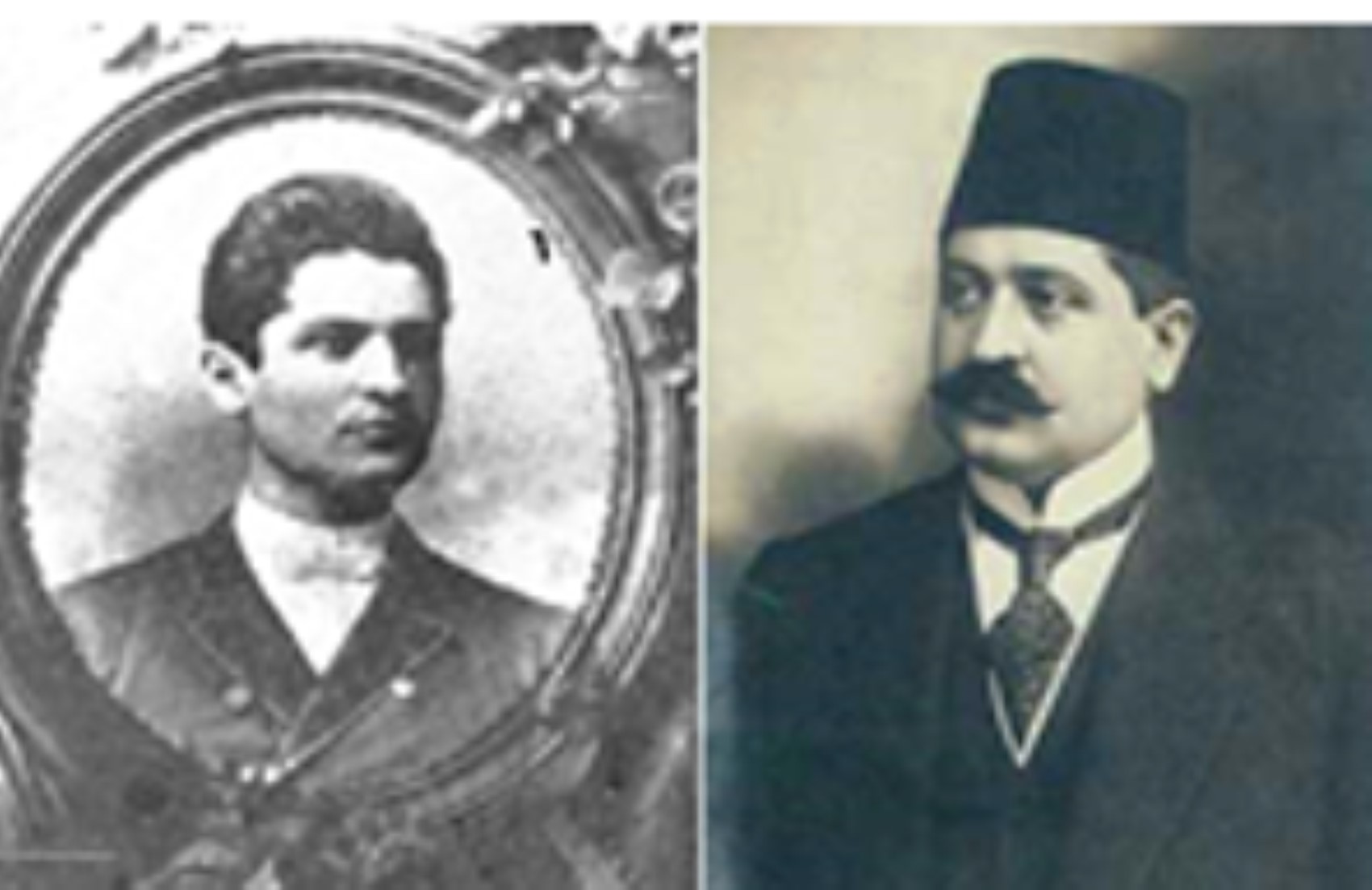
In Thessaloniki, near the White Tower, in the Kule Kahveleri district, he rented a small house with his mother and sister. Being thrown into a dungeon and sentenced to internal exile did not break him. It spurred him on even more. He would not give up and would fight against the palace. He did not know what to do and did not know anyone in Thessaloniki. But there was one thing on his mind;
To carry out a constitutional revolution for the salvation of the homeland...
Since he was a political exile, it was not easy for him to find a job. However, Abdülhamit also had an interesting side. He would grant a small salary to those he sent into internal exile or banishment. A salary had been granted to Talat Bey, whom he had exiled to Thessaloniki.
However, Talat Bey rejected the salary, saying, “I am not in need of charity.” He submitted a petition to the state to find him a job. The state gave him the position of a mobile Postal Clerk between Thessaloniki and Monastir.
The date was 1898.
This was exactly what the young Talat Bey, who had just come out of prison, was looking for. Thanks to this, he would be able to organize, travel from region to region, easily distribute the Young Turk journals they called forbidden publications, and organize people. He also met young officers, teachers, and intellectuals in the 3rd Army in Thessaloniki.
In 1903, he became the chief clerk of the Thessaloniki Telegraph Administration.
Talat Bey began attending the Thessaloniki Law School. On the other hand, he was working. He spread ideas of freedom to the young people at the Thessaloniki Law School. He distributed libertarian journals to them.
A fight broke out between postal directors in Thessaloniki. Talat Bey was called as a witness. He told what he knew truthfully. The chief director objected. When he said, “Talat Bey's testimony should not be accepted by your high court. Because he is a traitor working against the government and Abdülhamit,” all hell broke loose.
This time, the chief director's lawyer stood up and took the floor:
-“I am withdrawing from representing my client, the chief director, because he has made attacks and slanders against an honest and patriotic son of the homeland like Talat Bey,” he said.
Talat Bey had begun to be known in Thessaloniki as an honest and patriotic personality.
While Talat Bey's efforts to “overthrow the tyranny” continued, on a Friday in July 1906, 10 people held a secret meeting in the house of İsmail Canbulat near the Baron Hirsch Hospital in the Yalılar district of Thessaloniki. The organizer was Talat Bey.
They had now begun their organizational work.
When the date showed August 18, 1906, it was heard that Sultan Abdülhamit had fallen seriously ill. Upon this news, Talat Bey became anxious. The ten-person team began meeting every other day. If Abdülhamit died and the Constitution could not be declared before his death, the country would fall apart, and the Ottoman Empire would be partitioned by European states. That was his concern. Upon this, Talat Bey had to establish an organization and save the homeland by resisting this partition. He increased the meetings. A month later, in September 1906, they founded the ‘Ottoman Freedom and Unity of the Nation Association’.
But the seal was briefly engraved as; “Ottoman Freedom Association”.
In those days, Mustafa Kemal had also come to Thessaloniki from Damascus, where he had been exiled, and had seen that many of his close friends from the Military Academy or the War College had joined the association.
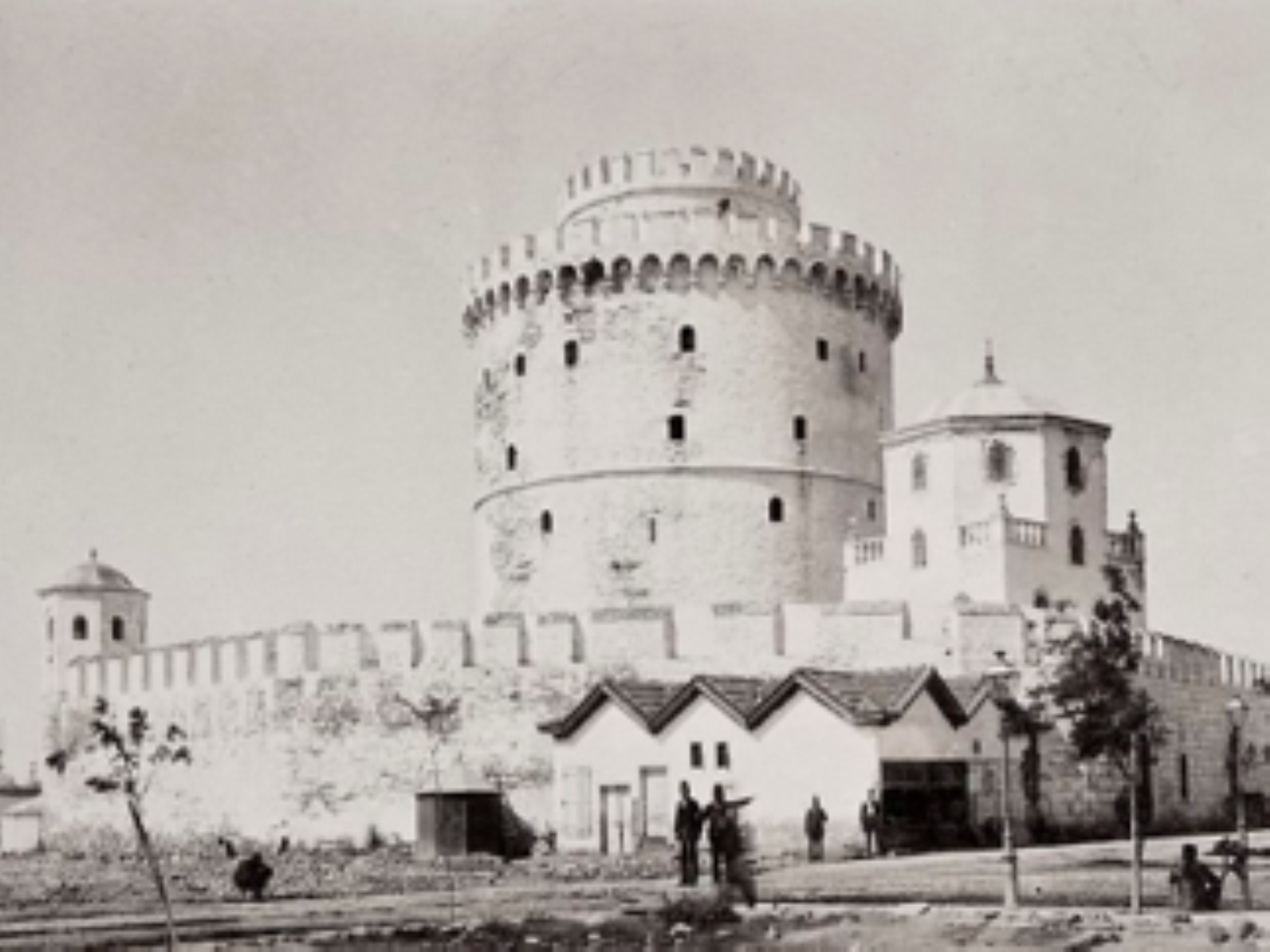
Enver Pasha, Cemal Pasha, Kazım Karabekir Pasha, Ali Fethi Okyar, Hafız Hakkı, Vehip Kaçı, Ali Fuat, Ömer Naci, and many others, they had all joined. Many more officers of the 3rd Army. The goal of these officers was not to kill Abdülhamit. It was “how to put the constitution back into effect and what measures to take to force Sultan Hamit to declare the Constitution.”
Talat Bey was managing all the meetings. He was the leader of the organization.
Postal clerk Talat Bey wanted to grow the organization he had founded.
He made contact with Ahmet Rıza Bey, one of the leaders of the Committee of Union and Progress who was in exile in France. They agreed in principle to merge the associations. Ahmet Rıza Bey secretly sent Dr. Nazım Bey from Paris to Thessaloniki for this merger. The date was September 1907.
Dr. Nazım Bey was an organizational comrade from the İttihad-ı Osmani (Ottoman Union), which Young Turks like İbrahim Temo, İshak Sukuti, Abdullah Cevdet, and Çerkez Reşit had founded in 1889 while at the Faculty of Medicine to save the Ottomans. He was a fiery Unionist.
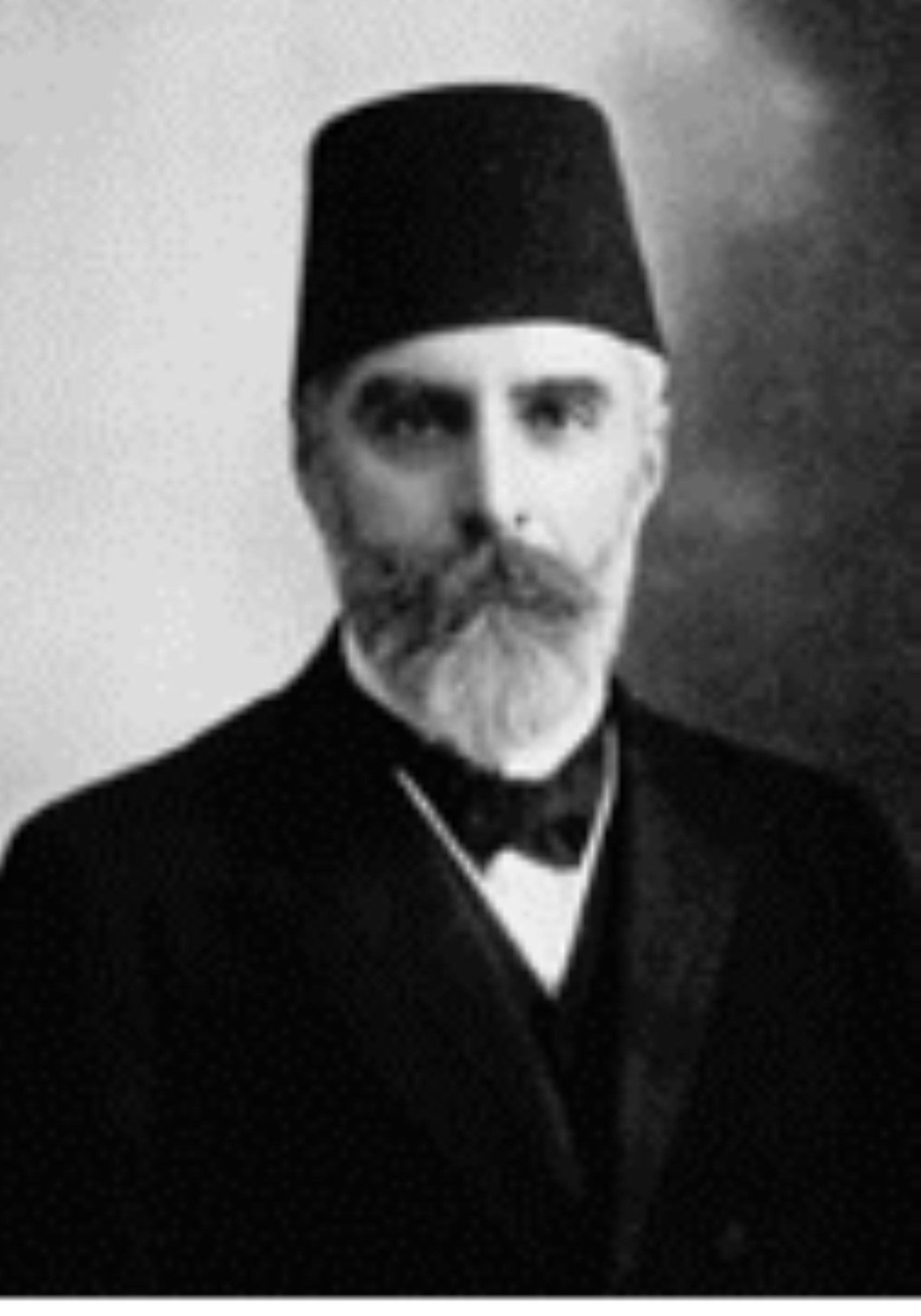
Ahmet Rıza Bey
Dr. Nazım Bey
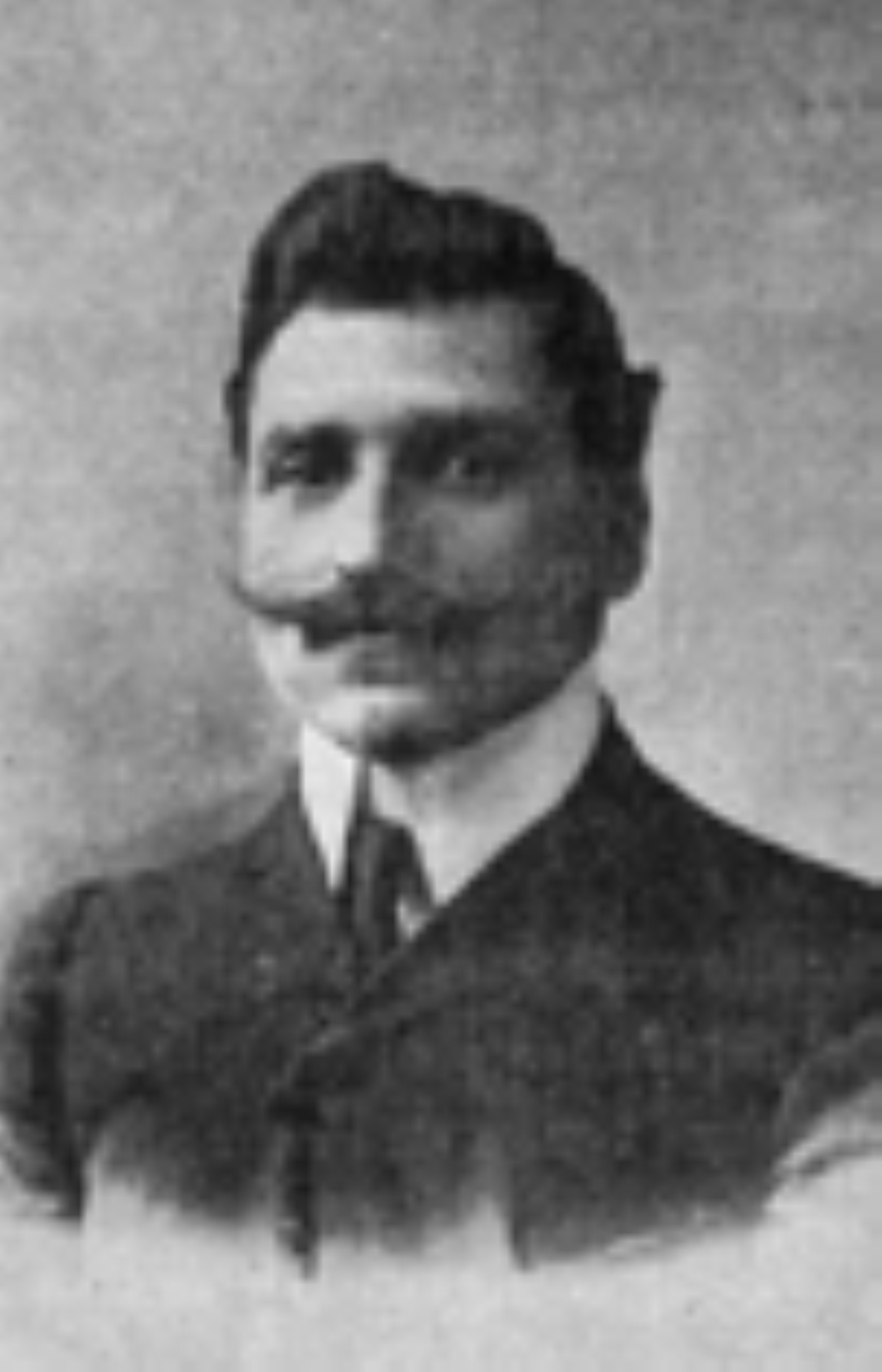
Dr. Nazım Bey met with Talat Bey under the code name “Mehmet Hoca” and they began working together. However, when his childhood friend Dr. Toledo saw and recognized Dr. Nazım Bey, who was walking around near the Thessaloniki White Tower with a beard, the organization's work was disrupted. They could have been denounced to Abdülhamit.
If caught, he would be executed. There was already a death warrant for him.
Upon this, Dr. Nazım Bey informed Talat Bey of the situation. Talat Bey got angry. Saying, ”Now I will deal with him,” he went to Dr. Toledo's office the next day;
-“You saw Nazım. Is that true, doctor?” When he asked, the doctor was saying with an excited expression that he had seen him. Furthermore, when he added that Nazım Bey was in the attire of a teacher and was trying to hide his face with the umbrella in his hand, Talat Bey took out his gun, placed it on the table in front of him, and suddenly interrupted Dr. Toledo;
-“Yes, as you saw, Nazım is in Thessaloniki and is walking around in disguise so as not to be recognized. No one else recognized him but you. Only you recognized him. If it is heard that he is here, and if something happens to Nazım,” he said, waited a little, and pointing to the pistol standing in front of him with his large eyes;
-“I will blow your brains out with this pistol,” he said.
Upon this threat, Dr. Toledo turned pale. His hands began to tremble. He began to beg, clutching Talat Bey's hands;
-“I swear I didn't see him, I swear I didn't see him. If you hear that I have spoken to anyone else about Nazım, kill me,” he said.
This was Talat. He was that clear.
And before long, the Committee of Union and Progress, which operated in Europe, and the “Ottoman Freedom Association” founded by Talat Bey merged with a protocol signed on September 27, 1907. Its name became;
“Committee of Union and Progress”.
Efforts against Abdülhamit's oppressive and indifferent regime grew even stronger.
Supporters began to be gathered. However, those who were against their activities and Abdülhamit's agents who disrupted their work were being eliminated one by one. Talat Bey was denounced as a result of these efforts.
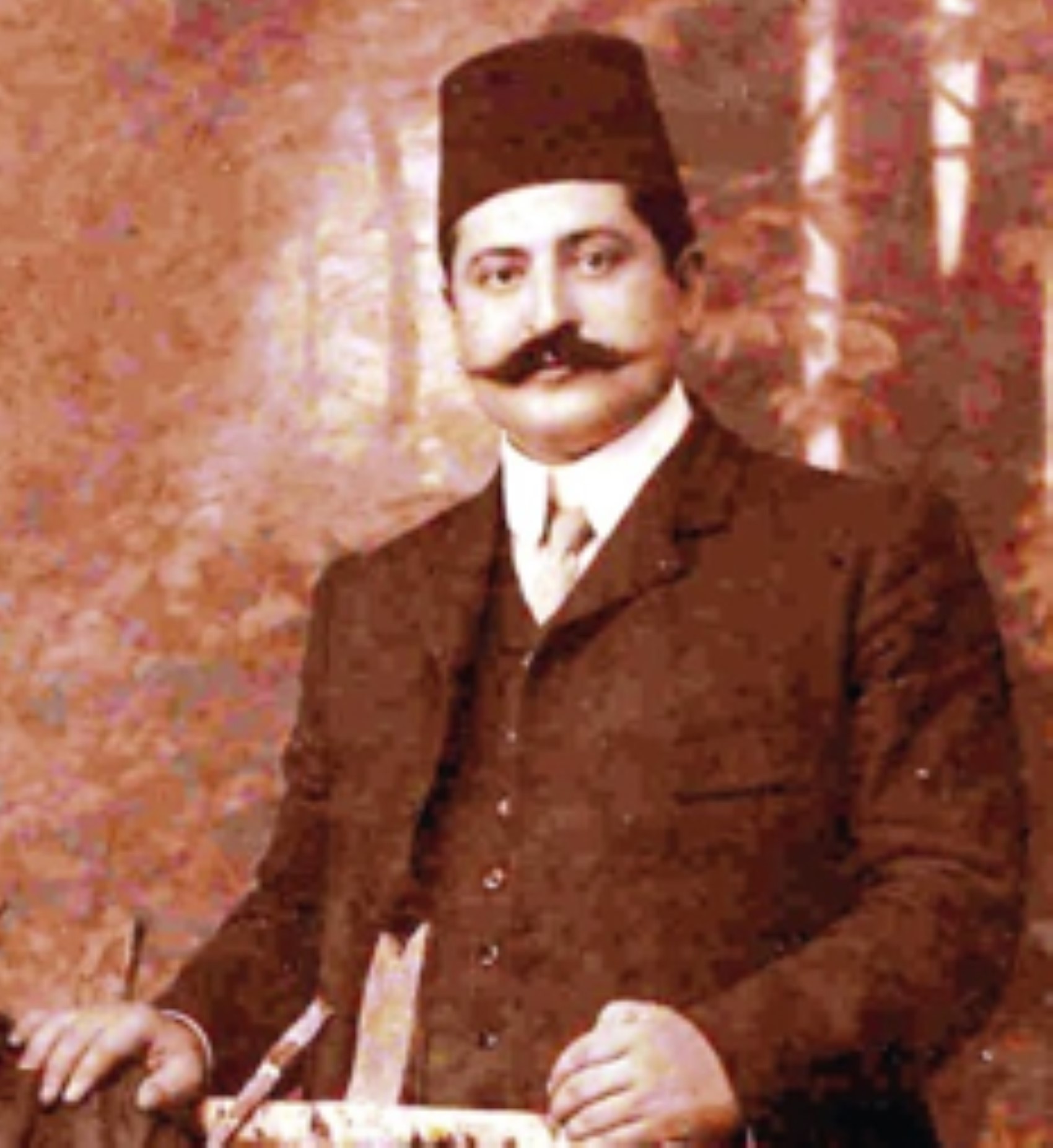
More precisely, when those who harmed the Committee of Union and Progress organization in Macedonia began to be killed in unsolved murders, Talat Bey was suspected. Moreover, it was understood by everyone that, for example, the shooting of Nazım Bey, Abdülhamit's trusted man, and the killing of the Mufti of Monastir in front of the Colombo hotel while he was taking a denunciation file to the Palace, showed how brave the fedayeen of the Committee of Union and Progress were, and that Talat Bey was behind these events.
He was behind the scenes.
Everything was happening under his command, and the organization was planning its actions with his directives. However, they could not prove it. As such, Abdülhamit dismissed Talat on November 21, 1907. He decided to have him exiled to Anatolia under guard. However, this was learned by the organization. The organization would resort to every means to save Talat Bey and would kidnap Talat Bey from among the guards. Their relations with the Palace reached a critical point.
It was said, ‘Either the state will prevail, or the raven will feast on the carcass’.
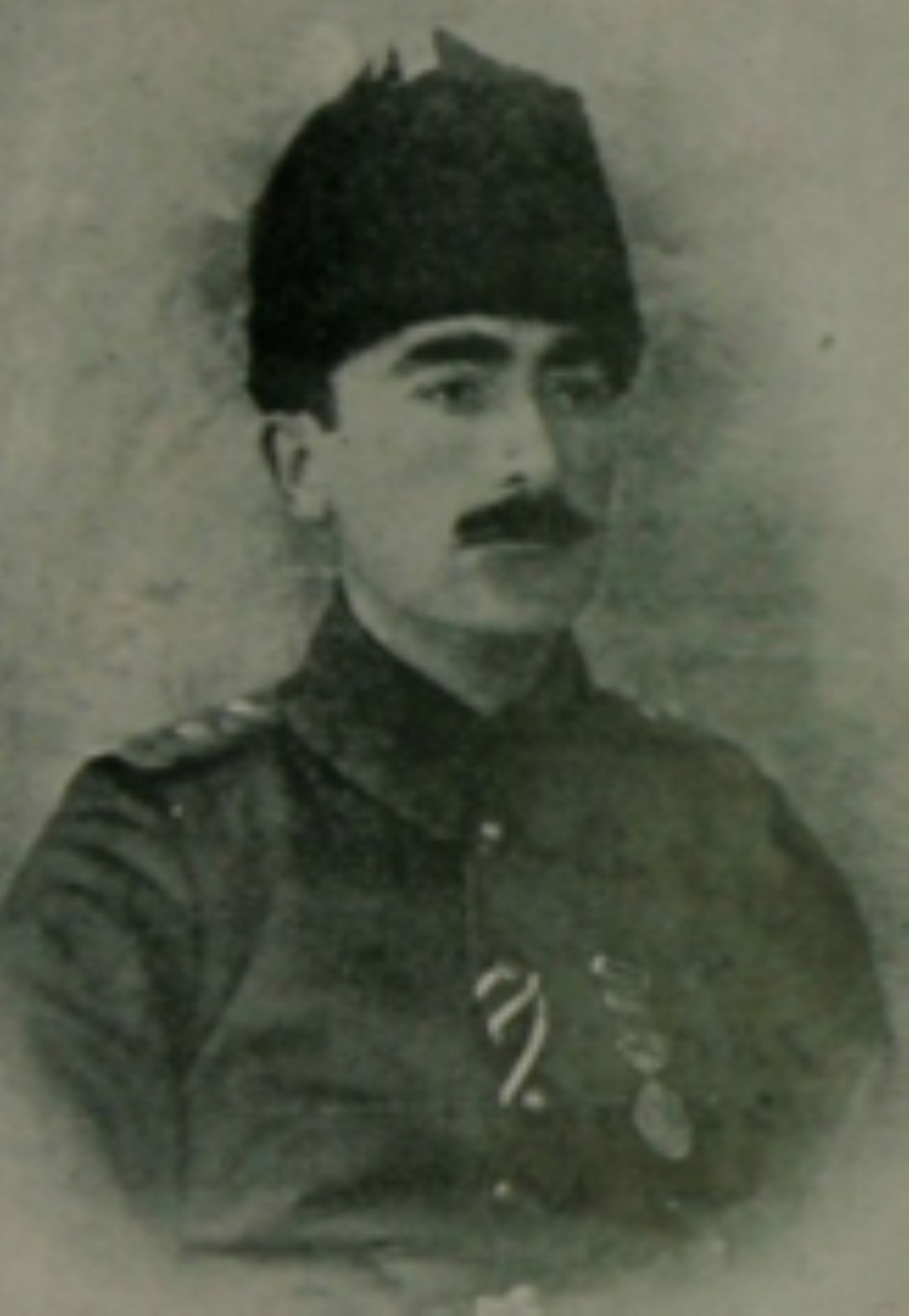
Swords were drawn, and Halil Kut, the hero of Kut-al-Amara, said upon this, “Let me go to Istanbul under the pretext of getting married. Let me hide in my house in Beşiktaş. Let me shoot Abdülhamit from 5-6 meters during a Friday procession. Let the Istanbul branch of the organization take advantage of this event of mine and declare the Constitution.”
Halil Bey was Enver Bey's uncle.
They were fearless. According to some, they were crazy. According to some, they were brave. According to some, they were adventurers. But there was one thing, yes, they were very brave, they were fearless, and they were practically going crazy for the homeland. That's why they didn't recognize Abdülhamit, a Pasha, or a Sultan.
They were called the golden squad.
In this squad, there was Enver, there was Cemal, there was Kazım Karabekir, there was Yakup Cemil. And of course, there was Mustafa Kemal. But Mustafa Kemal was the most different one.
They did not want a one-man regime. There had to be a state order where the people could also have a say. This is what they wanted. The organization was strong. Halil Kut thought, “If I kill Abdülhamit, the organization will support me.” Why was there so much effort? With a palace coup, Abdülhamit would be overthrown, and the problem would be solved at the root. A single bullet would solve everything.
The homeland would be saved.
The homeland they called was the Ottoman Empire. It was North Africa. It was the Balkans, it was Macedonia. It was about to be partitioned. But Abdülhamit was not lifting a finger for this. For 32 years, he did not cross from the European side to the Anatolian side. He would only leave Yıldız Palace for the Friday procession.
Halil Kut proposed this idea to the General Headquarters of the Committee of Union and Progress with a proposal letter. He conveyed it to Talat Bey. They also asked the Istanbul Branch about the matter. However, the organization's men in Istanbul rejected the proposal, saying, “Shooting Abdülhamit would pose a danger to the country. And it would cause great chaos in Istanbul.”
Talat Bey also did not take into account the suggestion of being kidnapped by his friends while being sent to Anatolia under the escort of gendarmes. He would handle his own business himself. He went straight to the office of the 3rd Army Commander and Governor-General of Macedonia, Hilmi Pasha, and as soon as he entered the door, he spoke harshly.
“I heard that I have been dismissed from my duty, is it true?” he said.
Hilmi Pasha was surprised to see Talat Bey suddenly in front of him. And he was quite scared; he settled for saying “Yes.” But Talat continued his words with the same harshness;
“The state does what it wants. The dismissal and appointment of an official are under its command. I am resigning from this moment on. But I want to learn one thing, you are going to exile me to Anatolia. If this is true, I want you to know that I will not leave Thessaloniki. If you try to send me by force, the end of this business will not be good for you,” he said.
And he slammed the door and left.
Talat Bey was a very brave person who believed in his cause. It was not easy. A postal clerk was standing up to a Pasha, a Governor, without any fear.
Upon this, they could not exile Talat Bey to Anatolia. Hilmi Pasha managed the situation by answering Abdülhamit with something like “Exiling Talat Bey will cause an uproar.” But Talat Bey had been dismissed from his duty. With the support of his friends, he was appointed as the Director of the Thessaloniki Private Trade School.
He still had things to do.
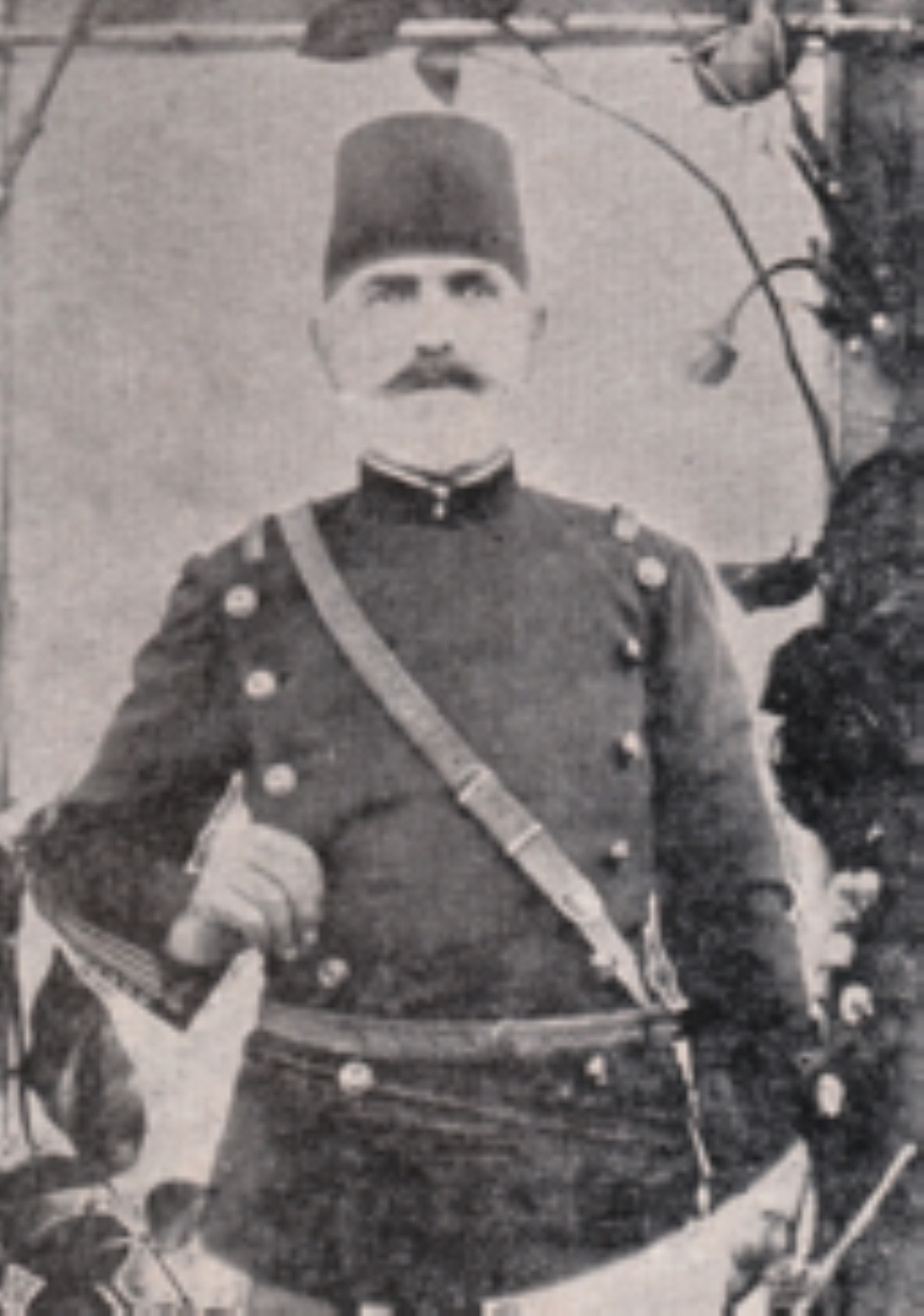
Moreover, this event had spurred him on and accelerated his work.
And he did what he did, he expanded the Committee of Union and Progress organization in Macedonia. And he added the vast majority of the 3rd Army and 2nd Army officers to the organization. Because Enver Bey was held responsible for the shooting of Nazım Bey, Enver Bey went to the mountains in Macedonia and received the title of Hero of Freedom. When Resneli Niyazi joined this along with many officers from Ohrid and other cities, this movement posed a great threat to Abdülhamit.
Abdülhamit tasked Şemsi Pasha, who knew the mountains of Macedonia very well and was extremely loyal to him and his most trusted man, to suppress this movement. However, Şemsi Pasha was shot by the Unionists while preparing for the operation in Monastir at the beginning of the campaign. The First Lieutenant Atıf, who shot Şemsi Pasha, shouted the following sentence when he fired his weapon at Şemsi Pasha's neck;
“Either death or the homeland”
The rules of the Committee of Union and Progress organization were strict. Oaths were taken on weapons and the Quran. The one who set the rules was Talat Pasha. If First Lieutenant Atıf had not shot Şemsi Pasha, he would have been shot by the organization.
The killing of Şemsi Pasha tied Abdülhamit's hands. When tens of thousands of people sent telegrams to the Palace for the restoration of the Constitution and the declaration of the Constitution, and threatened to march on Istanbul, Abdülhamit took a step back.
He promised that he would accept the Constitution and declare the Constitution.
On July 23, 1908, the declaration of Freedom was made. Now the organization had come to light, everyone was lining up to become a member, and even Abdülhamit had declared that he was the head of the Unionists.
Talat Bey was the leader of the organization. Enver Bey was its hero.
Talat Bey, as the head of the Committee of Union and Progress, did not touch Abdülhamit, who had thrown him into dungeons after the July Revolution. Elections were held. He was elected as the Edirne Deputy from the Committee of Union and Progress. He became the 2nd President in the Parliament. The Speaker of the Parliament was Ahmet Rıza Bey. However, things were not going well. He and his friends had made the revolution, but the administration was in someone else's hands.
He had the drum, but someone else had the mallet.
As a result of this disorder, the opposition and some press organs and writers in Istanbul declared war on him.
Before a year had passed, the reactionaries rebelled. Abdülhamit, on the other hand, secretly supported these rebels. As a result, the 31 March incident broke out, and the reactionary rebels who killed soldiers and deputies took over the Chamber of Deputies.
Fortunately, an Action Army was established upon the suggestion and insistence of Staff Captain Mustafa Kemal, who was in Thessaloniki at that time, and was sent to Istanbul against the reactionaries.
Talat Bey was the one who ensured that the dispersed Parliament gathered again in Yeşilköy, and the uprising was suppressed.
Abdülhamit was sent to the Alatini mansion in Thessaloniki.
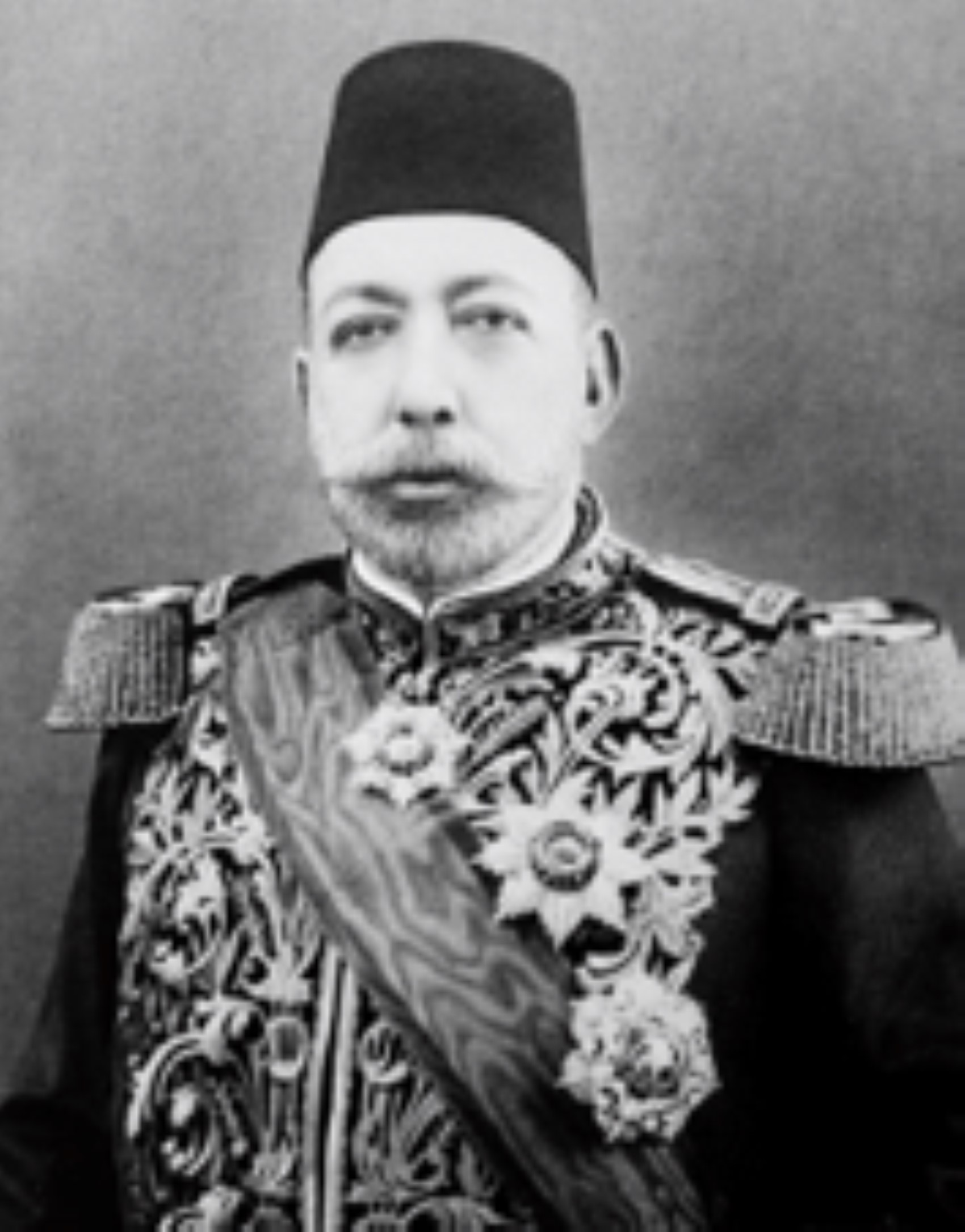
More precisely, he was exiled. In his place, V. Mehmet Reşat became the Sultan.
After V. Mehmet Reşat became Sultan, the Chamber of Deputies opened in Istanbul and began its work.
On August 8, 1909, he became the Minister of Interior in the Hüseyin Hilmi Pasha cabinet.
But the problems in the country were not ending. Balkan communities were in rebellion. Mutual conflicts in domestic politics, coup letters, and threats were preventing the Parliament from working comfortably. Since the Prime Ministers appointed were old and elderly, they could not make a revolution in the bureaucracy.
On the other hand, the Unionists were not giving up their habitual committee-ism. A fedai who felt like it would shoot a man just because he was an opponent, and it was left to Talat Pasha to clean up. On the other hand, unsolved murders were also increasing. The bill was left to Talat Bey. His job was very difficult. Because they were not the Prime Minister, they were insufficient.
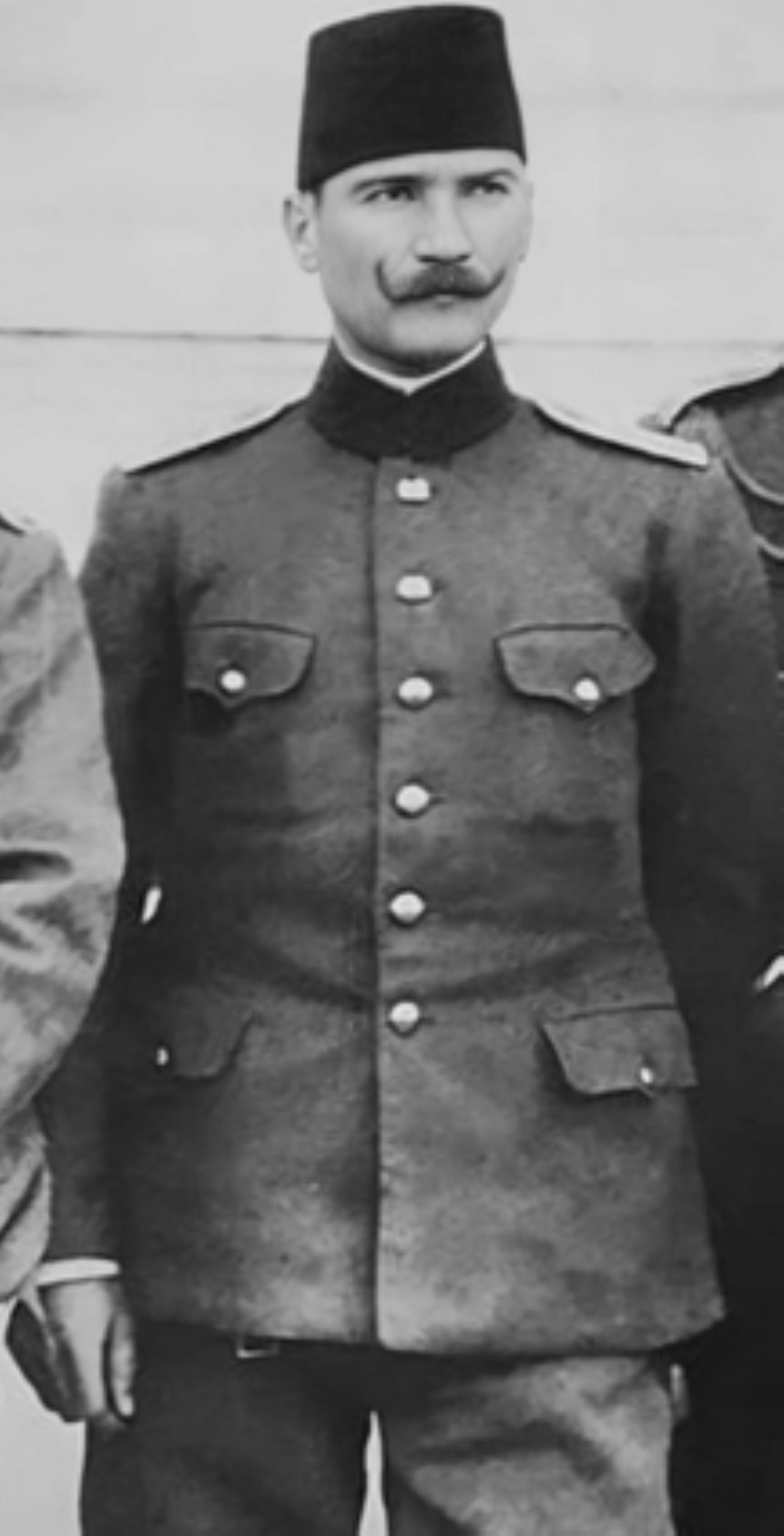
At this very point, young Staff Captain Mustafa Kemal stepped in. He listed some measures that the Committee of Union and Progress should take at the congress; he wanted the Committee of Union and Progress to take full control of the administration. Mustafa Kemal was saying that the army should be renewed, that they should be prepared for the war that would break out in the Balkans, and that political and social reforms should be made in the country. For this, the Committee of Union and Progress would give up its committee-ism habit, go down to the people and become a party, and officers would choose either the profession of soldiering or the profession of politics. It would not be both at the same time. Titles like ‘hero of freedom’ would not be used. When he said these words from the podium at the congress, the ties were broken. Mustafa Kemal gathered the lightning on himself. He was threatened with death by the Unionist leaders. And although he did not leave the membership, he put distance between himself and the Unionists.
Especially his desire for soldiers to be removed from politics by foreseeing the approaching Balkan War, and his desire for officers to return to their barracks as soon as possible and focus their attention on Balkan events, was the most important reason for his parting ways with the Committee of Union and Progress leaders.
As such, events within the country increased. When it could not be stopped, Talat Bey resigned on February 4, 1911. He was overwhelmed. He had not been able to satisfy the public and the press. He continued his political life as a deputy. On February 4, 1912, he began his duty as the Minister of Post and Telegraph in the Sait Pasha cabinet. After February 17, he also became the acting Minister of Interior. Then in 1912, the Balkan War broke out.
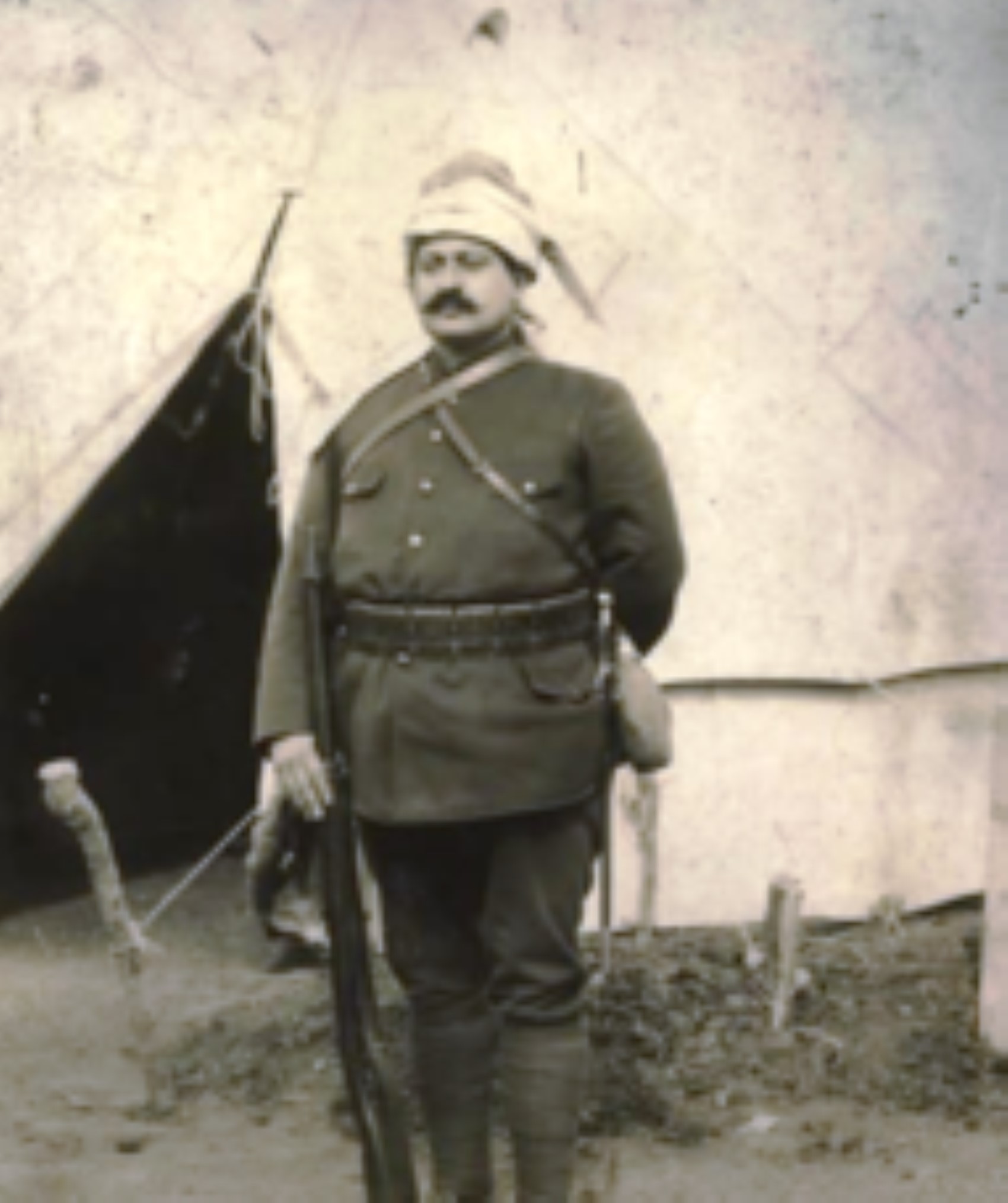
While he was the Minister of Interior during the Balkan War, he joined the army as a volunteer private. He went to Edirne.
However, upon rumors that he was “doing propaganda,” he returned to Istanbul.
After the Balkan defeat, it was revealed that Mustafa Kemal was right.
In the Balkan Wars, the Ottoman Empire suffered a great defeat and lost all its lands. Edirne had fallen. The Bulgarian Army had reached as far as Çatalca.
Just at that moment, Enver Bey, who returned from Tripoli, played an important role in stopping the Bulgarians in Çatalca. A ceasefire agreement was made with the Bulgarians.
At the end of the ceasefire, Prime Minister Kamil Pasha was going to accept the Midye-Enez border proposed to them by the London Conference.
However, Talat Bey and Enver Bey did not accept this.
The Unionists held a meeting. Enver Bey and his friends were going to overthrow the government by using force. Talat Bey was also persuaded to this with the promise that “no blood will be shed.” On January 23, 1913, a Sublime Porte Raid led by Enver Bey took place. The Prime Ministry building was raided. During the raid, Minister of War Nâzım Pasha was shot and killed by Yakup Cemil before Talat Bey's eyes. Talat Bey was shocked. He objected. He said that it should not have been like this. But the raid had taken place.
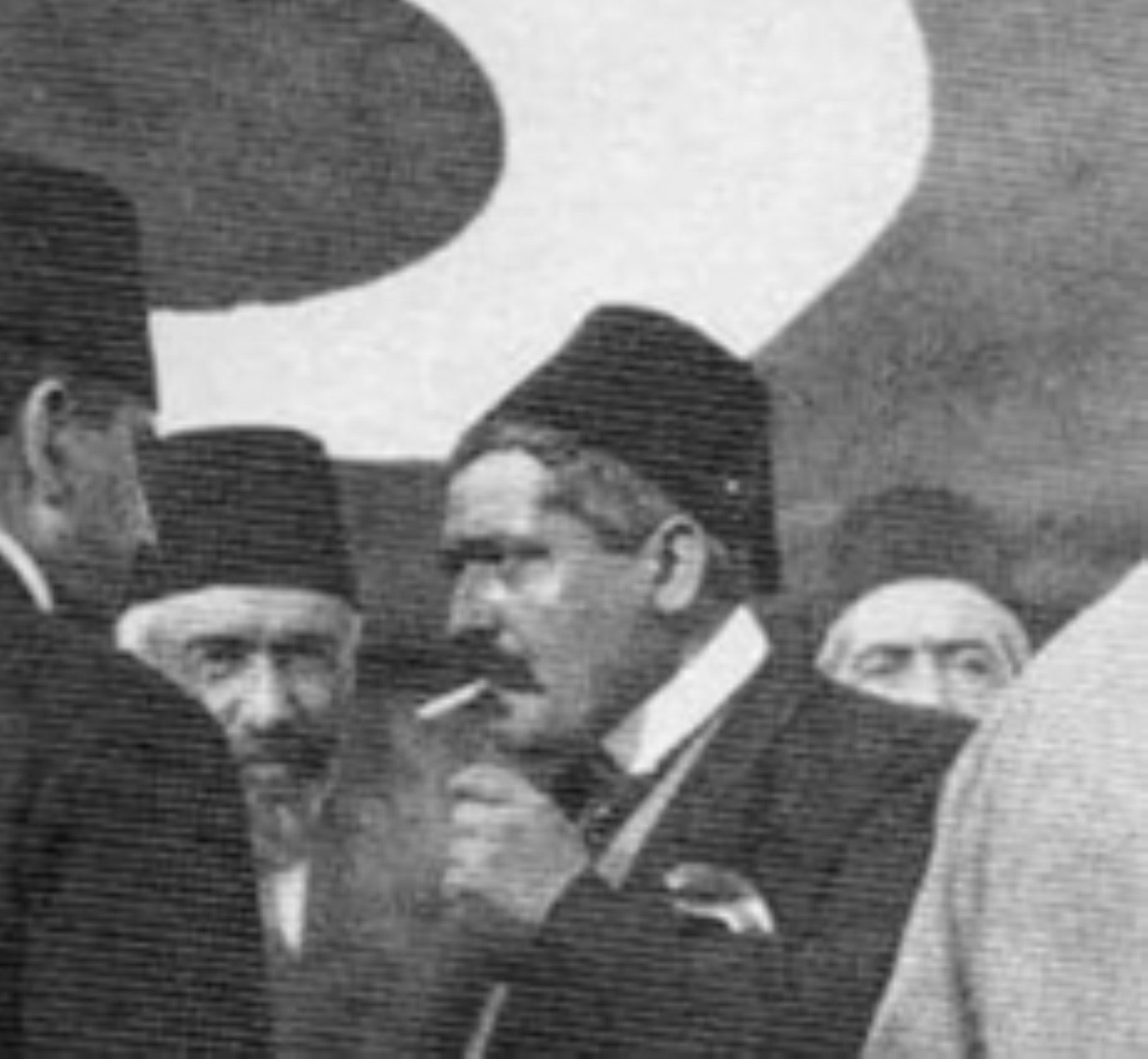
Enver Bey forcibly made Prime Minister Kamil Pasha sign his resignation and had it approved by the Sultan. He also persuaded Mahmut Şevket Pasha to become Prime Minister.
The Committee of Union and Progress, 5 years later, seized the administration, that is, the power, which it had not been able to get its hands on since the July 1908 Revolution, with a military coup.
Mustafa Kemal had wanted the Committee of Union and Progress to take over the administration and for the country to be managed from a single hand from the beginning, but ‘seizing power’ should not have been like this. Seizing the administration should not have been with a coup. It should have been with an election. He had warned by writing a letter from Bolayır together with Ali Fethi.
But he could not make them listen.
The Committee of Union and Progress, which seized the administration, did not recognize the Midye-Enez line. It informed the Bulgarians that it wanted to fight if necessary.
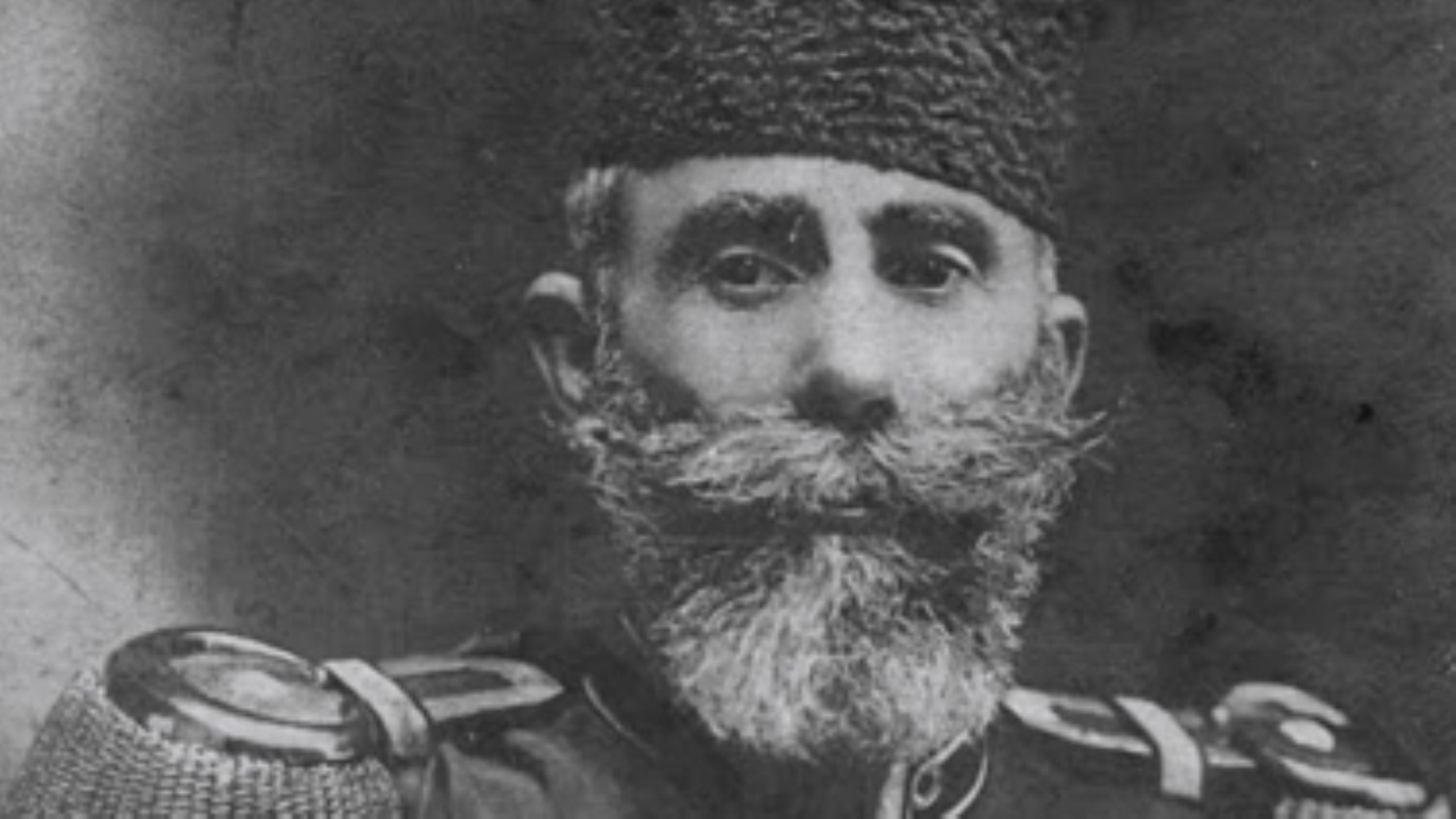
On June 11 of the same year, something happened.
Prime Minister Mahmut Şevket Pasha was shot by unidentified persons in order to take revenge for Nazım Bey. He was killed.
The Prime Minister became Sait Halim Pasha.
When July arrived, the Balkan countries that separated from the Ottomans and expanded their lands fell out with each other. More precisely, the others marched on the Bulgarians at the same time, saying ‘they gained more land.’ The Ottoman Empire, which evaluated this opportunity well, entered Edirne on July 22, 1913, and took it back.
Actually, the first to enter Edirne was Lieutenant Colonel Mustafa Kemal, but because he was the Sultan's son-in-law and a ‘Hero of Freedom,’ Lieutenant Colonel Enver Bey was polished in the press.
This victory prize was given to him.
Lieutenant Colonel Enver Bey, whose heroism increased even more throughout the country, wanted to become the Minister of Defense, falling into the dream of taking back some, if not all, of the lands we lost in the Balkans after the recapture of Edirne.
He was still a lieutenant colonel, and this was not possible in terms of rank.
But he was persistent. First, he told his intention to Prime Minister Sait Halim Pasha, and when he did not accept and referred the matter to Talat Bey, Talat Bey was in a difficult situation.
The fedayeen stepped in, and this proposal was accepted by Talat Bey with a semi-threat. Enver Bey was first made a Colonel, and then a Pasha before a month had passed. Minister of Defense Ahmet İzzet Pasha was made to resign, and Enver Pasha became the Minister of Defense.
The Prime Minister was Sait Halim Pasha, but he was also a Unionist, and the Unionists had fully seized the administration. Now the fate of the state was in Talat and Enver Pasha.
However, the First World War was approaching. They were noticing this. However, the army had been worn out and weakened at the end of the Balkan Wars. Talat and Enver Pashas immediately entered the process of renewing and gathering the army. They retired the unsuccessful Pashas and officers in the Balkan Wars and brought young and patriotic officers to duty.
They cleared out the unsuccessful and even traitorous Alaylı (non-commissioned) officers within the army structure and paved the way for officers from the Military Academy who had passed through a certain discipline and knowledge filter.
This was a very correct and very successful decision.
Talat and Enver Pashas, who realized that the world war was inevitable, made attempts to reach an agreement with England and France. However, especially England rejected this attempt because they decided in favor of the partition of the Ottoman Empire.
For this reason, the Ottoman Empire was forced to form an alliance with Germany. And it received military aid from Germany.
The Ottoman Empire, managed by Talat and Enver Pashas, agreed to enter the war on the side of Germany by making a secret alliance treaty with Germany on August 2, 1914, and joined the World War on October 30, 1914.
Now difficult days were waiting for Talat Pasha.
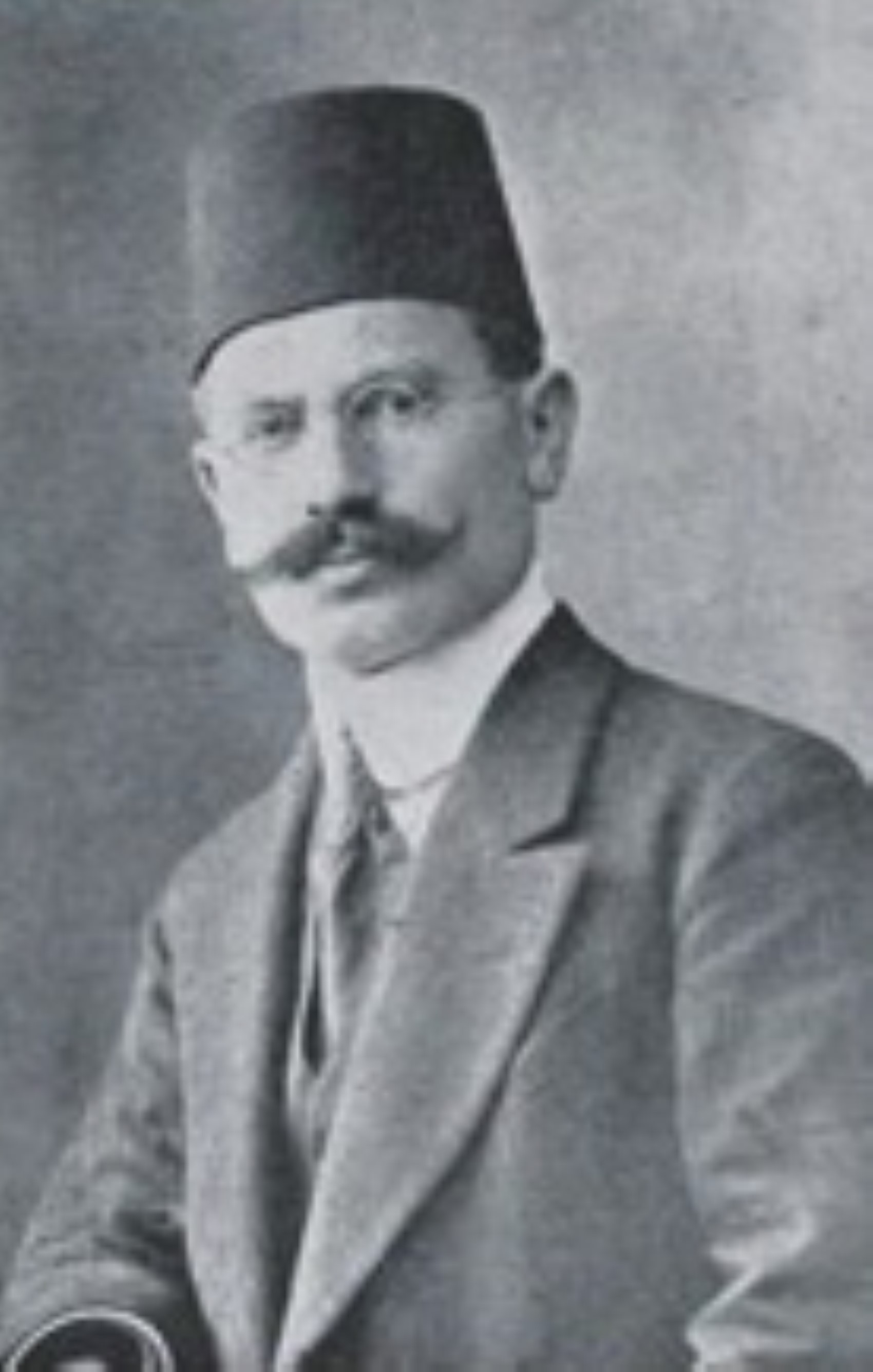
Just in those days, with the provocation of the Imperialists, the Armenians entered into an effort to establish a state in Eastern Anatolia. Because they thought that the Ottoman Empire would not be able to emerge victorious from the war and would be partitioned.
The notables of the Armenians wanted to meet with Talat Pasha. He accepted them at the Cercle d'Orient, that is, Serkildoryan, which is the place of the old Emek Cinema in Beyoğlu.
The Armenian notables explained their ambitions. They said they wanted to separate from the Ottomans and establish a separate state in the east.
Oskan Mardikyan -“Don't do it,” said Talat Pasha. “For how many years has the Ottoman Empire made you a pasha. It made you a deputy, it made you a Minister,” he said.
“The Minister of Foreign Affairs is Armenian. The Minister of Post and Telegraph is Armenian. Oskan Efendi. Hallaçyan Efendi, Minister of Trade and Public Works. Armenian. The Ottoman Empire treats you like a brother. You are comfortable. In your home, in your things. Give it up,” he said.
He had practically begged.
The Armenians said you are right. But this time, while leaving, they wanted autonomy. Talat Pasha did not accept that either. “Get it out of your mind,” he said. “I won't give it,” he said. “You can never get autonomy from Turkey,” he said. “Whatever I am, you are that too. If I am a deputy, you are a deputy. If I am a journalist, you are a journalist. But giving land is never,” he said.
But he could not make them listen.
Armenian events and rebellions had started throughout the country. Actually, these rebellions had existed before. But especially in the East, they had suddenly accelerated. Erzurum, Kars, Ardahan... Tsarist Russia was provoking. The French, the British. They wanted the Armenians to establish a state in Eastern Anatolia.
As such, the Armenian nationalists did not listen to words.
They trusted the Dashnak and Hunchak societies. They took action.
The Ottoman Empire had entered the war. They were facing England, France, and Tsarist Russia. However, there was a problem. For example, while fighting the Russians, incidents began to occur where the Russians armed the Armenians behind the front and shot them from behind. In Talat Pasha's words, “The world war was a matter of existence and non-existence for the Ottoman Empire, and in such a great war, it was necessary not to tolerate actions that violated the freedom of movement of its armies, endangered the safety of the country, and the security of the army by inciting rebellions in the rear.” While the Ottoman Empire was thinking of a remedy for this, the deportation application, which was the idea of the Germans, was started in May 1915.
The Armenians in the country were deported to the border areas.
The bill for this deportation was placed on three people because they were the leaders of the Committee of Union and Progress. Talat, Enver, and Cemal Pashas.
The deportation application did not stop there. The imperialists accused these three pashas of committing genocide against the Armenians. The European press consciously attacked these people.
While these events were happening and the First World War was continuing, Talat Pasha became Prime Minister on February 4, 1917.
It was a difficult period. It was a very difficult period.
His struggle, which started with newspaper distribution, had raised him to the Prime Ministry, the postal clerk of yesterday was now at the head of the state.
Talat Pasha was a good organizer. He was one of the pioneers of the July revolution made in 1908 against Abdülhamit's monarchy regime. Talat Pasha fought for the development of democracy. However, it was not easy for him to take power. Sometimes he was a deputy, sometimes a minister, sometimes he stood on the sidelines.
But during this time, the Empire shrank considerably. North African lands and Tripoli were lost. The Balkans were lost, Mesopotamia and the Arab continent were largely lost. Talat Pasha worked for the unity and integrity of the country when we entered the First World War. He visited the front during the Gallipoli wars, gave morale to the soldiers. He did not sit in palaces or mansions. He was already against the palace people. He lived in a simple house. When Talat Pasha became Prime Minister, he did not sit in the Grand Vizier's residence, he sat in his own simple house. He never coveted money. He was extremely honest and honorable.
Even when he was Minister of Interior, he would buy bread from the bakery, put it under his arm, and walk home. When he became Prime Minister, the title of “Pasha” was given out of necessity. But that didn't sit well with him either. “How can I sit as a pasha when I go to the coffeehouse,” he said. He was that modest.
When he returned the remaining part of the per diem he used in his domestic and foreign duties during his ministry, saying “I do not take money that is not my right,” the official was surprised and did not know what to do. It was clear that the official was encountering such a situation for the first time.
He was not fond of his personal interests. One day the Sultan learned that Talat Bey did not have a house. He said to him;
-You don't have a house, buy a house. I will help too. Wouldn't a great Prime Minister have a house? It was just not there. It hadn't happened. He was living in a rented house and paying the rent out of his own pocket. After Talat Bey left the Sultan's presence, he called the Sultan's Chief of Staff;
-“Our Sultan made such an offer to me. Receiving financial aid does not fit my principle. If he insists on this idea, I request you to prevent it without offending him,” he said.
He did not take it.
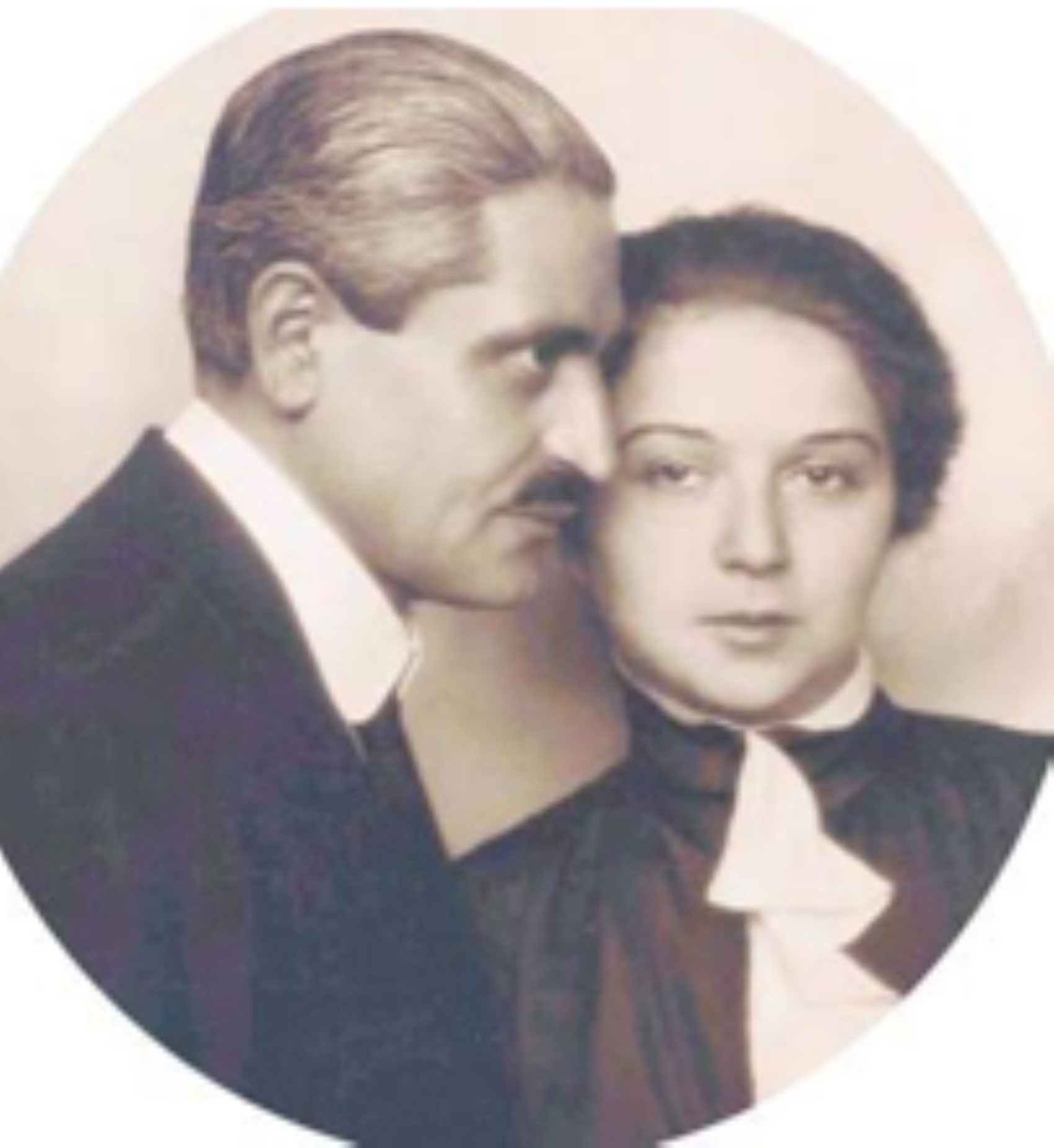
He did not want his comrades to be married. Because he thought that a married person could not do his duty fully. “A revolutionary person should not think of anyone left behind. He takes his steps with hesitation,” he would say. But still, he couldn't bear to see his friends suffer. He would try to marry off his friends who wanted to get married to girls from wealthy families so that they wouldn't be left in the lurch after politics ended. But he himself married Hayriye Hanım, a girl from a victimized and poor family who had migrated desperately from the Balkan Wars.
Talat Bey was a great organizer, a true revolutionary who could show with the revolution he made that someone from the people could also be Prime Minister.
After becoming Prime Minister, Talat Pasha practically found the burden of the First World War in his lap. There was not much he could do after that hour.
The Ottoman Empire had been defeated together with the Germans. When the France/Germany front in Europe collapsed in favor of France, the war ended. The Ottoman policy, which entered the World War with the Unionist management and decision, had gone bankrupt and been defeated together with the Committee of Union and Progress policy. On October 31, 1918, the Armistice of Mudros, which was a document of surrender, was signed.
And immediately after, being a Unionist was considered a crime. Yet, not even 10 years ago, everyone wanted to be a Unionist, and songs were sung in the name of the heroes. Even Abdülhamit, even if he was not a member, had told Talat Pasha himself that he was a Unionist (adopted it).
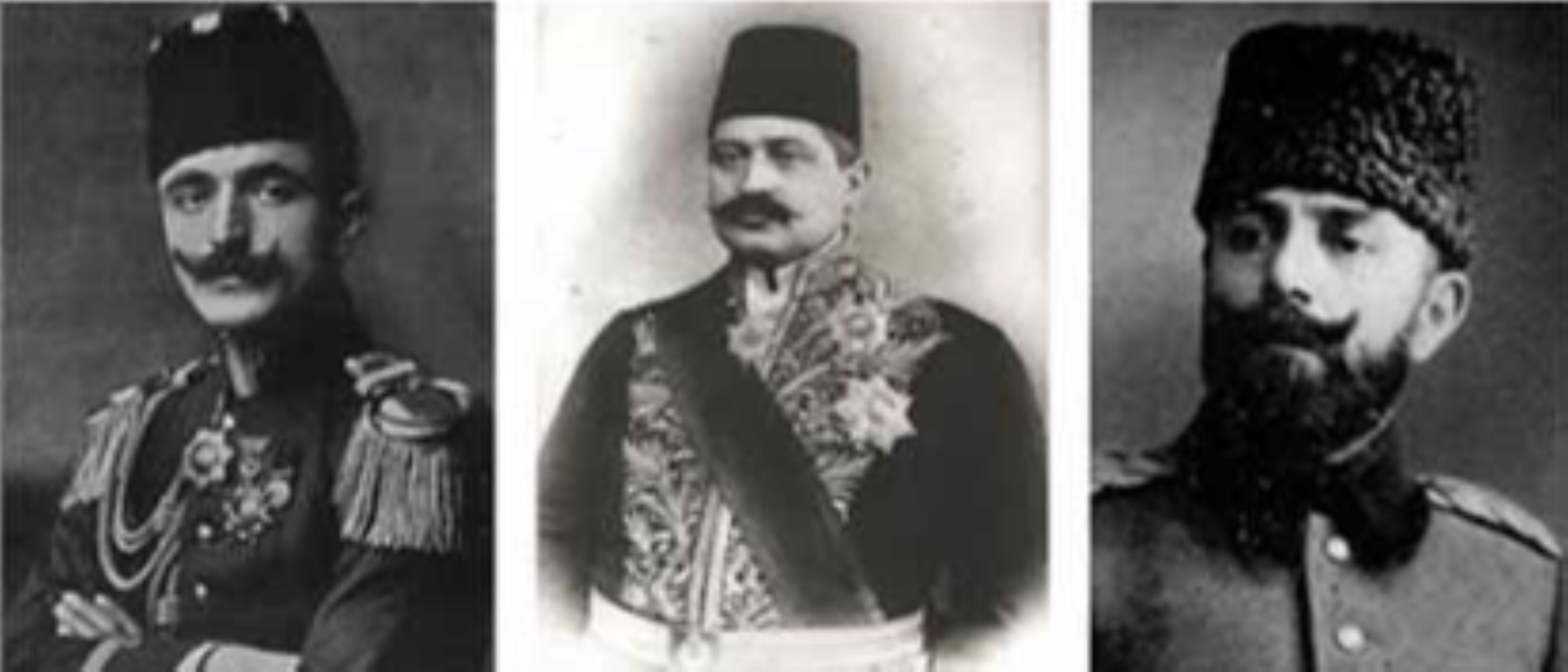
But now everything had turned upside down.
‘We made many mistakes. Our love for the country was so strong that we took some risks with national concerns. Then we lost the thread.” These words belonged to Talat Pasha himself.
There was nothing to say about their patriotism.
They set out to save the melting Ottoman Empire with a revolution, the ambition for the homeland was sharp enough to draw weapons at each other. They were also called fedayeen. They had succeeded in the revolution in 1908. They declared the Constitution again. By opening the Constitutional Parliament, they brought back partial democracy under the conditions of that period. After Mithat Pasha, they made a great contribution to Turkish Parliamentary history. They made a breakthrough in Turkish society. Printing developed. The press, newspapers became free. The Turkish Nation had broken its shell, slipped out of its cocoon. The Turkish woman breathed, even if a little. The Turkish people reached a National consciousness. While being Turkish was previously seen as despicable, it began to be a source of pride. The cultural and educational level of the people increased. A revolution was also made in the army. The old, cumbersome Alaylı officers who were responsible for the Balkan Wars were cleared out. New, young, and brave officers were appointed in their place. These young officers gained very great experience and successes in Tripoli, Gallipoli, Kut-al-Amara, and the Eastern front. They learned to fight and wage war. The Ottoman Army lost the First World War because of the Germans. Otherwise, it won in Gallipoli, Kut-al-Amara, and the Caucasus front.
British Author Alan Moorehead, who wrote the history of the wars; “The timid and hesitant Ottoman, who was trying to find opportunities in his favor in the parliaments of Europe that had fallen out with each other, has now left his place to a personality that is upright, almost proud, and self-confident,” he said.
The work done by Enver Pasha, Talat Pasha, and Cemal Pashas was a path leading to the Republic and a struggle extended to the War of Independence.
Maybe it had to be experienced in that period.
Yes, they made a revolution, but they could not succeed after the revolution. In domestic politics, they could not take the administration of the state into their hands as they wanted. They could not protect the Parliament consisting of different Nations. Internal rebellions, coups, and murders wore them out. They could not see that the Balkan states would unite and attack us. They could not read world politics and balance well. They were in a hurry to enter the world war and trusted the Germans. This brought their end.
Talat Pasha actually did not want to leave.
On November 1, 1918, at 11:00, he held the last congress of the Committee of Union and Progress. Approximately 120 people attended. Talat Pasha chaired the council. He gave the account of the 10-year organization since 1908. The congress passed in a mourning atmosphere. And they decided to dissolve the organization, to continue work through the Teceddüt Party to be established, and to consider it a continuation of the Committee of Union and Progress Party.
In the last days, the rumor spread that Enver, Cemal, and Talat Pashas would be hanged on the street lamps on the Galata bridge. In fact, America and England would establish a court for war criminals, and the Freedom and Accord Party would determine the judges. This meant being hanged. That's why they decided to go abroad. But Talat Pasha was persuaded with difficulty. He did not want to leave his nation, with whom he ate the same black bread in the same famine. His friends persuaded him by giving the example of the “migration” from Mecca to Medina for this escape. In the letter he sent to Prime Minister Ahmet İzzet Pasha, Talat Pasha said that “he would come back to give an account to the Nation when the country was saved from foreign occupation and that he would gladly accept his punishment.”
On a November night, they went abroad via Sevastopol with a German torpedo boat together with Enver and Cemal Pashas, and from there to Berlin.
Talat Pasha rented a house at number 4 on Hardenberg Strasse. He was living a modest life there with his wife Hayriye Hanım, but he was homesick for his country.
The apartment at number 37 right across from him had been rented by a young Armenian named Solomon Tehlirian. He was secretly following Talat Pasha and keeping him under surveillance.
Talat Pasha, unaware of all this, was chatting with friends who came to visit him, often expressing how much he missed his country.
A friend had come to visit him. They were chatting. Talat Pasha got lost in memories;
-"When I was in Thessaloniki,” he stopped for a moment and continued; ” we would frequently encounter Bulgarian committee members who were sentenced to exile. Before they left their homeland, while under gendarme supervision, they would gather on the pier with a ceremony, and with a signal given by one of them, they would all bend down at once and kiss the ground,” he said.
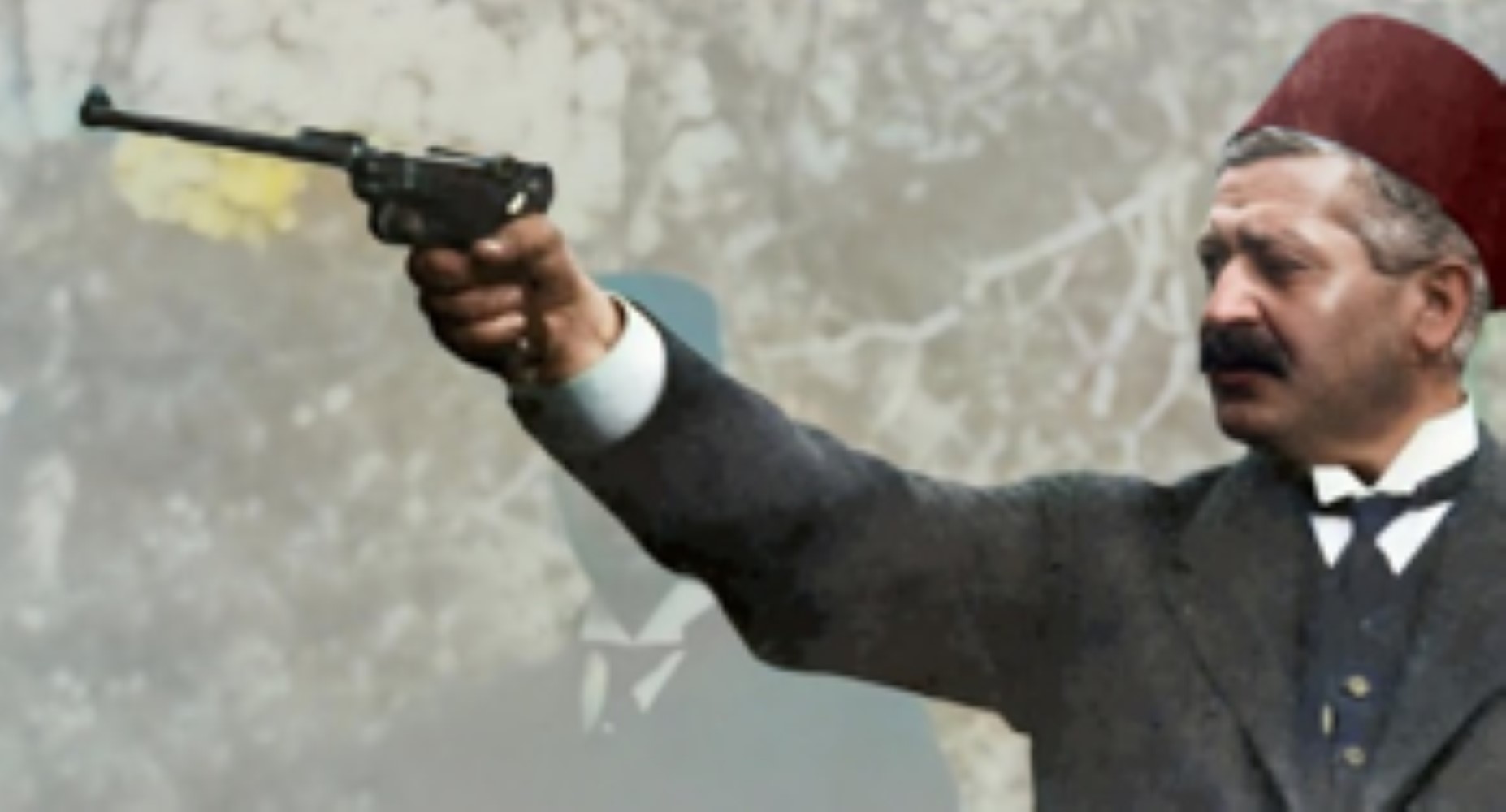
-“This was an expression of hope for a return to the homeland for them; the land we kissed is ours, we will come here again… they wanted to say,” he said.
He stopped, thought, and continued with a sigh;
-”If I return to the homeland one day, do you know what I will do?” when he asked, his friend;
-"I suppose you will kiss the ground like them..." he replied. Talat Pasha was saddened. And with tears in his eyes, he had given the following answer:
-" I wouldn't be satisfied with just kissing it... I will eat it, I will eat the homeland soil..”
Talat Pasha was very brave, he did not know what danger was.
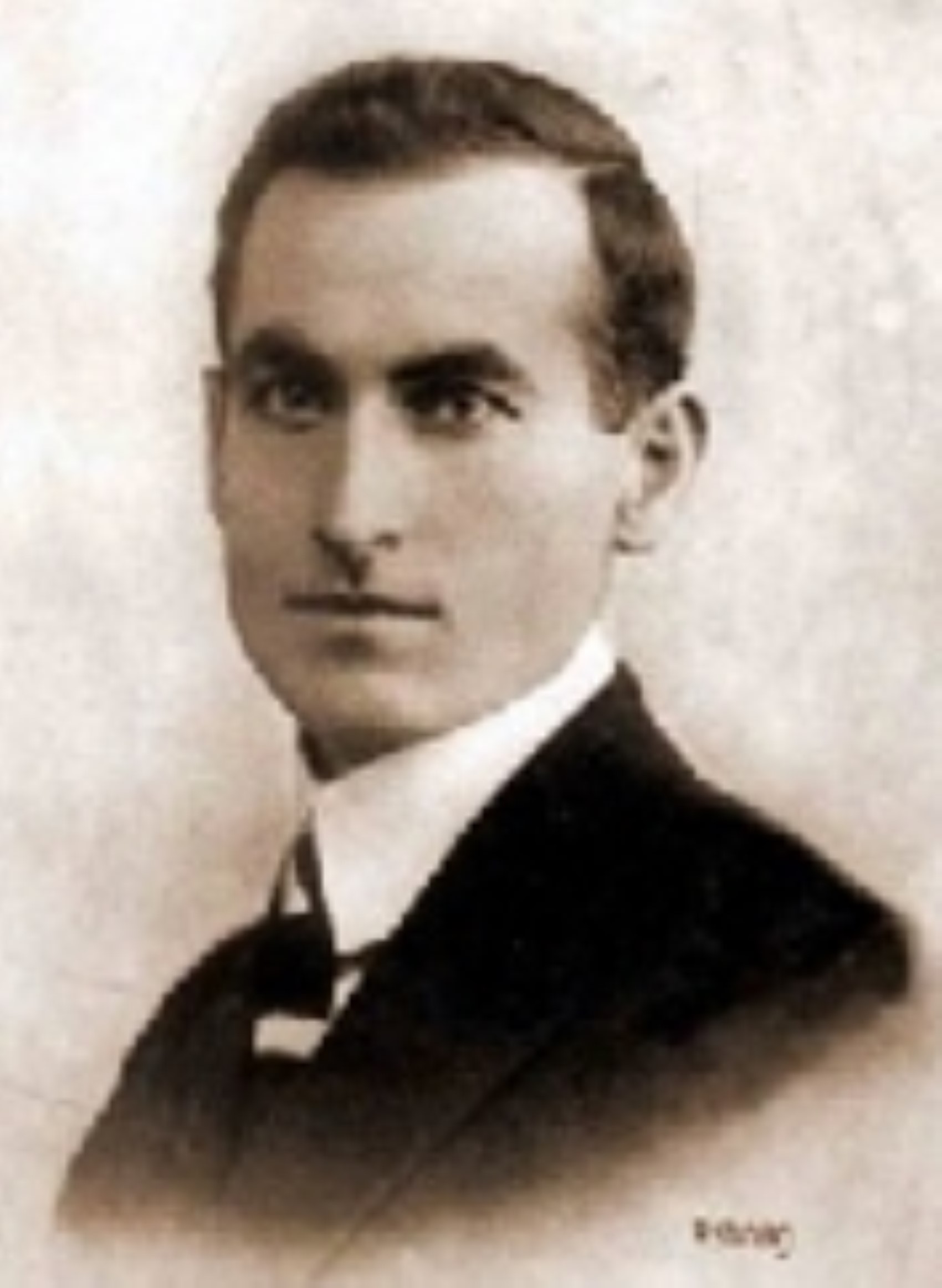
In the words of his wife Hayriye Hanım, who knows who was wandering around him for what purpose, even when they said ‘be careful,’ he would not pay attention, and when he took his bag on his arm, he would dash off alone.
Solomon Tehlirian, who rented the apartment across from his house, had appeared before Talat Pasha twice before in Berlin, and had looked the Pasha in the eye. But the Pasha was looking so reckless, calm, and even smiling that the man did not dare to take out the weapon he was clutching.
And in the end: “I won't be able to pull my weapon while looking at Talat Pasha, I can only shoot him from behind,” he had said.
It was as if it had dawned on Talat Pasha that he would be killed in Berlin. He was writing his memoirs and corresponding with Mustafa Kemal Pasha.
He would often say to his wife Hayriye Hanım:
-"They will shoot me on the street one day. I will be laid out on the ground with blood flowing from my forehead. It will not be my fate to die in bed. But it doesn't matter, let them shoot, the homeland will not lose anything with my death. One Talat goes, a thousand Talats come,” he would say.
Talat Pasha began to receive threats in Berlin. However, Talat Pasha again did not ask for protection from the German police. “No matter how much you protect, it's in vain… Whoever decides to shoot will shoot, as a matter of fact, I have had everyone I wanted to shoot in my life shot,” he had said.
He was that outspoken.
On March 15, 1921, he woke up early as usual. He worked until ten o'clock and turned to his wife;
"Come on Hayriye, let's take a walk with you. You'll get some fresh air..." he said. However, his wife, who was cooking in the kitchen; “I won't go out, I'm both tired and there is food on the fire,” she did not want to come.
Talat Pasha left his house and began to walk alone. He was absent-minded and thoughtful. He came in front of the house at number 17 on the same street. He took a few more steps when someone from behind;
"Talat! Talat!.." shouted.
Talat Pasha turned back to see the man calling him and... Armenian committee member Solomon Tehlirian pulled the trigger.
Talat Pasha collapsed to the ground with two bullets coming out of the barrel. He had lost his life at that moment.
The murderer Solomon Tehlirian, born in the city of Salmas in Iran, was a 24-year-old university student and a crazed Dashnak committee member. Solomon Tehlirian had been caught by the German police and referred to court, but the German court had acquitted the murderer Tehlirian.
Germany, which was the main responsible and commander of the deportation idea, had forgiven the murderer of Talat Pasha, who was massacred due to the deportation, in its own courts.
Unfortunately, betrayal was heavier than a bullet.
When the news of Talat Pasha's martyrdom reached Mustafa Kemal Atatürk, he said the following with great sadness:
-“The homeland has lost a great son, the Revolution has lost a great organizer.' I remember Talat Pasha with mercy.”
Would you like to get notifications about new developments and save news?
- NotificationsNew developments and breaking news
- SaveNews is stored in the app
Most Read

Video response to Kim Jong-un claims

Murat Ağırel’s police statement has been revealed
Azerbaijan issues arrest warrants in absentia for 7 people living in Turkey

The Orionid meteor shower will be visible from Turkey!
The penalty for Ronaldo, who left the national team camp, has been announced

Fatoş Seğmen reveals the cause of her daughter's death

Latest status in the race between AKP and YENİ Party revealed

Injury shock at Liverpool: He may miss the Fenerbahçe match

Who authorized the concert held in a parking garage?

From brotherhood to a distant partnership...