


The movement that sparked European enlightenment and progress: The Turkish March...



Does Europe owe its enlightenment to the Turks?
Actually, yes.
As you know, nothing in life happens on its own. Every event necessarily has a cause-and-effect relationship.
The European enlightenment, which we call the Renaissance and Reformation, is no different.
The migration of the Turks, swept westward ahead of the Mongols, the march of the Great Seljuk Empire toward Anatolia and the West, and the defeat of the Byzantine Empire at Manzikert are among the most significant factors that accelerated the Reformation and Renaissance movements in Europe.
This is what is called the Turkish March.
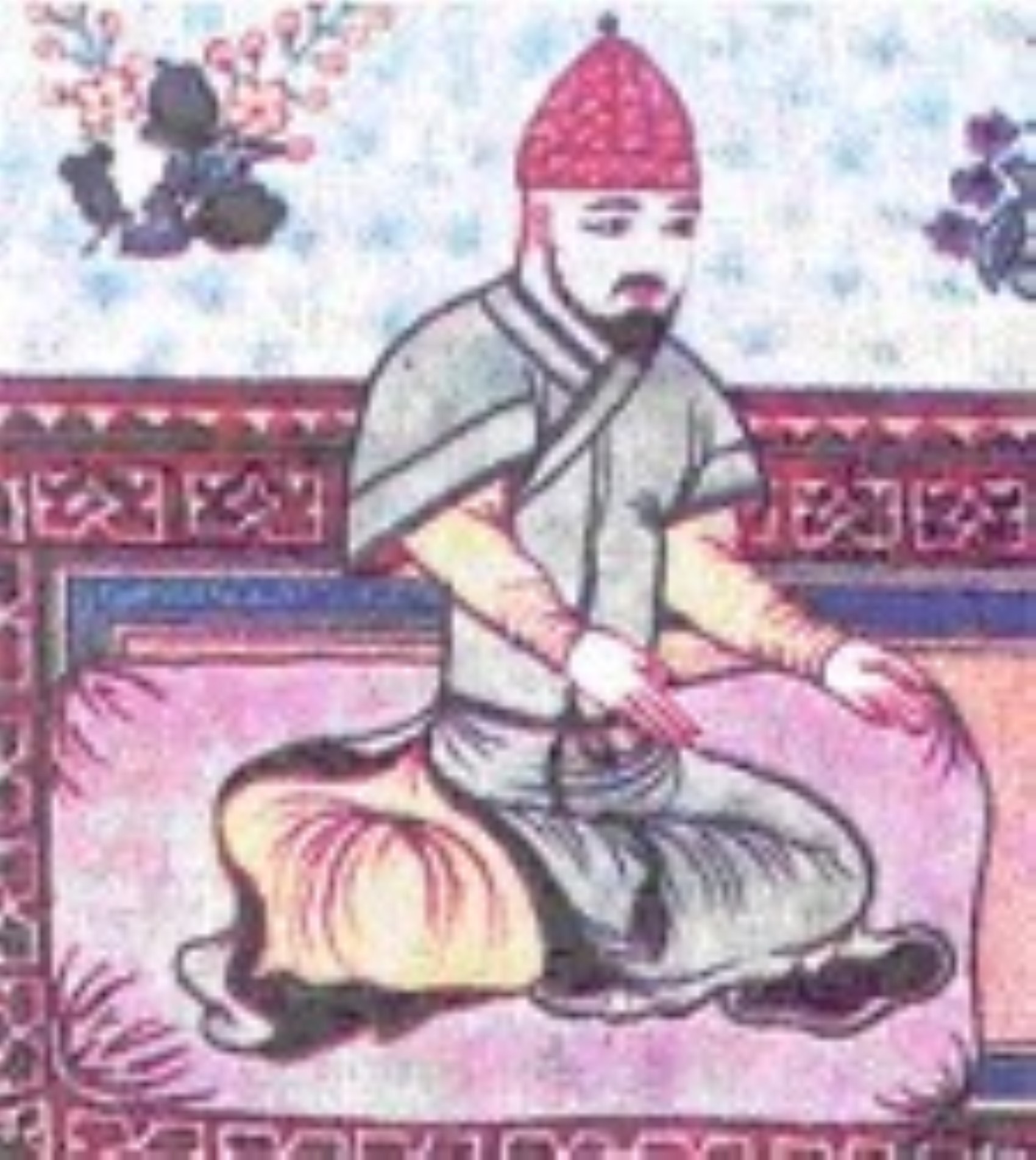
The Great Seljuk Empire was founded by Tughril Beg in 1037. By establishing his state on solid foundations, Tughril Beg expanded its borders from the Oxus to the Euphrates, reaching Christian lands.
After Tughril Beg, Alp Arslan, the son of Chaghri Beg, took the helm of the Seljuk State. As soon as he took power, he, like his uncle, turned westward and began conquests. In 1064, he captured the famous Ani Fortress, the most important sacred site for Gregorian Christians at the northeastern tip of Eastern Anatolia.
Turkic beys who settled in Transoxiana turned toward the Aleppo and Damascus regions of Syria. As a result, Byzantine Emperor Diogenes, who saw the Turks marching toward both Anatolia and Syria as a threat, met Alp Arslan at Manzikert in 1071 but was defeated.
This defeat shattered significant taboos in the Christian world. They saw that the invincible armies of the Holy Roman Empire had been defeated at Manzikert.
After Alp Arslan, as all the gates of Anatolia opened to the Turks, Suleiman Shah marched as far as Nicaea (İznik) and, after capturing it from the Byzantines in 1075, made it the capital of the Seljuk state in 1080.
Nicaea was the place where the Orthodox and Catholic Churches accepted Jesus as divine and "begotten of the Father," and where Jesus was deified. The four Gospels were determined here in 325 A.D. In this respect, it was a sacred center of Christianity.
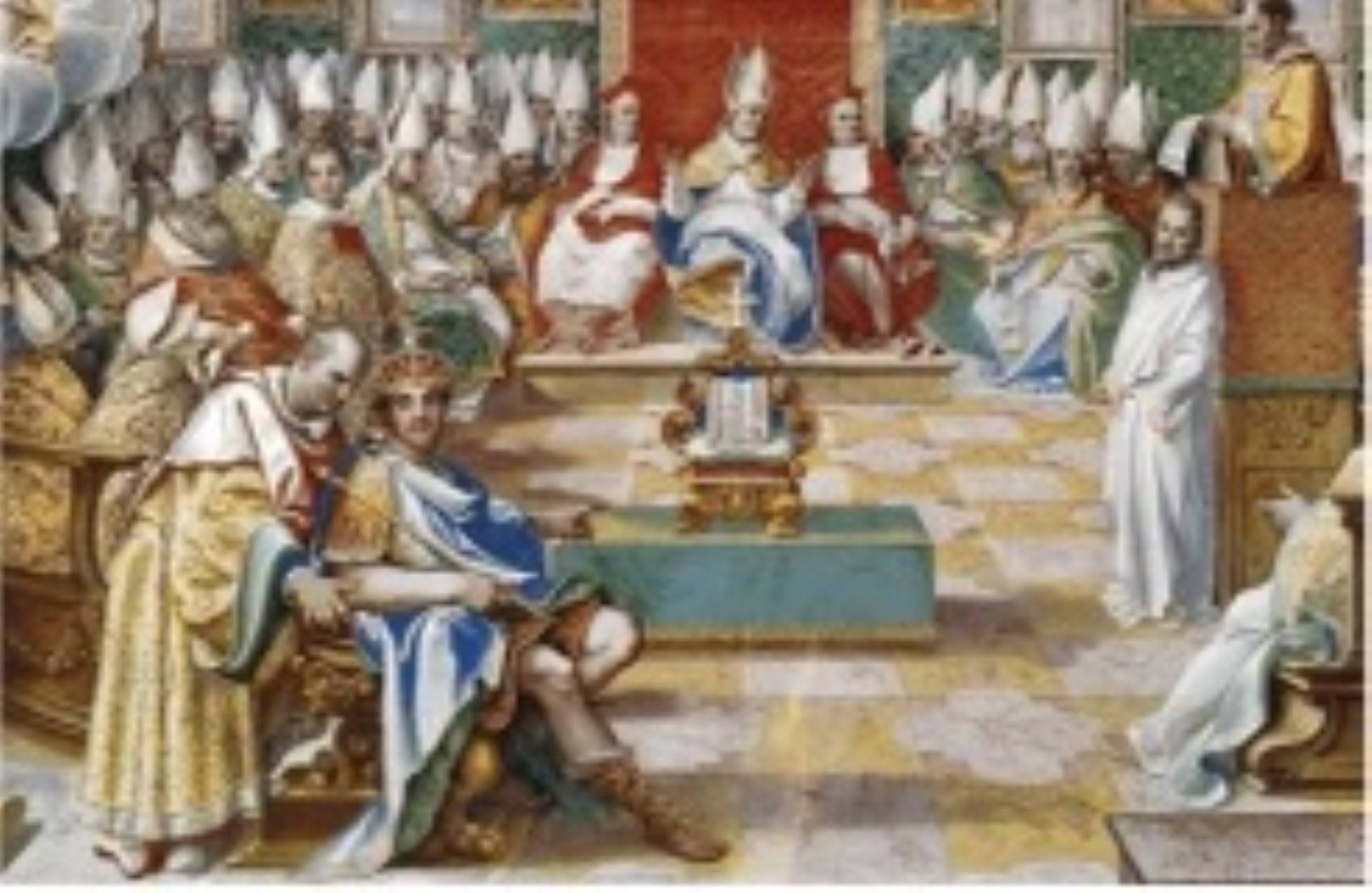
With the capture of Nicaea, the Turks had reached the Aegean coasts and the gates of Constantinople.
In fact, Diogenes' armies were not only protecting Anatolia but also Jerusalem and its surroundings, which were sacred pilgrimage sites for Christians and were in the hands of the Fatimids. However, after the defeat at Manzikert, Syria and Jerusalem were, in a sense, left defenseless. The Fatimids were easy prey for the Seljuks. The first target of the Turkmen beys who arrived in Syria in 1071 was Acre on the Mediterranean coast and Jerusalem. Since the Fatimid governor of Jerusalem was of Turkic origin, he did not resist, and the Turks took Jerusalem in 1073 without bloodshed. Seljuk rule began in Jerusalem. The khutbah was read in the name of Sultan Malik-Shah.
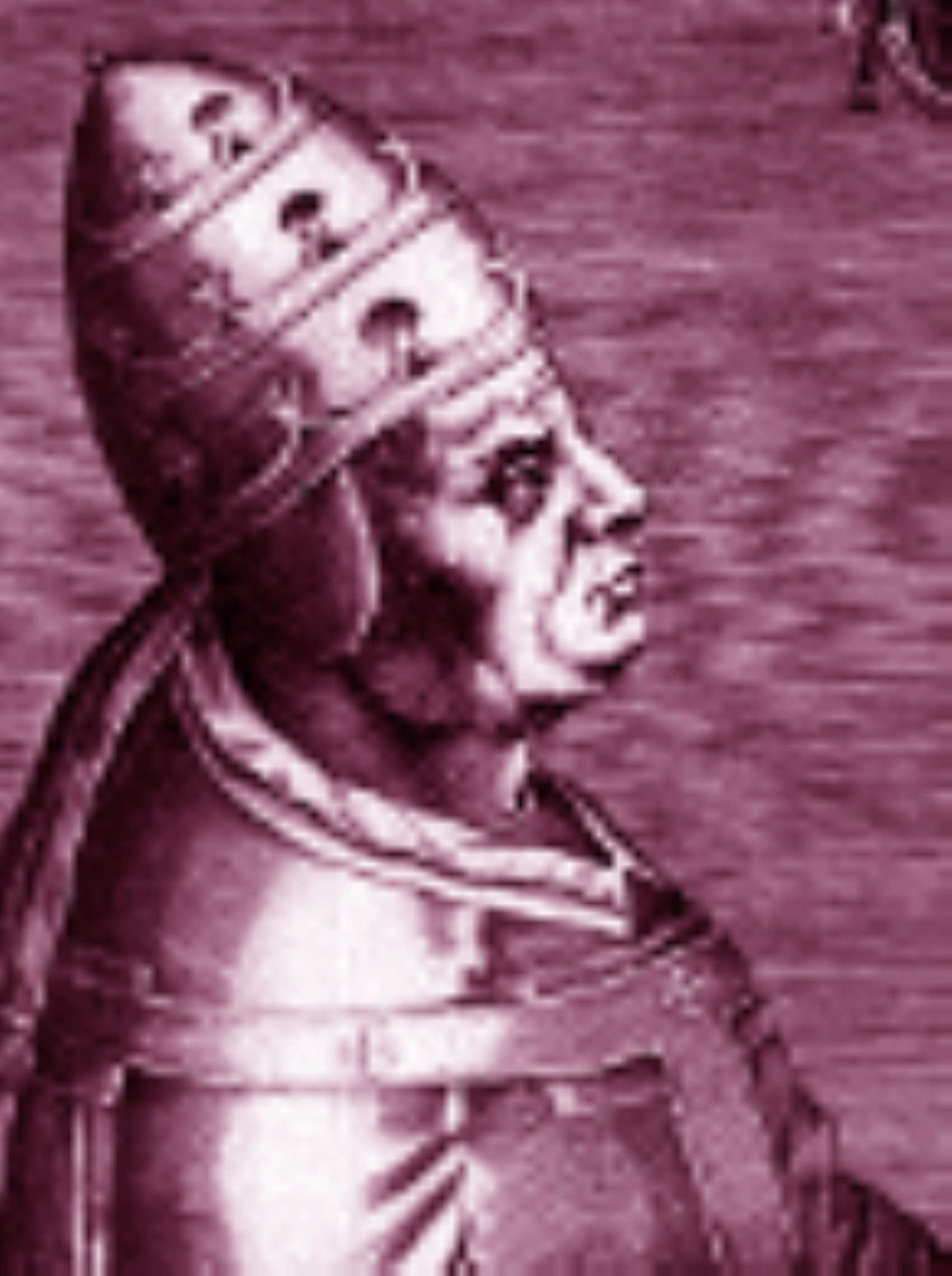
After Ani and Nicaea, Jerusalem, the pilgrimage center of Christians, had also slipped from their hands.
These victorious marches of the Turks deeply wounded the Christian world, and shortly thereafter, in 1095, Pope Urban II convened the Council of Clermont in the French city of Clermont to reclaim the lost sacred centers. He declared a Crusade.
He also provided military support to Byzantine Emperor Alexios I Komnenos and called for an armed pilgrimage to Jerusalem.
The people of Europe accepted this call with great enthusiasm. There were participants from every region of Europe. When these calls were made under the guise of religious sanctity, a unity formed in Europe, and Europe's feudal states and people gathered around this unity. The Pope also gave this unity a meaning, stating that they would benefit from indulgences. Indulgence meant that sins would be mitigated by God. In other words, the sins of those who participated in the Crusade would be mitigated by God.
Or forgiven.
Ultimately, this unity—that is, the Christians—won the First Crusade, which began in 1096, and Nicaea and Jerusalem were retaken. Nicaea and Jerusalem were retaken, but until the Crusader armies reached Jerusalem from Europe, they plundered and looted their own cities and castles. In Hungary, they massacred 4,000 defenseless fellow believers. They also plundered and burned Belgrade. They incited a rebellion in Bulgaria. Constantinople was looted. They looted Nicaea. They massacred the Greek population, sparing neither women nor children.
What they called the Crusader Army was an army of vagabonds, and all of this stemmed from logistical problems and physical and cultural starvation.
These soldiers, in swarms, took Antioch in 1097 and reached Jerusalem. When they captured Jerusalem, the Crusader army put more than 70,000 Muslims and Jews to the sword within two days.
This time, Saladin appeared on the stage of history in 1187 and, with his victory at the Battle of Hattin, took Jerusalem back from the Christians. He ended the 88-year Catholic rule in Jerusalem.
This was a victory for Muslims, and a disappointment and a great loss of prestige for Christians.
When Saladin took Jerusalem, the Crusades were revived between 1189 and 1192, but the Christians could not retake Jerusalem. The Church was forced to sign a treaty with the Muslims. Thus, the spiritual power of the Church in Europe was shaken.
The Crusades were a holy war initiated by the Latin Christian Church that lasted for approximately 200 years. But the Church had lost this war. Not only the war, but in some places, it had also lost its sanctity.
Furthermore, the fact that hundreds of thousands of soldiers were gathered from Europe with religious calls such as "sins will be forgiven," and that it was revealed that a significant portion of these gathered soldiers were sold as slaves in Egypt and Alexandria, pitted the public against the Church. It sparked hatred against the Church and the clergy. The power of God and the sanctity of the Church began to be questioned.
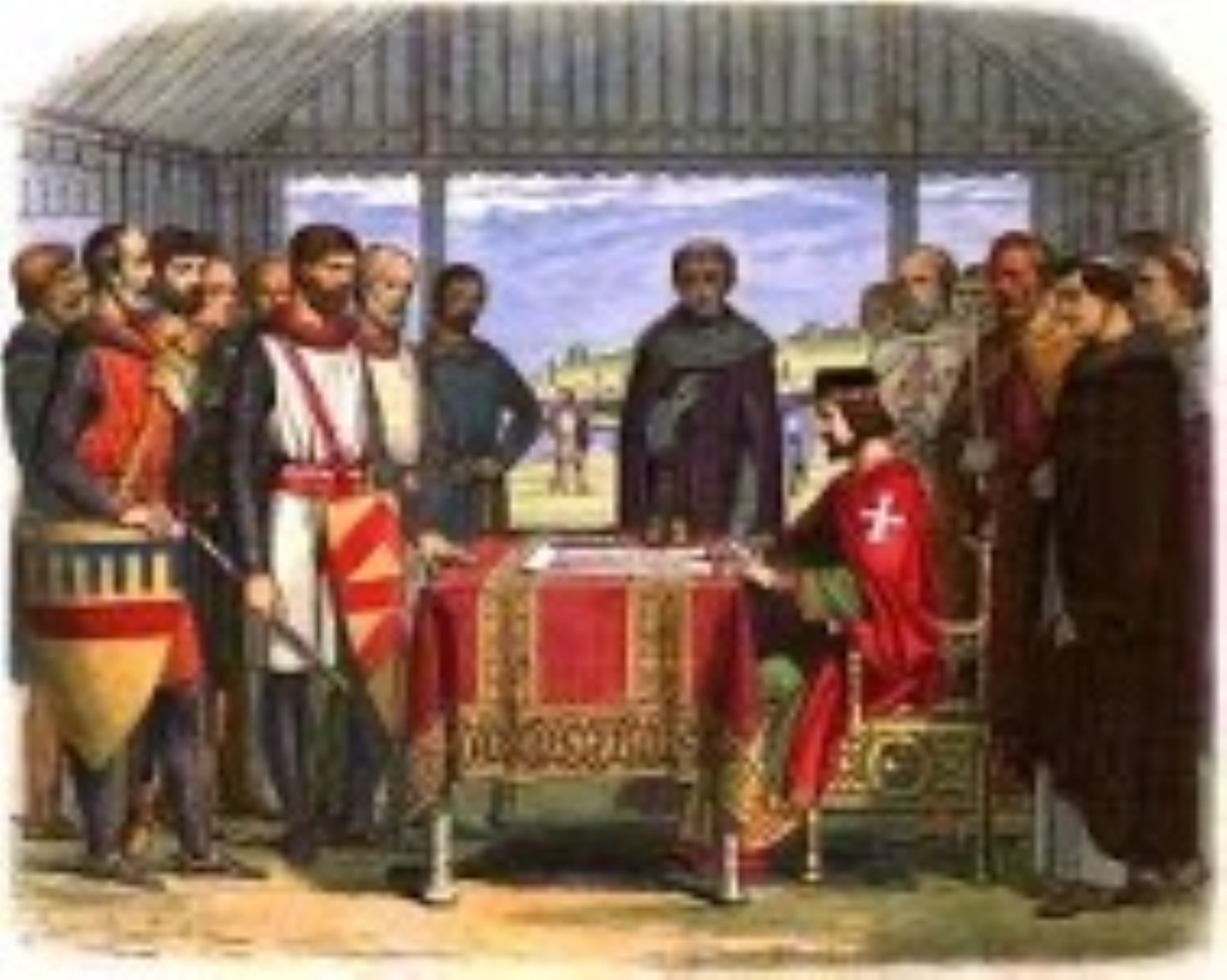
The power of the kings who gathered soldiers for the Crusader armies was also shaken. Their charisma was tarnished. Supposedly, kings derived their power from the Church by being crowned by the Pope. However, it was revealed that the Church, which was defeated by the Turks, had no divine power. In England, the barons united and rose up against the king. They showed the courage to impose and force the king to accept the Magna Carta, the foundation of British democracy.
The reasons for the Magna Carta were different, but the revelation that kings had no power following the Crusader defeats was an important factor in the barons demonstrating their own power.
The Church had gathered Crusader armies from Europe 8 times, sanctified them, and tried to stop the Turks, but it had not been successful. As a result, the authority of the Church was significantly shaken. And as a result of this shaking, European intellectuals raised their voices with more courage.
This courage turned into reactions.
European rulers also established the Inquisition in 1233 to stop the reactions against the Church.
However, the Church was too late. The looting of Constantinople by Crusader soldiers during the Crusades had caused the ancient Greek scientists and thinkers, who were supporters of the Renaissance and Reformation, to become discouraged and migrate to Europe. The barons, tired of the Church's domination and superiority, supported these intellectuals by citing worldly ideas as justification.
These scientists laid the first intellectual foundations of the Renaissance and Reformation in Europe. They put forward scientific thought instead of Church belief. The first awakening was in the fields of religion and art. Some brave scientists declared war on the institution between God and man, namely the Church.
They opposed it.
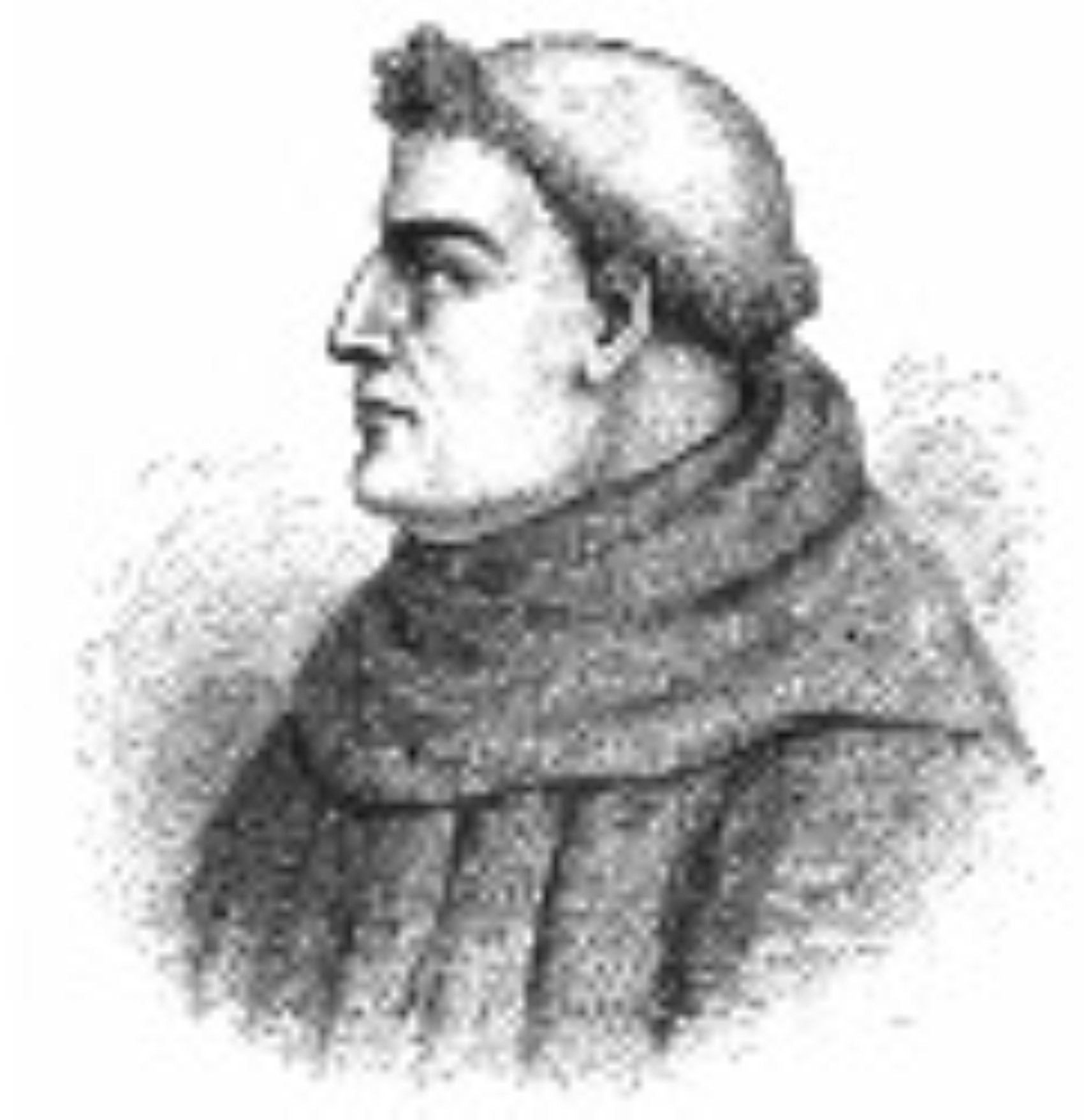
In 1266, Roger Bacon opposed traditional Christian education and announced and declared "Scientific Experimental Methods" in place of Church teachings. He rendered religious teachings insignificant.
Thaddaeus Alderottus (1206-1295), an Italian doctor and professor of medicine at the University of Bologna, made significant contributions to the Medical Renaissance. He organized medical courses at universities.
Dante wrote the Divine Comedy between 1308 and 1321. Divine Comedy meant "God's comedy." With this comedy, Dante mocked the Christian teaching of the "Afterlife."
More accurately, Dante officially belittled the Church's god. Furthermore, in his Divine Comedy, Dante referred to Thaddaeus Alderottus and compared him to Saint Dominic in his book. He equated them. Dante was declaring a scientist a "saint." In other words, Europe was now slowly making thinkers and scientists saints, elevating them, and bringing them to the forefront.
In 1235, the scientist Arnaldus de Villa Nova was born in Valencia, and despite the pressure of the Church, he conducted important studies in the fields of astronomy, physics, chemistry, and medicine.
The march of the Turks was not limited to Jerusalem and its surroundings. The Turks' seizure of the Silk Road in Anatolia led to the severing of Europe's ties with India and China by sea and land, and the blockage of trade routes. In 1348, the first economic crisis occurred in Europe, and Europe came under economic and commercial pressure.
The Ottoman Empire's arrival on European soil in 1356, the Turks' seizure of superiority in the Balkans with the Battle of Kosovo in 1389, the Turks' capture of Constantinople in 1453, and the fall of the Hagia Sophia Church instilled all kinds of fear, anxiety, and worry in Europe.
With the defeat of the holy Crusader armies and the loss of Jerusalem, Ani, and Hagia Sophia—the Temples of God—the toy in the hands of the clergy in Europe was taken away, their legendary narratives lost their fairy-tale credibility, and the Inquisition courts they established turned into a source of pressure and reaction among the public. As a result, while the clergy became insignificant in European society, scientists began to come to the fore.
On the other hand, when the Turks cut off the Silk Road between Europe and China and India, and captured North Africa, Egypt, and the Arabian Peninsula, this situation pushed Europeans to seek new searches in science and technology and to take new measures in the economy. Europe now needed not the clergy, whose credibility was lost with the Crusader defeats, but brave and adventurous explorers and courageous scientists. With the invention of the compass and the emergence of important inventions in the shipping sector, Europe turned to the West.
But there was an unknown Ocean sea to the west of Europe, and Europeans were trapped between the Ocean and the Turks. Since they could not stop the Turks, they would cross the Ocean.
And that is what they did.
It is unknown whether the fear from the east of "Mommy, the Turks are coming!" had an effect on this, but Europe being trapped in its own lands certainly had a significant effect. For this reason, Europe, which rendered the church insignificant, gave importance to scientists and discoveries.
It set sail for the Ocean with adventurous and brave explorers.
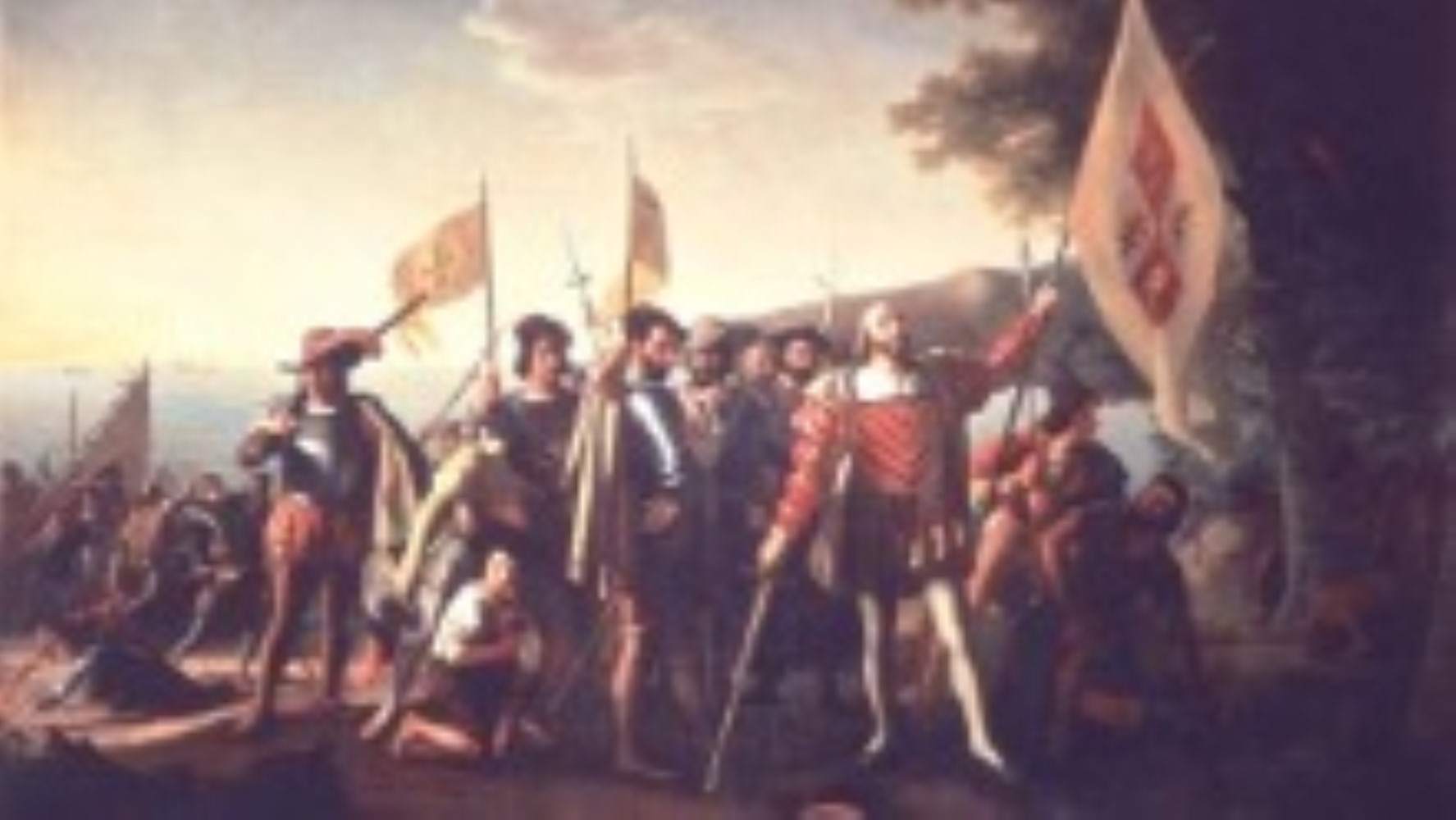
When the dates showed 1498, Christopher Columbus had discovered America, and a year later, Amerigo Vespucci had set foot on the American shores.
Now, Europe had not only opened up to great seas and great continents, but also to great reforms in science.
In this process, the Turkish March was the main factor and changed the religious and scientific history of Europe. It practically awakened Europe.
Otherwise, it was highly probable that European society would have remained asleep for centuries under the cradle of the church and the lullabies of the popes.
In this respect, can we say that the movement that started European enlightenment and progress is the Turkish March?
We can easily say so..
Would you like to get notifications about new developments and save news?
- NotificationsNew developments and breaking news
- SaveNews is stored in the app
Most Read

Video response to Kim Jong-un claims

Murat Ağırel’s police statement has been revealed
Azerbaijan issues arrest warrants in absentia for 7 people living in Turkey

The Orionid meteor shower will be visible from Turkey!
The penalty for Ronaldo, who left the national team camp, has been announced

Fatoş Seğmen reveals the cause of her daughter's death

Latest status in the race between AKP and YENİ Party revealed

Injury shock at Liverpool: He may miss the Fenerbahçe match

Who authorized the concert held in a parking garage?

From brotherhood to a distant partnership...