



650 thousand people were detained. 52 thousand people were arrested. 230 thousand people were tried. 517 people were sentenced to death, and 50 were executed. 16 political parties were closed. 1 million 683 thousand people were blacklisted. 14 thousand people were stripped of their citizenship, and 30 thousand people were dismissed from their jobs.
On the morning of September 12, 1980, the direction of Turkey was forcibly changed, and by the Turkish Armed Forces at that.
The Grand National Assembly of Turkey was closed, the constitutional order was suspended, and political life was silenced. Trade unions and associations were shut down. Journalists, academics, teachers, and students were packed into prisons. Torture, executions, and political bans were etched into the memory of a generation.
With the 1982 Constitution, a regime of oppression was institutionalized. The Council of Higher Education (YÖK) was established, and the autonomy of universities was curtailed. The organized society was fragmented; thinking, questioning, and engaging in politics were made dangerous.
One of the most severe consequences of September 12 was the liquidation of the generations of intellectuals raised by the Republic.
The Kemalist Revolution, which began with the Republic founded on October 29, 1923, aimed to make reason, science, secularism, meritocracy, and modernization the fundamental axis of the state and society. September 12, 1980, dealt one of the heaviest blows to the carriers of this enlightenment accumulation.
The massacres that took place in Sivas and Çorum before the coup deepened the fault lines of society through sectarian conflicts. Turkey was dragged into an environment of ever-growing violence, polarization, and fear.
Western imperialism, which could never digest the independent character of the Kemalist Revolution, used Turkey's ethnic and religious fault lines in line with its own interests, starting from the Cold War; the strengthening of separatist terrorism and radical religious structures played an important role in eroding the enlightenment and national state structure of the Republic. The fact that the Turkish-Islamic synthesis gained weight in state policies after September 12 became one of the important thresholds of this transformation.
This erosion continued not only in state institutions but also in politics itself. The political base and cadres of the Nationalist Movement Party (MHP) were fragmented over time, scattering into different parties; today, a similar fragmentation is being experienced within the Republican People's Party (CHP). The fragmentation of the Republic's deep-rooted political veins also gradually weakened institutional politics.
In the following years, Turkey began to lose not only its trained people but also the quality of its institutions. Calculations to save the day replaced depth in politics and state seriousness.
The Republican and Ataturkist enlightenment line continued to suffer heavy losses. Bahriye Üçok in 1990, Uğur Mumcu and Eşref Bitlis in 1993, Ahmet Taner Kışlalı in 1999, and Necip Hablemitoğlu in 2002 were killed in assassinations. Turkey lost important names representing the Republic's enlightenment accumulation one by one in cowardly assassinations that were never solved.
Then came the Ergenekon and Balyoz (Sledgehammer) cases. Numerous officers of the Turkish Armed Forces faced years of detention and trials. 236 defendants who were retried in the main Balyoz case were acquitted on March 31, 2015. The Ergenekon convictions were overturned by the Court of Cassation on April 21, 2016; in the retrial, the defendants were acquitted of the charge of being an "Ergenekon armed terrorist organization" in 2019.
The Turkish nation wept for the Turkish officers who committed suicide out of pride, and for those who were tried for years on baseless allegations and died after falling severely ill...
One of the striking aspects of this historical line is that a portion of the generation of soldiers targeted in the Ergenekon and Balyoz processes were Republican and Ataturkist soldiers who had lived through the September 12 period as very young officers. Some members of the same generation faced long trials, detentions, and heavy accusations again about thirty years later.
One of the bitter ironies of history occurred on the night of July 15, 2016.
Some of the experienced Turkish officers who had been held in prisons for years during the Ergenekon and Balyoz processes, torn from their families and professions, and whose cases eventually collapsed, put aside what had been done to them and stood by the state and the Republic. They prioritized the survival of the state rather than settling scores with the political power that persecuted them; they took part in the struggle against the coup attempt with their knowledge and experience. The fact that Republican soldiers, who had been tried to be liquidated for years, defended the Republic of Turkey rather than their personal grievances when the state was in danger, is one of the historical facts of the period that should be reflected upon further.
As the Republic entered its second century in 2023, a heavy political and intellectual destruction remained. Politicians without depth and honesty in politics multiplied; some intellectuals lost their courage, and some journalists served the side that bought them.
As decent, well-equipped, and strong-charactered people moved away from politics, the void that emerged was filled by unqualified, morally bankrupt, unreliable, and spineless people, whether men or women. The historical identity and ideological backbone of the Republican People's Party were eroded; a new political movement was created by splitting from the CHP, far from the political line of the Six Arrows, a liberal, poor imitation of ANAP, whose intellectual ground and direction of drift are uncertain.
Today, the fact that both the Republican People's Party and this new political movement that emerged from it say yes to the "framework law" process, which concerns Turkey's future and the fundamental qualities of the Republic, shows the point reached by the political, institutional, and intellectual erosion that began after September 12 in the second century of the Republic.
The heaviest legacy of September 12 is that the void opened by the liquidation of the Republic's enlightenment cadres has still not been filled forty-six years later.
September 12 is a day of shame in Turkish political history.
Most Read

Mansur Yavaş poll that will dominate the agenda after Erdoğan meeting

The engine choked by growth: 'The last exit before the bridge' for industry

2 police chiefs detained in Antalya

Surprise decision from Musaba, who left Fenerbahçe

Waiting in high interest rates: What is the CBRT expecting?

The big picture behind September 12

A micro-struggle against food imperialism: A conference and a Turkish hero
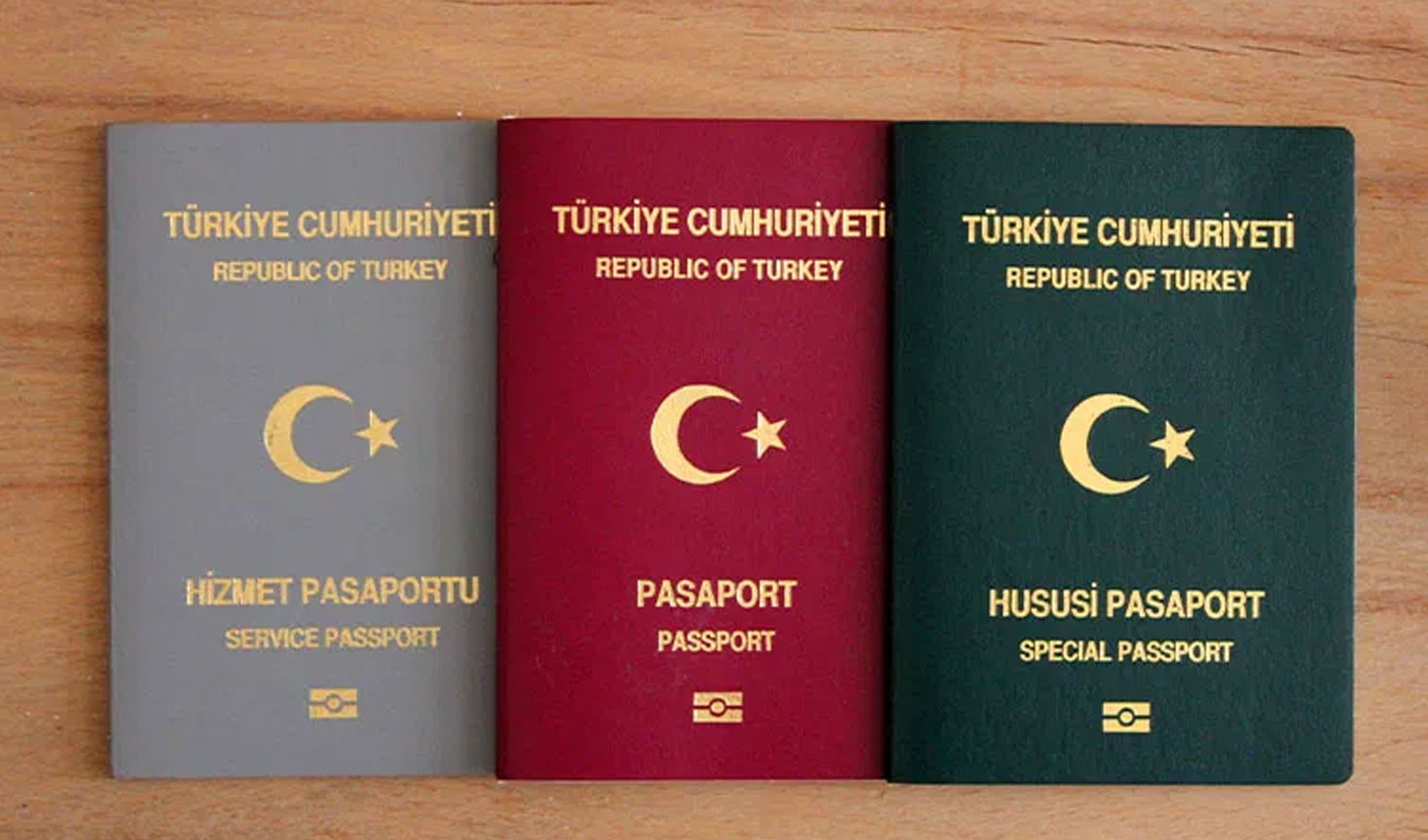
Preparations for a new era in Turkish passports
The backstory behind İsmail Kartal’s resignation attempt revealed

September 12: A day of shame in Turkish political history