


Political Orientalism



To have any opinion on our country, one must understand very well what has transpired between the West and the East. As a result of the West's struggle for enlightenment and the social evolution the society underwent, it needed societies outside of itself to sustain its existence and resolved its stagnation in non-Western societies. Orientalism is at the forefront of these.
In fact, Orientalism has been the primary goal of the West's colonization of the East. Orientalism has sustained colonialism by using the concepts of hegemony, discourse, and power as tools. The logic of Orientalism reflects a character complex organized within the framework of the opposition between the Westerner and the lazy Easterner.
The existence of Orientalism dates back as far as the existence of the East and the West. It is built upon the struggle for sovereignty and dominance between the East and the West.
In our country, a situation similar to the struggle between the East and the West is being experienced in politics. If one of the political parties fails, it blames the opposition for this failure while simultaneously exploiting the West's political values.
The increasing alienation of an opposition party from its own culture, its own party, and its ideology; and not stopping at alienation but also disparaging its own party and ideology, is a perfect example of Orientalism. An understanding of opposition that does not speak of its own values, does not express its emotions, personality, and identity, and cannot defend the representation of its history, watches the cadres and thoughts of the parties it inwardly opposes with admiration.
In terms of political Orientalism, it is observed that while political parties defend democracy, they do not apply an understanding of democracy to their own party members against the outside; and while they claim to be against authority, they go so far as to call authoritarianism in their internal relations "cultural."
When they are cornered, they can say, "religion determines politics, therefore we cannot modernize." Even when they say, "we are neutral," we see that they only think of their own interests in their output, and when they say, "we are open to critical thinking," they cut off the relationships of those who criticize with the party without question. This situation is pure Orientalism.
When we look at the practices of Turkish politics, we see that they are prone to authoritarianism to the core, that modernization is viewed superficially, that a strong leader is imposed, and that authoritarianism is defended instead of democracy. It is evident that it has evolved into a structure that resorts to tribalism and sectarianism as a result of unproductiveness, going even further.
While Turkish political culture appears as an unchangeable fate, its subconscious makes resorting to authoritarianism, remaining a spectator to human rights violations, and making institutional disrespect a conscious choice into a way of life.
One of the subconscious discourses that Turkish politics relies on the most is the understanding that "this society does not know democracy anyway, a state of law cannot emerge from this culture." While this is a new Orientalism, the other side of it is opportunism: constantly taking positions for short-term political gain instead of principled consistency.
In other words, the issue is not "is it right or wrong?"; it is whether the motivation is principled or interest-oriented.
For this reason, principled opposition cannot be carried out. Principled opposition is when a person or group criticizes the government or the majority based on consistent values and principles, rather than based on interests, circumstances, or personal calculations.
What is the opposition doing? It rejects today what it defended yesterday. It looks at the person, not the principle. It does not look at what is being done, but who is doing it. Instead of value-based politics, it tries to save the day. Politics sometimes requires compromise, but this is not done either. It does not produce alternatives; it says "no" but does not say "it should be like this."
It does not take risks. It does not act consistently on any issue. It does not generate trust, it does not strengthen democracy, and the opposition does not form an identity. It does not earn long-term respect.
Unprincipled behavior that is not provided with moral honor has been legitimized; for this reason, the erosion continues. There is no transparency, no fight against corruption. Every act of corruption is met with silence, and it is called social stability.
However, corruption investigations are brushed off by calling them "political operations"; they are said to be political, not legal. This understanding may provide returns in the short term, but in the long term, when you one day abandon the corruption you protected or the individuals who committed the corruption, they will undoubtedly betray you as well.
Sooner or later, the law will prevail. If you sacrifice all the principles and discourses of a party for the corruption of an individual, you will have nothing left to say to the public and the law. Furthermore, saying "we made a mistake" will not save a party.
The opposition is experiencing this very Orientalism today. A structure that cannot produce a common mind will sooner or later rot and collapse.
Would you like to get notifications about new developments and save news?
- NotificationsNew developments and breaking news
- SaveNews is stored in the app
Most Read

Video response to Kim Jong-un claims

Murat Ağırel’s police statement has been revealed
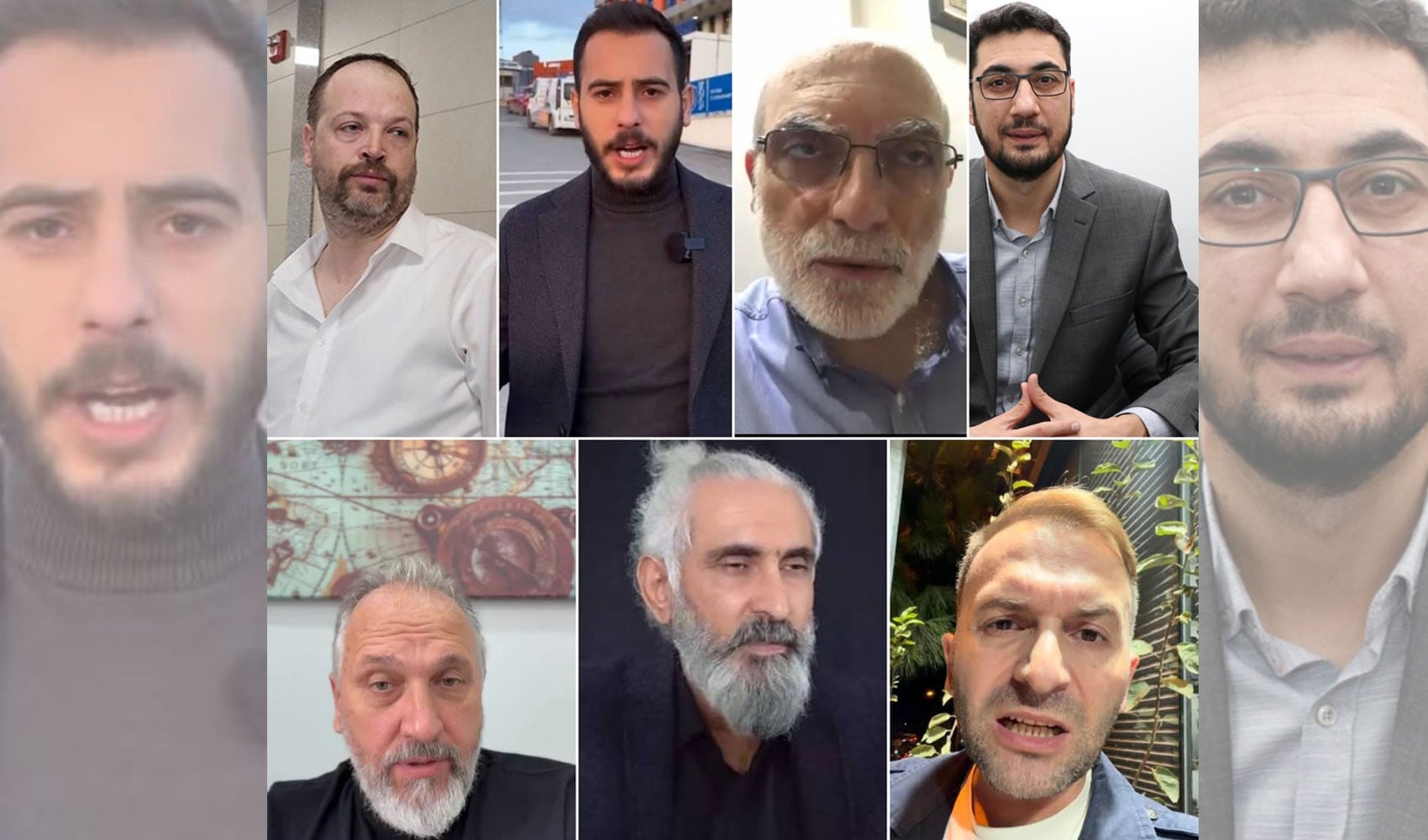
Azerbaijan issues arrest warrants in absentia for 7 people living in Turkey

The Orionid meteor shower will be visible from Turkey!

The penalty for Ronaldo, who left the national team camp, has been announced

Fatoş Seğmen reveals the cause of her daughter's death

Latest status in the race between AKP and YENİ Party revealed

Injury shock at Liverpool: He may miss the Fenerbahçe match

Who authorized the concert held in a parking garage?

From brotherhood to a distant partnership...