


The third way



Between 1930 and 1938, Atatürk chose to pursue policies that were a continuation of the previous period in Turkey, but with a more protectionist and interventionist approach. Following the experiences of that time, the country overcame the effects of the crisis by adopting statist policies. However, during the same period, fascist regimes were emerging in the world, such as in Germany and Italy, as well as communist regimes, such as in Soviet Socialist Russia.
Atatürk chose an effective and pioneering statism as a new third way between socialism and capitalism, which was based on private production while also incorporating intervention and protectionism.
Indeed, at the Republican People's Party Congress held on May 10, 1931, the principles of revolutionism and statism were added to the principles of republicanism, nationalism, populism, and secularism, completing the party's "Six Arrows." The principle of statism, which appeared in the Republican People's Party program for the first time, stated the basis of "the state being involved in all matters arising from the requirements of the general and high interests of the nation, in order to achieve national welfare and country prosperity in as short a time as possible, while keeping individual labor and activity as the basis."
Furthermore, it was emphasized that "it is one of our important principles for the state to be practically involved in the economic field." The fact that the article regarding statism was accepted at the congress without debate explains that statism was perceived during that period as a form of state intervention that encouraged and protected the private sector. Indeed, in the 1930–1931 period, as previously emphasized, a protectionist and regulatory policy was followed in foreign trade and the exchange regime; in this context, no regulations were made against the interests of private capital, but rather it was protected.
The new economic policy, which was based on statism and founded on state-led planned industrialization, was put into practice a few years after the announcement of these principles. In addition to these developments, with the Five-Year Industrial Plan implemented in 1934, Turkey became the first among developing countries to transition to planned development.
The statist policies pursued during Celal Bayar's tenure as Minister of Economy were consolidated at the 4th Republican People's Party Congress held on May 9, 1935. While the congress approved statism in the party program, the clause regarding statism in Article 5 of the "principles" section of the party bylaws stated that private entrepreneurship was fundamental, and it was explained that the principle of the state taking on a role, especially in the economic field, in line with the common interests of the nation, was maintained in order to increase the welfare level of the nation and ensure the development of the country. The same article also stated that the state's role in certain processes of economic life was to guide private enterprises and to regulate and control certain activities.
Republican People's Party Secretary General Recep Peker also stated in his speech at the congress:
"To say liberal system means to close the paths to the greatest successes that dazzle us in the existence of this nation today."
While criticizing liberalism with these words, he expressed that statism should not remain merely a principle of the Republican People's Party, but that this principle should be adopted by the state. Some time later, along with the party's other five principles, statism was incorporated into the constitution in 1937.
The statist regime adopted by Atatürk included the following principles:
• Private enterprise is fundamental; however, the state must intervene in areas where the private sector cannot produce or is insufficient, and must ensure development and industrialization through the investments it makes. State enterprises should be established primarily for the industrial sector, that is, for sectors such as energy, mining, and manufacturing.
• Investments such as irrigation and village roads should be carried out by the state, but there should be no state production in agriculture, with the exception of production farms to be established for research purposes.
• If private enterprise is able to produce sufficiently in any sub-sector, production in that area should be transferred to the private sector.
From where to where, how did we get to today?
Prof. Dr. Duran BÜLBÜL
Would you like to get notifications about new developments and save news?
- NotificationsNew developments and breaking news
- SaveNews is stored in the app
Most Read

Video response to Kim Jong-un claims

Murat Ağırel’s police statement has been revealed
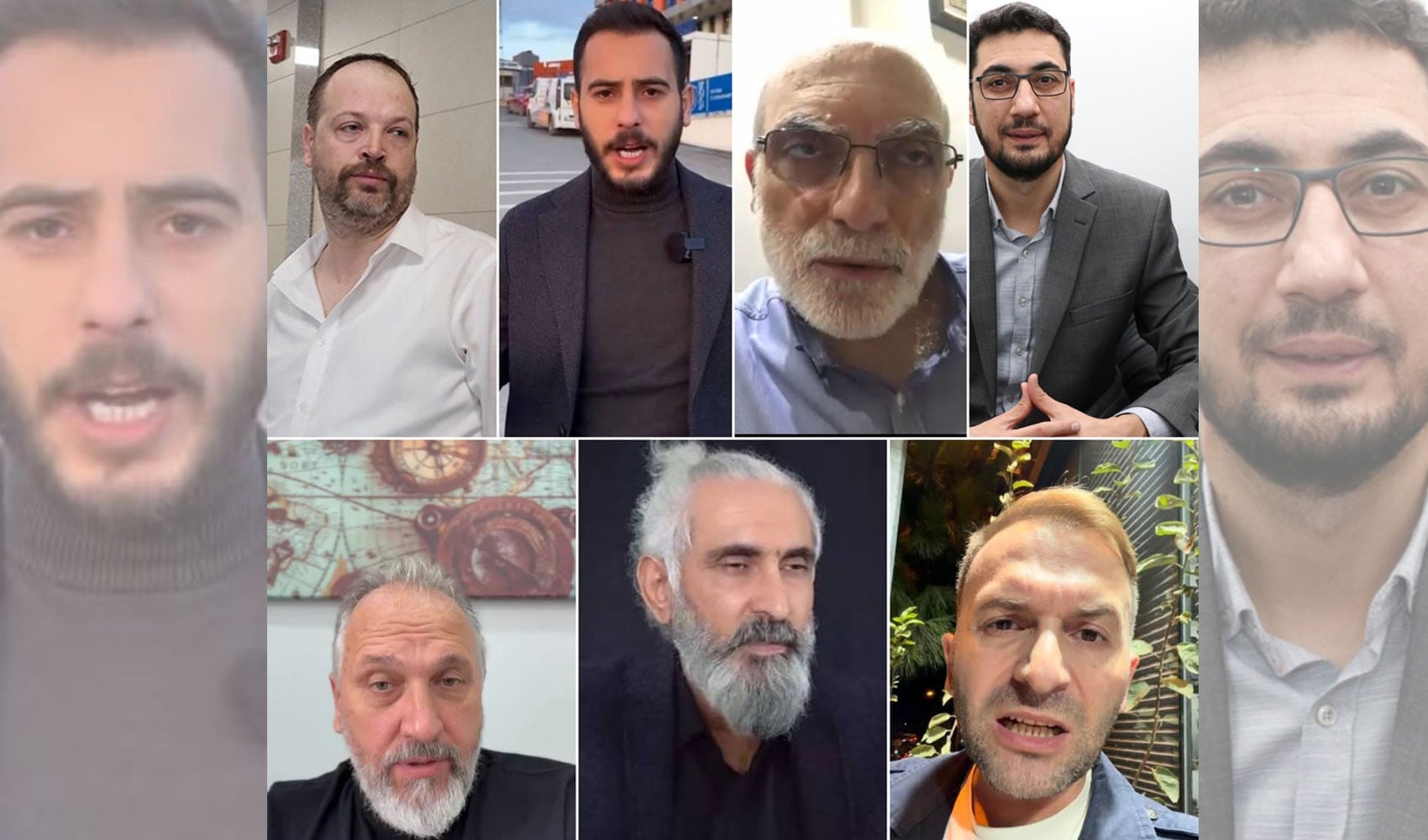
Azerbaijan issues arrest warrants in absentia for 7 people living in Turkey

The Orionid meteor shower will be visible from Turkey!

The penalty for Ronaldo, who left the national team camp, has been announced

Fatoş Seğmen reveals the cause of her daughter's death

Latest status in the race between AKP and YENİ Party revealed

Injury shock at Liverpool: He may miss the Fenerbahçe match

Who authorized the concert held in a parking garage?

From brotherhood to a distant partnership...