


Whose ministers are they?


Ministers have no political responsibility, no financial responsibility, and no administrative responsibility.
With the amendment made to the Constitution, motions of censure cannot be applied against them, and questions can only be asked in writing.
This situation renders parliamentary oversight of ministers almost null and void.
Ministers have no parties; they are independent, much like civil servants.
If a member of parliament becomes a minister, their parliamentary membership ends.
THEY ARE OBLIGATED TO BE IMPARTIAL
If ministers are civil servants, then according to Civil Servants Law No. 657, civil servants are obligated to perform their duties with impartiality.
They cannot engage in political programs in favor of or against any party.
What happens if they do?
According to Article 125 of Civil Servants Law No. 657, they are dismissed from civil service.
In other words, they are removed from their ministry.
These ministers are only responsible to the President.
If they are responsible to the President—which is indeed the case—then the President's responsibility for the actions of these ministers also arises.
The election campaigning by ministers in favor of AKP, MHP, and HÜDAPAR candidates in local elections is contrary to both the Constitution and the Civil Servants Law, and constitutes unfair competition.
Would you like to get notifications about new developments and save news?
- NotificationsNew developments and breaking news
- SaveNews is stored in the app
Most Read

Video response to Kim Jong-un claims

Murat Ağırel’s police statement has been revealed
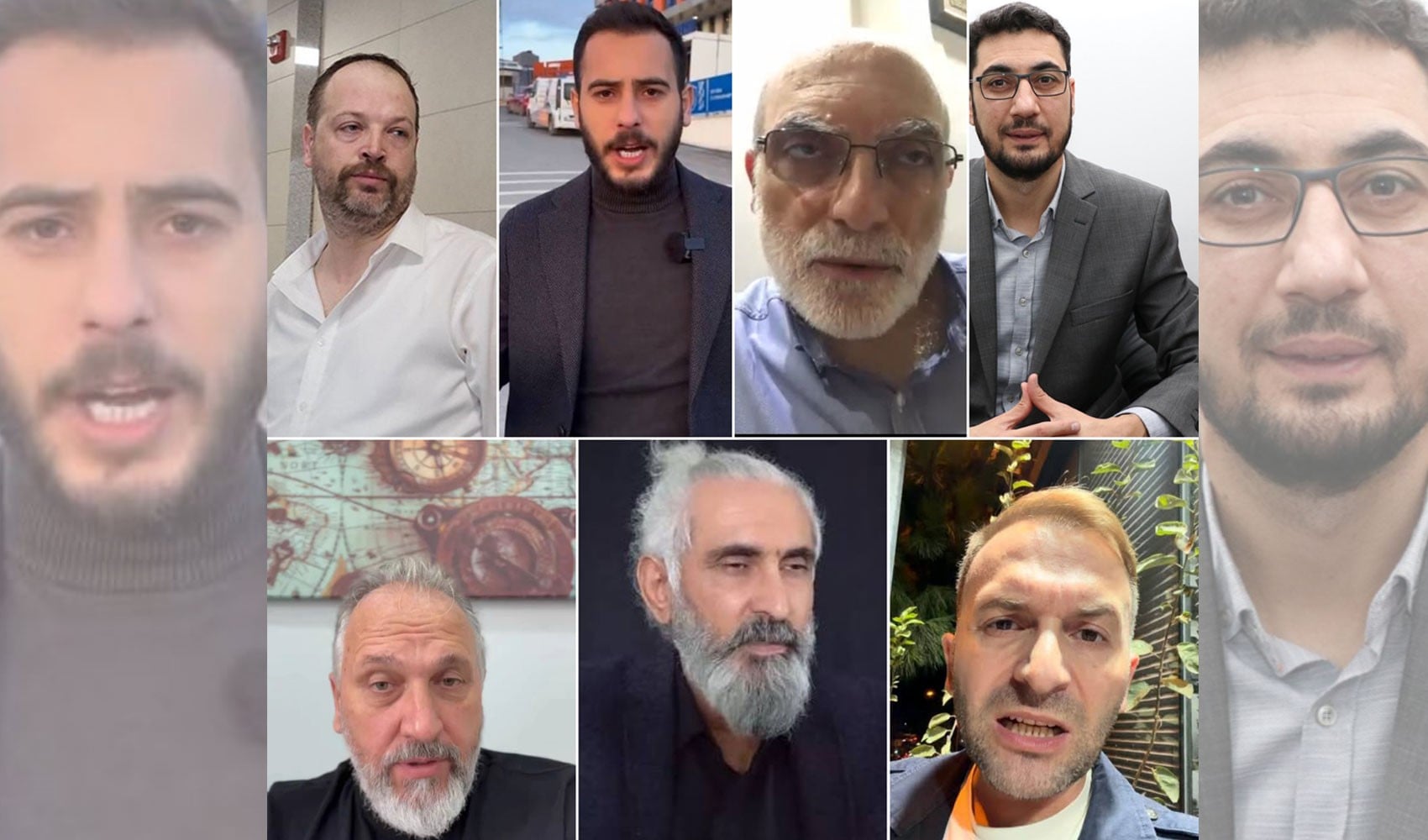
Azerbaijan issues arrest warrants in absentia for 7 people living in Turkey

The Orionid meteor shower will be visible from Turkey!

The penalty for Ronaldo, who left the national team camp, has been announced

Fatoş Seğmen reveals the cause of her daughter's death
Latest status in the race between AKP and YENİ Party revealed
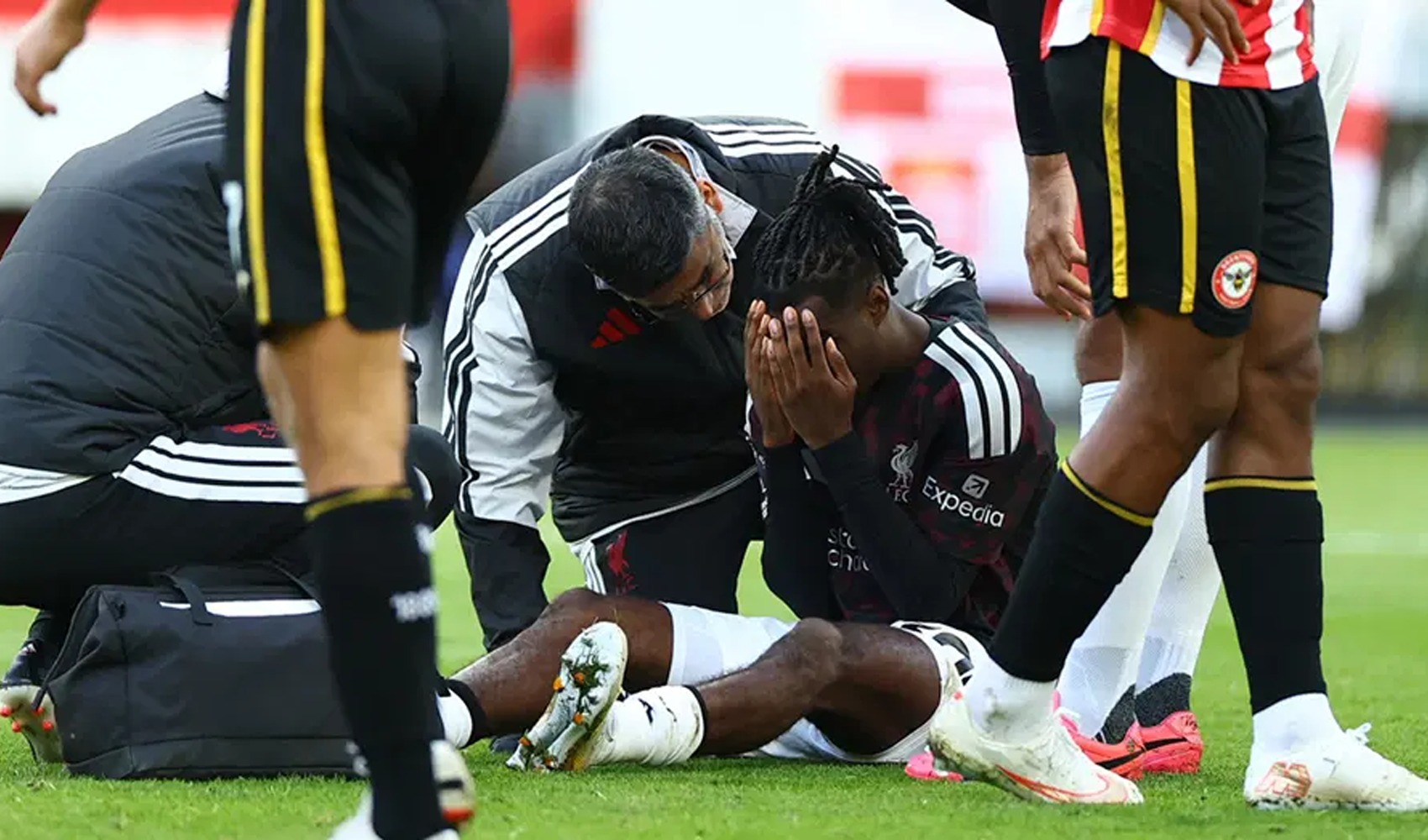
Injury shock at Liverpool: He may miss the Fenerbahçe match

Who authorized the concert held in a parking garage?

From brotherhood to a distant partnership...