


The evolution in universities continues as well


The changes the world has undergone in recent years are mind-boggling.
While Elvis's cassettes sold 30-40 million copies in the 1960s, the songs of an American ignoramus who recently gave a concert at the Olympic stadium have been streamed more than 2 billion times in the digital environment.
Almost a thousand times more.
While there were one or two flights a week from Istanbul to New York, there are now 4-5 flights a day.
The world population, which was 1.5 billion at the beginning of the 1900s and 2.5 billion in the 1950s, has approached nearly 9 billion.
Universities are also getting their share of this change.
While the total number of associate and undergraduate students studying at 19 state universities in Turkey in 1980 was 237,369, there are now 350 thousand international students in Turkey.
While the number of Turkish students is expressed in the millions, the number of foundation universities in Istanbul has also approached 50.
The number of universities, which was 19, has exceeded 200.
Therefore, competition has also increased.
Rankings are constantly being discussed.
Difficult days await universities that cannot enter the top thousand.
YÖK is constantly developing projects to prepare its universities for these developments and changes.
It provides incentives.
It states that the time for first or second-generation universities has passed and that even the third-generation university model will give way to the fourth.
It is not that there are no resistors.
While not being too rigid, I am in favor of evolving by partially resisting change.
In my next article, I will write about universities that have evolved from the first generation to the latest generation.
Would you like to get notifications about new developments and save news?
- NotificationsNew developments and breaking news
- SaveNews is stored in the app
Most Read

Video response to Kim Jong-un claims
Murat Ağırel’s police statement has been revealed

The Orionid meteor shower will be visible from Turkey!

Fatoş Seğmen reveals the cause of her daughter's death

Latest status in the race between AKP and YENİ Party revealed
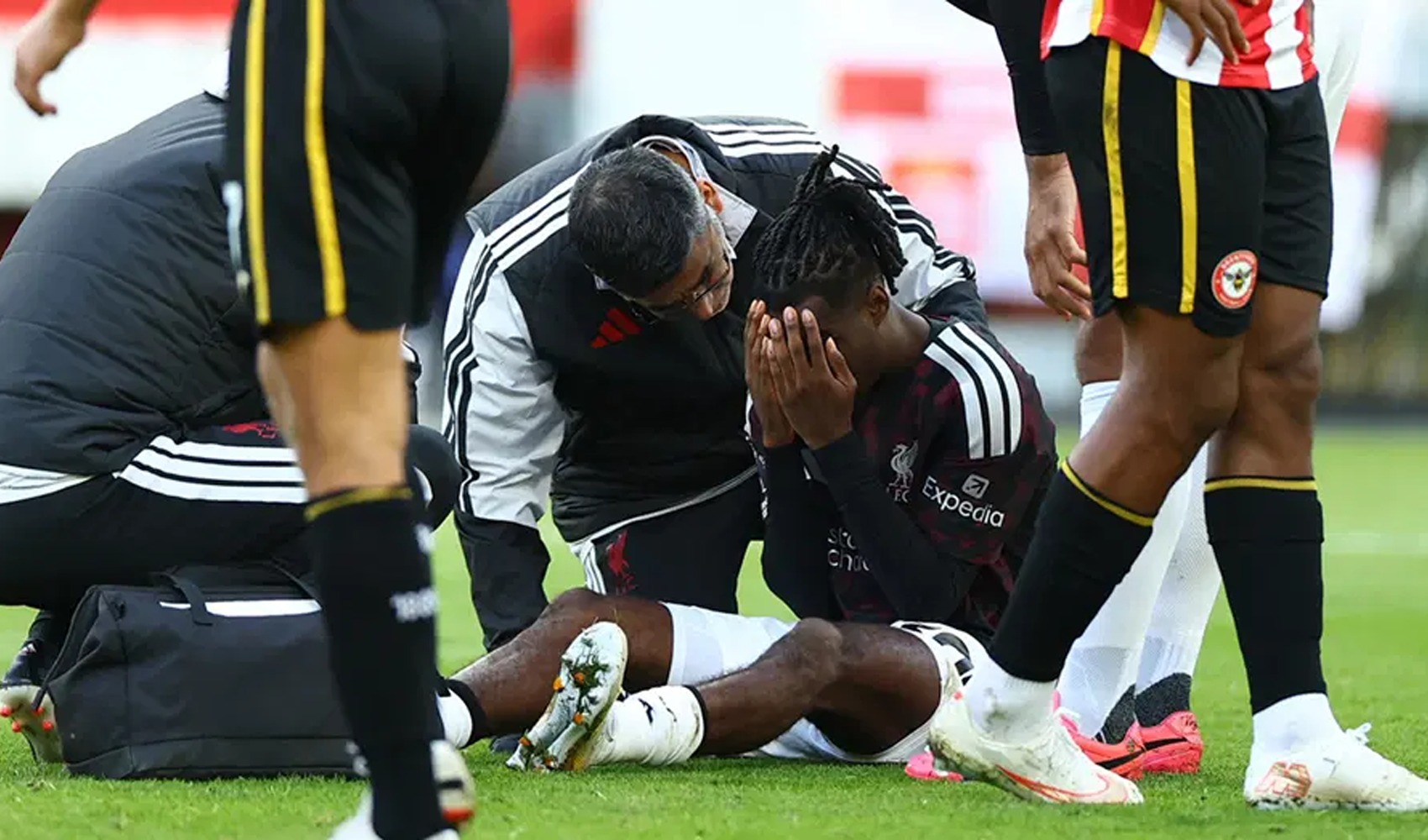
Injury shock at Liverpool: He may miss the Fenerbahçe match

From brotherhood to a distant partnership...

Who authorized the concert held in a parking garage?
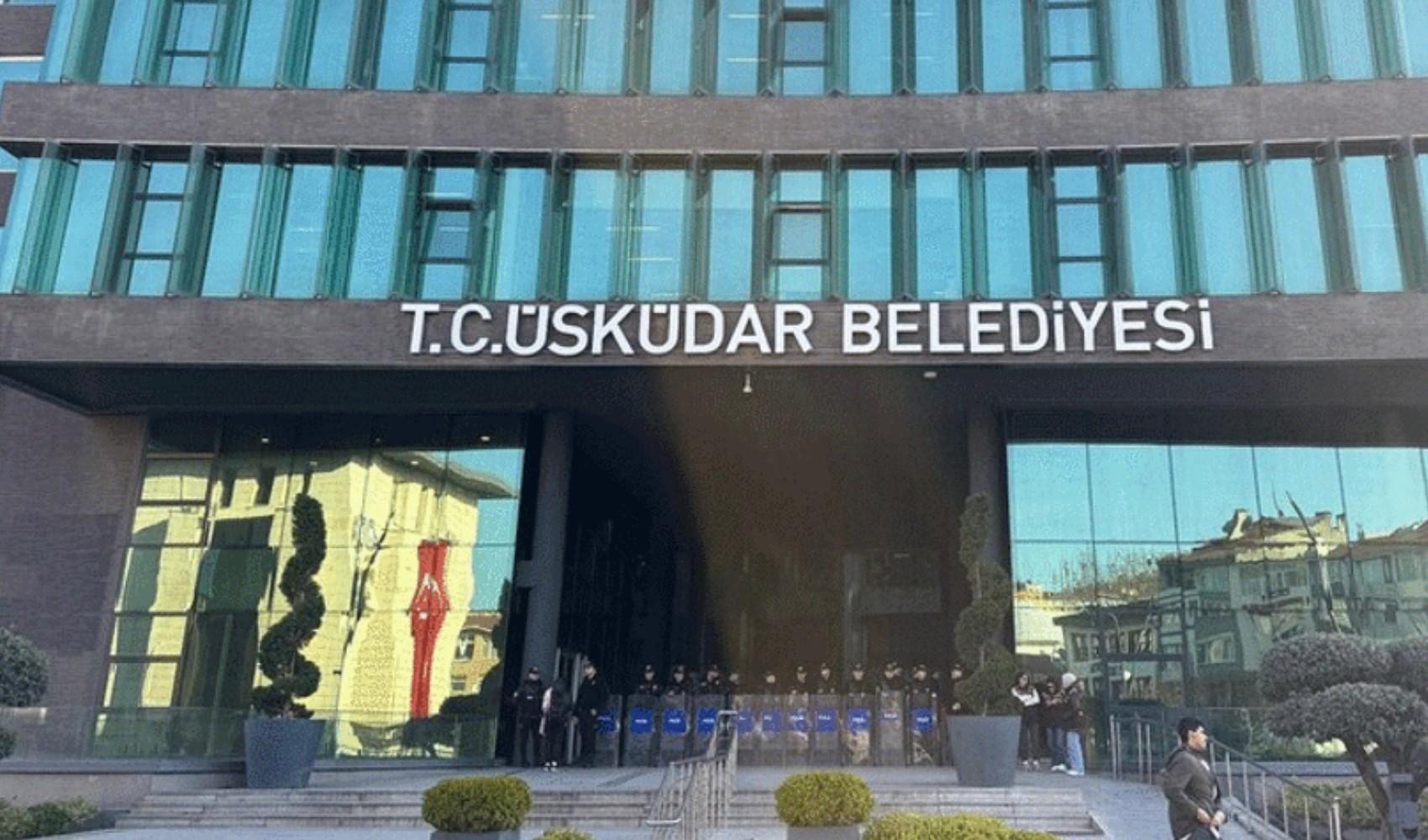
Acting mayor of Üsküdar has been determined
Good news from Izmir, may Istanbul be next