


From the Twitter revolution to digital authoritarianism


How about we go back about 15 years in the calendar?
Starting from 2010, the Middle East began to be shaken by a series of uprisings that still affect the geography today. The Arab Uprisings, which began with a young street vendor setting himself on fire in Tunisia, affected many countries in the region. At that time, most of these uprisings were labeled the "Arab Spring." Because many of the uprisings failed to produce democracy and even largely turned into bloody civil wars, no one remembers this concept today.
However, it is not just this concept of spring that has been forgotten. Does anyone remember the Twitter Revolution? If I didn't have a profession that required me to remember, I probably would have forgotten it too. Since we brought up the Middle East, let's continue that way… Although the concept of the Twitter Revolution goes back a few years, the period when the concept was used intensively was when the 30-year Hosni Mubarak regime in Egypt fell as a result of the uprisings. The rebels used Twitter – and actually another hit of the period, Facebook – intensively to bypass censorship in traditional media, organize street movements, and announce the protests to the world. After 2011, Twitter was analyzed in both media and political science literature as a liberating tool. In short, the democratizing side of Twitter and social media was discussed with excitement.
Yet, even back then – imagine that we didn't even have Artificial Intelligence in our lives – there were pessimists looking at the other side of the mirror. For example, the first work that comes to my mind while writing this article is Evgeny Morozov's The Net Delusion. To summarize briefly, Morozov, who called the thesis that the internet would be a direct democratizing force against authoritarian regimes "cyber-utopianism," underlined that authoritarian regimes also learned to work with these networks: censorship mechanisms, manipulation, intelligence gathering, profiling, and the like… Another topic of discussion was the issue that social media activism weakened social movements, which we once called "slacktivism." Looking back from today, we clearly see that the pessimists won the argument. Today, we are talking about Artificial Intelligence and discussing concepts like "techno-feudalism." Moreover, we are not at all surprised by the things we talk about, for example, platform owners becoming techno-lords and us being serfs who produce data and feed artificial intelligence. Why would we be, in the age of algorithms anyway?
You have probably understood why I wrote this article by the time you reached this point. It took more or less a decade to transition from the Twitter Revolution understanding we forgot to the digital authoritarianism that the pessimists had predicted back then. Besides, there is no Twitter left anyway. Musk, who supports the right in the world, turned Twitter into X: It now operates in a system where you cannot follow several people at the same time if you do not pay for it, and a message you write will be seen by more or less between 800-1000 people, even if you have tens of thousands of followers.
In the case of Turkey, there is a more acute picture. These days, whenever an event that shakes the agenda occurs in Turkey – and as you know, such events are not very rare – access to opposition social media accounts and websites is blocked by court order. For example, just in September 2026, especially after the "my family is safe" issue and the funding crisis, more accounts were blocked from access in Turkey by court order than the total number of accounts blocked in all of 2025. So much so that new accounts opened by people whose accounts were blocked in the same month were also blocked from access.
Some additions made later to Law No. 5651, which was enacted in 2007 and includes the fight against crimes in the internet environment, form the legal basis for the social media bans we frequently discuss these days. Most bans come under the scope of 8-A. However, the existence and content of a law is one thing, and when and how it will be applied is another. The factor that determines the latter is, of course, the political climate. (Otherwise, Law No. 657 still continues to exist).
Of course, at this point, one should question not only the decisions taken at the speed of light but also the social media platforms that implement these decisions at the same speed. In a world where the idea of digital democracy has evolved into digital authoritarianism but almost everything has become digitized, how to deal with this authoritarianism is not a question that can be answered easily. However, it is also clear that the answer to what is happening is not to give up and open new accounts. New channels, or a new communication strategy? Both individuals and the opposition need to think about this a lot...
Would you like to get notifications about new developments and save news?
- NotificationsNew developments and breaking news
- SaveNews is stored in the app
Most Read
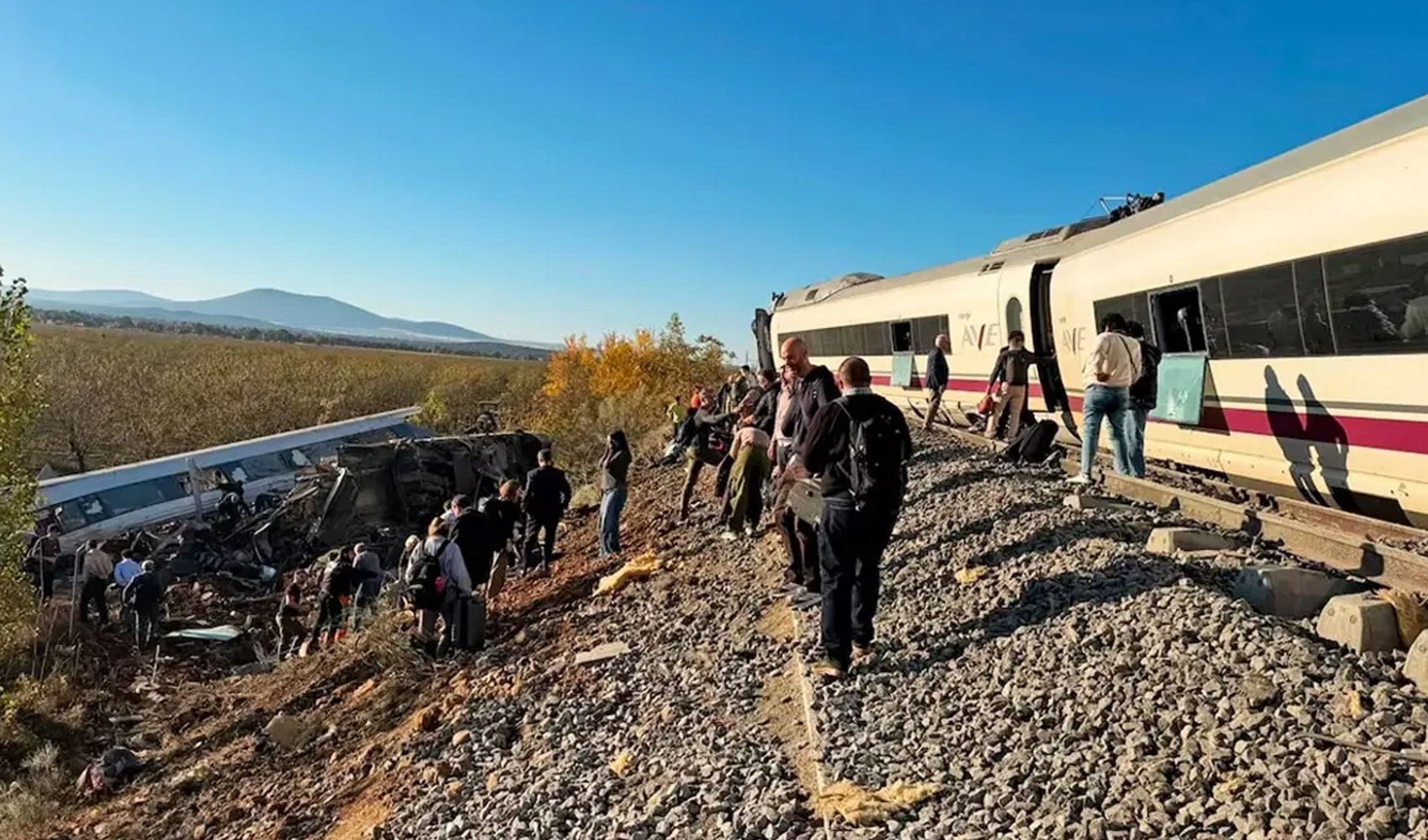
Two high-speed trains collide in Spain!
New formula for indefinite alimony regulation

Can Yayınları Editor-in-Chief Cem Akaş has passed away
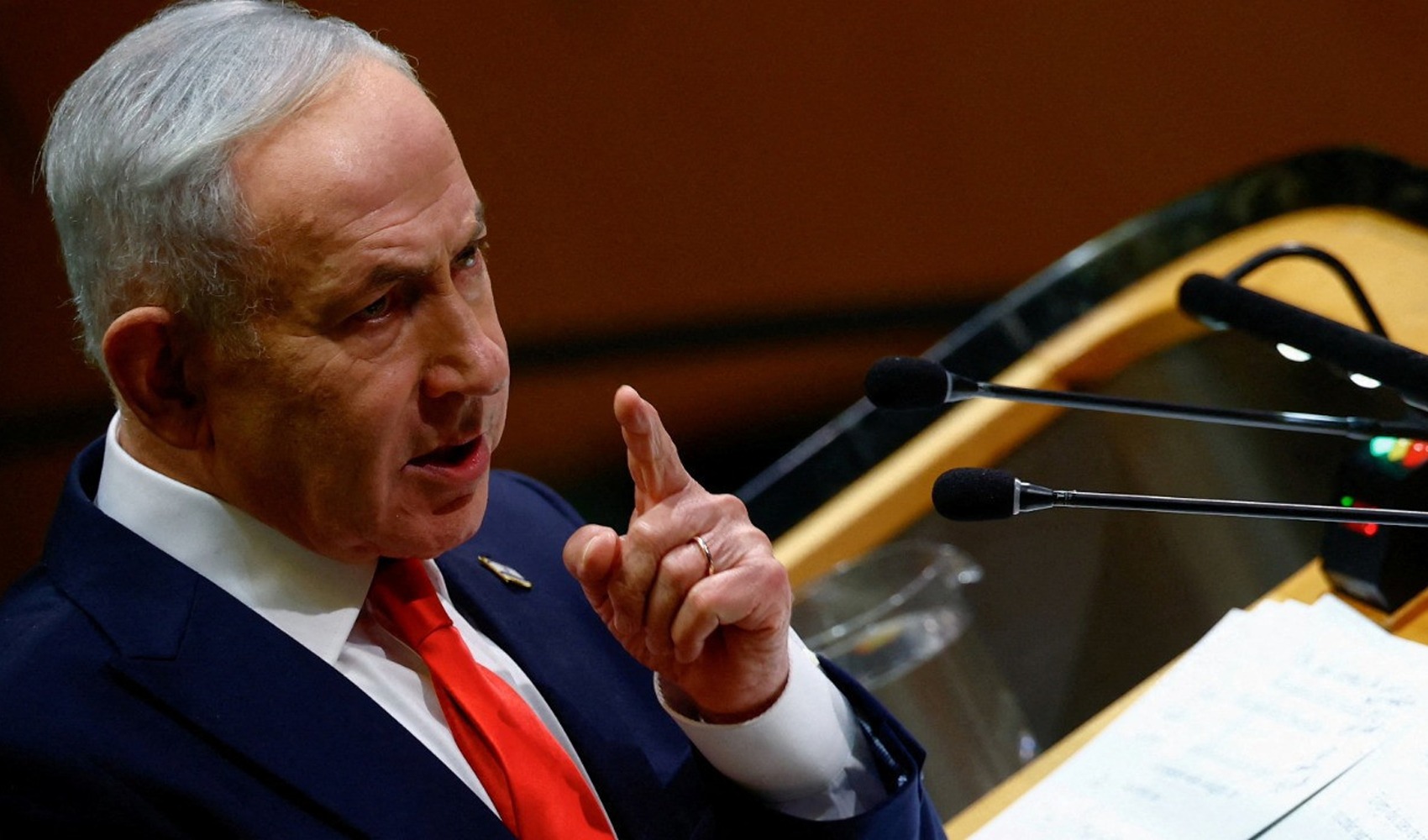
Surprise results emerge from the ballot box in Israel
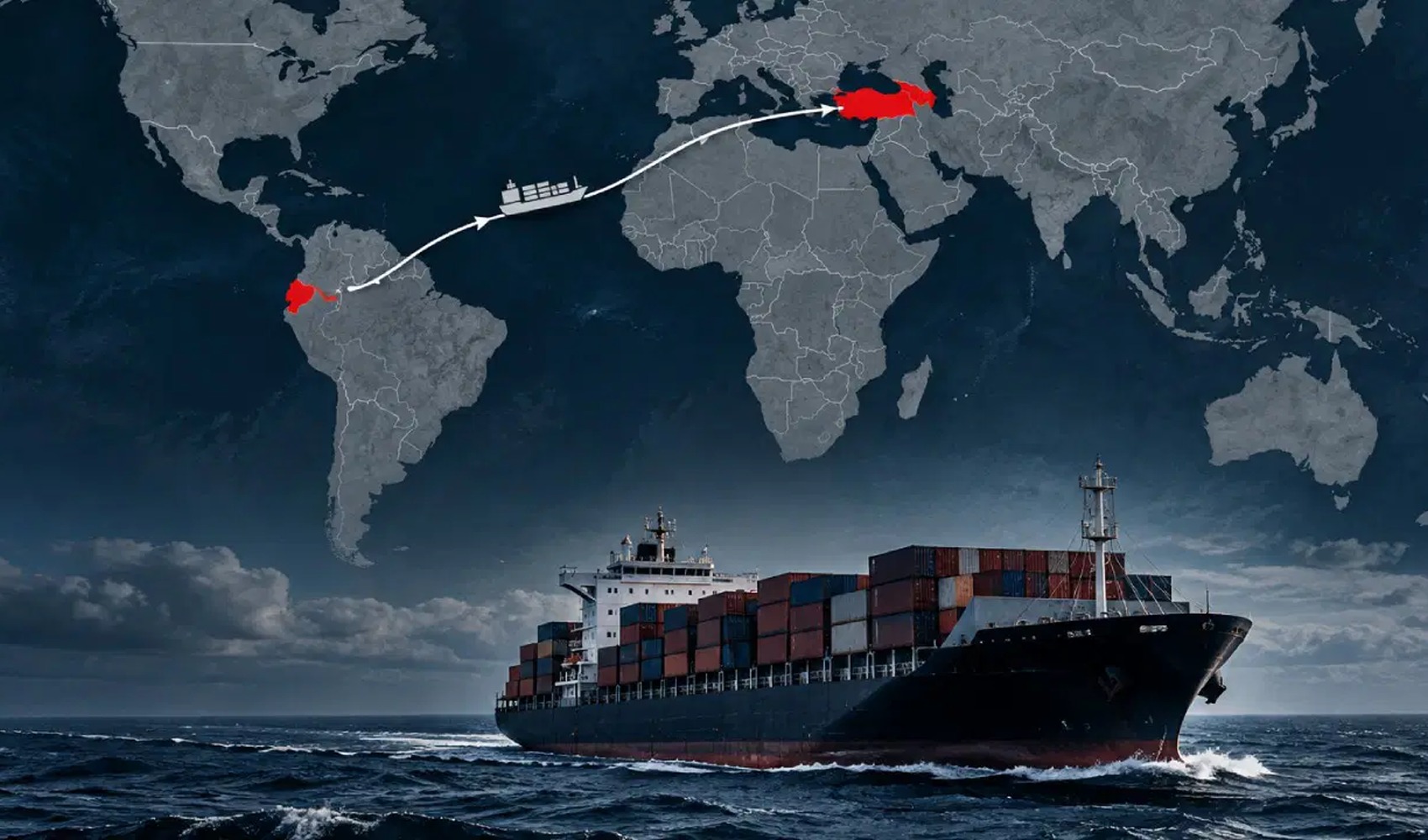
Allegations involving Turkey in the case of 748 kilos of cocaine seized in Ecuador
With the Republic, sovereignty was taken from the palace; it cannot be returned to the palace!

The digital era for IDs begins
NEW Party decision from Mustafa Sarıgül!
Striking claim regarding the Erdoğan-Aliyev meeting!
Social media move from Oktay Saral following his resignation